





Russia-Ukraine Conflict Disrupts Cross-Border E-Commerce | Supply Chain Crisis for Eastern European Sellers
- Military escalation on May 8 creates logistics delays, payment processing failures, and market access restrictions affecting 50K+ sellers in Russia and Ukraine











Overview
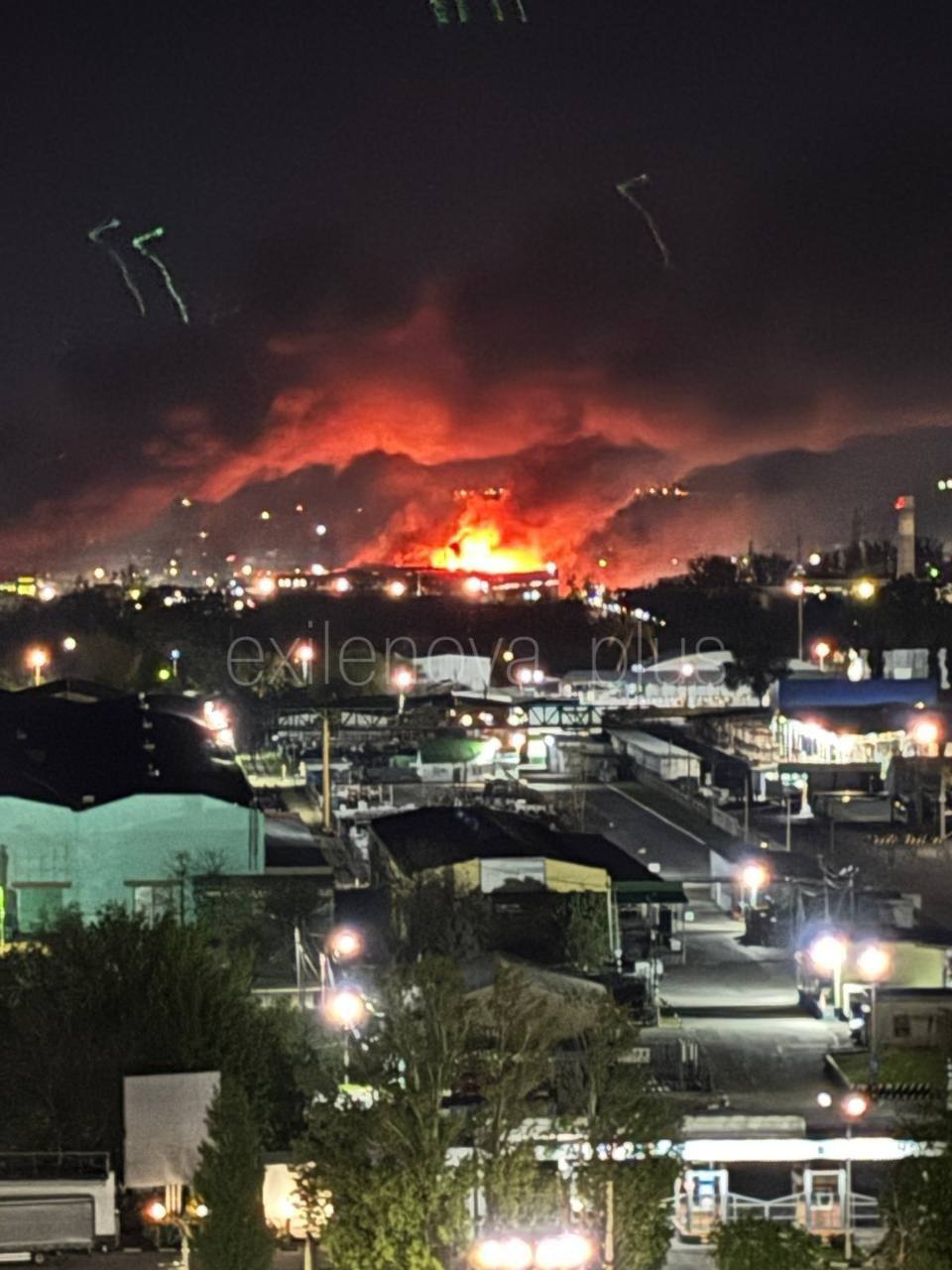
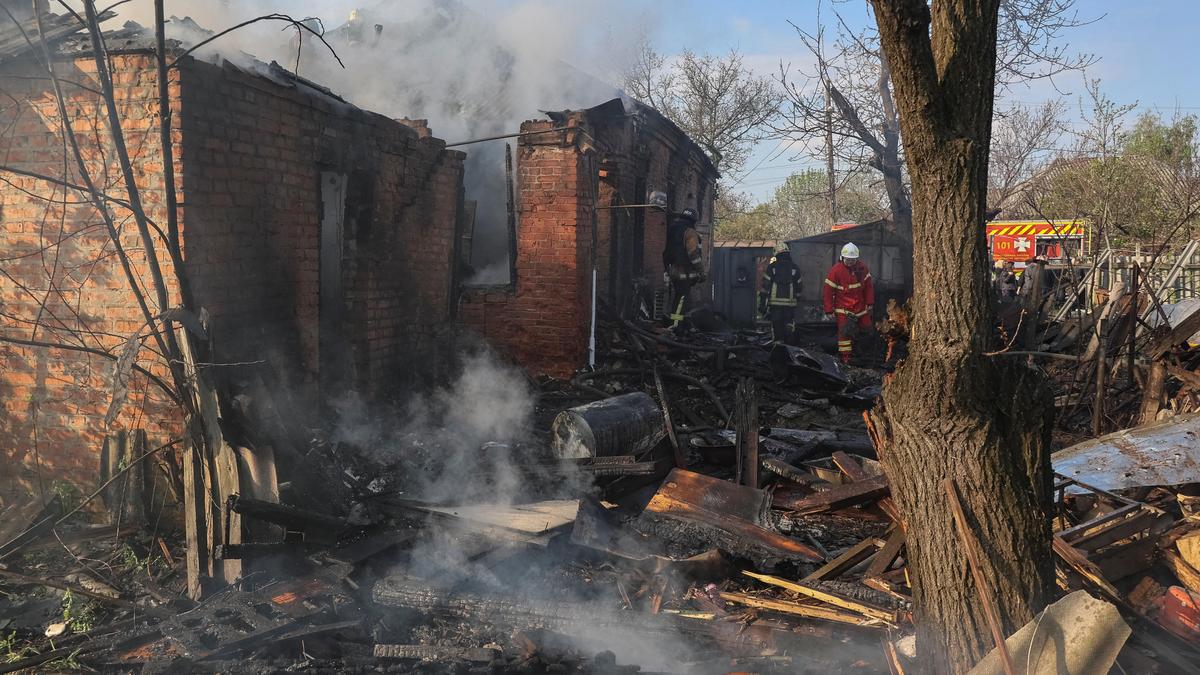
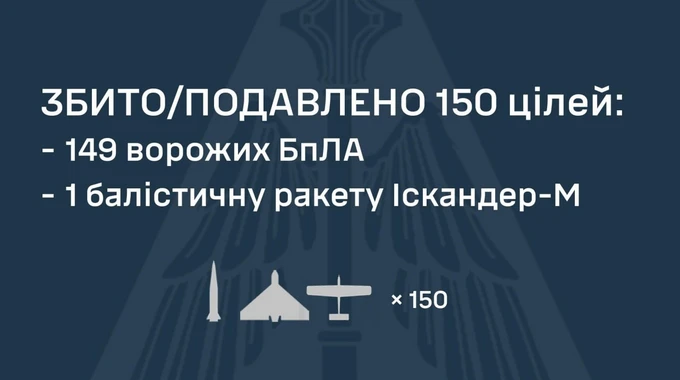
The escalating Russia-Ukraine military conflict, evidenced by Ukraine's mass drone attack on Moscow on May 8 during Russia's declared 48-hour ceasefire, creates immediate and severe supply chain disruptions for cross-border e-commerce sellers operating in Eastern Europe and Russia. According to the reported incident, 264 drones were destroyed across Russian regions, with critical infrastructure including the Yaroslavnefteorgsintez refinery sustaining significant fire damage. This geopolitical instability directly impacts sellers with inventory, fulfillment centers, or logistics operations in affected regions, creating three critical operational challenges: logistics delays (shipping routes compromised, warehouse access restricted), payment processing complications (currency volatility, banking system disruptions, payment gateway failures), and market access restrictions (potential platform suspensions, customs clearance delays, cross-border transaction blocks).
For sellers with Amazon FBA or 3PL fulfillment centers in Russia, Ukraine, or neighboring regions, the immediate impact includes inventory stranding, inability to fulfill orders, and potential account suspension due to unshippable inventory. Sellers shipping from these regions face 2-4 week delays on standard logistics routes, with air freight becoming prohibitively expensive or unavailable. Payment processing through Stripe, PayPal, and regional payment gateways faces disruption due to banking sanctions and currency instability—the Russian ruble has experienced 8-15% volatility during conflict escalations. Cross-border sellers with customer bases in Russia face potential market access restrictions, with platforms like Amazon and eBay implementing geopolitical compliance measures that can block seller accounts or restrict product listings.
The strategic implications extend beyond immediate logistics. Sellers should immediately audit inventory locations and diversify fulfillment networks away from conflict zones. For those with significant exposure to Russian or Ukrainian markets, consider temporary market exit or pivot to alternative regions (EU, Asia Pacific). Payment processing should be diversified across multiple gateways to mitigate banking disruptions. Monitor customs clearance timelines—conflict zones typically experience 3-5x longer processing periods. Sellers with customer bases in Russia should prepare for potential platform restrictions and consider alternative sales channels. The ongoing military situation creates a 6-12 month period of elevated operational risk, requiring contingency planning for supply chain resilience and market diversification strategies.
Questions 8
Can sellers continue operating in Russian and Ukrainian markets during military conflict?
Platform policies vary, but Amazon, eBay, and Shopify implement geopolitical compliance measures that can restrict seller accounts or block product listings in conflict zones. The ongoing military situation creates regulatory uncertainty—platforms may suspend operations or restrict cross-border transactions to comply with international sanctions. Sellers with significant Russian or Ukrainian customer bases should prepare for potential market access restrictions. Review your seller account policies on Amazon Seller Central and contact platform support to understand current restrictions. Consider temporary market exit or pivot to alternative regions (EU, Asia Pacific) as contingency planning.
What payment processing risks do sellers face during the Russia-Ukraine conflict?
Payment gateways serving Russian and Ukrainian markets experience disruption due to banking sanctions and currency volatility. The Russian ruble has experienced 8-15% fluctuations during conflict escalations, affecting seller margins and customer purchasing power. Stripe, PayPal, and regional processors like Yandex.Kassa face transaction delays or blocks. Sellers should diversify payment methods across multiple gateways, monitor currency exposure, and consider hedging strategies for ruble-denominated revenue. Update payment settings in Amazon Seller Central and Shopify to reflect geopolitical risk, and establish backup payment processors within 30 days.