




Australia's Counterterrorism Repatriation Crisis | Geopolitical Risk & Supply Chain Security Implications for Cross-Border Sellers
- Late 2024 repatriation of 13 individuals (4 women, 9 children) from Syrian camps triggers $2M annual monitoring allocation and reveals critical gaps in Australia's counterterrorism infrastructure affecting regional e-commerce logistics and compliance frameworks





)









Overview
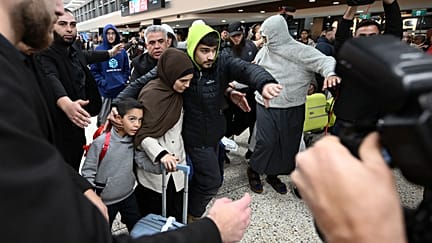
Australia's repatriation of four women and nine children from Syrian detention camps in late 2024 represents a significant geopolitical event with indirect but meaningful implications for cross-border e-commerce sellers operating in the Asia-Pacific region. The three women—Kawsar Abbas (53), Zeinab Ahmed (31), and Janai Safar (32)—face terrorism and crimes against humanity charges, with sentences potentially reaching 10-25 years imprisonment. This repatriation, facilitated through Qatar Airways flights to Sydney and Melbourne, highlights critical vulnerabilities in Australia's counterterrorism infrastructure that directly impact supply chain security, logistics routing, and regulatory compliance for international sellers.
Supply Chain & Logistics Security Impact: The news reveals Australia's counterterrorism threat level remains equivalent to the height of the ISIS caliphate, with ASIO (Australian Security Intelligence Organisation) allocating approximately $2 million annually for monitoring high-risk individuals. For cross-border sellers, this indicates elevated security protocols at Australian ports, airports, and customs facilities. Sellers shipping to Australia via major gateways (Sydney, Melbourne) should anticipate potential delays of 3-7 business days during heightened security operations. The Bondi Beach attack in December 2024 (15 fatalities, allegedly IS-inspired) demonstrates active radicalization threats, suggesting Australian customs and border security will maintain enhanced screening procedures affecting import/export timelines and documentation requirements.
Regulatory & Compliance Framework Shifts: The royal commission into the Bondi Beach attack exposed systemic deficiencies in counterterrorism funding and early intervention programs, signaling potential regulatory tightening around cross-border transactions, payment processing, and seller verification. Australia's government has demonstrated willingness to enforce strict repatriation policies while maintaining rule-of-law standards—indicating sellers should expect more rigorous compliance audits, particularly for sellers with international payment methods or shipments originating from regions with elevated risk profiles. The case of Kawsar Abbas purchasing a Yazidi slave for $10,000 in Syria (2014-2019) underscores authorities' focus on financial transaction tracking, suggesting Australian regulators may implement stricter payment verification protocols for cross-border sellers.
Regional Market Confidence & Consumer Behavior: The contentious public debate surrounding repatriation—with significant community opposition from Yazidi survivors and refugees—reflects broader Australian consumer sentiment regarding security and international engagement. This sentiment may influence purchasing behavior, with Australian consumers potentially favoring domestic sellers or sellers from trusted Western markets. Approximately 21 additional Australians remain in Syrian camps, indicating ongoing repatriation discussions that could sustain elevated security consciousness among Australian consumers for 12-24 months. Sellers targeting Australian audiences should consider messaging that emphasizes supply chain transparency, secure payment processing, and compliance with Australian security standards.
Questions 8
What payment verification changes should sellers anticipate following Australia's terrorism-related prosecutions?
The prosecution of Kawsar Abbas and others for purchasing enslaved individuals using international financial transfers signals Australian regulators' focus on transaction tracking and financial compliance. Sellers using payment processors like PayPal, Stripe, or Amazon Pay should expect more rigorous verification of international transactions, particularly those involving high-value orders or multiple shipments to Australian addresses. AUSTRAC (Australian Transaction Reports and Analysis Centre) may implement stricter seller verification protocols. Sellers should maintain detailed transaction records, ensure payment methods are properly documented, and avoid any transactions that could trigger automated compliance flags. Consider registering with AUSTRAC if conducting significant cross-border commerce to Australia.
How does Australia's counterterrorism repatriation policy affect cross-border sellers shipping to Australian ports?
Australia's repatriation of ISIS-linked individuals in late 2024 has elevated the nation's counterterrorism threat level to caliphate-era heights, triggering enhanced security screening at major ports (Sydney, Melbourne) and airports. Cross-border sellers should expect 3-7 business day delays for customs clearance, particularly for shipments from regions with elevated risk profiles. ASIO's $2 million annual allocation for monitoring high-risk individuals indicates sustained security operations that will impact import timelines. Sellers should update shipping estimates to Australian customers, communicate potential delays transparently, and ensure all customs documentation is complete and accurate to avoid additional scrutiny.