





AI Security Compliance Surge | E-Commerce Sellers Face New Data Protection Requirements by 2026
- Mandatory pre-release AI model assessments create 2-8 week approval delays for seller tools; data security compliance costs rise 15-25% for cross-border platforms














Overview
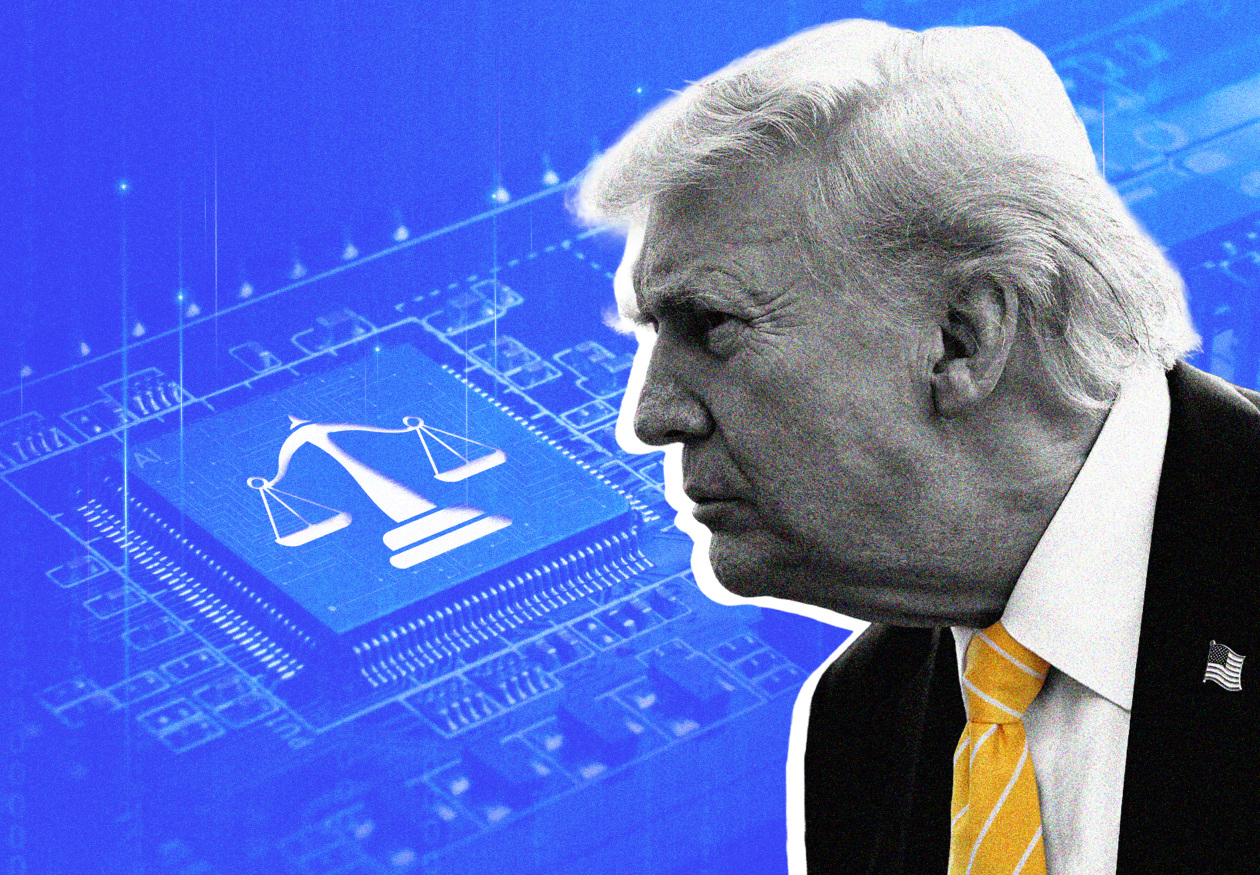
The Trump administration's May 2026 policy reversal on AI regulation—triggered by Anthropic's Mythos vulnerability-detection system—signals a critical shift toward mandatory government pre-release assessment of AI models, directly impacting e-commerce sellers' operational infrastructure. While the administration initially pursued deregulation through December 2025 executive orders, the emergence of AI systems capable of identifying security flaws in government and private sector infrastructure forced pragmatic reconsideration of blanket deregulation. This creates a dual-track regulatory environment: voluntary federal evaluation agreements through the Commerce Department's Center for AI Standards and Innovation (CAISI) exist alongside discussions of mandatory intelligence community review before public AI model release.
For cross-border e-commerce sellers, this policy shift cascades into three operational impact zones. First, marketplace compliance infrastructure will tighten significantly. Amazon, eBay, Shopify, and other platforms relying on AI-powered seller tools (fraud detection, pricing optimization, inventory forecasting) now face potential 2-8 week approval delays before deploying new AI capabilities. Sellers using third-party AI tools for listing optimization, demand forecasting, or customer service automation should expect mandatory security audits and compliance certifications. Second, data security standards will escalate. The policy's emphasis on identifying vulnerabilities in "government and private sector infrastructure" signals that e-commerce platforms will face heightened scrutiny of customer data protection, payment processing security, and cross-border data transfer compliance. Sellers managing customer PII across multiple jurisdictions (US, EU, Asia-Pacific) will need enhanced encryption, audit trails, and vulnerability assessment protocols—estimated at 15-25% cost increase for compliance infrastructure. Third, competitive advantages shift toward larger sellers and established platforms. Daniel Castro's warning about "weeks or months" approval delays for market access creates a barrier favoring companies with pre-existing government relationships (Microsoft, Google DeepMind, xAI) and established CAISI safety-testing agreements. Small and medium sellers relying on cutting-edge AI tools for competitive advantage face extended time-to-market windows.
The Anthropic-Pentagon dispute adds geopolitical complexity. Despite Defense Secretary Pete Hegseth's March 2026 designation of Anthropic as a supply chain risk and Trump's order to cease federal agency use within six months, federal agencies are now seeking Mythos access for cybersecurity purposes. This creates uncertainty around which AI vendors will maintain government approval and which will face restrictions. Sellers should monitor CAISI's published safety-testing agreements (currently including Google DeepMind, xAI, and Microsoft) as indicators of which AI tool providers will maintain uninterrupted market access. The voluntary evaluation framework suggests a 6-12 month window before mandatory pre-release assessment becomes standard, creating urgency for sellers to audit current AI tool dependencies and plan migration strategies for tools lacking government approval pathways.
Questions 8
What compliance documentation should I prepare for marketplace audits under new AI security standards?
Prepare documentation demonstrating: (1) AI tool vendor approval status through CAISI or equivalent government assessment, (2) data security protocols for customer PII across jurisdictions, (3) vulnerability assessment audit results from past 12 months, (4) encryption standards for payment processing and data transmission, (5) cross-border data transfer compliance (GDPR, CCPA, regional regulations), (6) incident response procedures for security breaches. Amazon, eBay, and Shopify will likely implement compliance checkpoints requiring sellers to certify tool vendor approval and security standards. The policy's emphasis on identifying vulnerabilities in private sector infrastructure signals that platforms will conduct enhanced security audits. Sellers should maintain current vulnerability assessments, encryption certifications, and vendor approval documentation. Budget 40-80 hours annually for compliance documentation and audit preparation, depending on seller size and jurisdictional complexity.
How should I assess risk if my seller tools use Anthropic or other non-approved AI vendors?
Anthropic faces significant regulatory uncertainty following Defense Secretary Pete Hegseth's March 2026 supply chain risk designation and Trump's order for federal agencies to cease using Anthropic products within six months. While federal agencies are now seeking Mythos access for cybersecurity purposes, this creates conflicting signals about long-term approval status. Sellers using Anthropic-powered tools should immediately develop contingency plans and identify alternative vendors. Prioritize tools from vendors with published CAISI safety-testing agreements (Google DeepMind, xAI, Microsoft). Conduct vendor risk assessments evaluating: (1) government approval status, (2) funding sources and political alignment, (3) alternative tool availability, (4) migration complexity. For mission-critical functions, avoid single-vendor dependency. Plan 30-60 day migration windows for tool transitions to minimize operational disruption.