

$765M Gaming Acquisition Loss Signals Live-Service Monetization Crisis | Seller Merchandise Opportunities
- Sony's Bungie impairment reveals $3.6B acquisition failure; Nintendo Switch 2 success drives 2B+ merchandise licensing revenue; gaming hardware price increases impact accessory sellers


















Overview
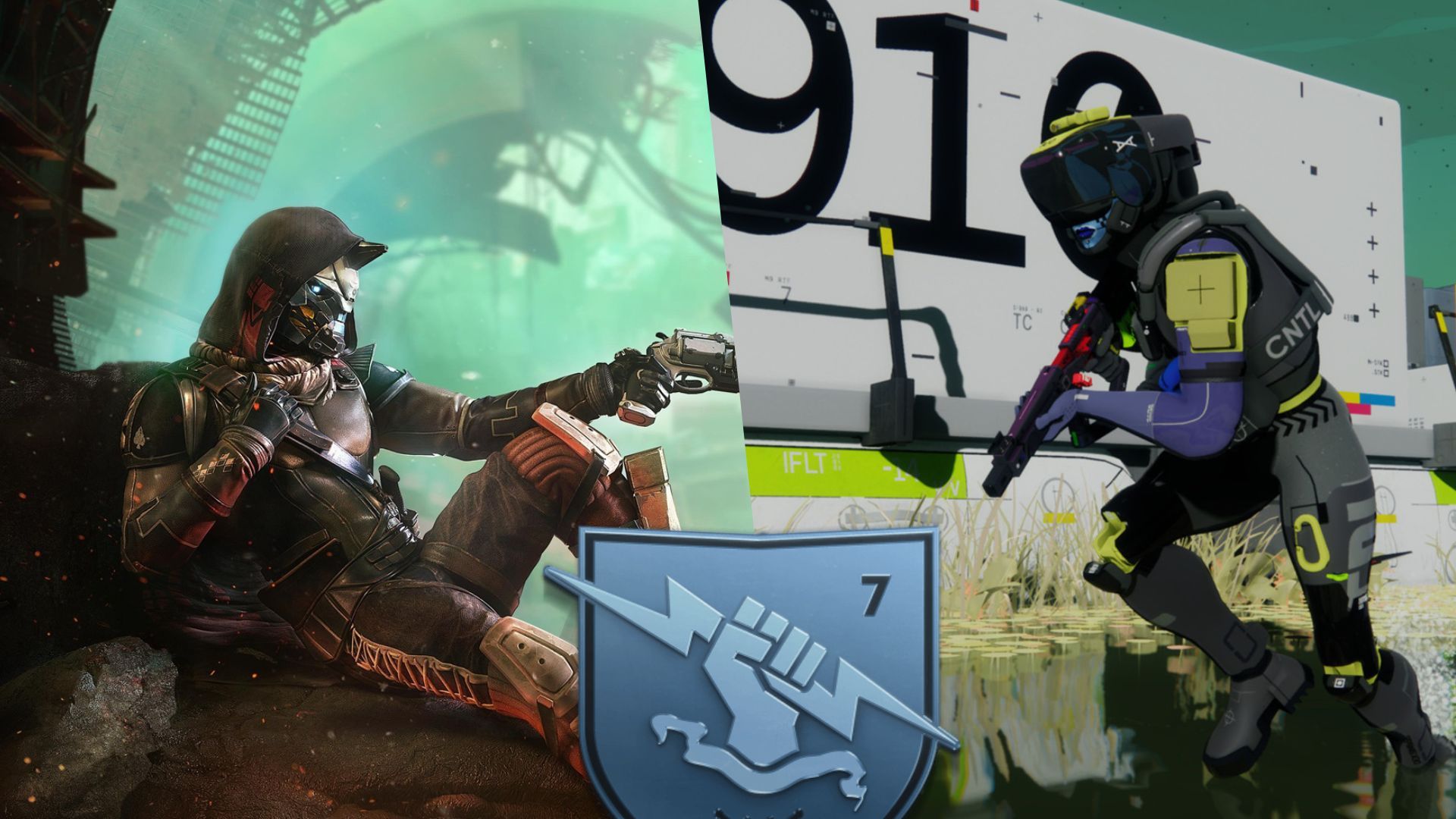
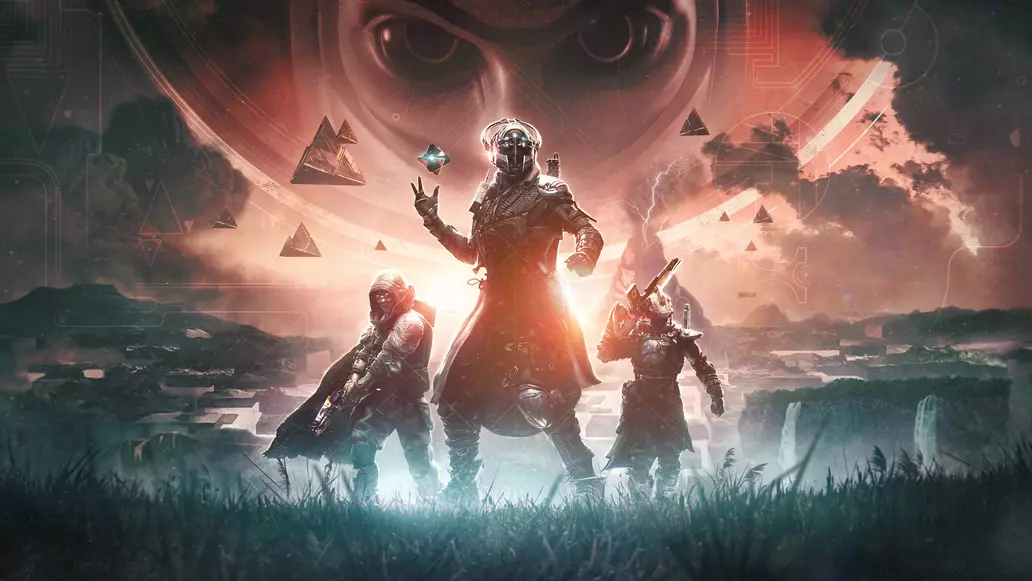
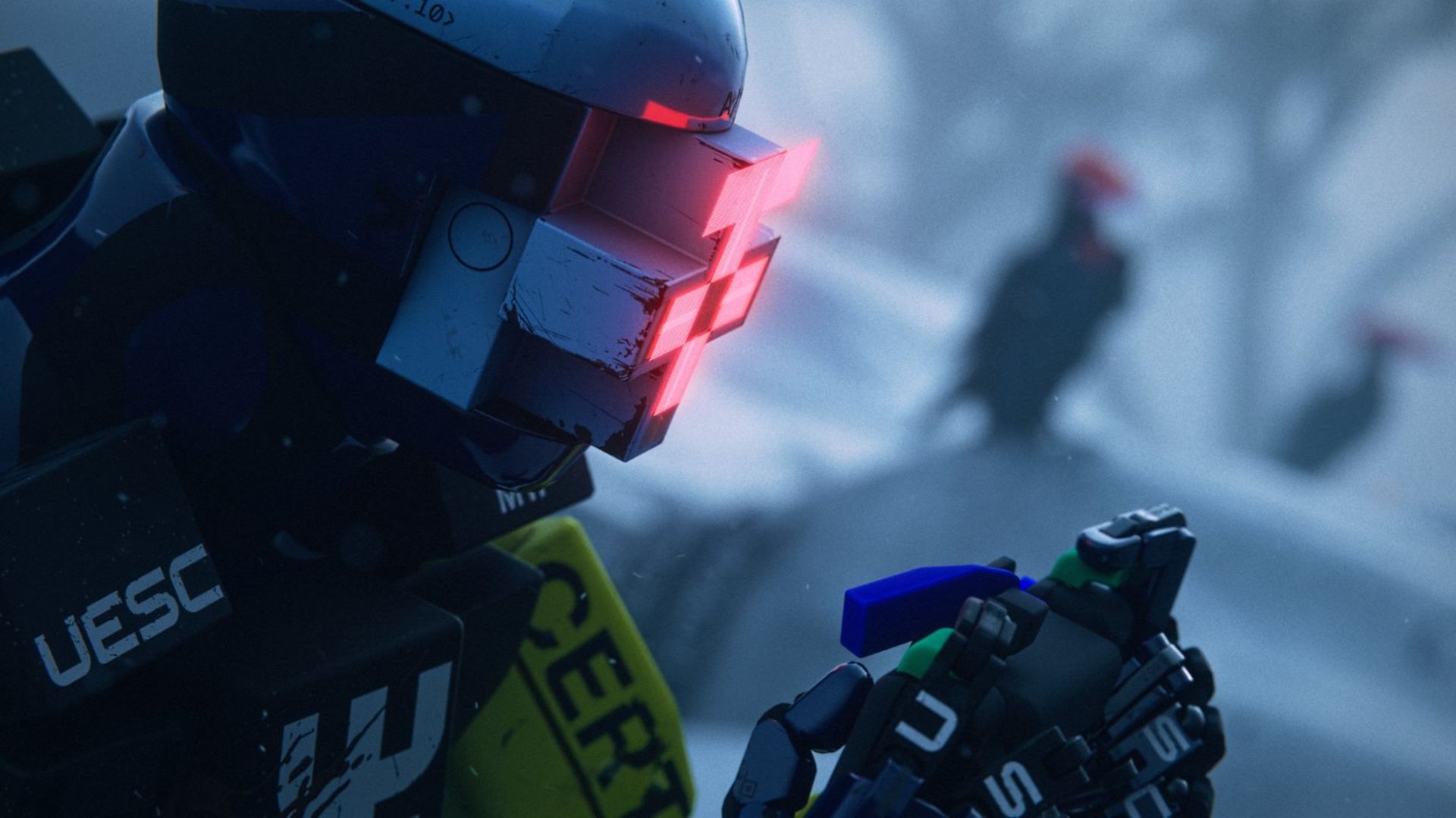
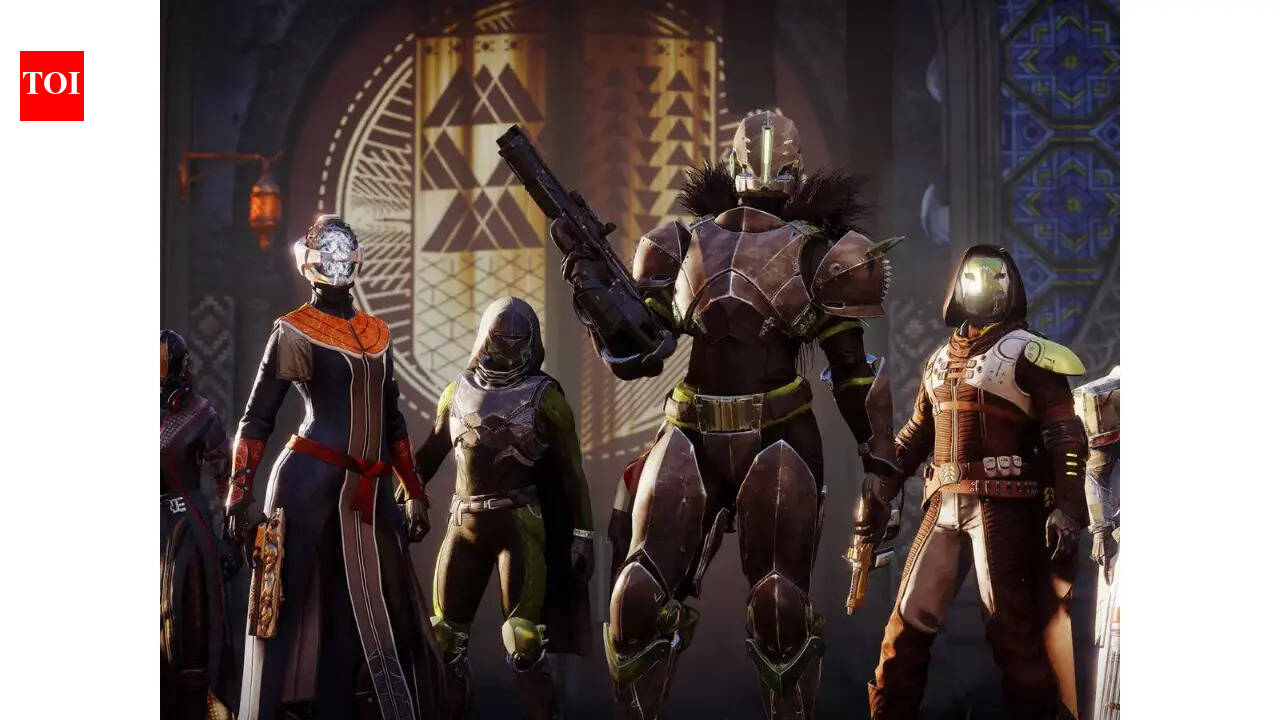
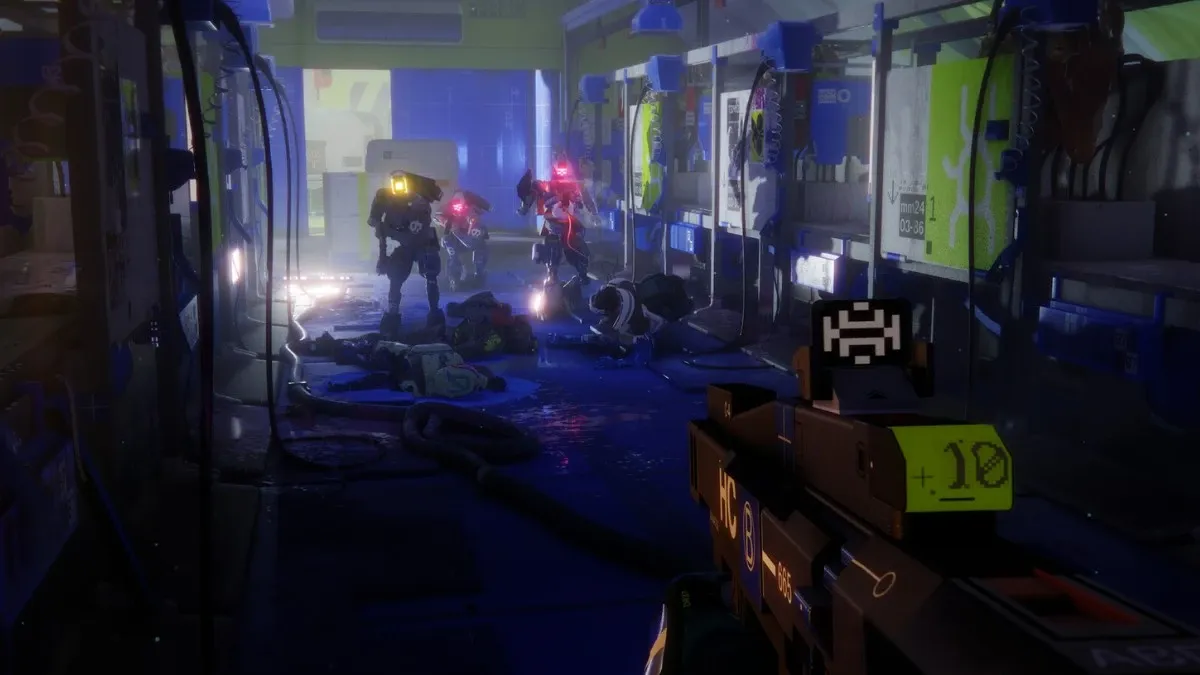
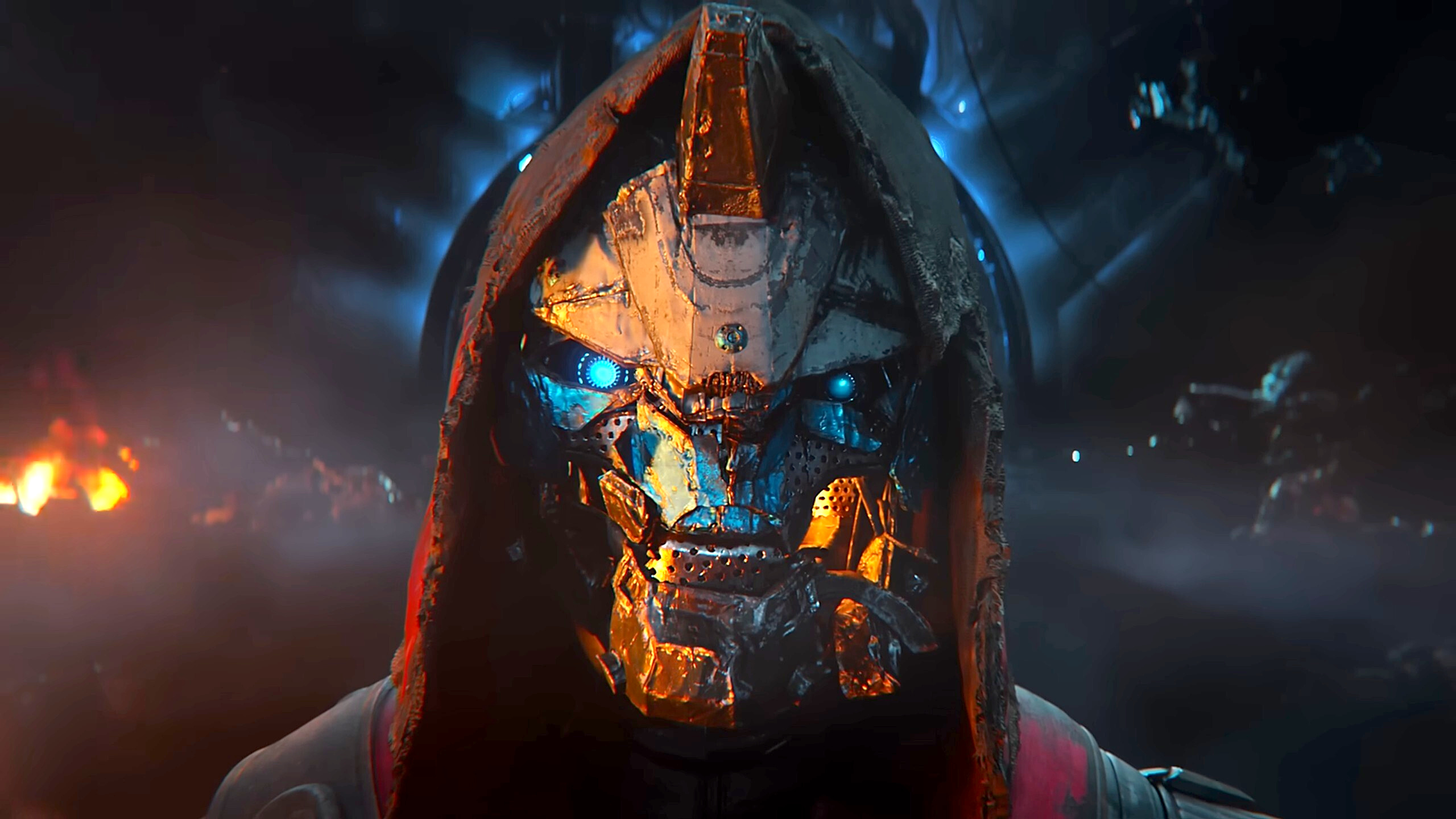
Sony's $765 million impairment loss on Bungie (acquired for $3.6 billion in 2022) represents a critical inflection point in gaming industry consolidation strategy, with direct implications for cross-border e-commerce sellers in gaming accessories, merchandise, and digital content categories. The impairment—comprising $204.2 million in Q2 (Destiny 2 underperformance) and $560 million in Q4 (Marathon launch failure)—reflects fundamental challenges in live-service monetization where player retention and revenue projections systematically miss targets. Marathon, despite a $250M+ development budget, 82 Metacritic score, and 90%+ positive Steam reviews, achieved only 10,000-15,000 concurrent players (far below AAA standards) and 1-2 million launch-month players, indicating that critical acclaim no longer guarantees commercial viability in hardcore-focused extraction shooters.
For e-commerce sellers, this crisis creates three distinct opportunity vectors: First, gaming merchandise and collectibles are experiencing unprecedented demand as publishers pivot from live-service monetization to IP licensing. Nintendo's FY2026 results demonstrate this shift: the company generated 73.5 billion yen ($520M+) from IP-related business (movies, merchandise, licensing), with the Super Mario Galaxy Movie grossing $800M+ globally in four weeks and the Mario franchise exceeding $2 billion in total film revenue. Switch 2 launch drove 19.86 million hardware units sold and 48.71 million software units in four months, creating massive downstream demand for licensed accessories, apparel, and collectibles. Sellers specializing in gaming merchandise can capitalize on this shift by sourcing Pokémon, Mario, and emerging IP products—categories that historically generate 15-25% higher margins than digital goods.
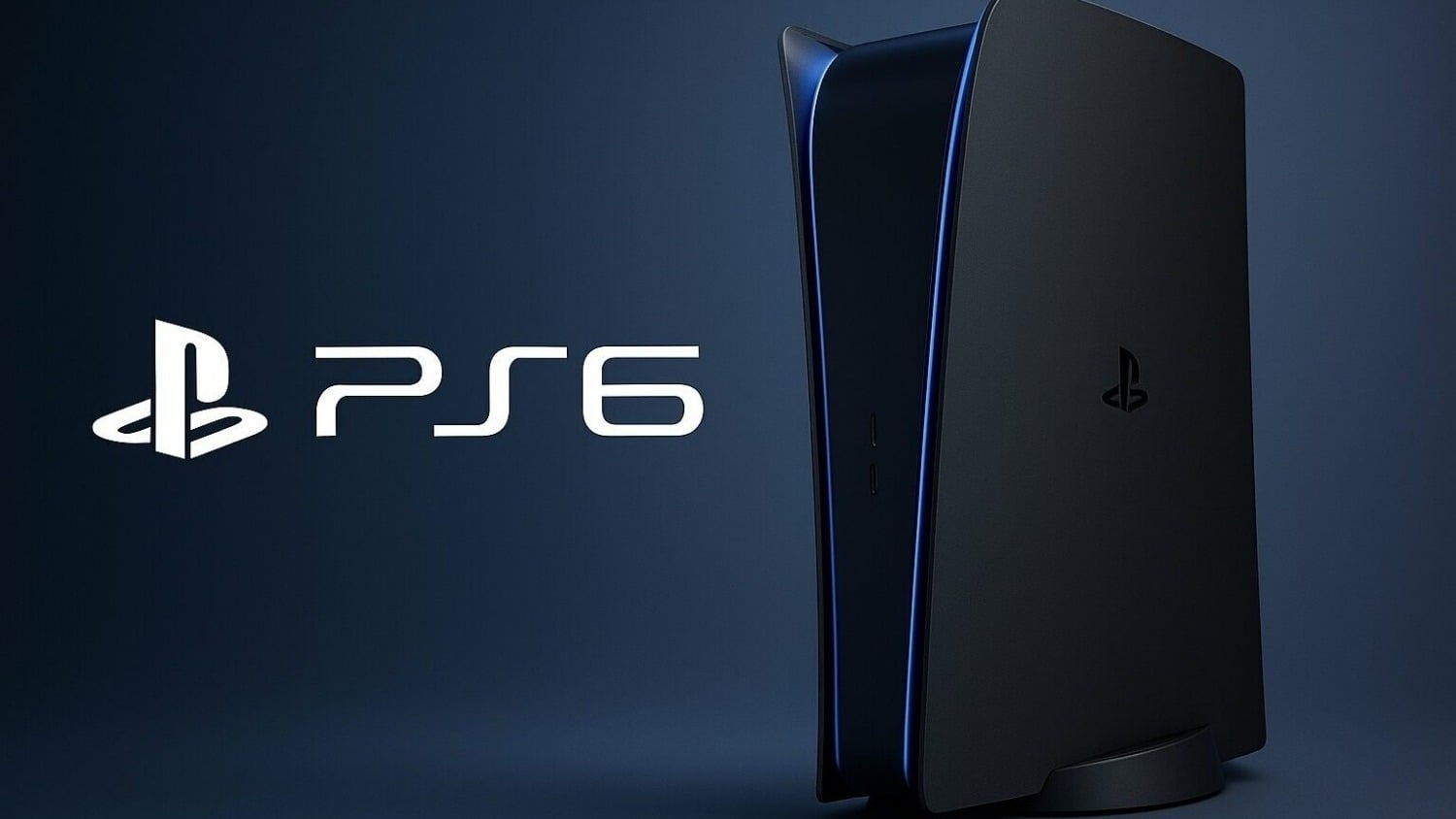
Second, hardware accessory sellers face both risk and opportunity from pricing dynamics. Nintendo announced price increases across Japan, US, Canada, and Europe citing "memory component shortages and supply chain factors"—signaling that semiconductor constraints will persist through FY27. This creates margin compression for sellers offering PS5/Xbox Series X accessories (controllers, charging docks, storage solutions) but opens opportunities for third-party alternatives and regional arbitrage. Sony's flat Game & Network Services segment sales ($0 growth) despite 12% operating income increase indicates the company is shifting focus from software to hardware profitability, meaning PS5 accessory demand will remain strong through PS6 transition (expected 2027-2028 based on Sony's stated "next-generation PlayStation 6 development" investments).
Third, the Bungie/Marathon failure demonstrates that niche, hardcore-focused games cannot sustain $250M+ development budgets. Industry analysts attribute Marathon's underperformance to "steep learning curve" and "ultra-hardcore design philosophy" limiting casual appeal—a pattern that will accelerate consolidation toward IP-driven, accessible titles. This creates opportunities for sellers offering gaming guides, tutorial content, and skill-building products (streaming equipment, coaching services, educational content) targeting the 1-2 million dedicated Marathon players and similar hardcore communities. The contrast between Sony's Marathon commitment (despite losses) and its Concord shutdown indicates Sony will continue investing in titles with "stronger foundational appeal," meaning sellers should monitor which franchises receive continued development resources.
Questions 8
What does Sony's $765M Bungie impairment loss mean for gaming accessory sellers?
Sony's massive write-down signals a strategic pivot from live-service software to hardware and IP licensing monetization. The company's Game & Network Services segment reported flat sales despite 12% operating income growth, indicating Sony is prioritizing PS5 hardware profitability and PlayStation 6 development over software revenue. For sellers, this means sustained demand for PS5 accessories (controllers, storage, charging solutions) through 2027-2028 as Sony transitions to next-generation hardware. Sellers should expect continued price increases on hardware due to semiconductor constraints, creating opportunities for third-party alternatives and regional arbitrage strategies.
How does Nintendo's Switch 2 success create merchandise opportunities for cross-border sellers?
Nintendo's FY2026 results demonstrate explosive IP licensing potential: the company generated 73.5 billion yen ($520M+) from merchandise and licensing, with the Super Mario Galaxy Movie grossing $800M+ globally in four weeks. Switch 2 sold 19.86 million hardware units and 48.71 million software units in four months, creating massive downstream demand for licensed products. Sellers can capitalize by sourcing Pokémon merchandise (Pokémon Legends: Z-A sold 3.94M units; Pokémon Pokopia drove March 2026 hardware momentum), Mario products, and Switch 2 accessories. Gaming merchandise historically generates 15-25% higher margins than digital goods and benefits from sustained consumer engagement across multiple platforms (games, movies, merchandise).