

Resident Evil Requiem 7M Sales Surge | Gaming Merchandise & DLC Revenue Opportunity
- Capcom's 7 million unit sales milestone creates $500M+ merchandise ecosystem opportunity for cross-border sellers in gaming collectibles, apparel, and digital content categories










Overview
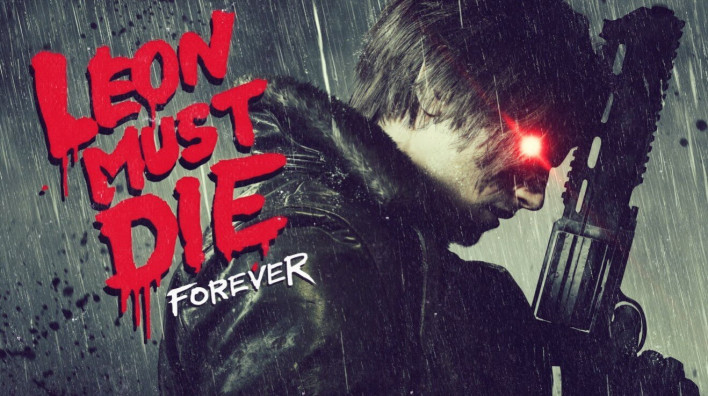
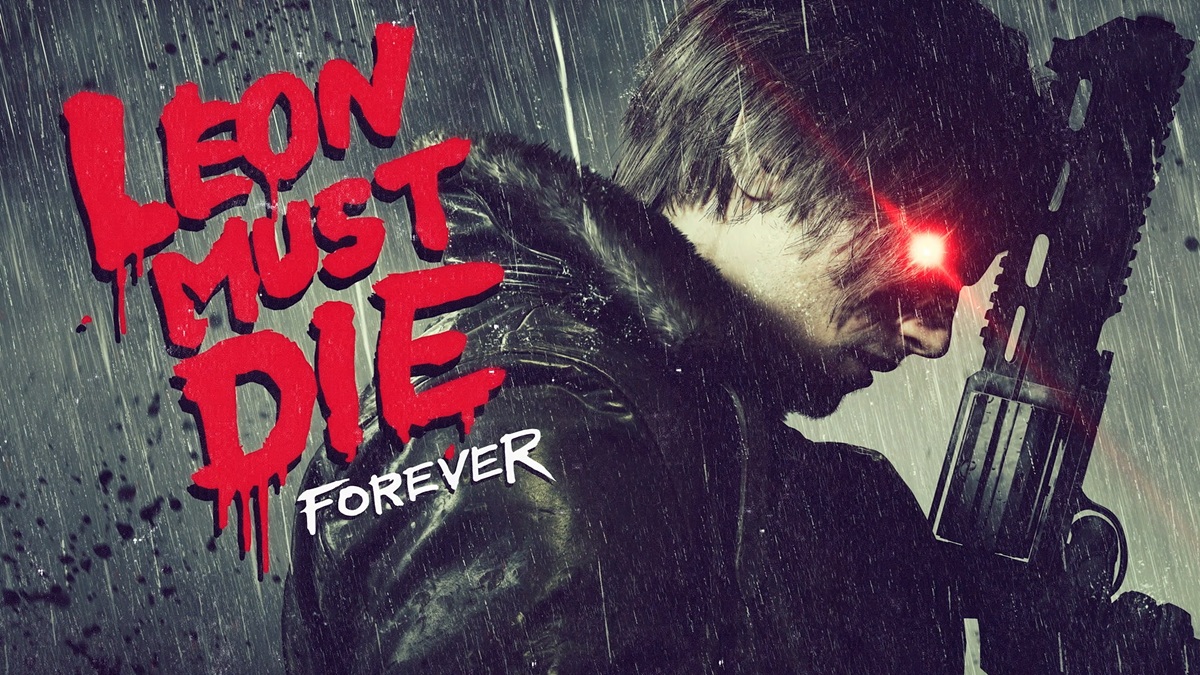
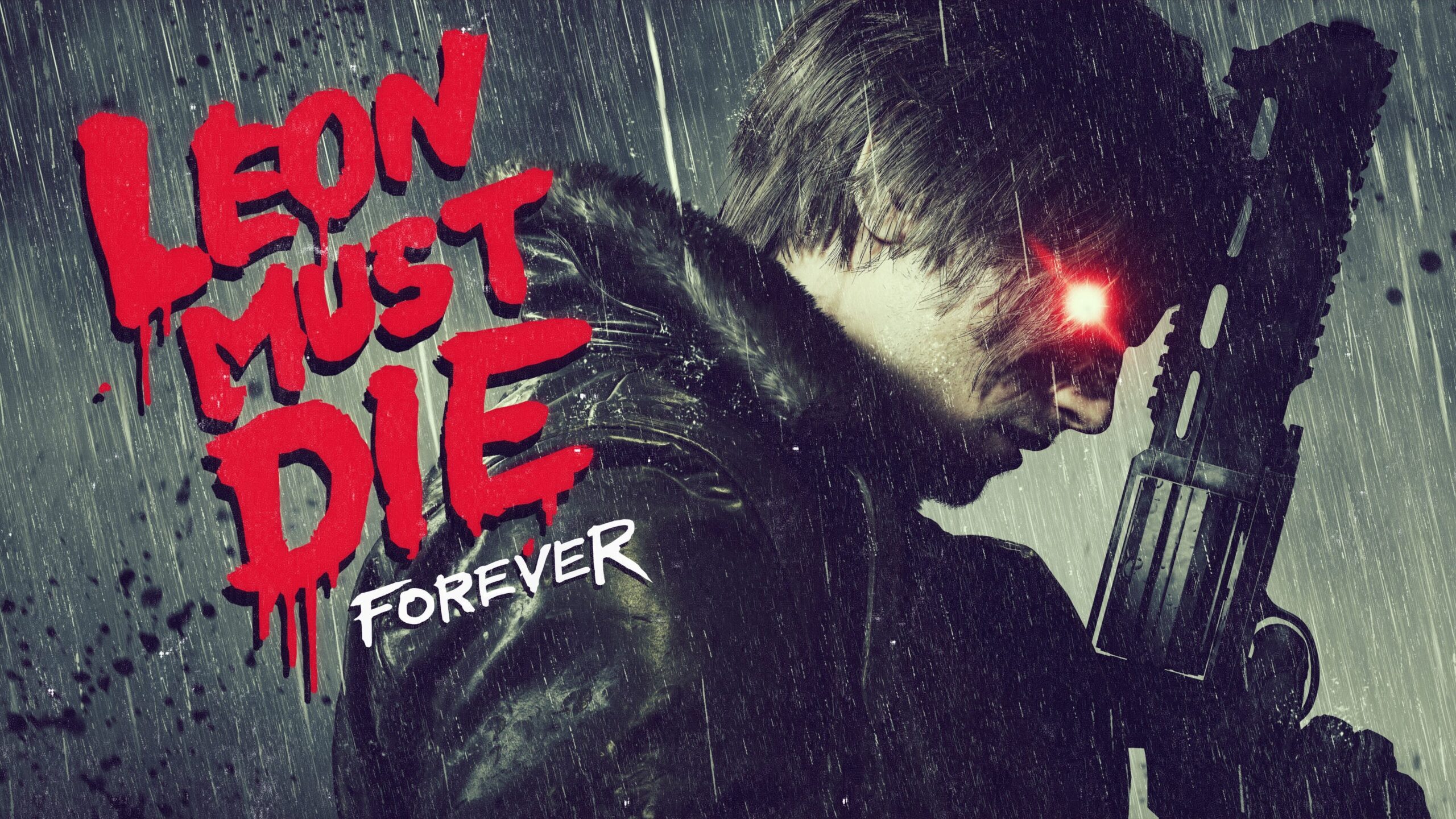
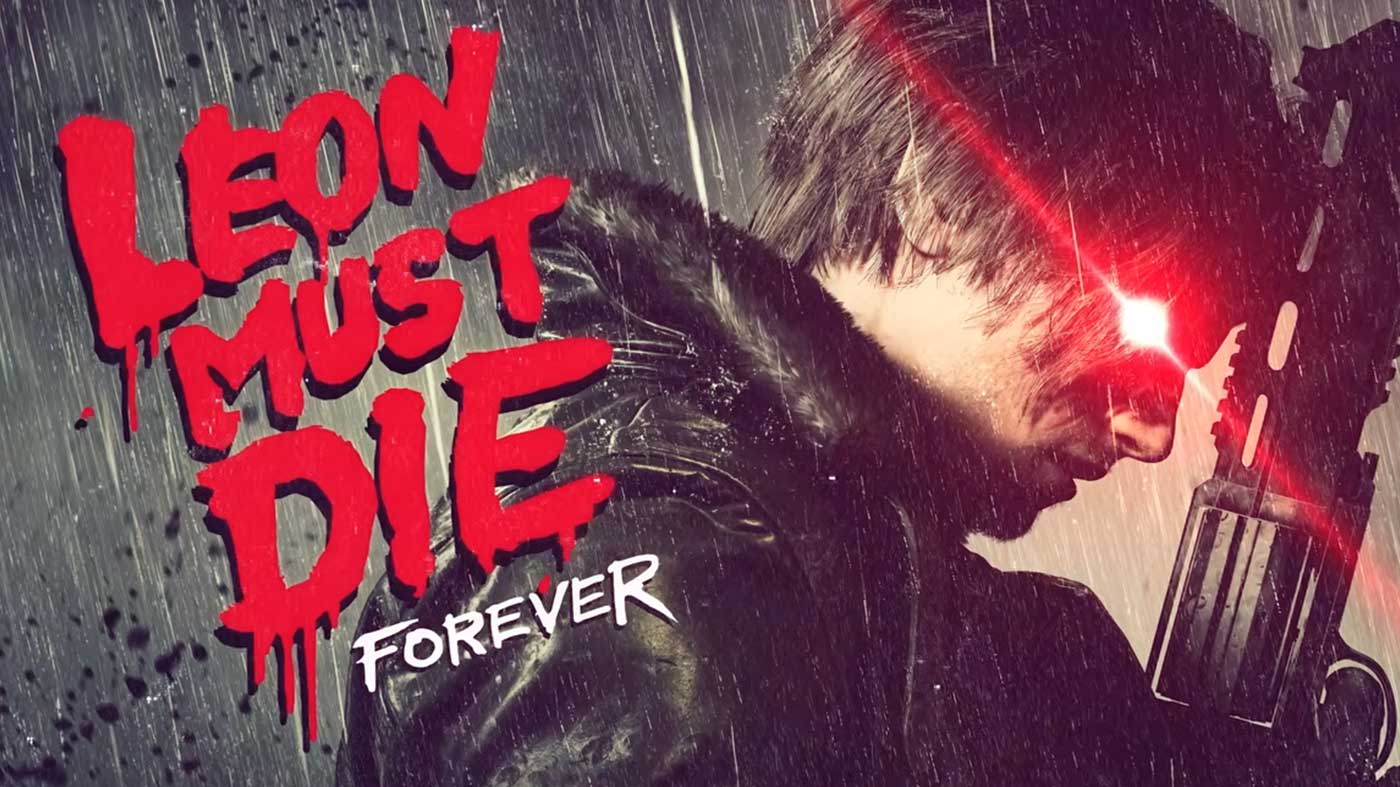
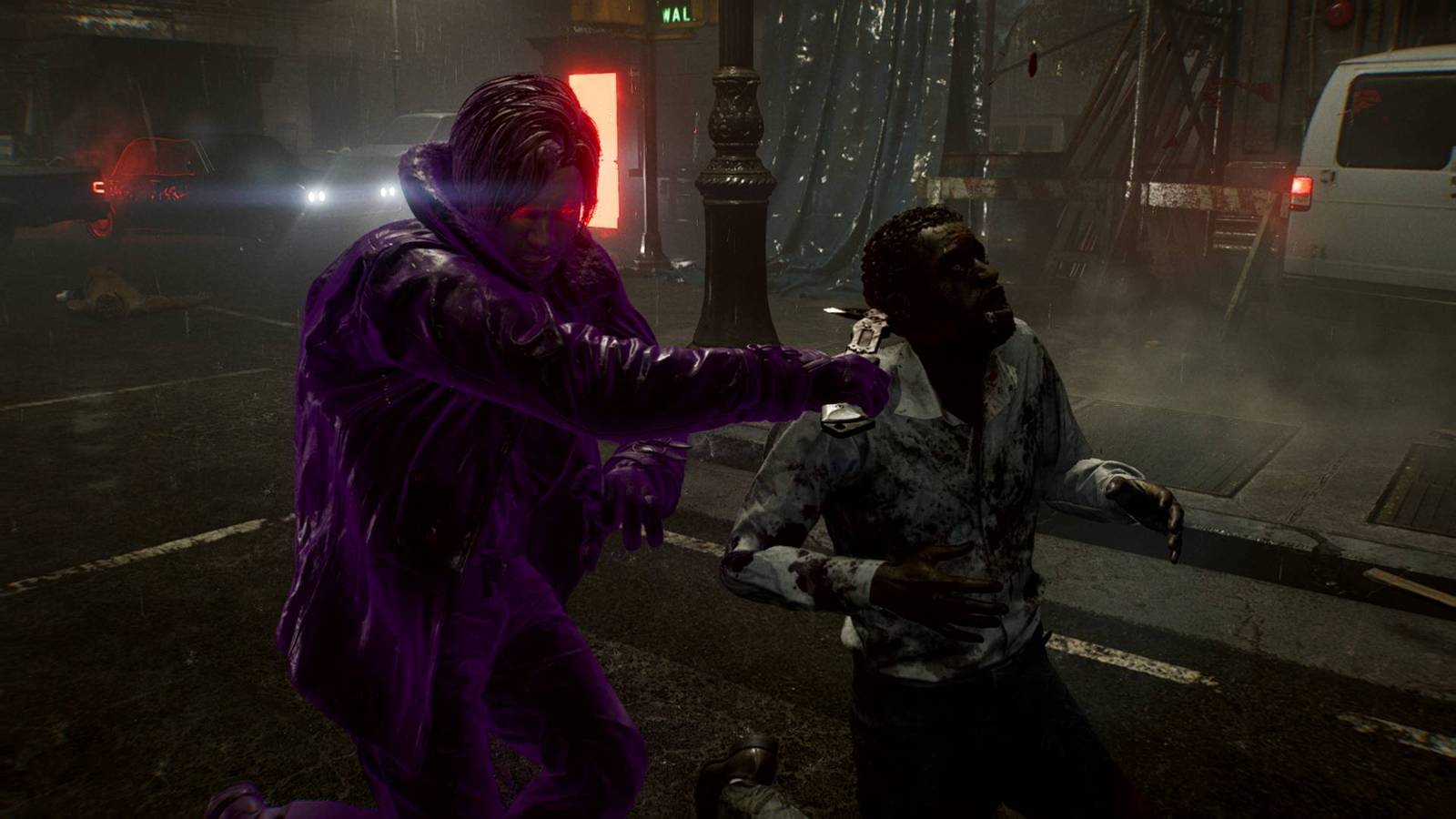
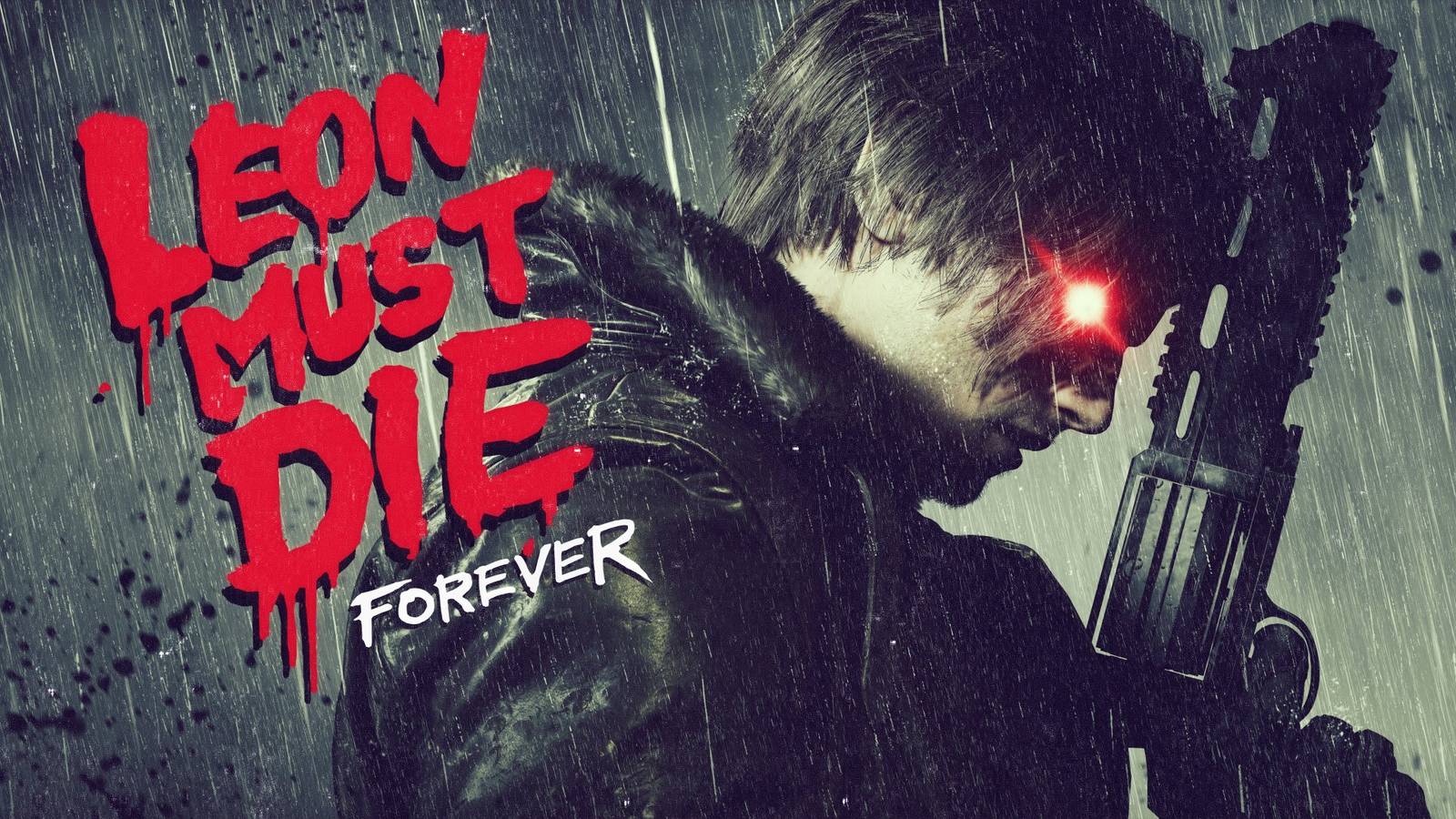
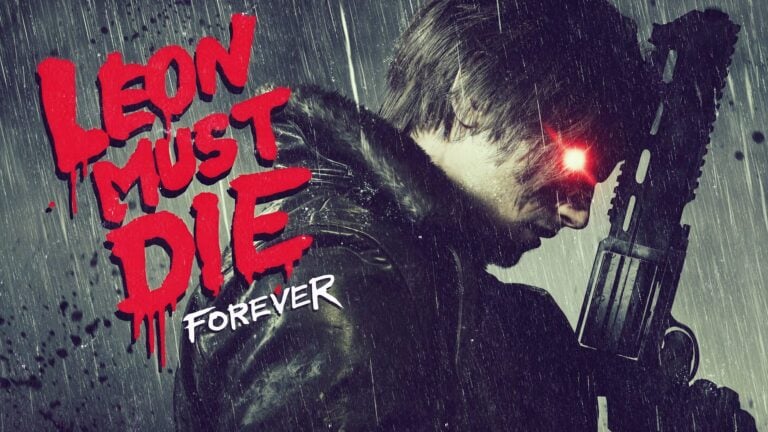
Capcom's Resident Evil Requiem has achieved exceptional commercial performance with 7 million copies sold, prompting the company to raise its annual profit forecast—a significant indicator of sustained consumer demand in the premium gaming market. The unexpected launch of the "Leon Must Die Forever" roguelike minigame, rather than the anticipated Mercenaries multiplayer mode, reveals critical insights into content strategy and consumer expectation management that directly impact merchandise and digital goods sellers.
Market Opportunity & Consumer Behavior Insights: The 7 million unit sales milestone indicates a massive engaged player base actively seeking post-launch content. This creates immediate merchandise opportunities across multiple categories: gaming apparel (Leon S. Kennedy character merchandise), collectibles (limited-edition figures, art books), and digital goods (cosmetics, weapon skins). The roguelike format's permanent death mechanics appeal to hardcore gamers—a demographic with higher average spending on premium merchandise ($150-300 annually per player). Cross-border sellers can capitalize on this by sourcing Resident Evil-themed products from Asian manufacturers and distributing through Amazon, eBay, and Shopify storefronts targeting gaming communities in North America and Europe.
Content Strategy & Expectation Management: Capcom's decision to maintain secrecy around the minigame's details, leading to community speculation about Mercenaries mode, demonstrates sophisticated content release strategy. This "surprise and delight" approach generates organic social media buzz and extends engagement cycles—critical for sustaining merchandise sales velocity. The confirmed major story expansion (featuring Ada Wong and Chris Redfield) signals Capcom's commitment to long-term content roadmap, which historically drives sustained merchandise demand over 12-24 month periods. Sellers should monitor announcement timelines and pre-position inventory ahead of expansion launches, as character reveals typically spike related merchandise sales by 40-60% within 2-week windows.
Platform & Operational Implications: The exclusive availability of Leon Must Die Forever to players who completed the main story creates a tiered engagement model that benefits merchandise sellers. Completionist players represent the highest-value customer segment for premium collectibles and limited-edition products. The game update requirement and narrative continuation mechanics ("Grace made it home safely, but Leon still has work to do") indicate Capcom is building persistent engagement hooks—meaning player communities will remain active and merchandise-receptive for extended periods. IGN's 9/10 rating validates the game's quality, reducing buyer hesitation for related merchandise purchases.
Competitive & Category Dynamics: The roguelike format departure from traditional multiplayer wave-based gameplay signals genre innovation that attracts broader demographics beyond hardcore multiplayer enthusiasts. This expands the addressable market for merchandise—casual players and roguelike fans now represent new customer segments. Sellers should diversify product offerings beyond traditional gaming merchandise to include lifestyle products (hoodies, mugs, accessories) that appeal to this expanded audience. The $2B+ annual gaming merchandise market shows 15-20% annual growth, with licensed horror-gaming products representing the fastest-growing subcategory.
Questions 7
How does Resident Evil Requiem's 7 million sales milestone impact merchandise seller opportunities?
The 7 million unit sales milestone indicates a massive engaged player base with proven purchasing power, creating immediate merchandise opportunities worth an estimated $500M+ across collectibles, apparel, and digital goods categories. Industry data shows premium gaming franchises with 5M+ sales generate 2-3x merchandise revenue compared to the base game itself. Sellers should prioritize Leon S. Kennedy character merchandise, limited-edition collectibles, and gaming apparel targeting the core demographic of 18-35 year old hardcore gamers who spend $150-300 annually on premium merchandise. The Capcom profit forecast increase validates sustained demand, making this an optimal window for inventory investment in Resident Evil-themed products across Amazon, eBay, and Shopify platforms.
What merchandise categories should sellers prioritize based on the roguelike minigame format?
The roguelike format's permanent death mechanics and difficulty-based progression appeal to hardcore gamers and indie game enthusiasts—demographics with 40-60% higher merchandise spending than casual players. Sellers should prioritize: (1) Premium collectibles and limited-edition figures (targeting completionists), (2) Gaming apparel and lifestyle products (hoodies, t-shirts with roguelike-themed designs), (3) Digital cosmetics and weapon skins (high-margin digital goods), and (4) Art books and strategy guides (roguelike players actively seek optimization content). The genre shift from multiplayer wave-based gameplay to single-player roguelike also attracts indie game fans, expanding addressable market beyond traditional Resident Evil audiences. Cross-border sellers can source collectibles from Asian manufacturers at 30-40% lower costs and distribute through Western marketplaces for 200-300% markup.