




Southeast Asian Border Tensions: How Geopolitical Conflict Rewrites Regional Trade Dynamics
- Escalating Thai-Cambodian Military Confrontation Threatens Cross-Border Economic Stability













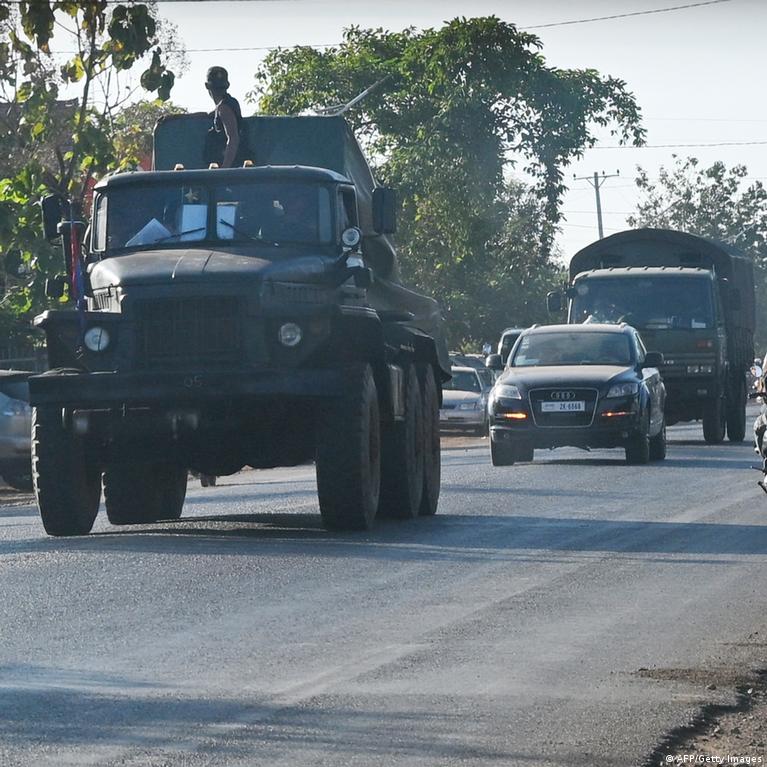
Overview
The ongoing military tensions between Thailand and Cambodia represent more than a localized border dispute—they signal a profound transformation of regional economic interactions with far-reaching implications for cross-border commerce. Since July 2025, what began as a territorial skirmish has escalated into a full-scale conflict that fundamentally challenges the economic integration of Southeast Asia.
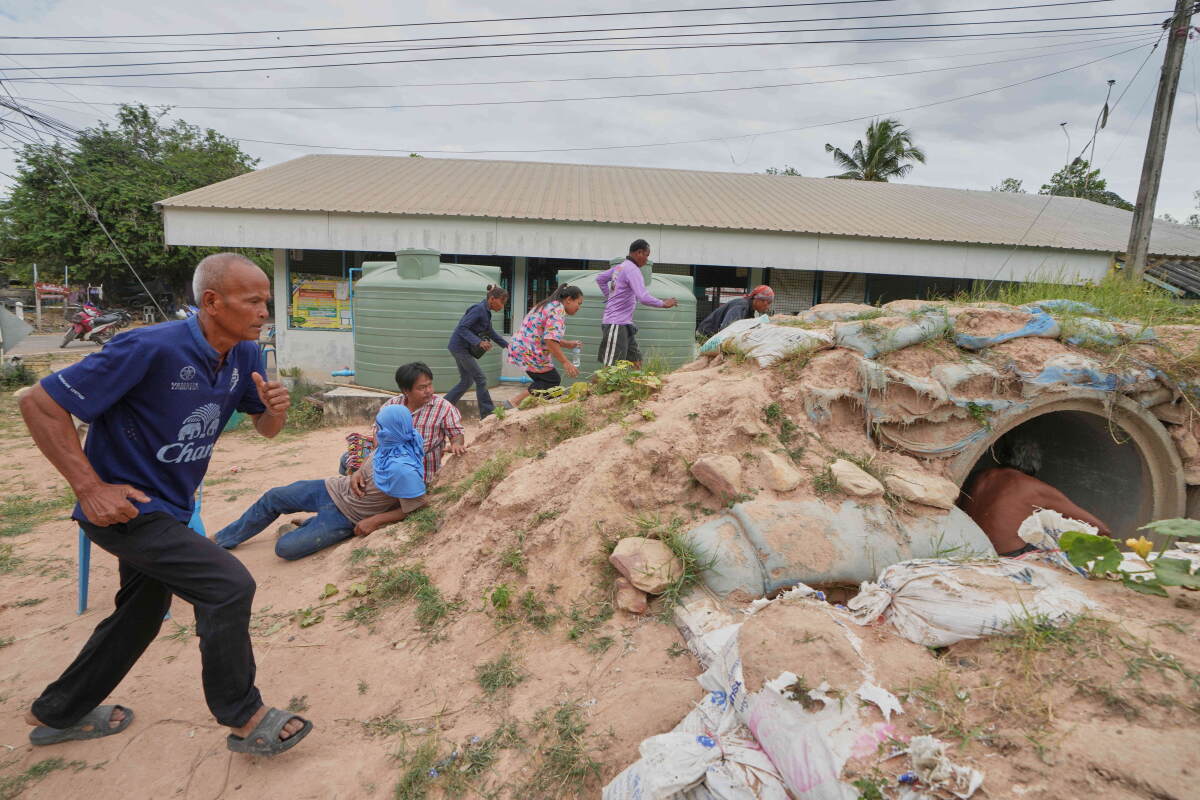
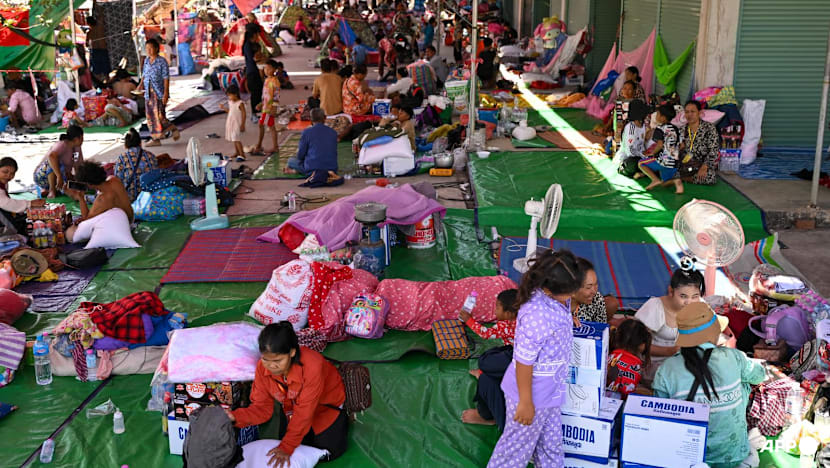
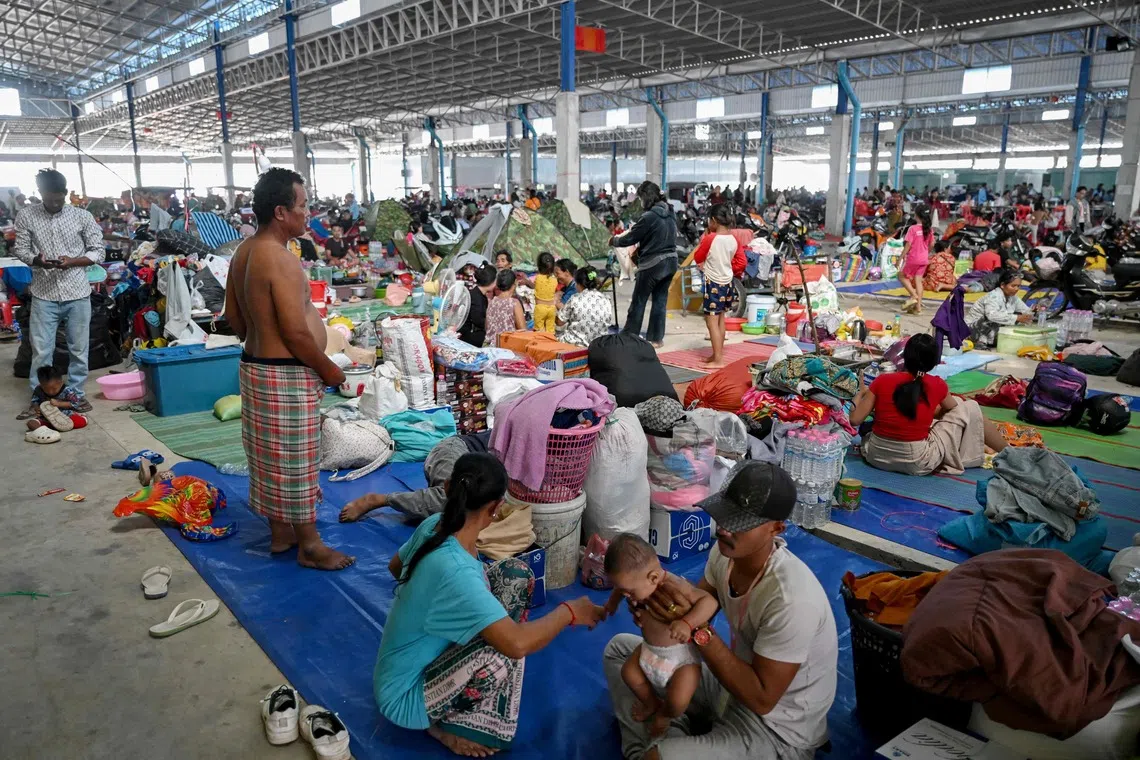
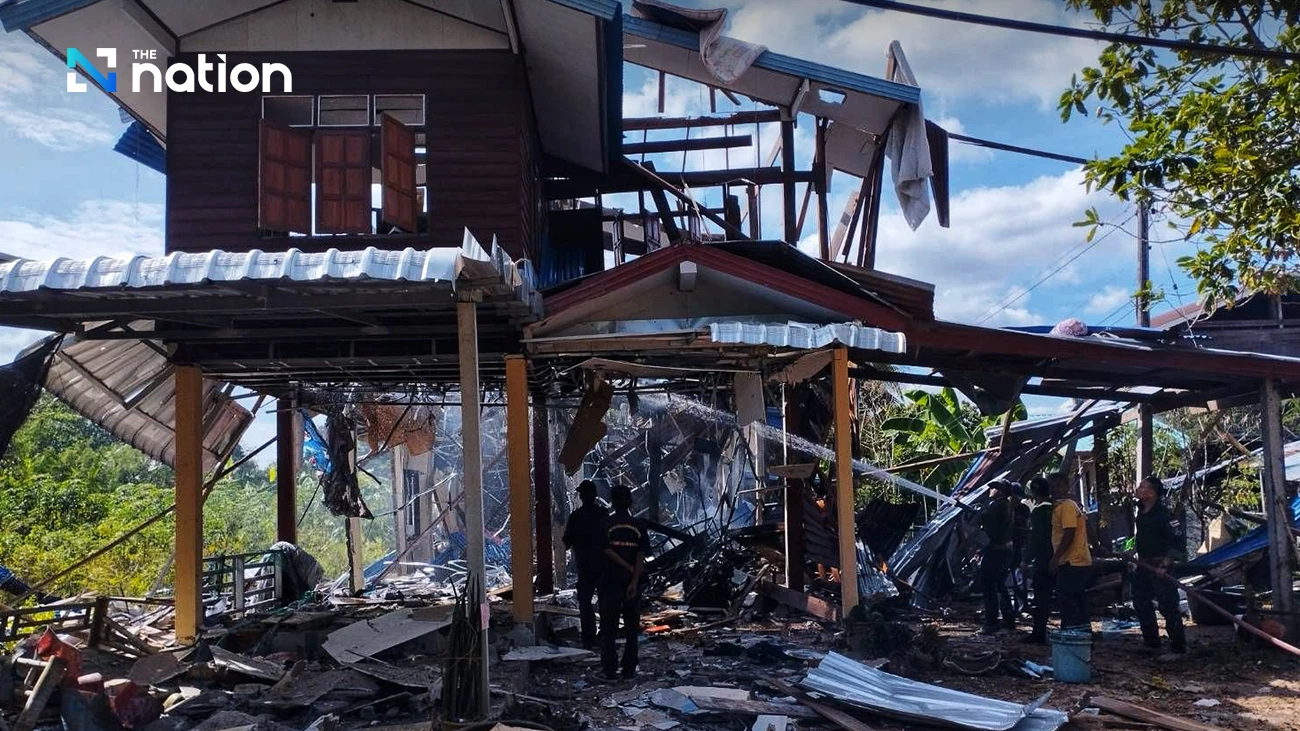
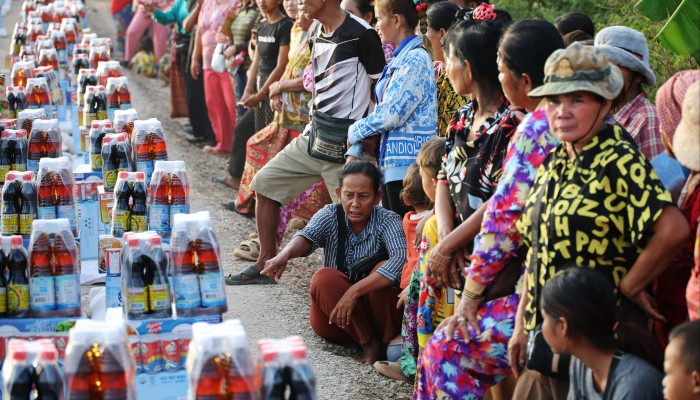
The conflict's economic dimensions are particularly striking. With border crossings suspended, trade routes disrupted, and military operations continuing, the region is experiencing a de facto economic decoupling. The Thai military's offensive in Trat province, which has already displaced over half a million people and resulted in 25 casualties, demonstrates how geopolitical instability can instantaneously reconfigure economic landscapes.
President Trump's repeated cease-fire attempts, consistently rebuffed by both Thai and Cambodian officials, underscore the depth of regional tensions. The Thai Foreign Minister's explicit statement that "there is currently no space for diplomacy" reveals a breakdown of traditional conflict resolution mechanisms. This diplomatic impasse creates an unprecedented level of uncertainty for businesses operating in the region.
For cross-border enterprises, the implications are profound. Supply chain resilience, once taken for granted, now requires sophisticated geopolitical risk management. Companies must develop adaptive strategies that can rapidly reconfigure logistics, sourcing, and market access in response to escalating regional tensions. The conflict exposes the fragility of assumed economic cooperation and demands a more nuanced approach to regional business strategy.
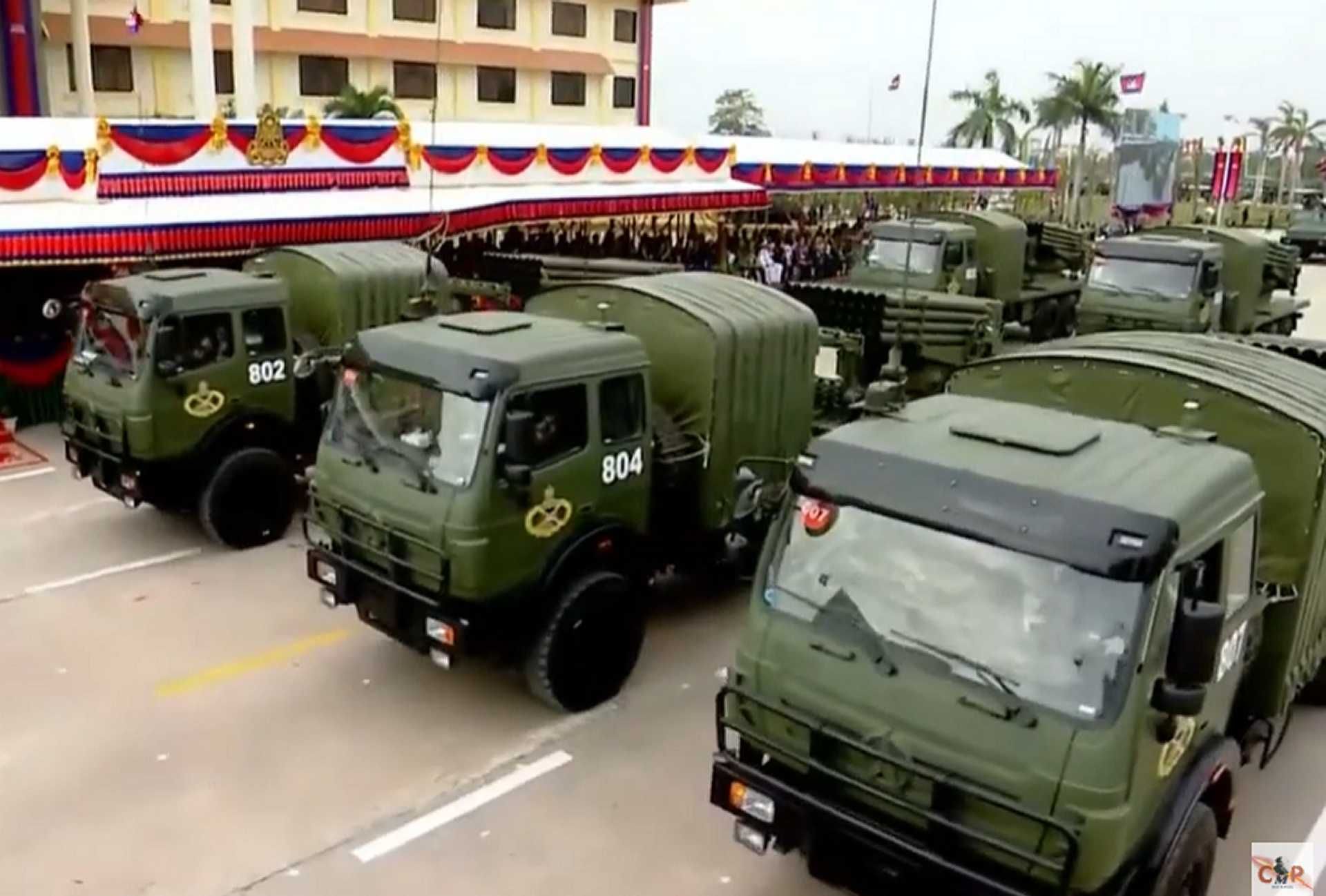
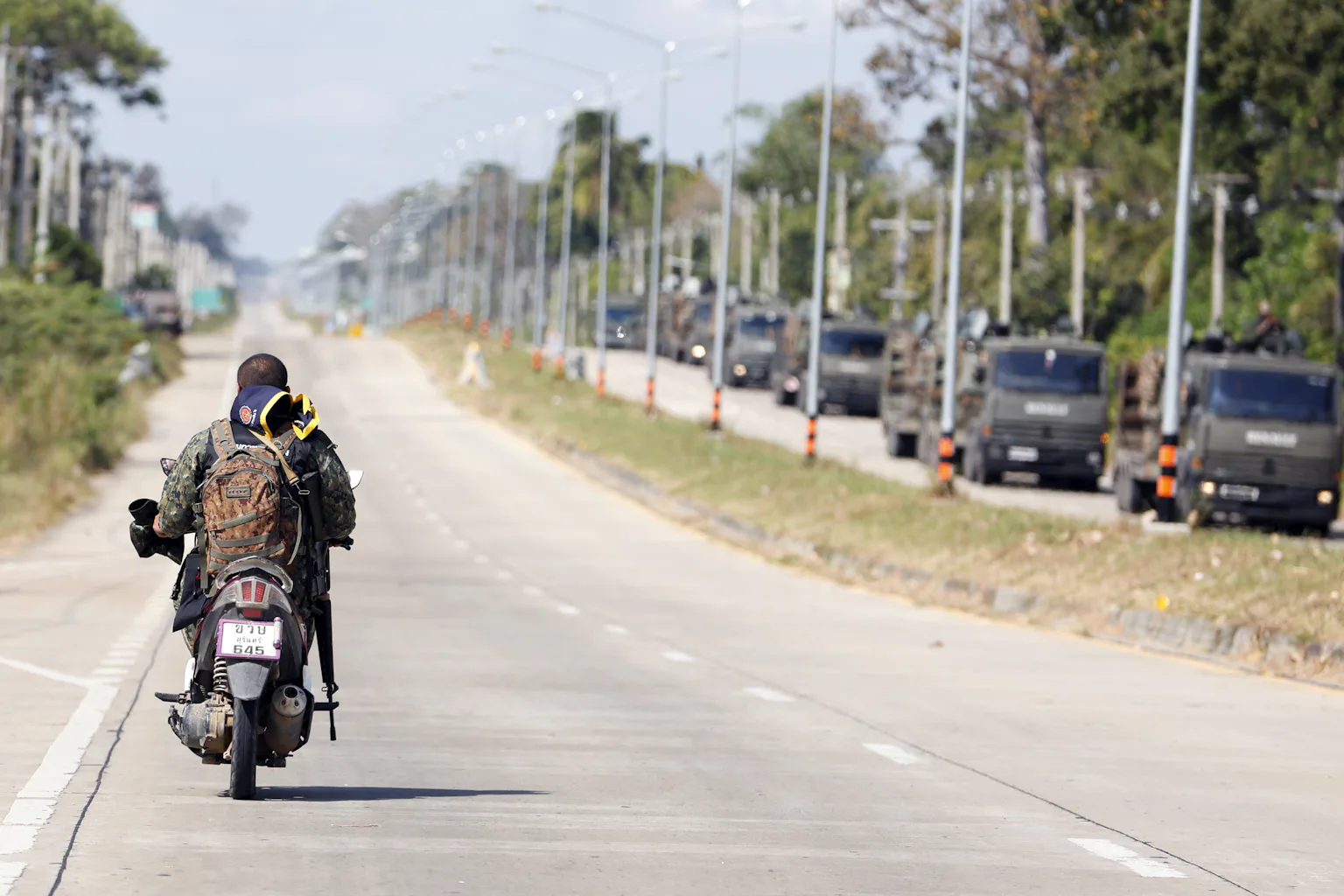
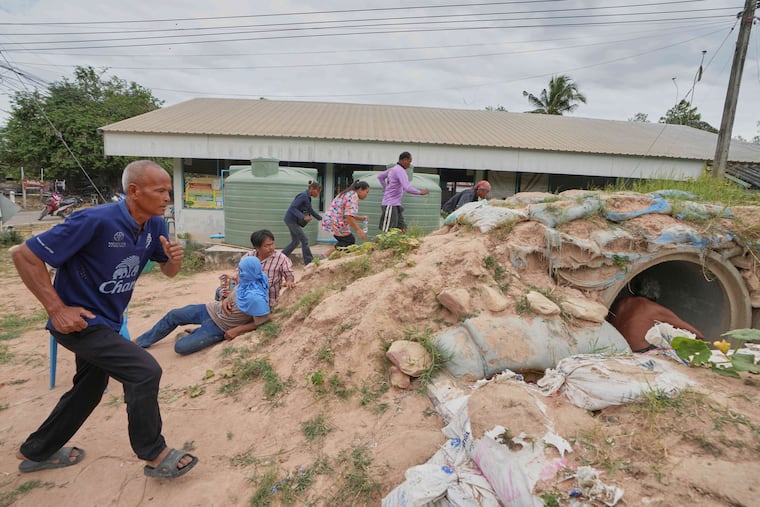
The human and economic costs are substantial. With continuous military exchanges, including Thai F-16 strikes and artillery bombardments targeting border villages, the conflict has transformed from a territorial dispute into a systemic disruption of regional economic infrastructure. The closure of border crossings, declaration of provincial curfews, and disruption of migrant worker movements create a cascading effect that extends far beyond immediate military confrontations.
Questions 3
How are cross-border businesses impacted by the Thai-Cambodian conflict?
Businesses face significant disruptions including suspended border crossings, potential supply chain rerouting, increased logistics costs, and heightened operational risks. Companies must develop adaptive strategies that can quickly reconfigure sourcing and market access in response to geopolitical tensions.
What are the long-term economic consequences of this ongoing border conflict?
The conflict threatens regional economic integration, potentially fragmenting established trade corridors and forcing businesses to develop more resilient, geographically diversified supply chains. It may accelerate economic decoupling and prompt multinational corporations to reassess their Southeast Asian investment strategies.