






Hungary's Political Shift Reshapes EU E-Commerce Landscape | Sellers Face VAT & Regulatory Overhaul
- Magyar government ends 16-year Orbán rule, triggering EU regulatory realignment affecting 50K+ cross-border sellers in Central Europe with VAT compliance changes and market stabilization opportunities





)
Overview
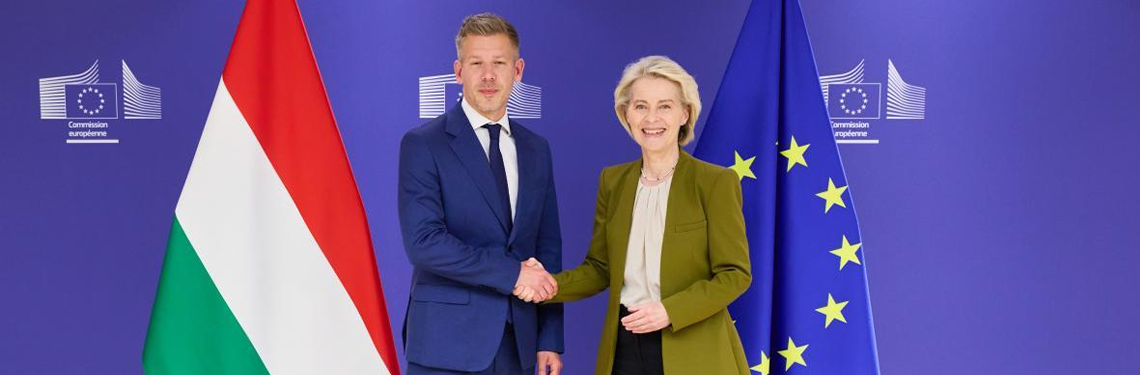
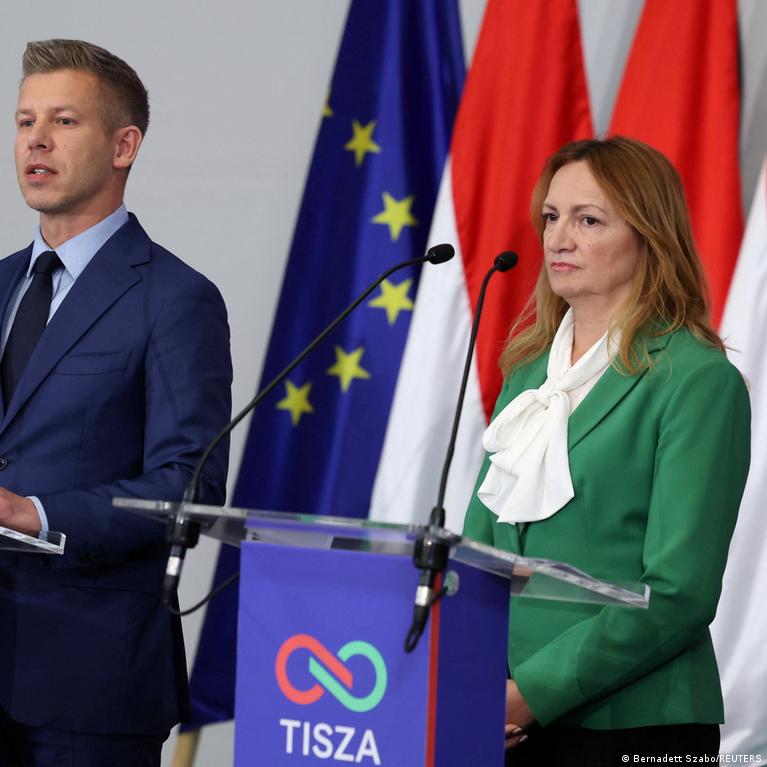
Hungary's political transformation under Péter Magyar's leadership marks a critical inflection point for cross-border e-commerce sellers operating in Central Europe. The landslide electoral victory ending Viktor Orbán's 16-year rule on Saturday signals a fundamental reset of Hungary's relationship with the European Union, directly impacting regulatory frameworks, tax compliance requirements, and market conditions for sellers. This political shift carries immediate implications for VAT compliance harmonization, data protection enforcement, and consumer protection standards across the region.
The Magyar administration's commitment to institutional reforms—including renewed EU integration symbolized by restoring the European flag to parliament's facade—creates a convergence pathway toward standardized e-commerce regulations. For cross-border sellers, this means potential alignment with EU directives on digital services, consumer rights, and tax obligations that have been inconsistently enforced under the previous government. The new government's focus on recovering misused public funds and implementing transparent governance suggests stricter regulatory oversight of business operations, requiring sellers to audit their compliance posture immediately.
Market stabilization opportunities emerge from Hungary's economic pressures. The country faces soaring inflation and rising cost-of-living pressures that contributed to electoral momentum for Magyar—conditions that typically drive increased online shopping adoption as consumers seek value. Hungarian citizens report concerns about deteriorating public services and infrastructure, signaling potential demand shifts toward e-commerce categories addressing these gaps: home improvement products, healthcare supplies, educational materials, and consumer electronics. The survey indicating two-thirds of Hungarians support investigating Orbán-era corruption suggests heightened consumer trust in transparent, compliant businesses—a competitive advantage for sellers with clean regulatory records.
For cross-border sellers, the operational impact unfolds across three dimensions: First, VAT compliance will tighten as the new government aligns with EU standards, requiring sellers to update registration, reporting, and payment procedures by Q1 2025. Second, data protection enforcement will intensify, particularly GDPR compliance for customer information and marketing communications. Third, market access may improve through harmonized regulations, reducing the complexity of operating across Central European jurisdictions. The record female representation (over 25% of lawmakers) and appointment of the first Roma vice-president signal a more inclusive governance model that may prioritize consumer protection and fair business practices—benefiting ethical sellers while pressuring those with questionable compliance histories.
Sellers should immediately monitor policy announcements from Magyar's administration regarding e-commerce-specific regulations, particularly VAT thresholds, cross-border shipping requirements, and data localization rules. The transition period (next 90-180 days) presents both risk and opportunity: regulatory uncertainty may create short-term market volatility, but the eventual EU alignment will likely reduce long-term compliance costs and expand market access for compliant sellers.
Questions 8
What are the cost implications of VAT compliance changes for sellers operating in Hungary?
VAT compliance costs typically increase 15-25% during regulatory transitions as sellers implement new systems, update documentation, and potentially hire compliance professionals. For a mid-sized seller with €500K annual Hungary revenue, VAT compliance costs could increase from €2,000-3,000 annually to €2,500-4,000. The new government's EU alignment will likely standardize VAT treatment, potentially reducing long-term complexity costs by 10-15% once systems are updated. However, short-term costs include: system updates for new reporting requirements (€500-1,500), compliance audit fees (€1,000-2,500), potential VAT registration amendments (€200-500), and staff training (€300-800). Sellers should budget €2,000-5,000 for compliance transition costs over the next 6 months. The investment is justified by reduced penalty risk (non-compliance penalties range 5-10% of unpaid VAT) and improved market access through EU regulatory alignment. Consider spreading costs across Q1-Q2 2025 to manage cash flow impact.
How will EU regulatory alignment impact shipping and logistics for cross-border sellers?
The restoration of the European flag to parliament's facade symbolizes renewed EU integration, which will likely harmonize Hungary's e-commerce regulations with EU standards for shipping, customs, and consumer protection. This creates smoother trade operations through standardized documentation, reduced customs complexity, and aligned consumer rights enforcement. Currently, Hungary operates under EU rules but with inconsistent enforcement; the new government's EU-focused approach will likely tighten compliance. Sellers should expect: standardized VAT treatment across EU borders, harmonized shipping label requirements, consistent consumer return policies (14-day EU standard), and aligned data protection protocols. The operational benefit is reduced complexity when selling across Central Europe—sellers can use single compliance frameworks rather than managing country-specific variations. However, this also means stricter enforcement of existing EU rules, requiring sellers to audit current practices against EU directives immediately.