



AI-Powered Browser Automation Transforms E-Commerce Operations | 4M Users, 8x Growth
- OpenAI's Codex Chrome extension enables sellers to automate web-based workflows, testing, and CRM operations; 4 million weekly active users represent massive adoption of AI coding assistance for business automation








Overview
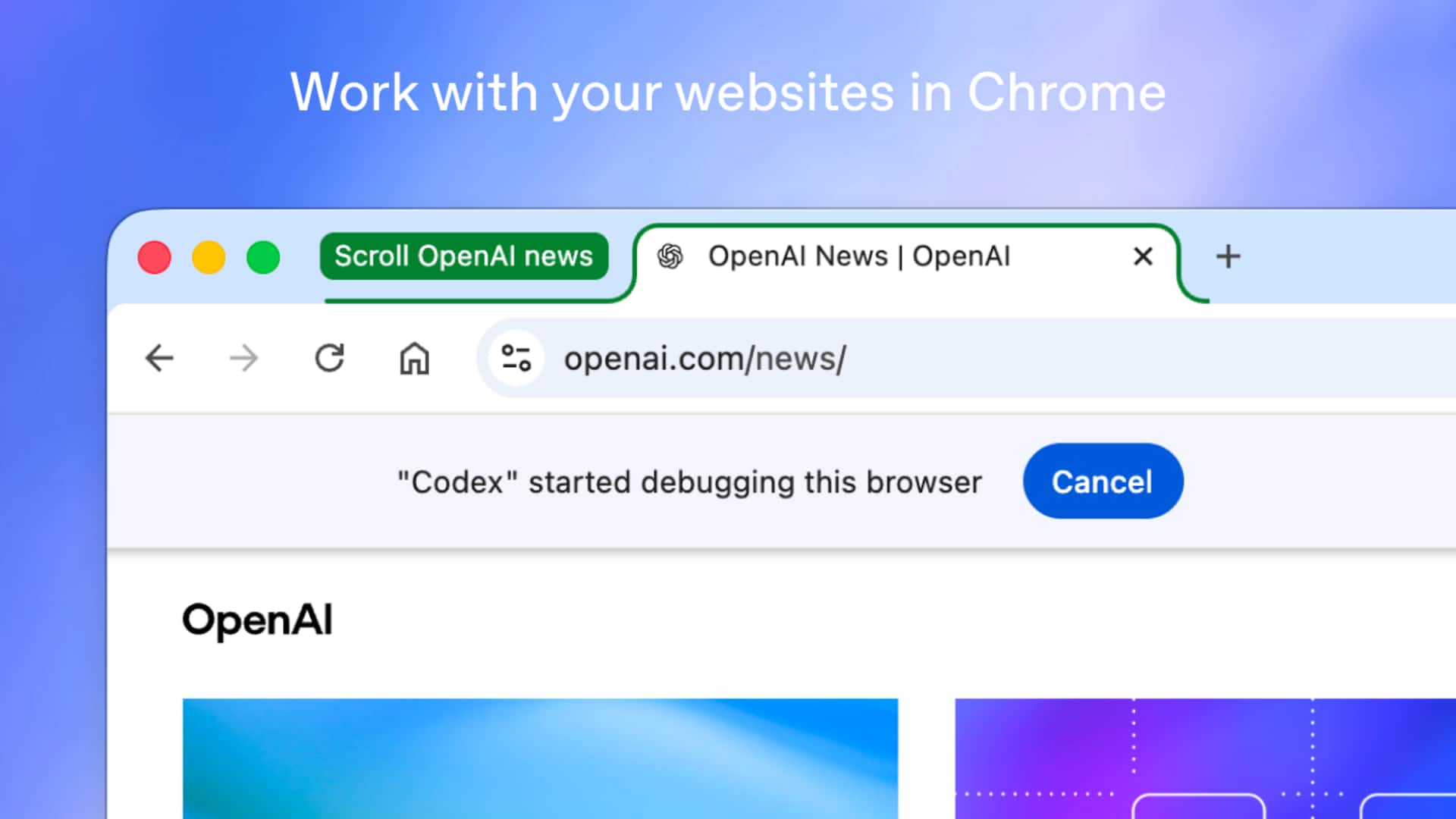
OpenAI's May 8, 2026 launch of the Codex Chrome extension represents a watershed moment for e-commerce sellers seeking to automate repetitive browser-based workflows. With 4 million weekly active users and an 8x growth rate since January 2026, Codex has achieved mainstream adoption as an AI coding assistant. For e-commerce operators, this extension directly addresses critical operational bottlenecks: automated product listing testing, dynamic pricing dashboard management, CRM data entry automation, and inventory synchronization across multiple sales channels.
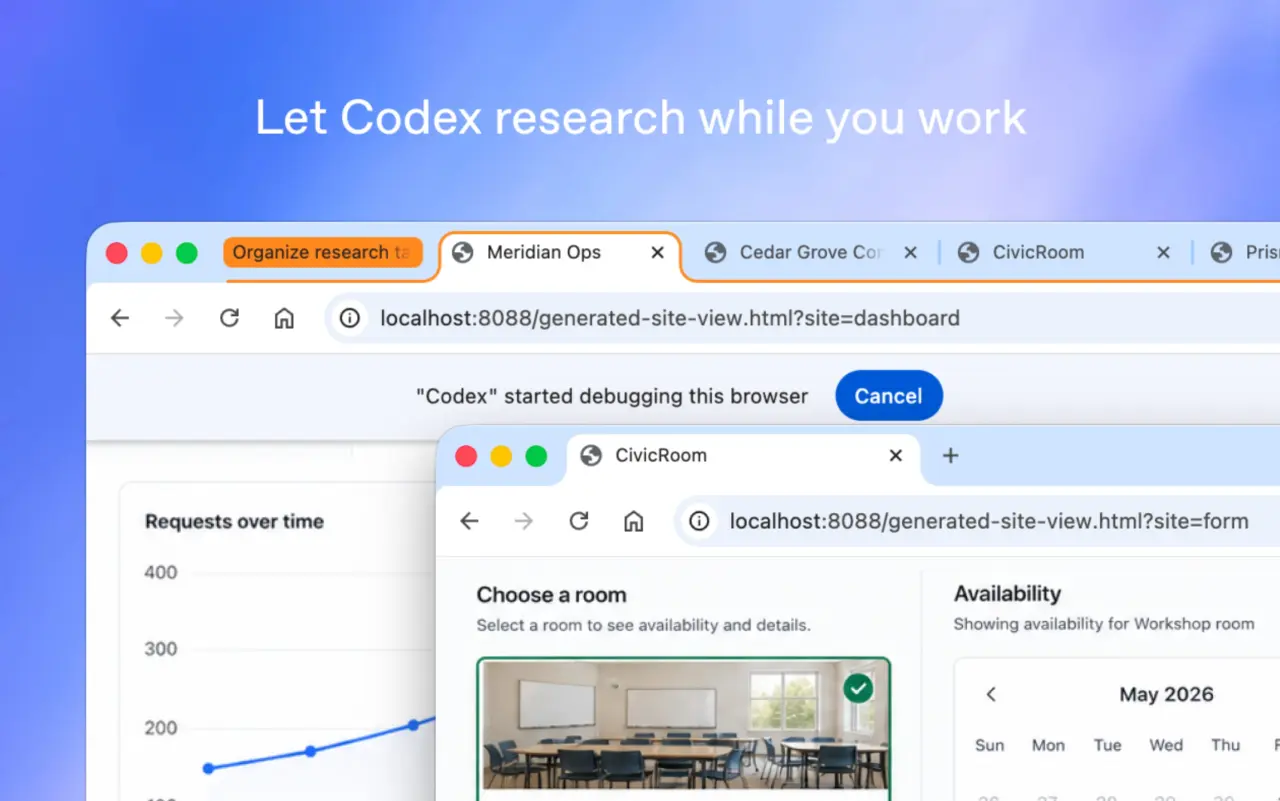
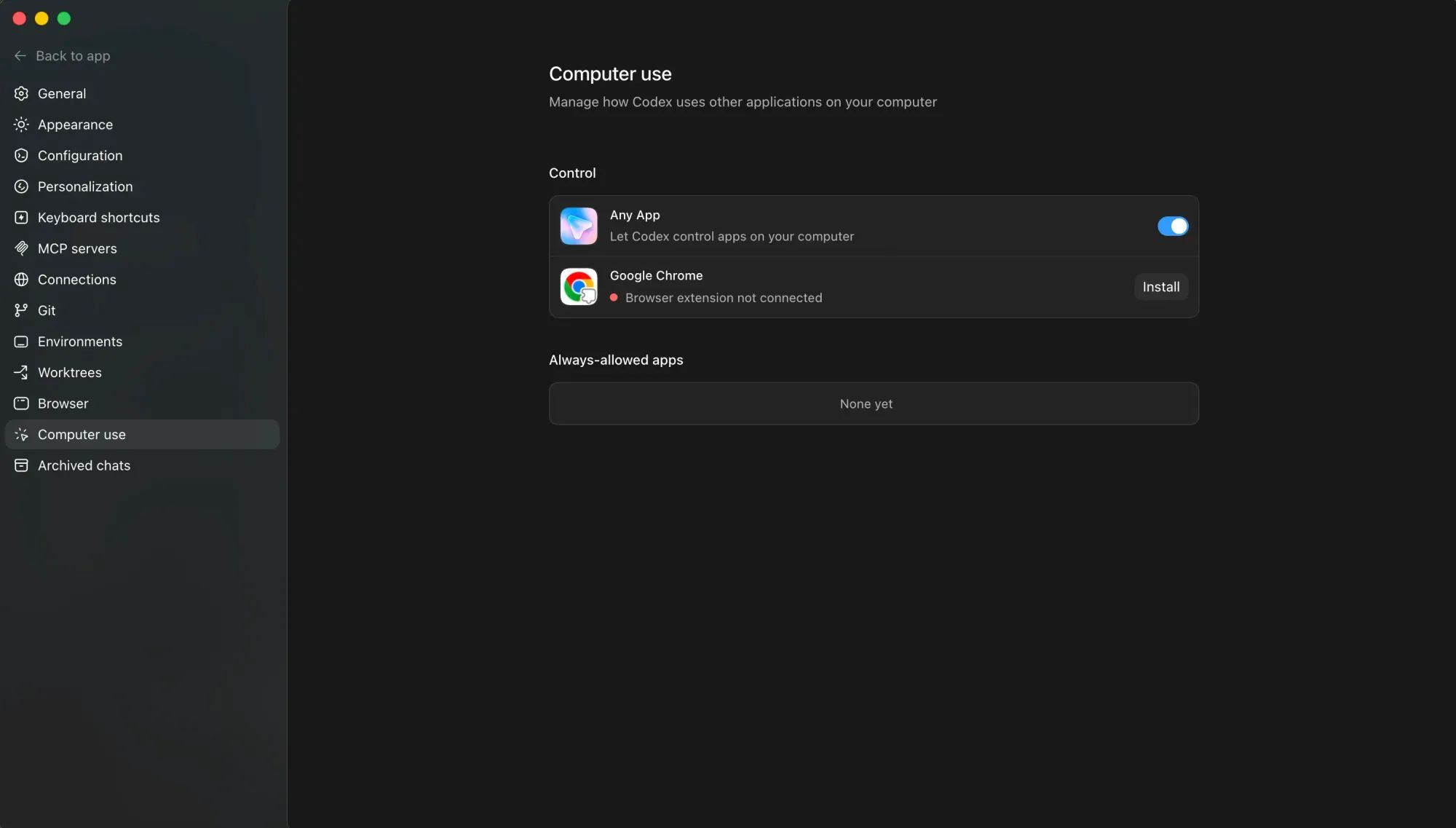
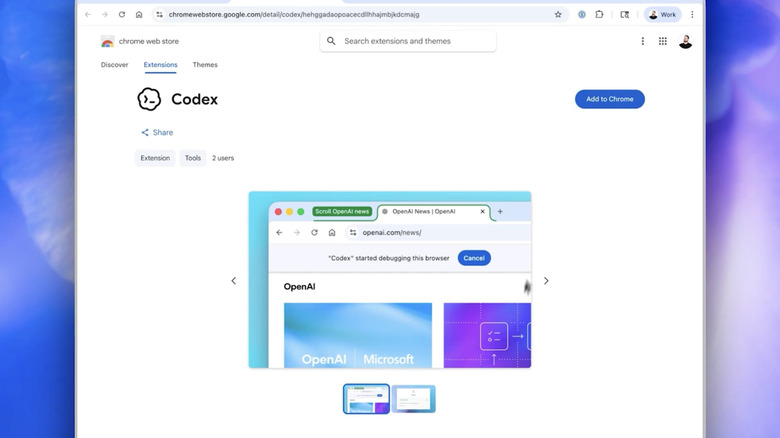
The extension's architecture specifically targets browser-based workflows with live page states and logged-in contexts—precisely the environment where e-commerce sellers operate. Unlike generic AI tools, Codex understands internal tools, company-specific web applications, and business dashboards. This means sellers can now automate tasks that previously required manual intervention: testing product variations across different browsers before launch, automating competitor price monitoring through dashboard scraping, auto-populating customer data in CRM systems, and generating test cases for new checkout flows. The accessibility through the Chrome Web Store to 1.5+ billion users dramatically lowers the barrier to adoption compared to enterprise-only coding tools.
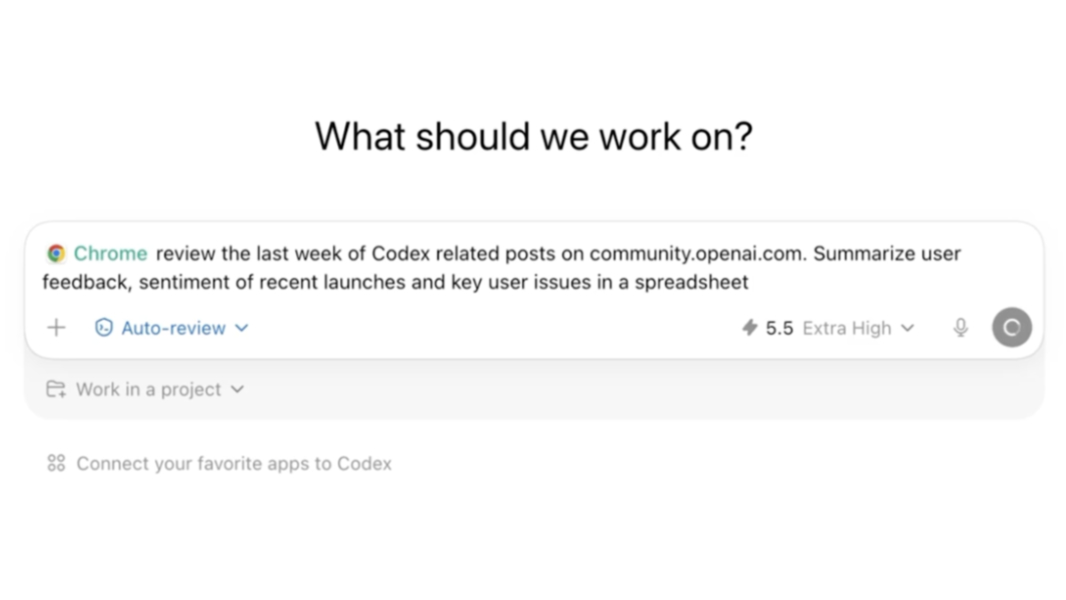
Immediate automation opportunities for sellers: Product research teams can use Codex to automate web scraping of competitor listings, pricing data, and customer reviews across multiple tabs simultaneously—reducing research time from 4-6 hours weekly to 30-45 minutes. Customer service teams can automate ticket categorization and response drafting by having Codex analyze support dashboards and generate contextual replies. Inventory managers can automate stock level monitoring across Amazon Seller Central, eBay, Shopify, and 3PL dashboards, triggering alerts when thresholds are breached. Pricing optimization teams can use Codex to automatically test dynamic pricing rules against historical sales data before deployment.
Data-driven competitive advantage: Sellers adopting Codex immediately gain 8-12 hours weekly of freed-up labor per team member—translating to $400-800 monthly cost savings for mid-sized operations. More critically, Codex enables predictive testing: sellers can automate A/B testing of listing variations, automatically generate performance reports comparing product categories, and identify pricing elasticity patterns that manual analysis would miss. The 8x user growth trajectory indicates rapid enterprise adoption, meaning early-adopting sellers will have a 6-12 month window before competitors catch up.
AI product gaps and opportunities: While Codex excels at browser automation, no integrated solution yet exists that combines Codex with real-time inventory management, dynamic pricing engines, and marketplace API orchestration. Sellers need a purpose-built "E-Commerce Automation Suite" that wraps Codex capabilities with Amazon/eBay/Shopify connectors, creating a single interface for cross-channel operations. This represents a $500M+ SaaS opportunity for builders who can package Codex with marketplace integrations.
Questions 8
Which seller segments benefit most from Codex automation—small, mid-market, or enterprise?
Mid-market sellers (50-500 SKUs, $500K-$5M annual revenue) see the highest ROI because they have enough operational complexity to justify automation but lack enterprise-level systems. Small sellers (1-50 SKUs) benefit from labor savings but may lack the technical sophistication to implement advanced automation. Enterprise sellers often have custom systems that Codex cannot easily integrate with. For mid-market sellers, Codex automation can reduce operational overhead by 25-35%, freeing resources for growth activities like new product launches or market expansion. Sellers in high-velocity categories (electronics, fashion, home goods) see faster payback than those in slow-moving categories.
What should sellers do immediately to prepare for Codex adoption?
Immediate actions (0-30 days): (1) Audit current workflows—identify 5-10 repetitive browser-based tasks consuming 2+ hours weekly; (2) Install Codex Chrome extension and test on non-critical tasks (research, reporting); (3) Document current processes to establish baseline metrics for time/cost savings; (4) Review marketplace policies to ensure automation compliance. Strategic actions (1-3 months): (1) Identify high-impact automation opportunities (pricing, inventory, customer service); (2) Implement Codex for 2-3 pilot tasks with human oversight; (3) Measure labor savings and ROI; (4) Scale successful automations across team. Sellers who begin testing now will establish operational advantages before competitors catch up to the 4M+ users already using Codex.