



Belarus Breaks Free: US Diplomatic Maneuver Reshapes Eastern European Geopolitical Chessboard
- Strategic prisoner exchange signals potential realignment of Belarus from Russian influence































Overview
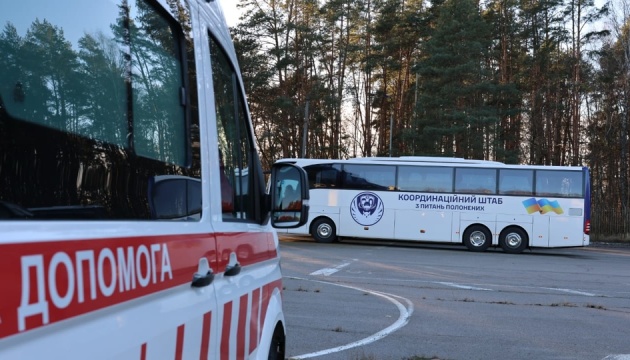
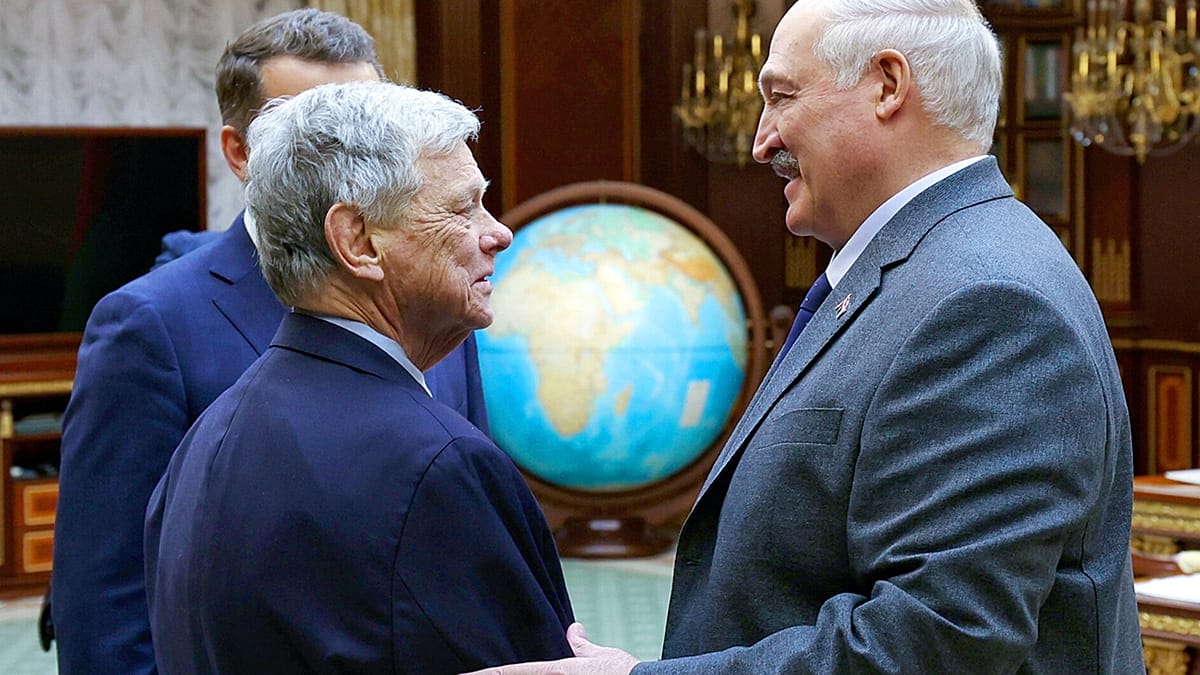
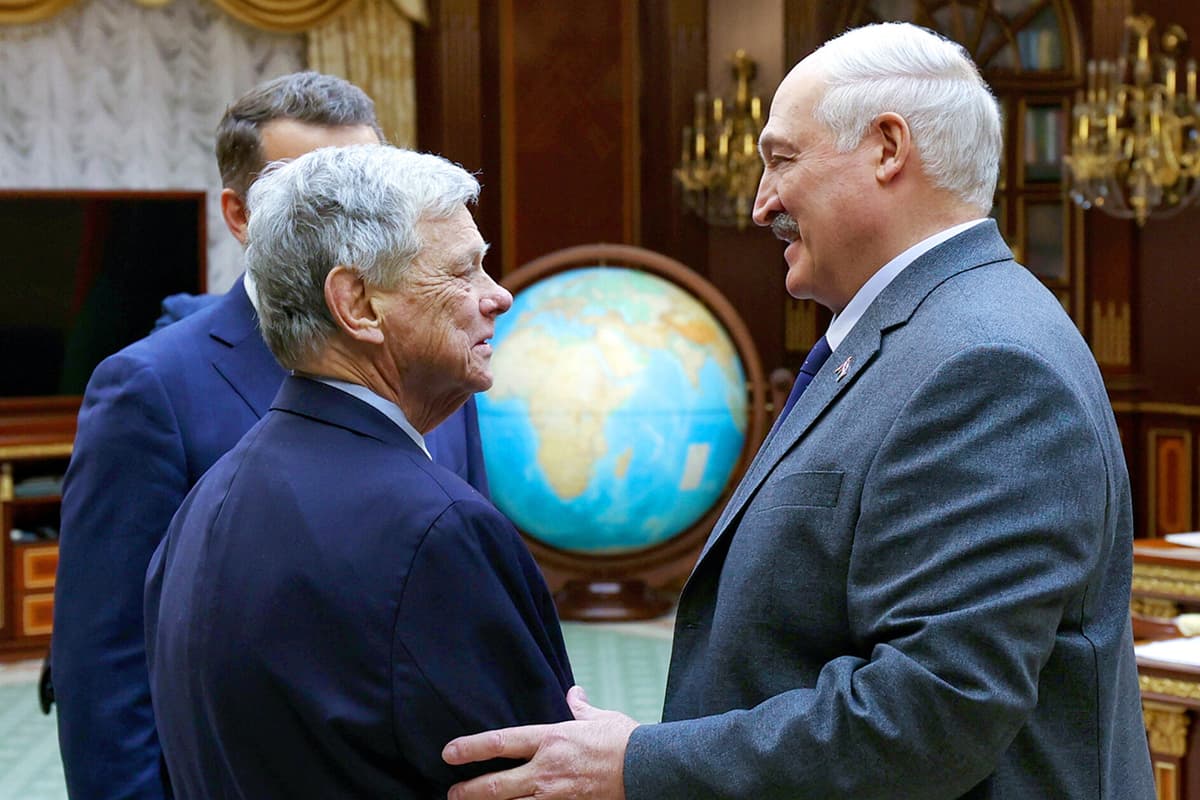
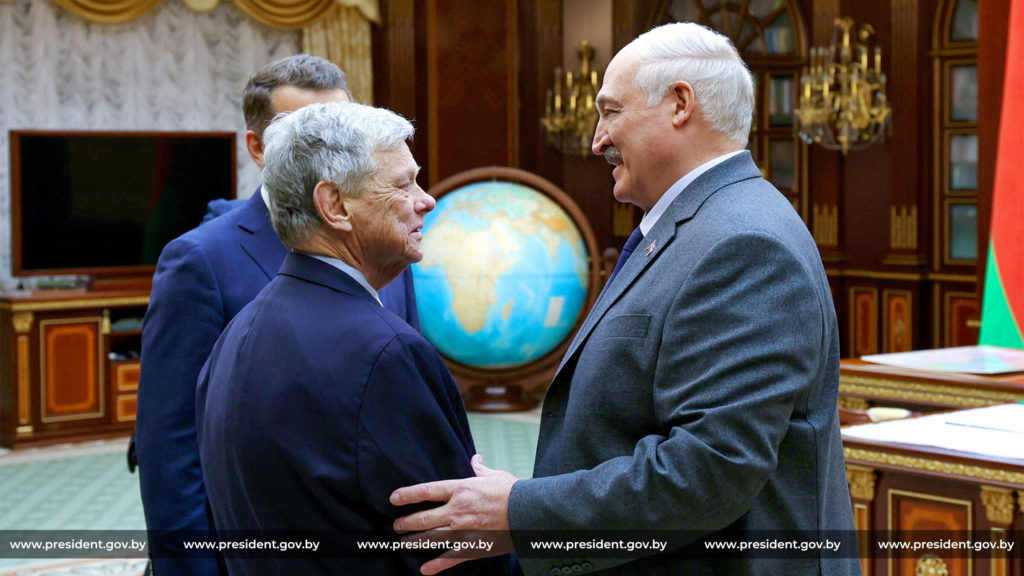
In a nuanced diplomatic breakthrough, the United States has engineered a complex geopolitical recalibration with Belarus that goes far beyond a simple prisoner release. The negotiated exchange—123 political prisoners for lifted potash sanctions—represents a strategic wedge attempting to decouple President Alexander Lukashenko from Vladimir Putin's orbit.
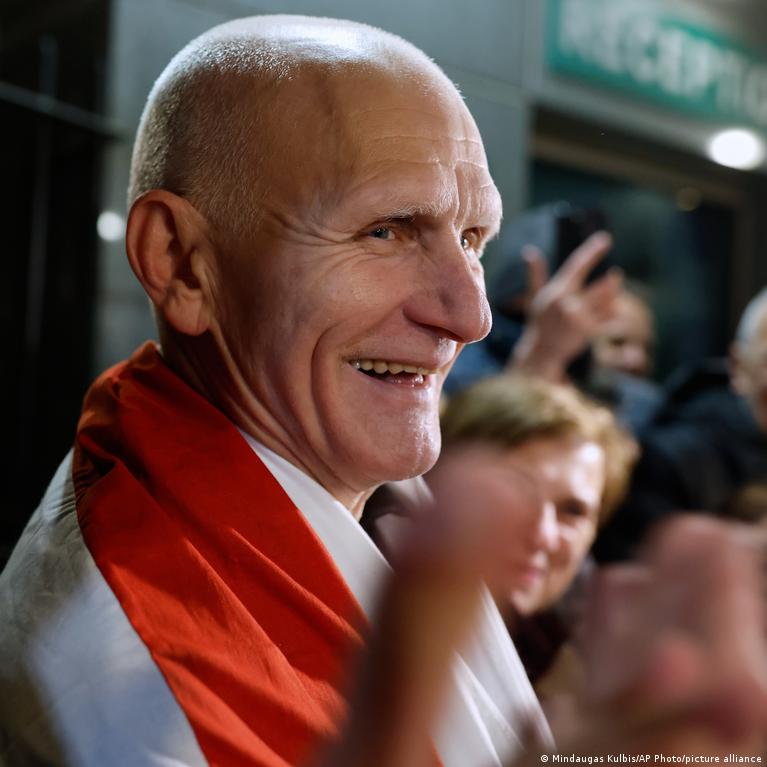
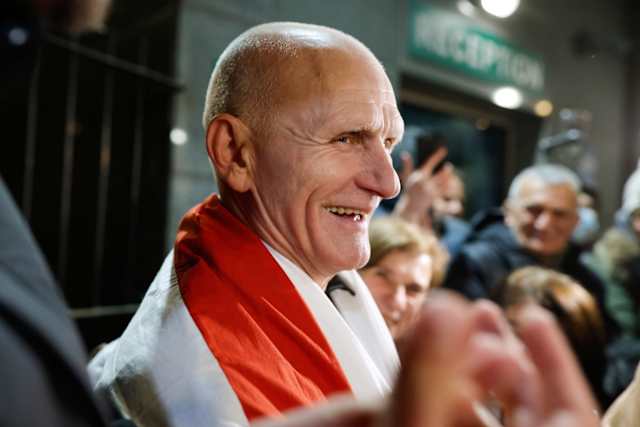
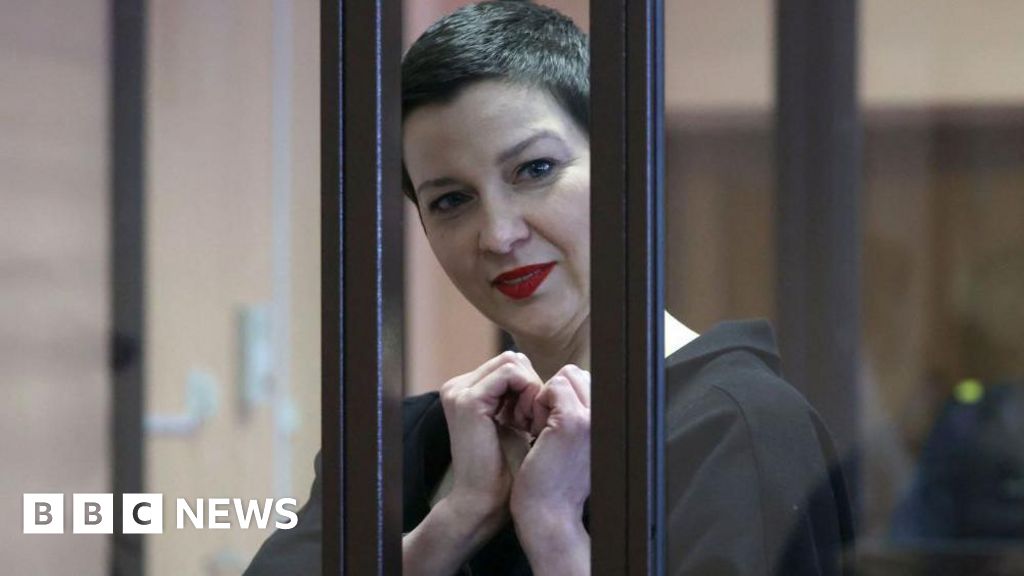
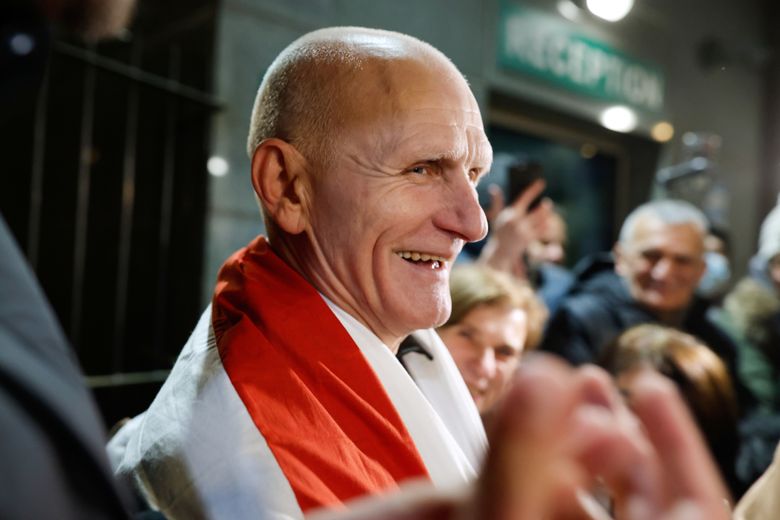
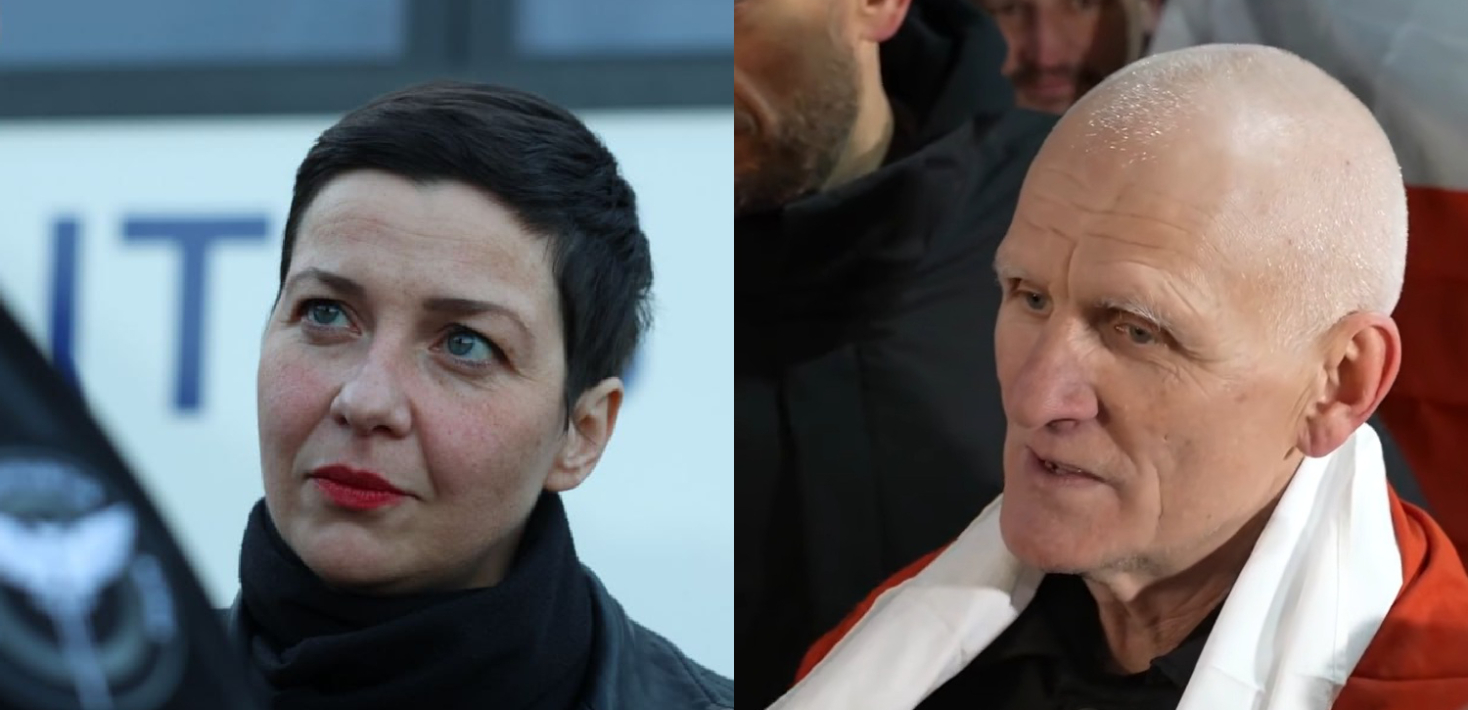
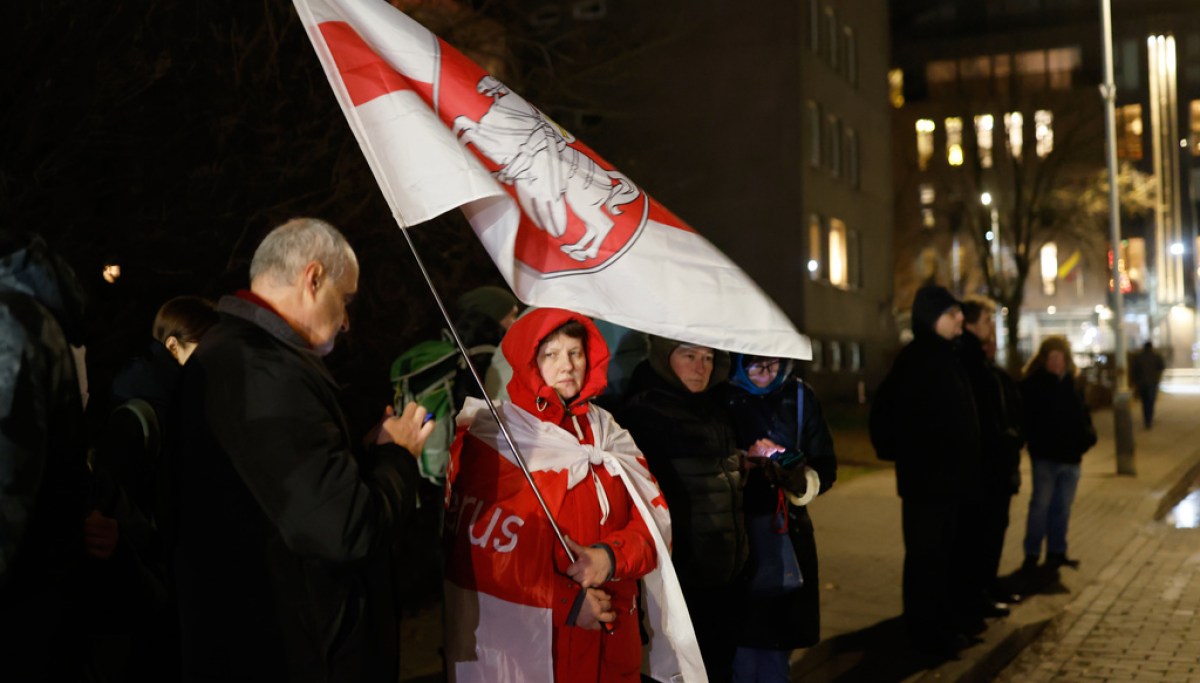
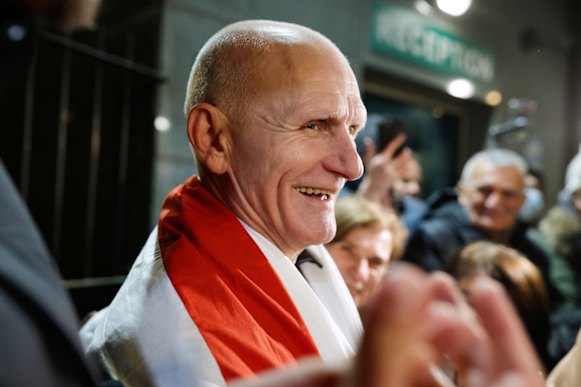
The prisoner release is particularly significant, involving high-profile figures like Nobel Peace Prize winner Ales Bialiatski and opposition leader Maria Kalesnikava, who were detained following the 2020 protests. By facilitating their freedom, the US is simultaneously applying soft power pressure and creating potential diplomatic leverage. US Special Envoy John Coale's negotiations suggest a calculated approach: offering economic incentives while maintaining strategic pressure.
Critically, this move reveals a sophisticated diplomatic strategy. The US is not simply pursuing human rights objectives but attempting to create strategic distance between Belarus and Russia. With 1,227 political prisoners still in Belarusian jails, the current release represents a calculated first step in a potentially longer diplomatic engagement. The exiled Belarusian opposition remains cautiously optimistic, understanding that while this is a positive development, fundamental political changes are still required.
The geopolitical implications are profound. By lifting sanctions on Belarusian potash exports, the US creates an economic incentive for Lukashenko to potentially distance himself from Russia, especially in the context of the ongoing Ukraine conflict. This approach diverges sharply from the European Union's more rigid sanctions regime, presenting a more nuanced diplomatic toolkit.
However, skepticism remains warranted. Opposition leader Sviatlana Tsikhanouskaya has explicitly cautioned against over-interpreting this development, noting that Lukashenko's core policies—particularly his support for Russia's Ukrainian invasion—remain unchanged. The prisoner release, while significant, should be viewed as a tactical diplomatic maneuver rather than a fundamental transformation.
Questions 3
What strategic objectives is the US pursuing with this prisoner release?
The US aims to create diplomatic leverage by offering economic incentives (lifting potash sanctions) while attempting to gradually decouple Belarus from Russia's geopolitical influence. This approach seeks to provide Lukashenko an alternative diplomatic pathway that doesn't entirely alienate him.
How significant is the release of 123 prisoners in the broader context of Belarusian politics?
While symbolically important, the release is just the first step. With 1,227 political prisoners still detained, this represents a tactical diplomatic move rather than a comprehensive political transformation. The Belarusian opposition remains cautiously optimistic but demands continued international pressure.