


Political Earthquake in Hungary: Mass Protests Expose Systemic Child Protection Failures
- Orban's Regime Faces Unprecedented Accountability Challenge Ahead of Critical April Elections












)






















Overview
Political legitimacy in Hungary stands at a critical inflection point, as a massive public uprising reveals deep systemic failures in child protection that threaten Prime Minister Viktor Orban's long-standing political dominance. The unprecedented demonstrations, involving tens of thousands of citizens, represent more than a singular protest—they signal a profound institutional crisis that could fundamentally reshape Hungary's political landscape.
The child abuse scandal in state-run juvenile facilities has become a catalytic moment for public discontent. When a video exposing systematic abuse surfaced, it triggered a cascading series of revelations that struck at the core of governmental accountability. The prosecutor's office has already detained seven individuals connected to the Budapest juvenile center, with investigations uncovering serious criminal activities including potential human trafficking and money laundering.
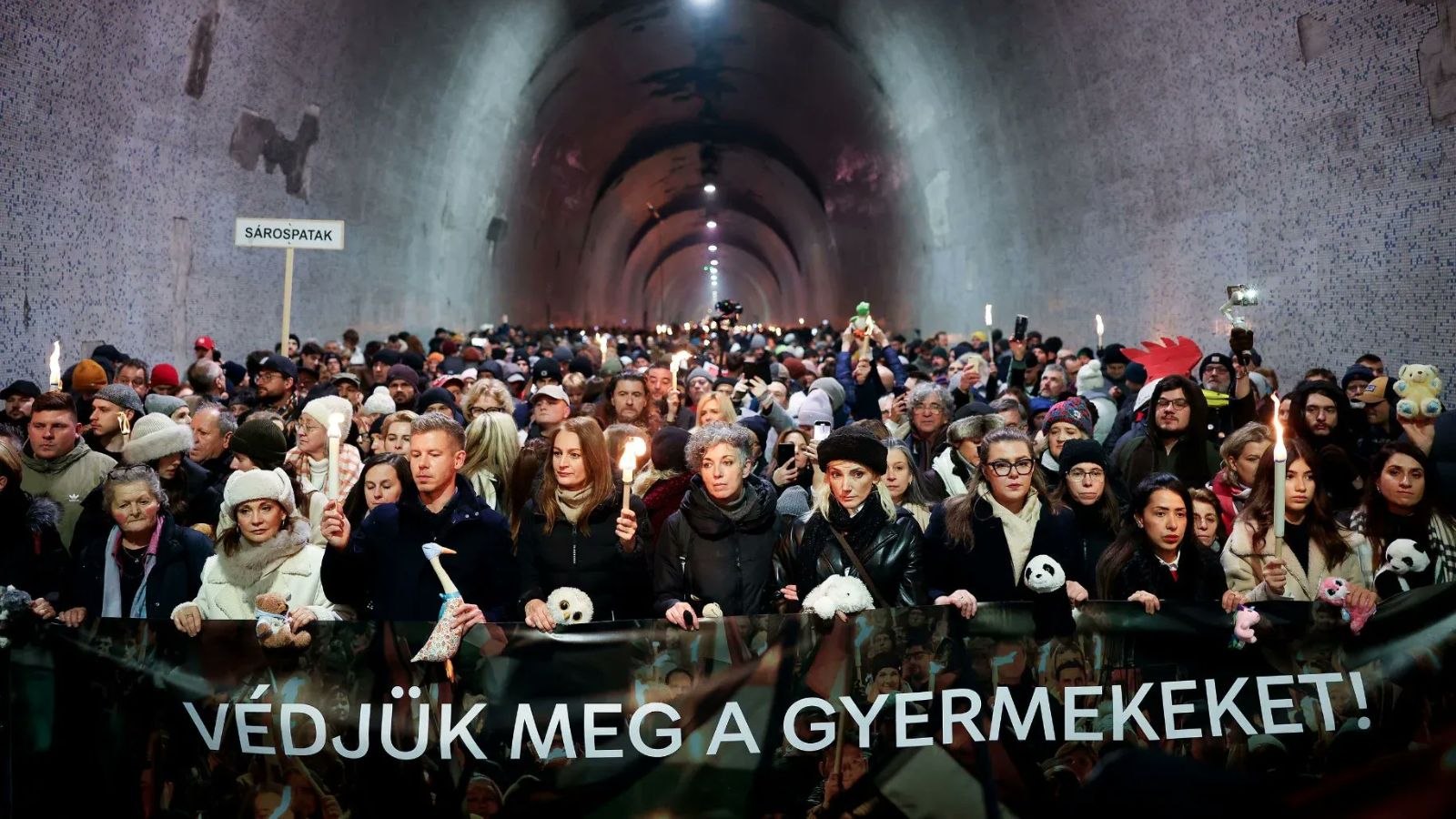
Opposition dynamics are rapidly evolving around this crisis, with Peter Magyar's Tisza party strategically positioning itself as a moral alternative to Orban's administration. By directly calling for Orban's resignation and leading massive demonstrations that drew tens of thousands of protesters, Magyar is transforming the child protection failure into a broader indictment of governmental competence. The timing is strategically crucial—just four months before national elections—making this more than a typical political controversy.
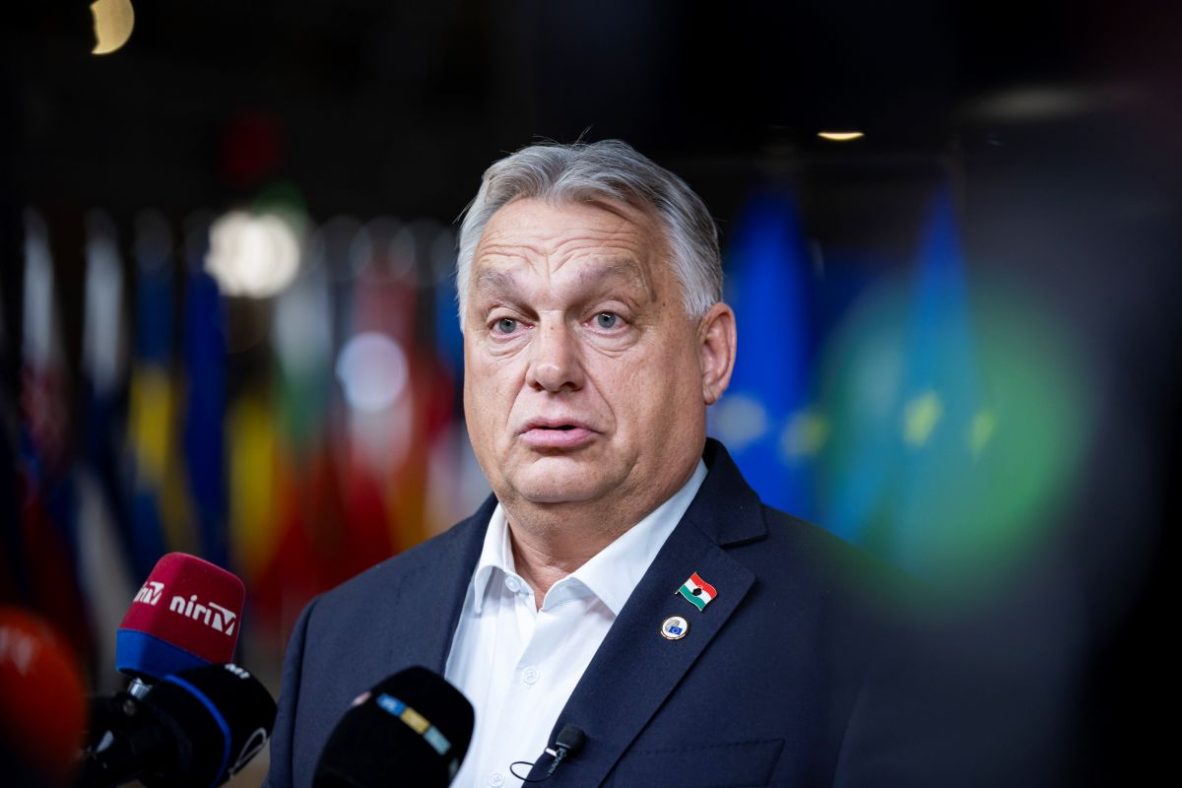
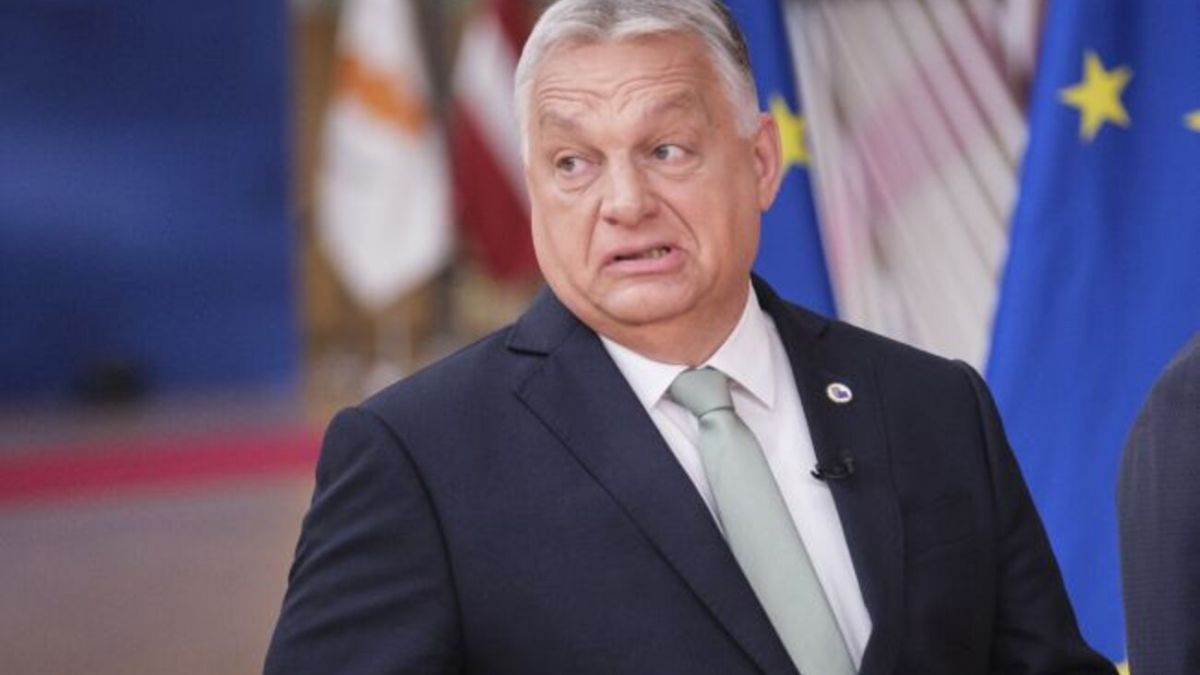
The government's response reveals both vulnerability and defensive positioning. Orban has condemned the abuse as "unacceptable and criminal" while placing Hungary's five juvenile correctional institutions under direct police oversight. However, these actions appear reactive rather than proactive, potentially indicating deeper institutional rot that extends beyond isolated incidents.
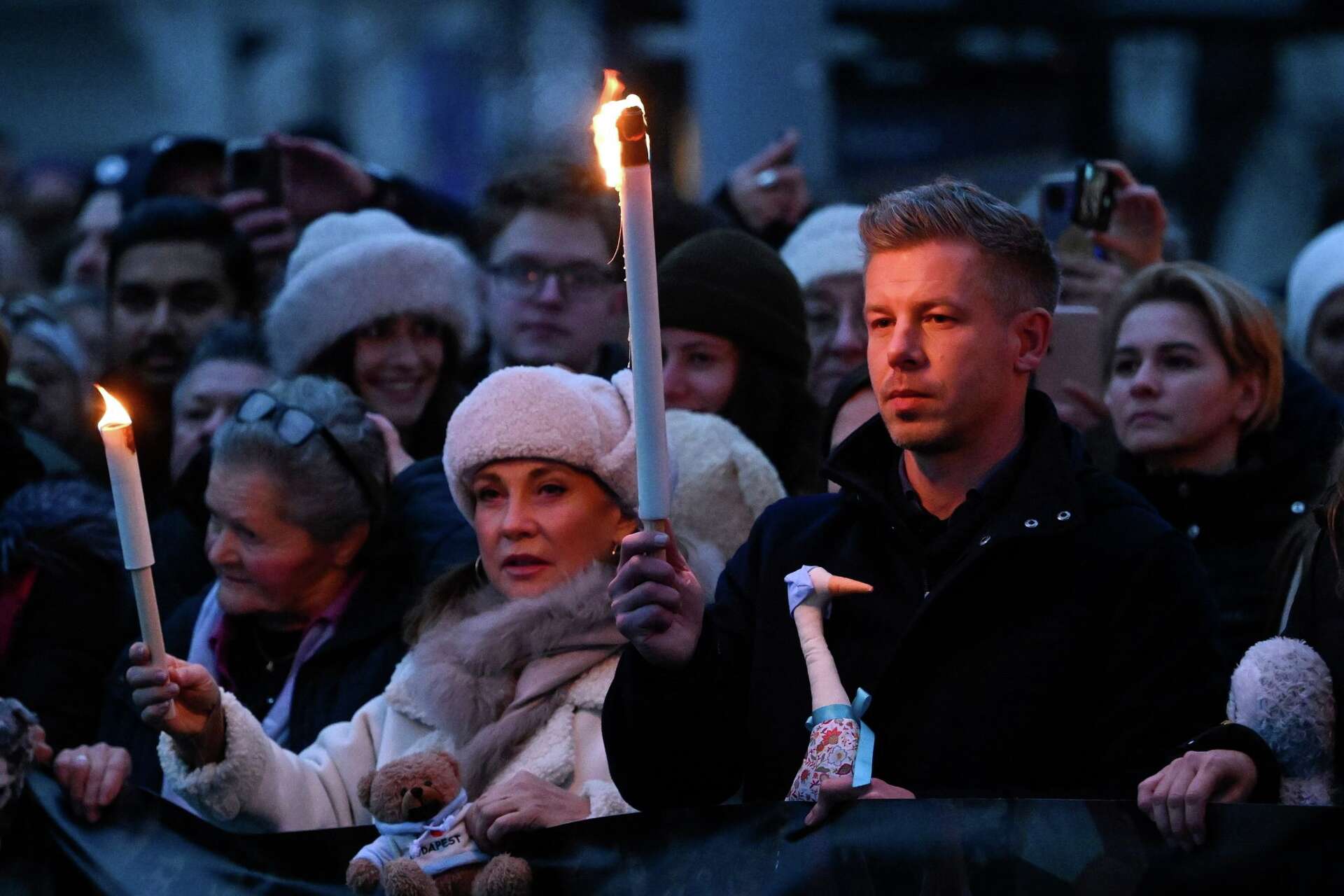
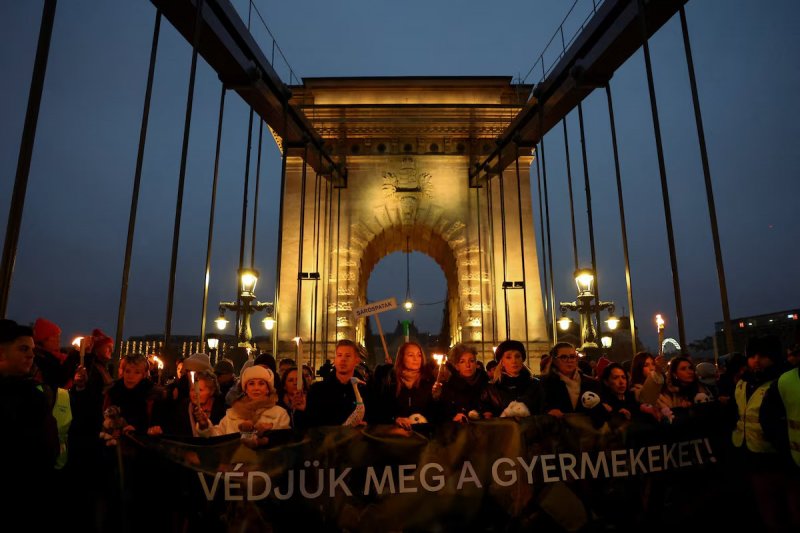
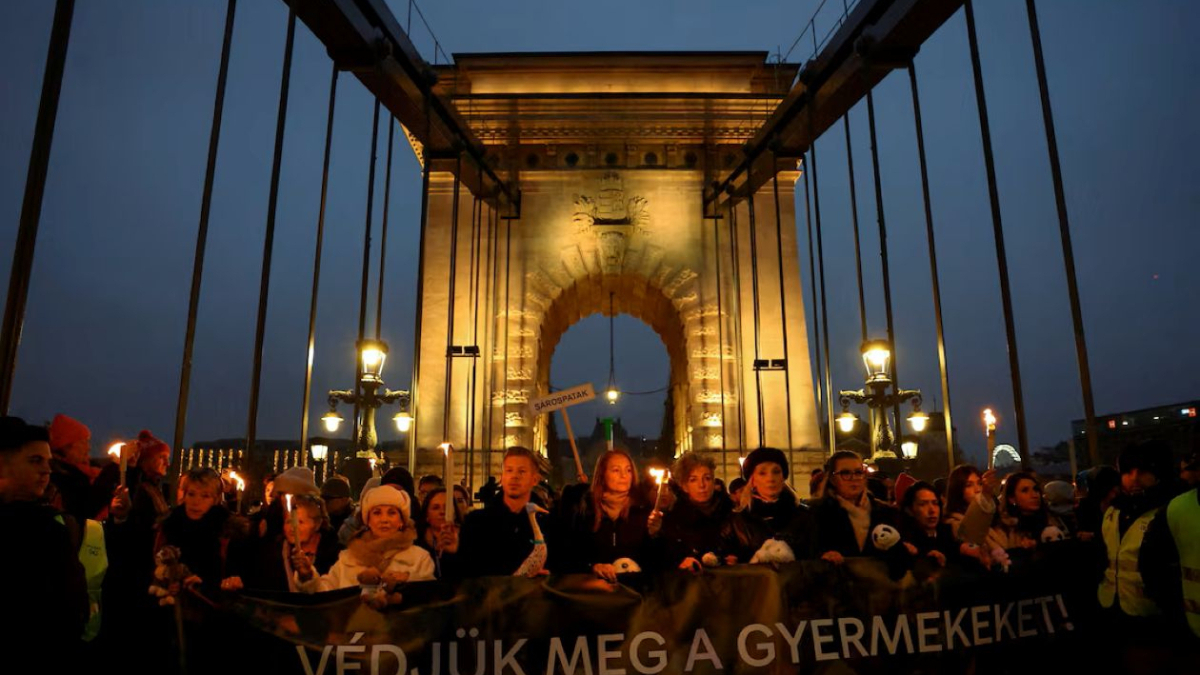
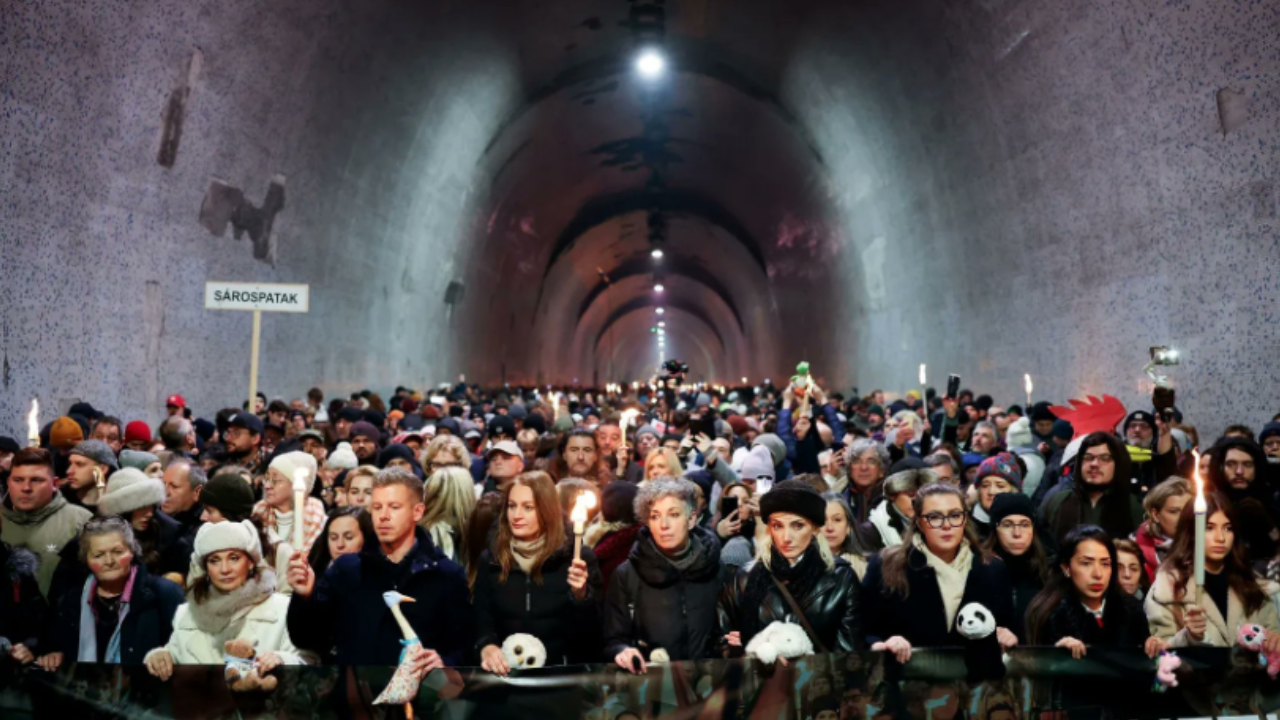
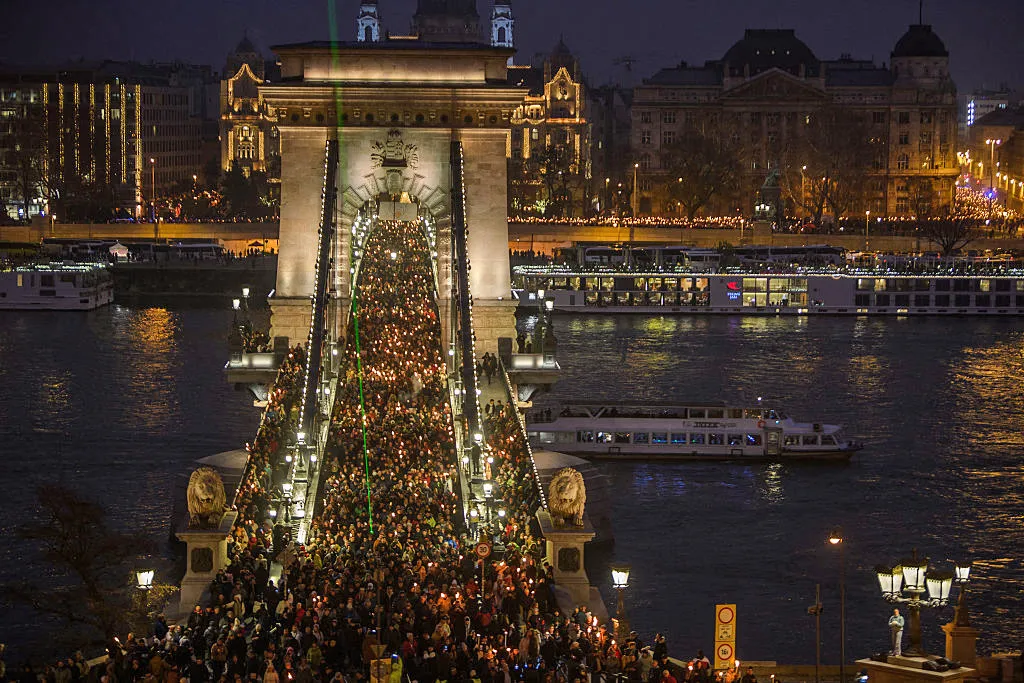
The protest's symbolism is particularly potent: Marchers carrying soft toys and torches, moving from downtown Pest across the Danube to Orban's castle headquarters, created a powerful visual narrative of moral challenge. This is not merely a political protest but a profound societal statement about institutional trust, child welfare, and governmental responsibility.
The implications extend far beyond a single scandal. These demonstrations represent a potential turning point in Hungarian political culture—a moment when systemic failures can no longer be concealed or minimized by traditional political machinery.
Questions 3
What are the potential long-term implications for Hungary's political system?
These protests represent a critical moment of potential systemic transformation. They expose vulnerabilities in state institutions, challenge the current political leadership's credibility, and demonstrate the power of organized social movements to drive political accountability. The outcome could signal a significant shift in Hungary's political culture and governance model.
What specific factors make the child abuse scandal a potential turning point for Orban's government?
The scandal combines multiple critical elements: systemic institutional failure, criminal investigations involving seven detained individuals, potential human trafficking allegations, and timing just four months before national elections. The scale of protests—tens of thousands of citizens—suggests this is more than an isolated incident, but a fundamental challenge to governmental legitimacy.