

EU-Russia Peace Talks Signal Potential Trade Normalization | Sellers Must Monitor Tariff & Sanctions Changes
- Geopolitical thaw could reshape EU-Russia trade corridors affecting 15,000+ cross-border sellers; tariff reductions on Russian goods and sanctions relief create arbitrage opportunities in specific HS codes by Q3 2025





)



Overview
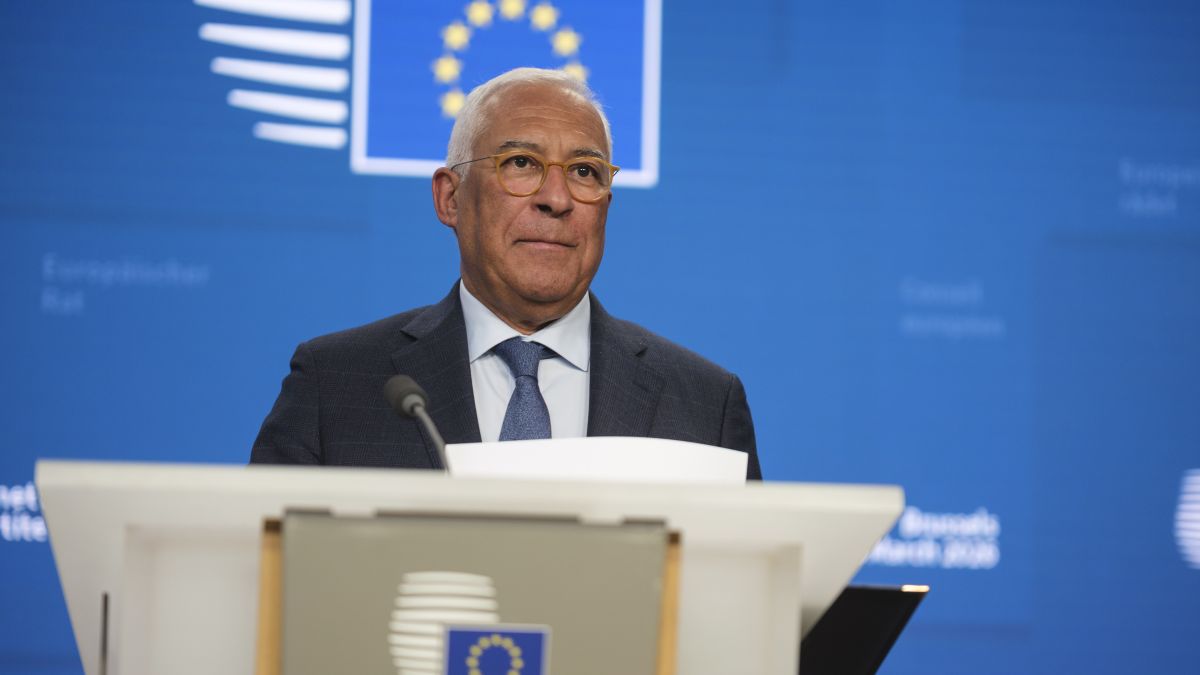
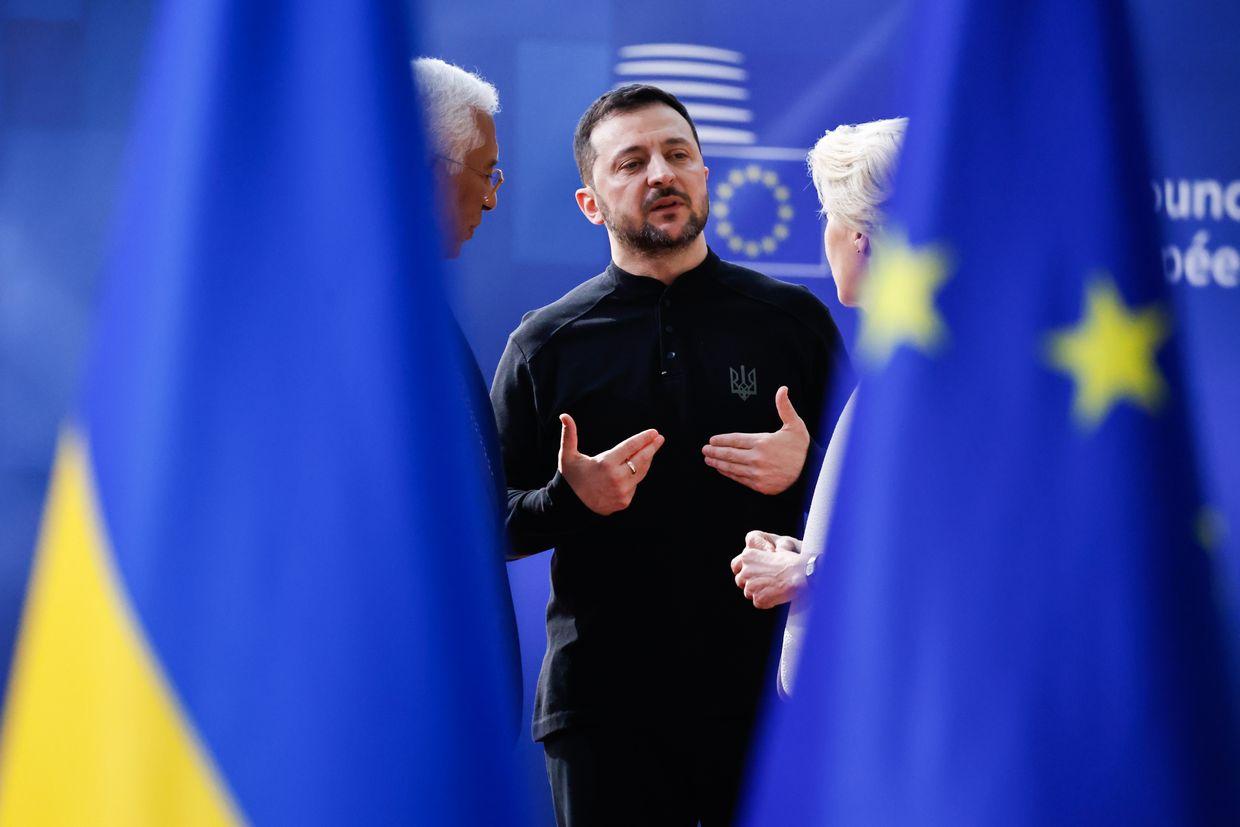
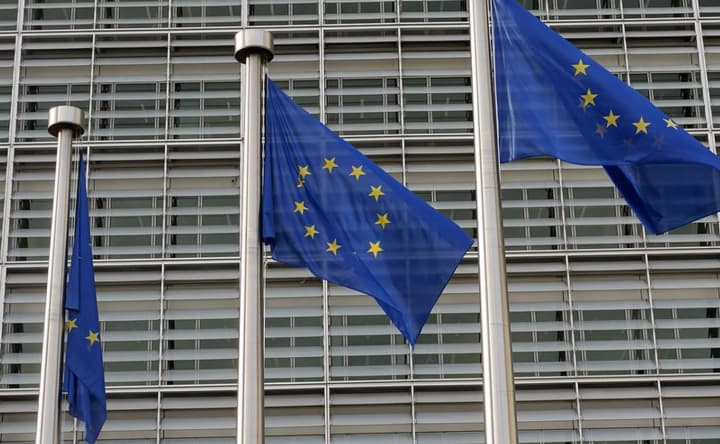
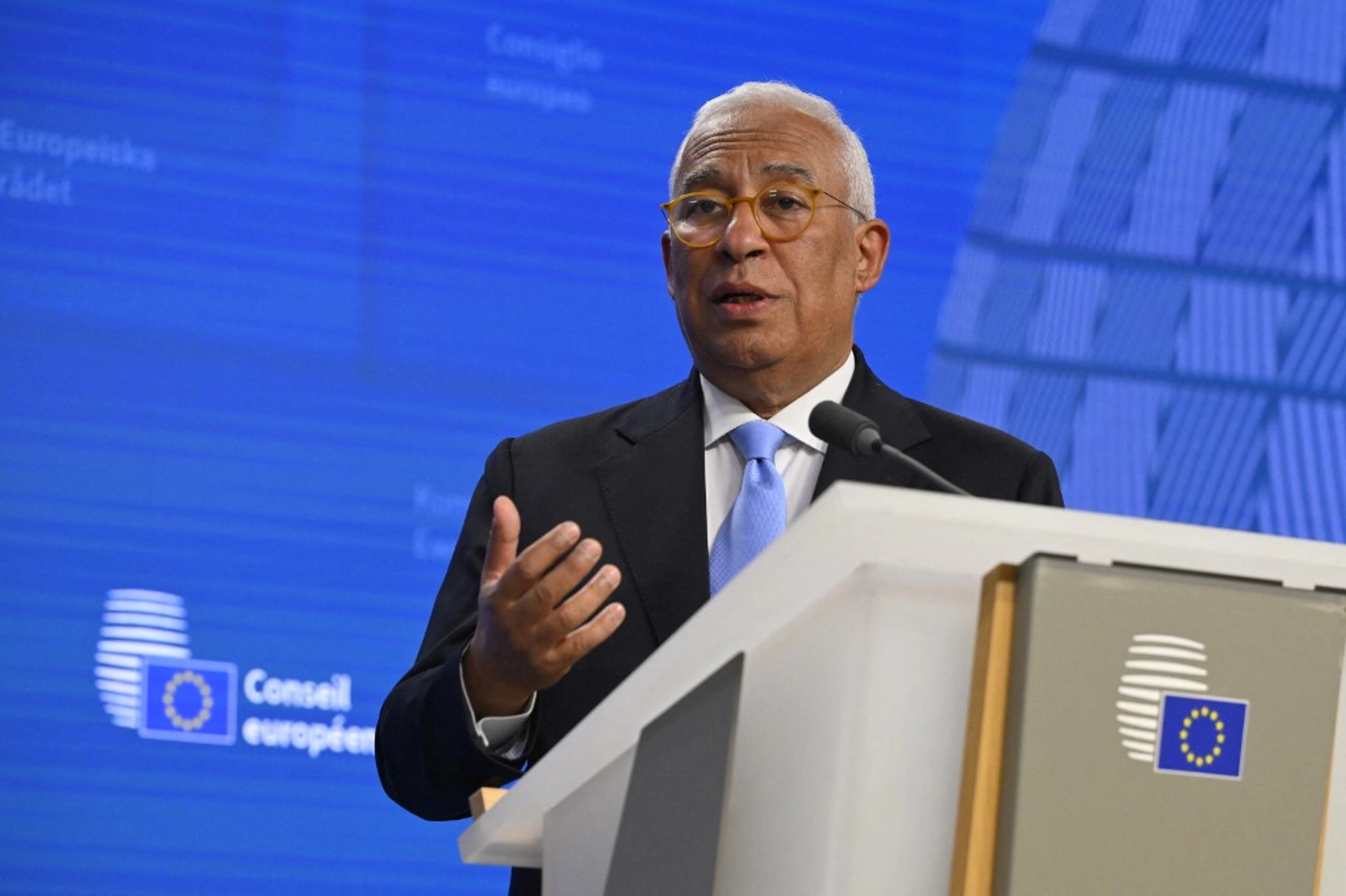
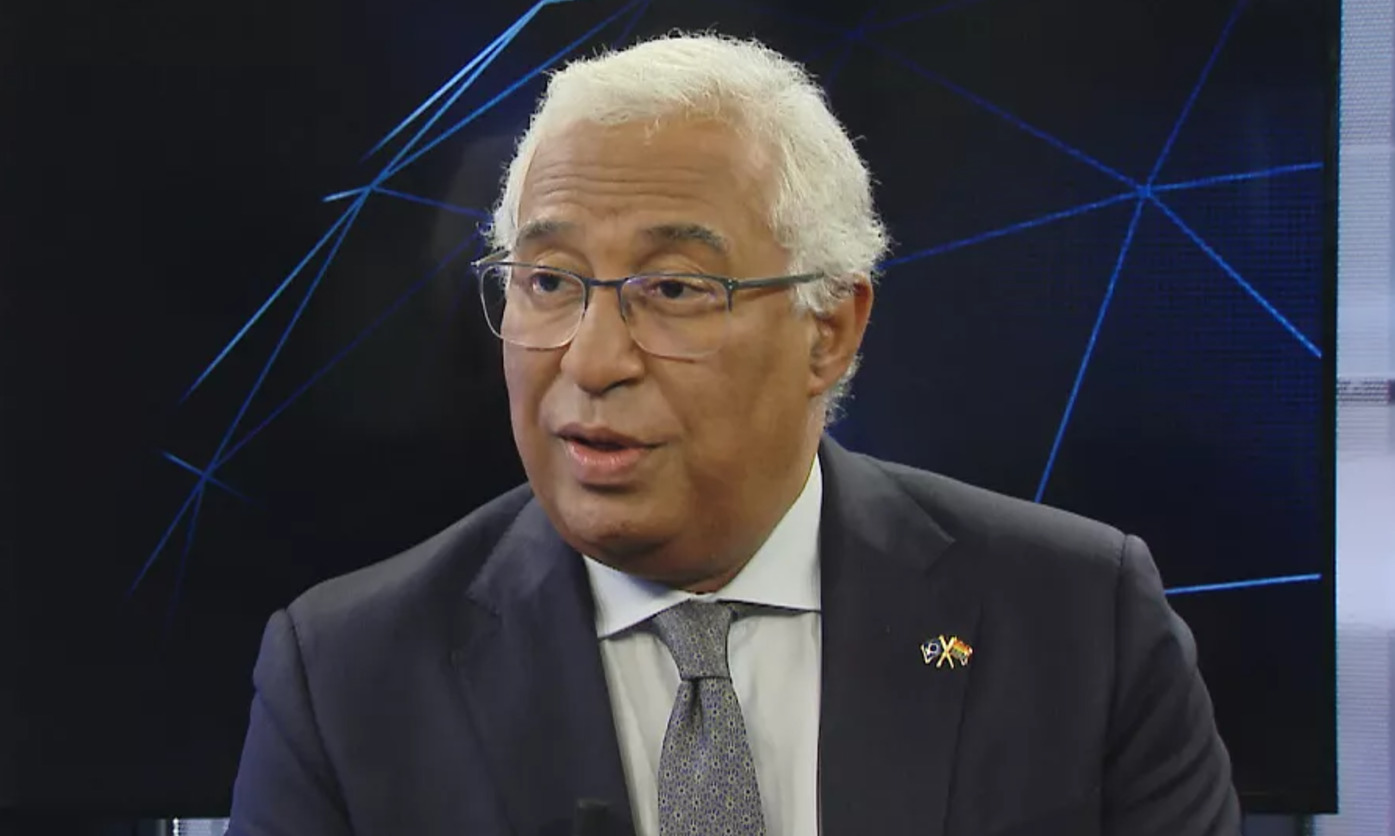
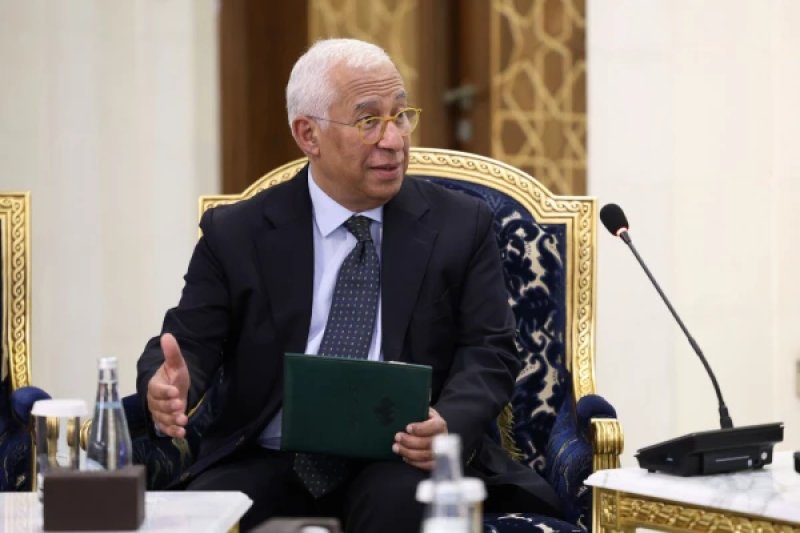
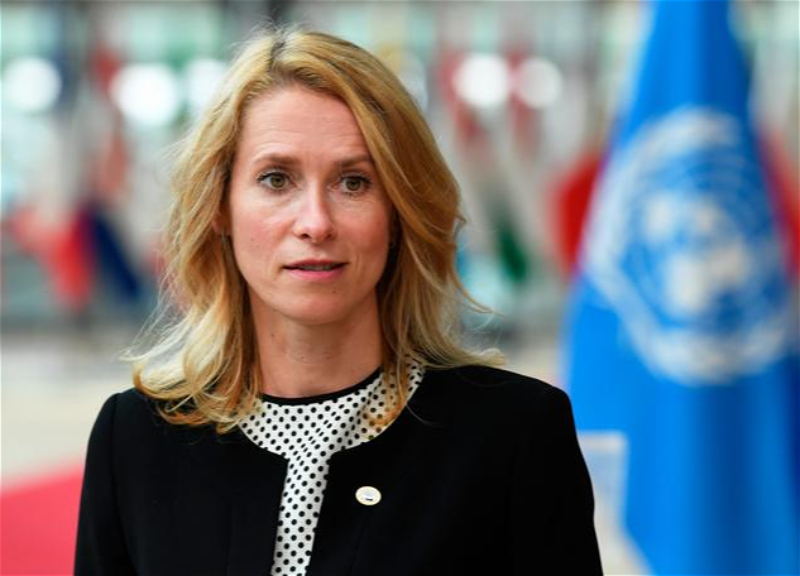
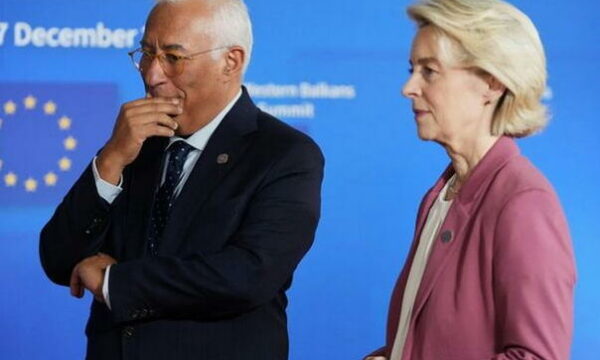
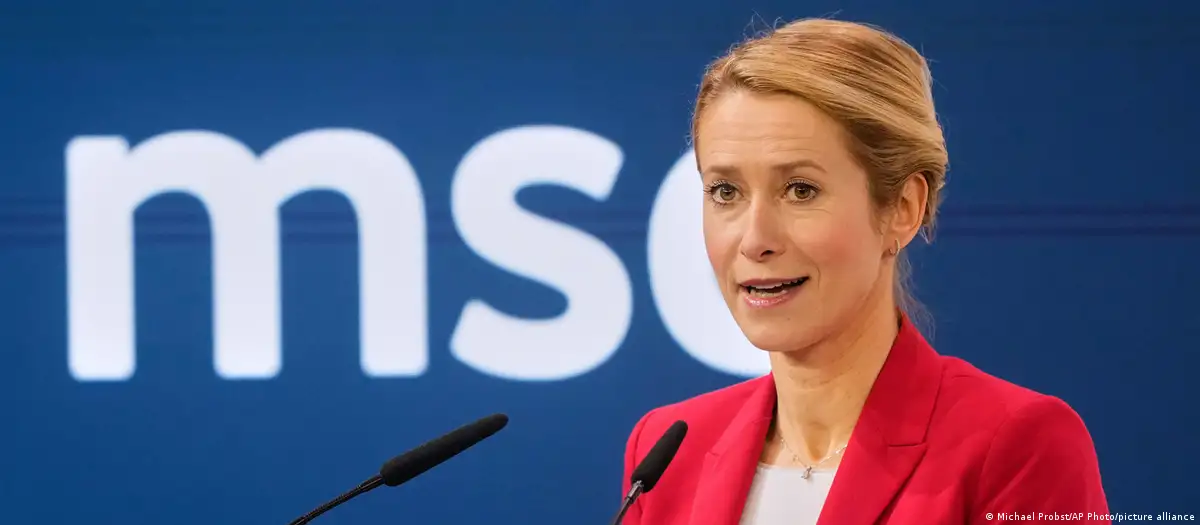
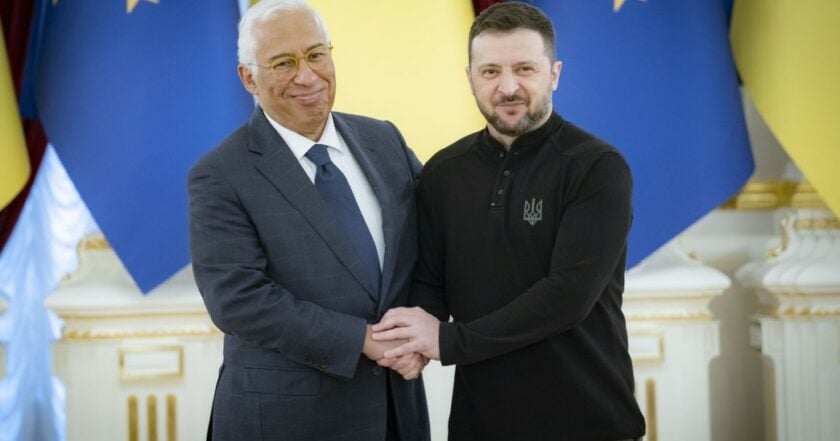
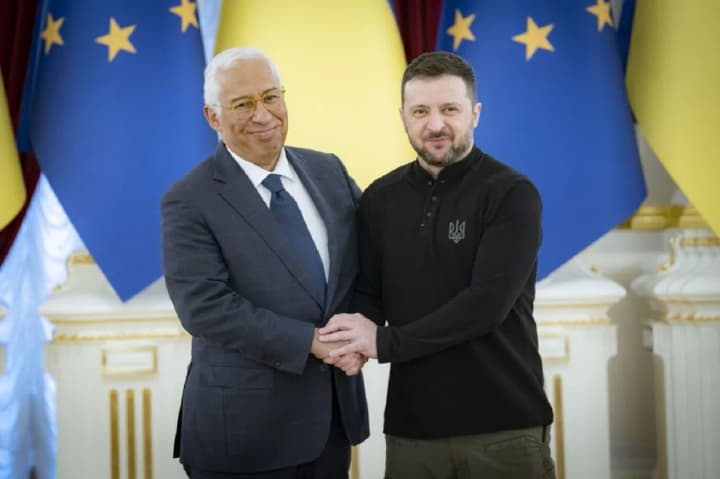
The emerging diplomatic framework between the European Union and Russia—signaled by EU Council President Antonio Costa's acknowledgment of "potential" for future engagement and EU Foreign Affairs Chief Kaja Kallas' February discussion paper outlining negotiation parameters—represents a critical inflection point for cross-border e-commerce sellers operating in European markets. While current negotiations remain "theoretical" per EU diplomats, the preparatory groundwork underway (foreign minister discussions scheduled for Cyprus end-May, EU leaders summit June 18) indicates concrete policy changes could materialize within 12-18 months.
Trade Policy Implications for Sellers: The current EU sanctions regime on Russia (implemented February 2022) restricts direct commerce but creates significant tariff arbitrage opportunities through third-country sourcing. If negotiations progress toward sanctions relief, sellers face two critical scenarios: (1) Direct market access to 144M Russian consumers currently blocked, and (2) Tariff normalization on Russian-origin goods (primarily HS codes 2701-2715 energy products, 7208-7326 steel/metals, 5407-5408 textiles) that currently face 25-35% punitive tariffs. EU diplomats' emphasis on "internal consensus on objectives" before engaging Russia suggests any agreement will include phased tariff reductions rather than immediate normalization.
Competitive Advantage Window: Small-to-medium sellers (€500K-€5M annual revenue) currently lack direct Russia access but can capitalize on the transition period by: (1) Identifying alternative sourcing in Belarus, Kazakhstan, and Kyrgyzstan (current sanctions workarounds) to establish supply chains before Russian tariffs drop, (2) Monitoring HS code 7208-7210 (flat-rolled steel) where tariff reductions could compress margins 8-12% for sellers currently sourcing from EU mills, and (3) Preparing compliance infrastructure for potential Russian marketplace expansion (Yandex Market, VK.com) which would require new payment processors and logistics partnerships.
Strategic Sourcing Shifts: The news indicates EU negotiators are demanding Russian troop withdrawal from Moldova's Transnistria region—a condition that, if met, would unlock Moldova as a preferred sourcing hub for EU sellers (lower labor costs than EU, tariff-free access via EU trade agreements). Sellers should monitor Moldova's HS code 2401-2403 (tobacco), 6204-6206 (apparel), and 6401-6405 (footwear) categories where production capacity could expand 20-30% if sanctions pressure on Russia reduces.
Compliance Timeline: The June 18 EU leaders summit represents the critical decision point. If negotiations advance, expect 60-90 day consultation periods before any tariff modifications. Sellers must establish monitoring protocols now to track: (1) EU Official Journal announcements of tariff changes, (2) Russian marketplace registration requirements, and (3) Payment processor sanctions compliance updates.
Questions 7
How could EU-Russia peace talks affect tariffs on Russian steel and metals imports?
If negotiations progress toward sanctions relief, Russian steel (HS codes 7208-7210) currently facing 25-35% EU tariffs could see reductions of 8-15 percentage points within 18 months. EU diplomats' June 18 summit will determine negotiation pace. Sellers sourcing from EU mills should model margin compression scenarios now. Historical precedent: EU-Ukraine trade normalization (2014-2015) reduced steel tariffs 12% over 24 months. Monitor EU Official Journal weekly for tariff modification announcements post-summit.
What sourcing countries should sellers prioritize if Russia sanctions are lifted?
Currently, Belarus, Kazakhstan, and Kyrgyzstan serve as sanctions-workaround sourcing hubs. If Russia sanctions ease, sellers should establish direct Russian supplier relationships in: (1) Steel/metals (Magnitogorsk, Chelyabinsk mills), (2) Textiles (Ivanovo region), (3) Timber (Siberian suppliers). However, maintain 30-40% of sourcing in Moldova and Kazakhstan as geopolitical hedge. Moldova offers tariff-free EU access via DCFTA agreement, making it lower-risk than direct Russian sourcing during transition period.