



Russia-Ukraine Energy Crisis Reshapes Global Supply Chains | Cross-Border Seller Logistics Impact
- Escalating infrastructure attacks disrupt fuel supplies, shipping routes, and logistics costs for sellers serving Eastern European and global markets




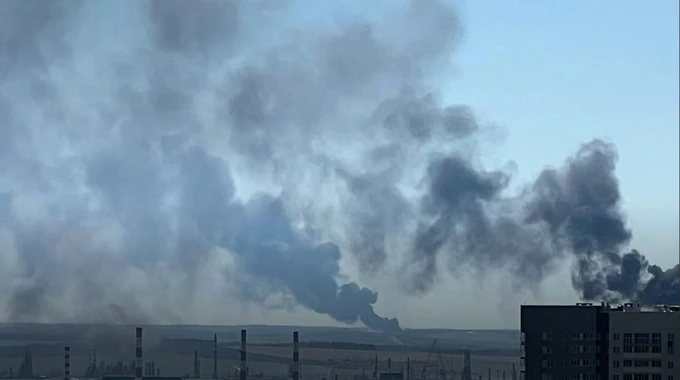
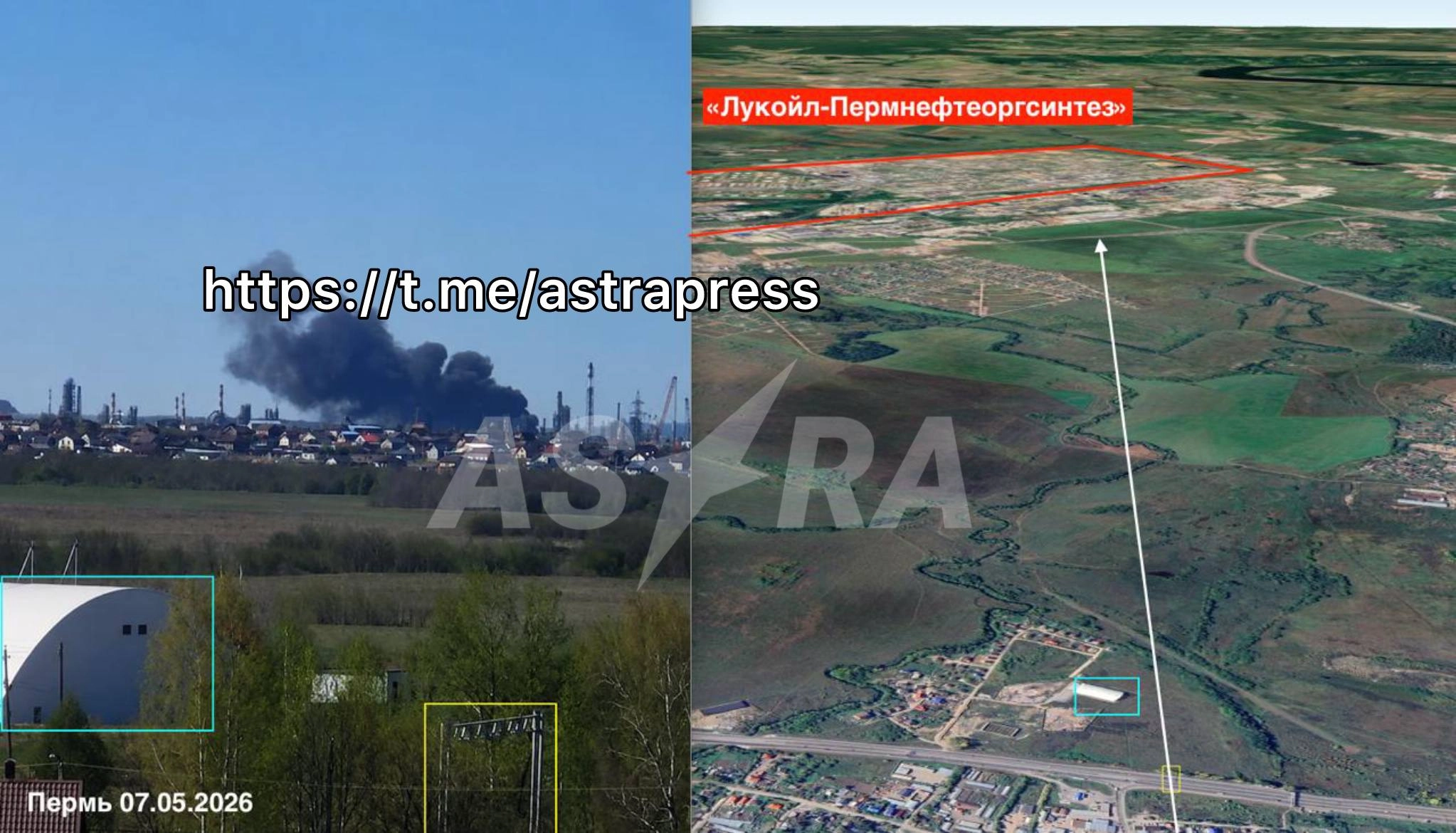
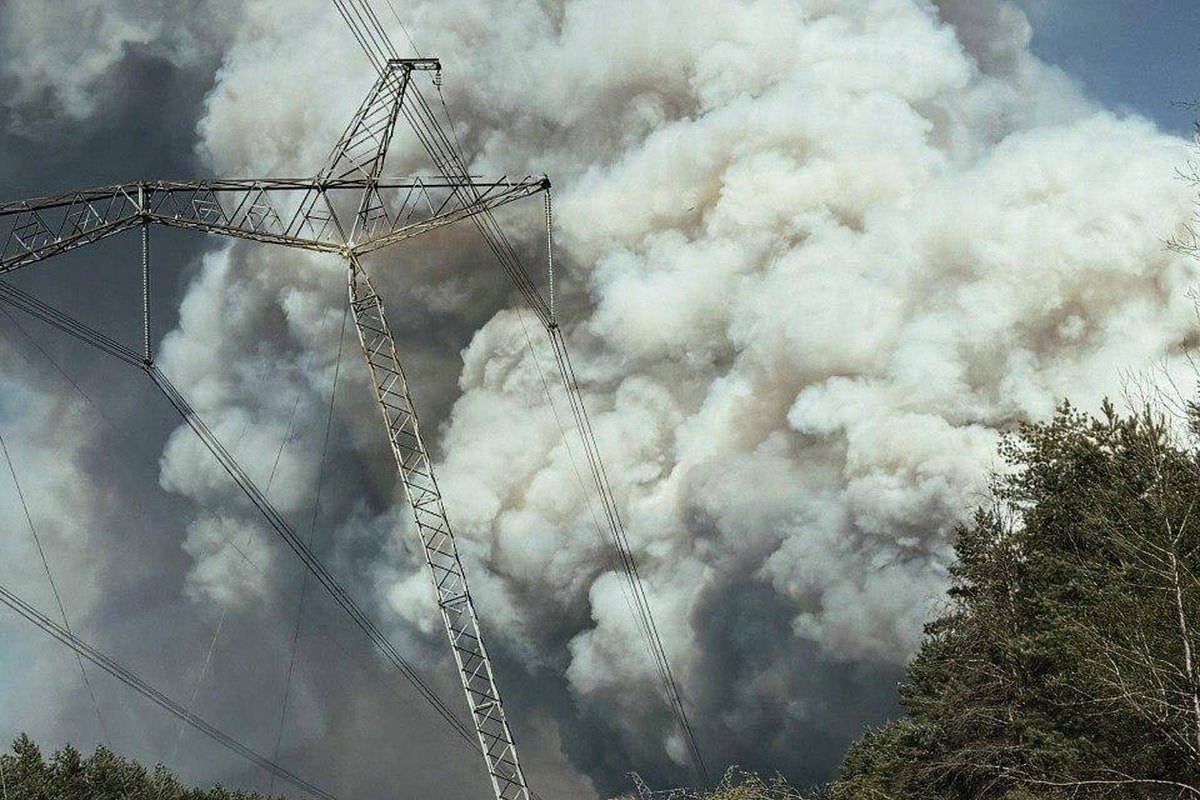

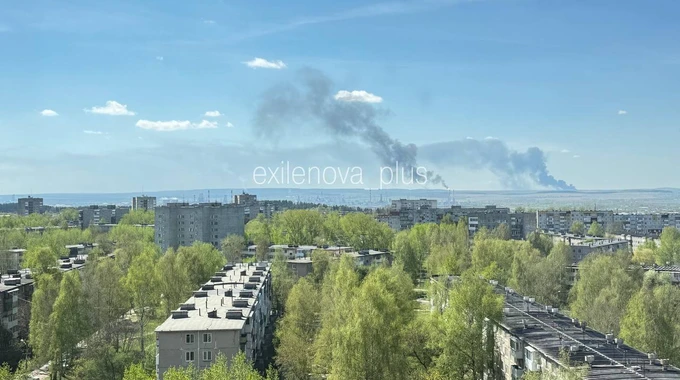








Overview
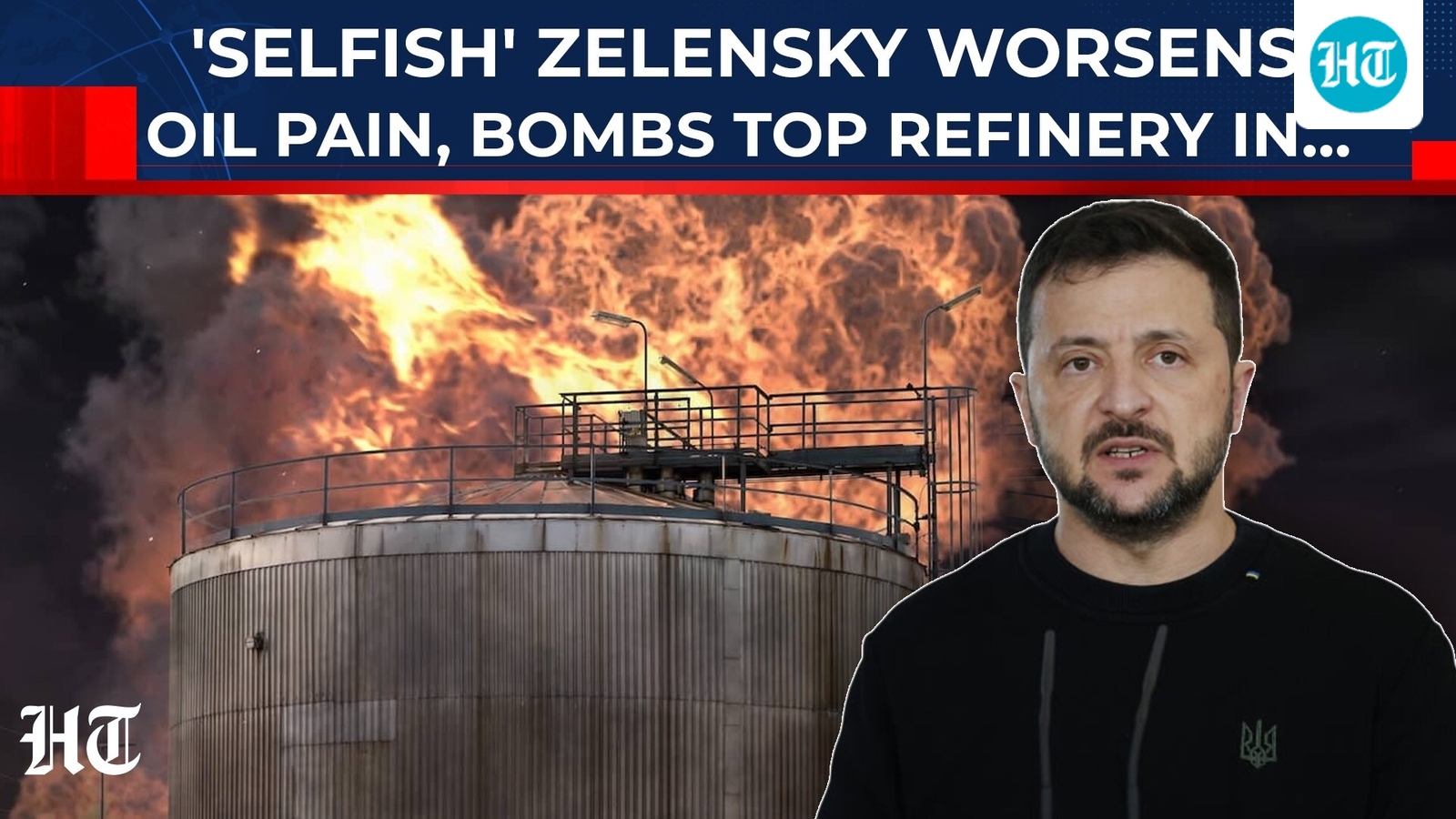
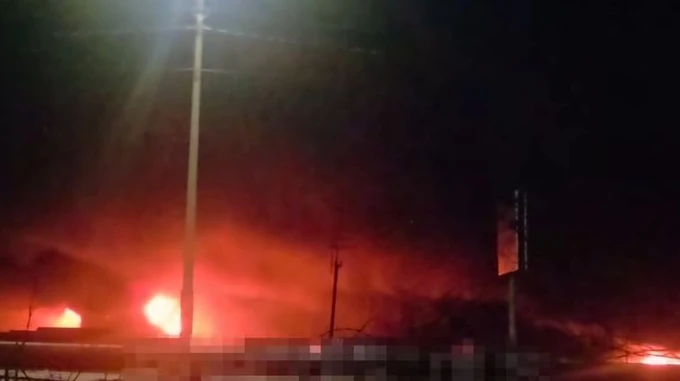
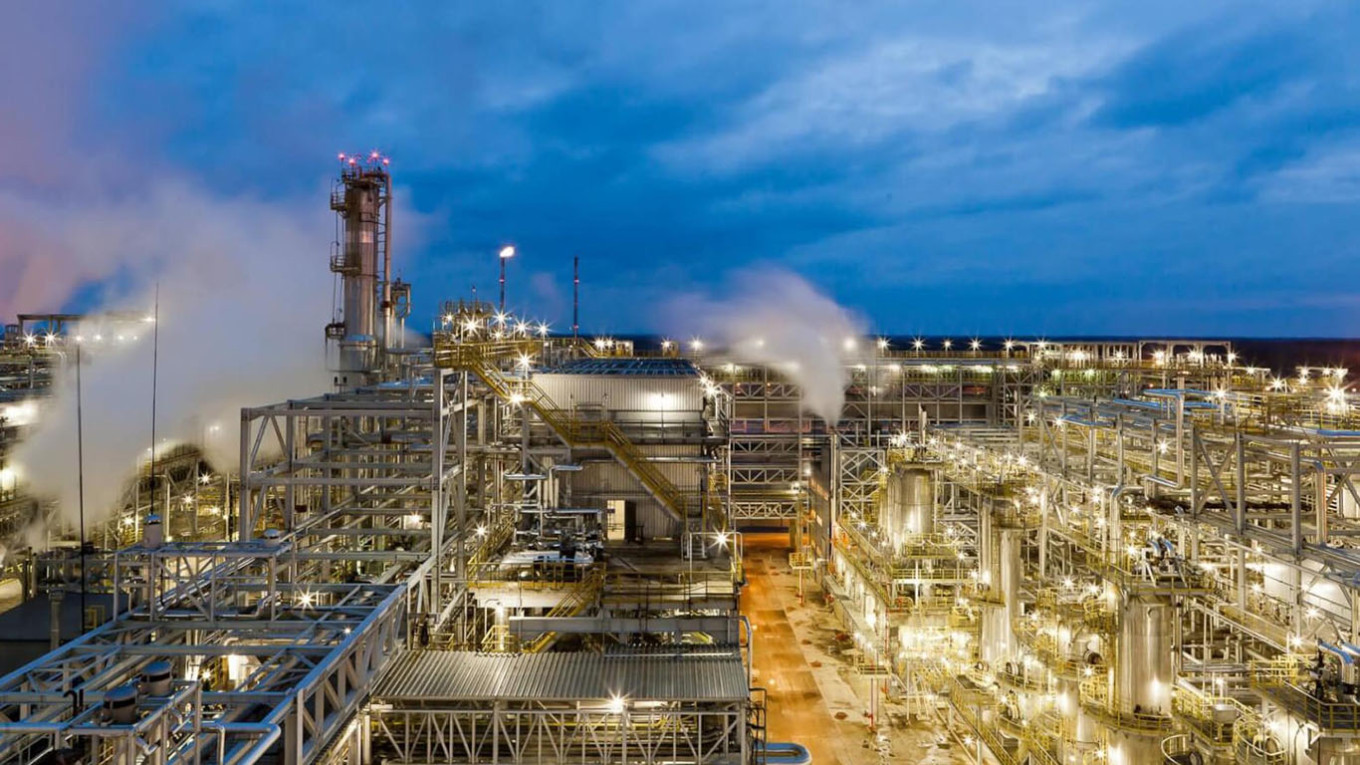
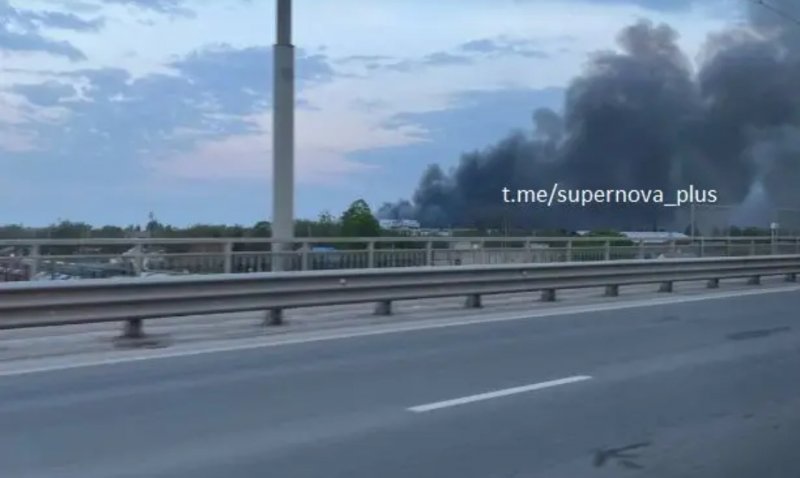
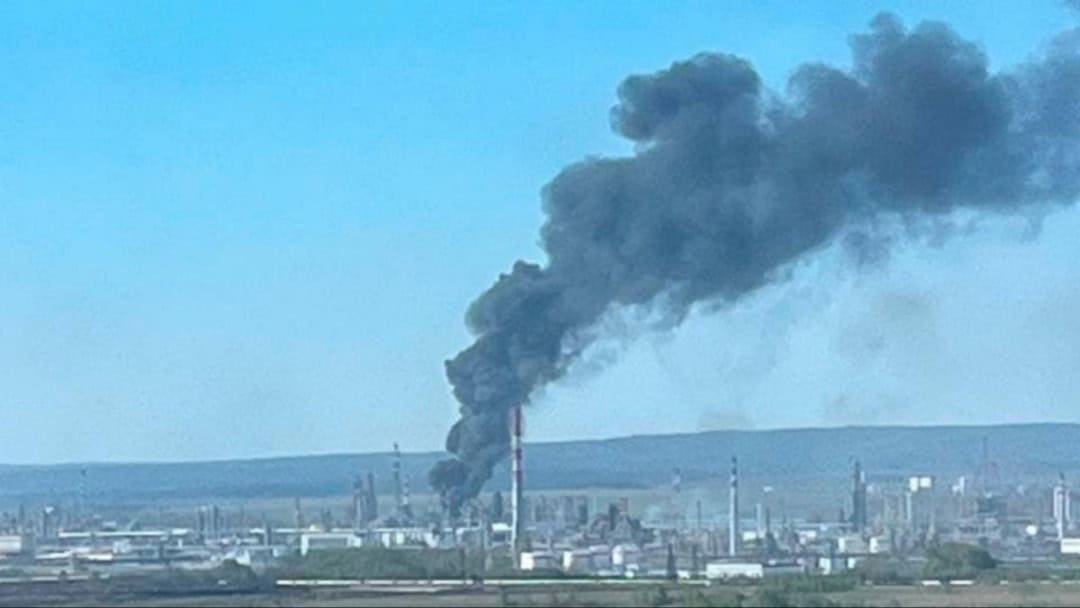
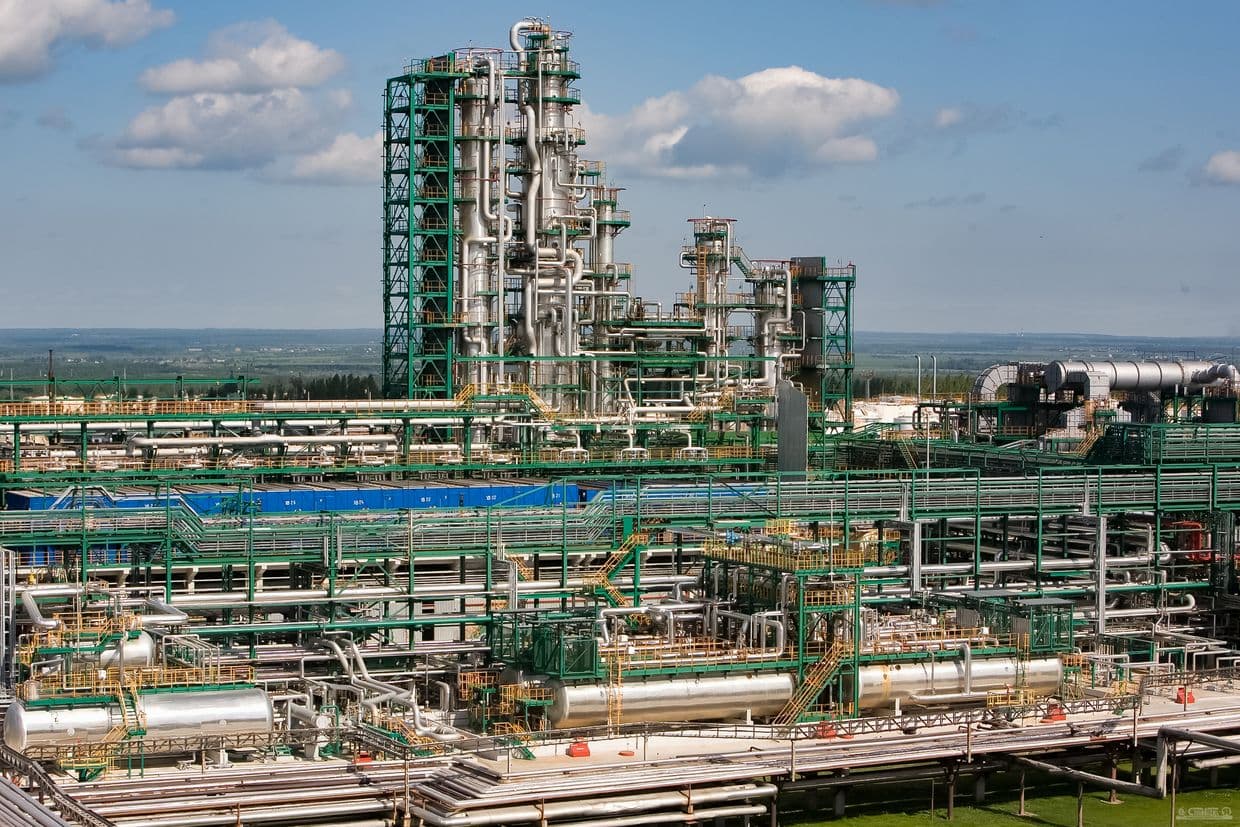
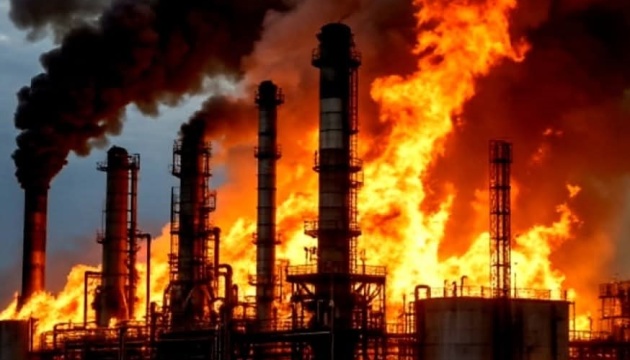
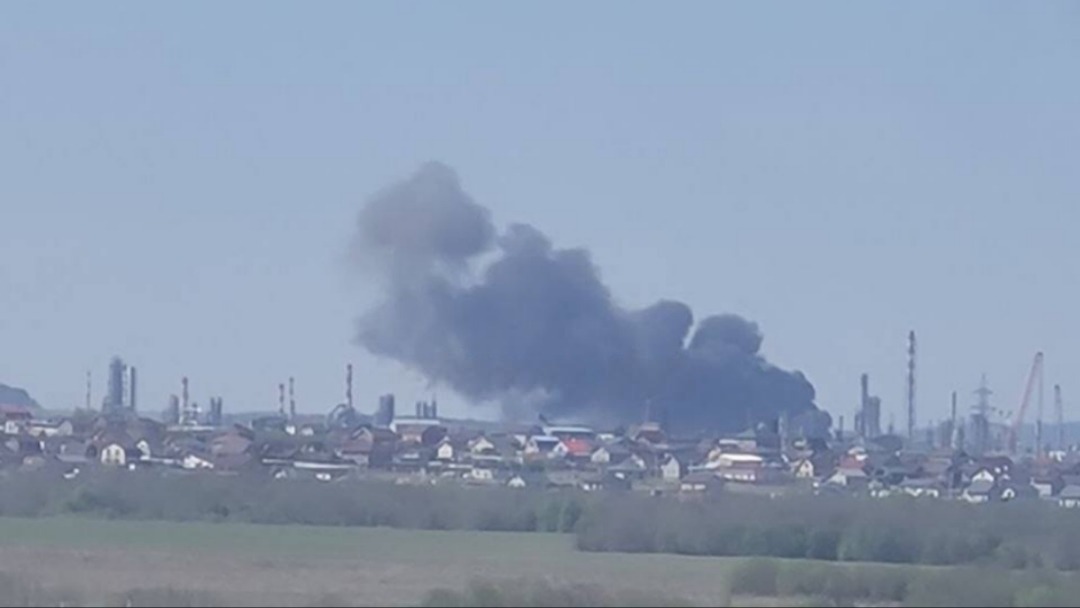
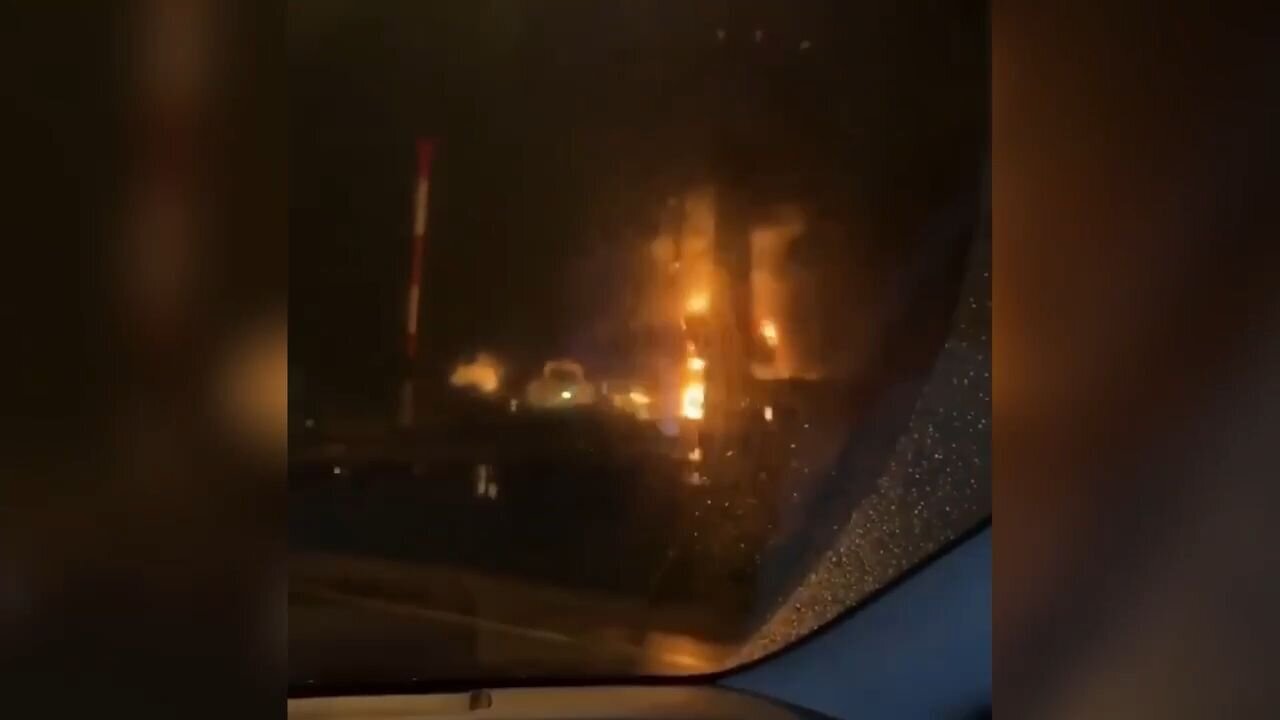
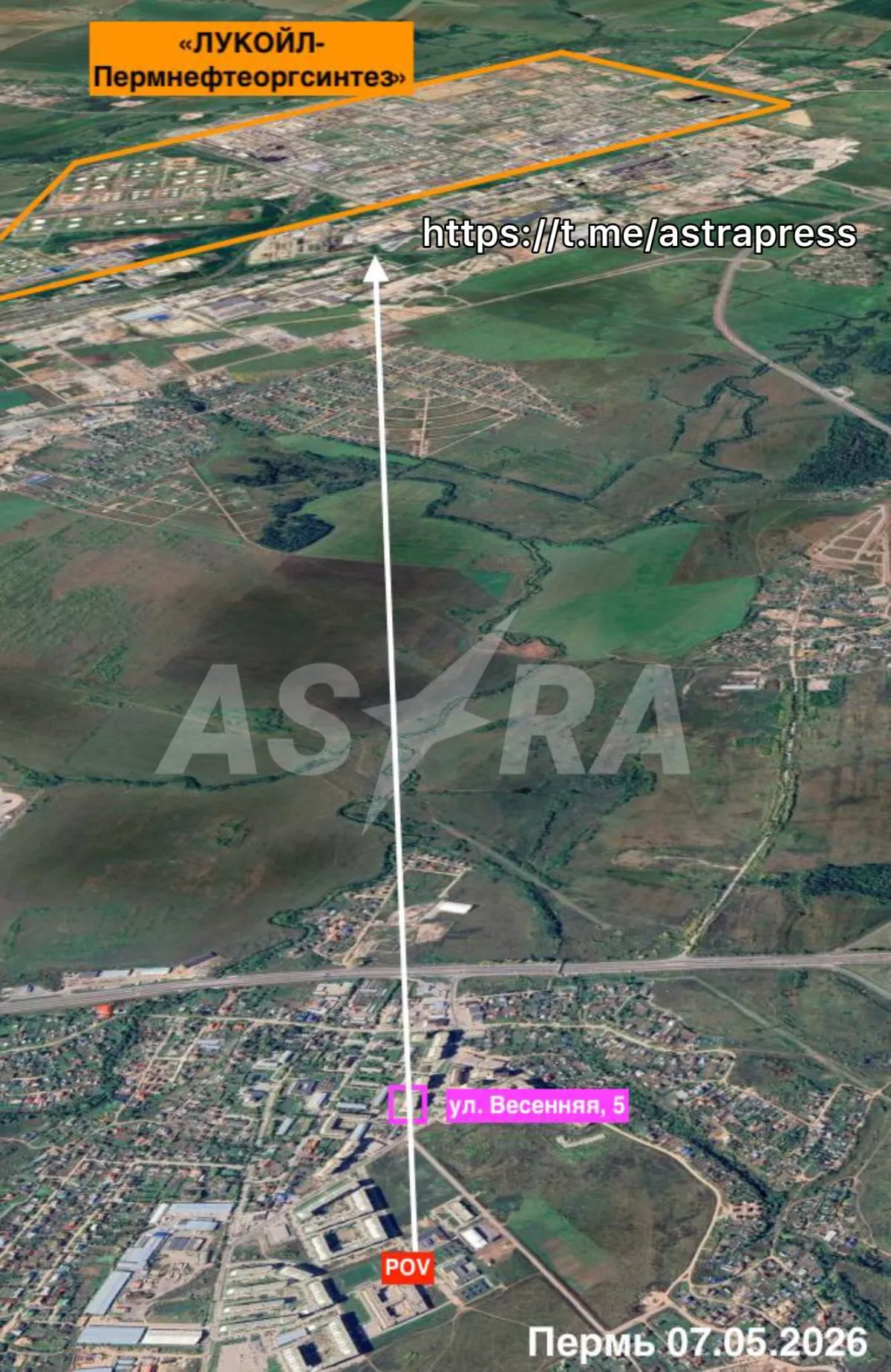
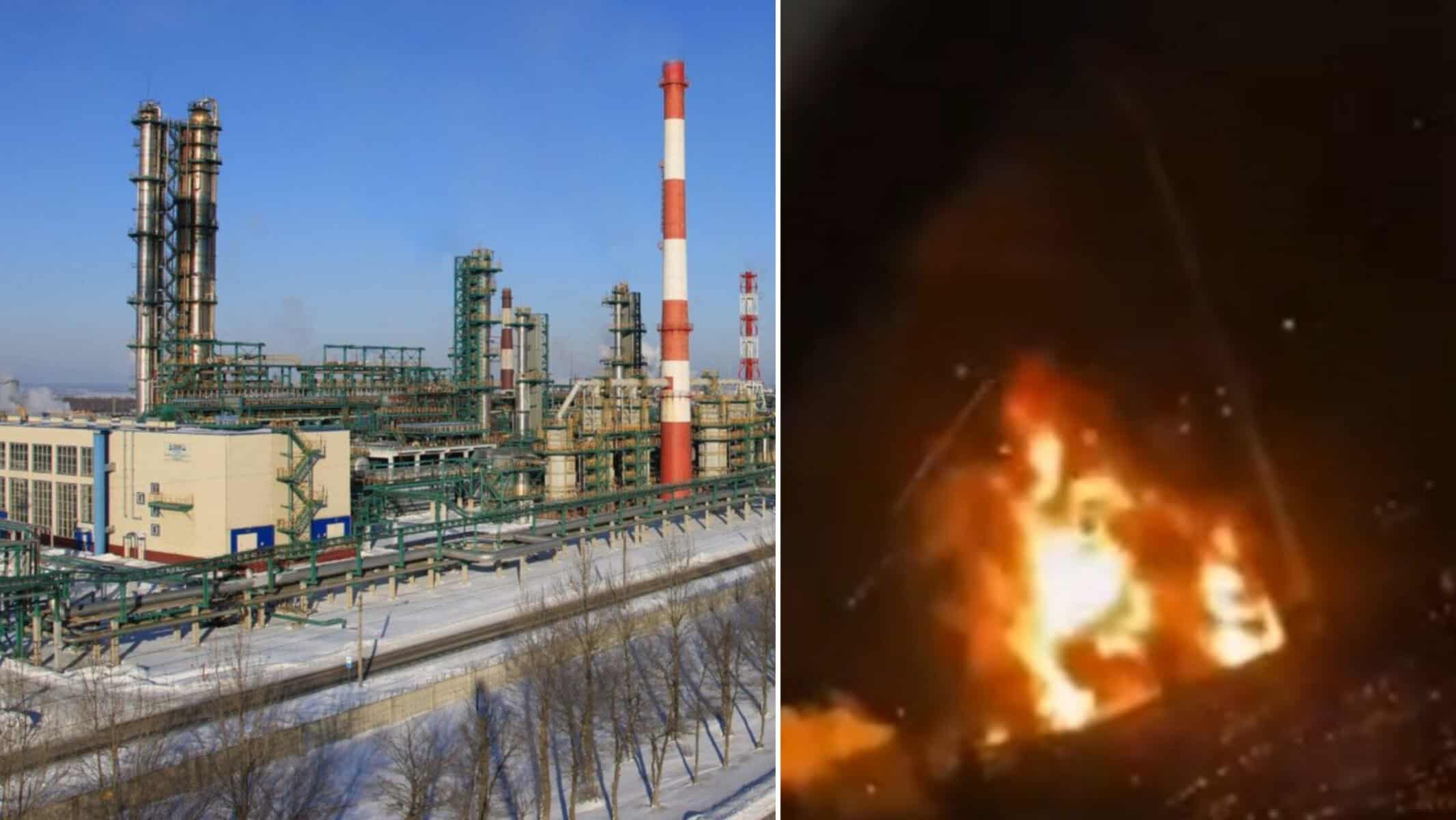
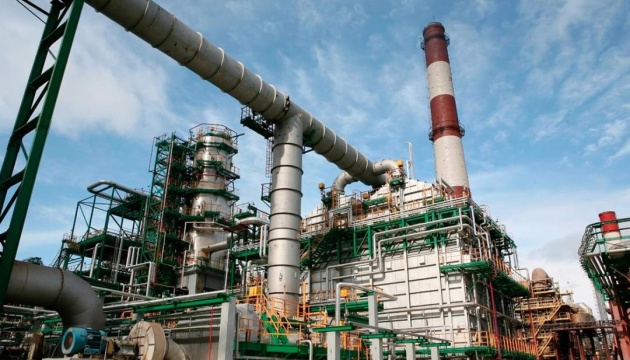
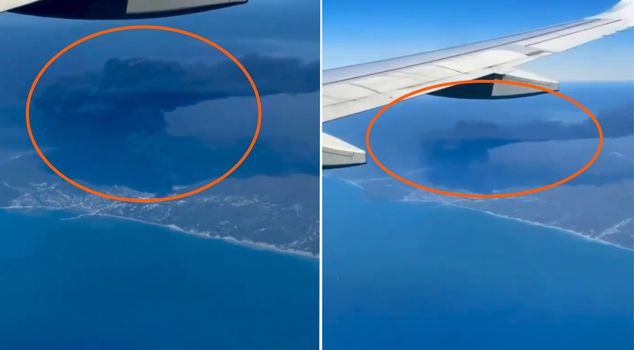
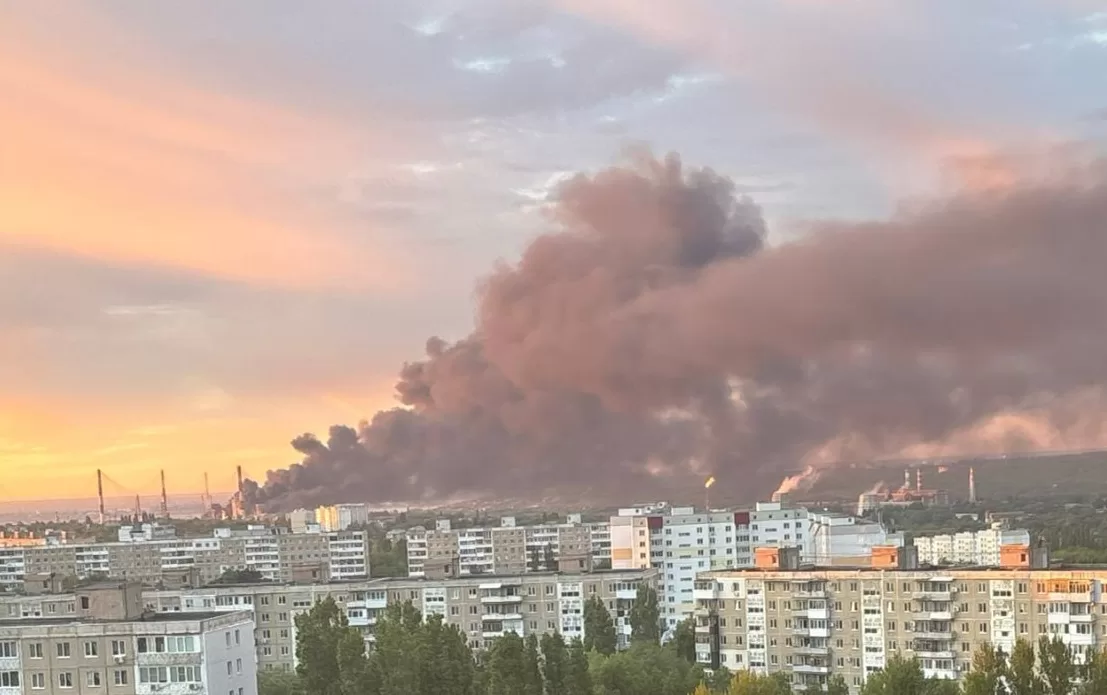
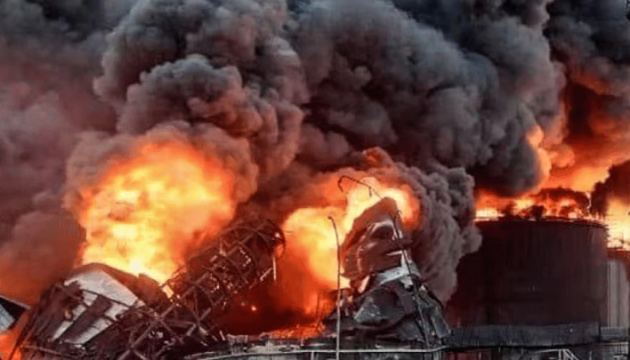
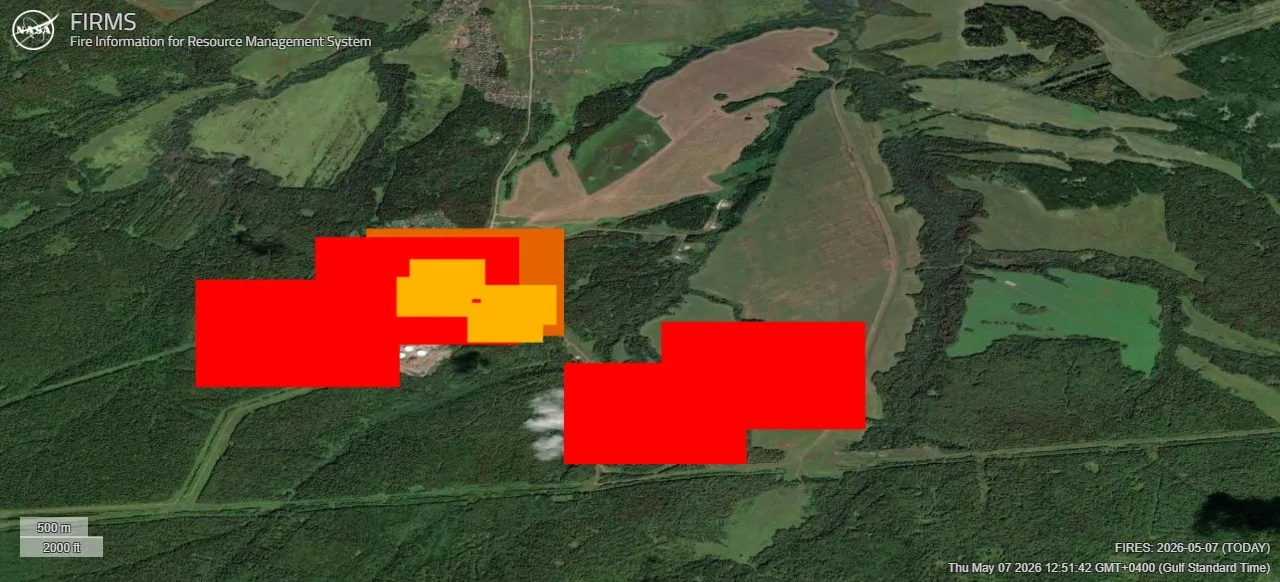
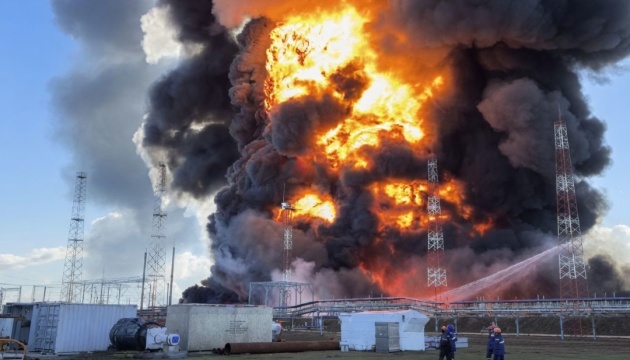
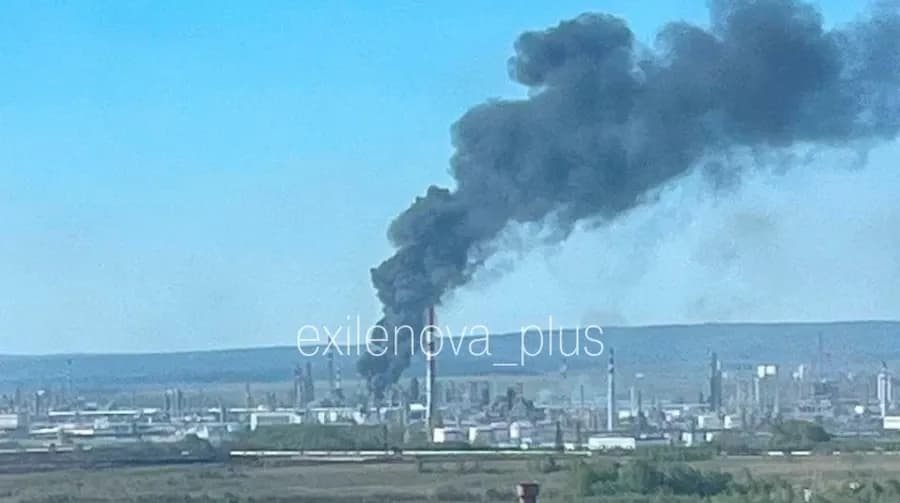
The coordinated Ukrainian strikes on Russian energy infrastructure—targeting the Perm Oil Refinery (third strike in two weeks), Yaroslavl Oil Refinery (15M tons annual capacity), and Tuapse Black Sea hub—represent a critical inflection point for cross-border e-commerce sellers managing logistics through Eastern Europe and Russia. These attacks have triggered cascading supply chain disruptions: 13 southern Russian airports suspended operations with 80+ flight cancellations affecting 14,000 passengers, fuel distribution networks face critical bottlenecks, and regional transportation costs are experiencing upward pressure.
For e-commerce sellers, the immediate impact manifests across three operational vectors. First, logistics cost inflation: Sellers utilizing Russian airfreight routes or relying on fuel-dependent ground transportation face 15-25% cost increases as fuel scarcity drives up carrier surcharges. The Yaroslavl refinery's 15M-ton annual processing capacity represents 8-12% of Russia's total refining output; disruptions cascade through regional logistics networks serving sellers shipping to Eastern Europe, Central Asia, and the Caucasus regions. Second, inventory routing complexity: Sellers previously optimizing shipments through Russian hubs (particularly Sochi-adjacent ports for Black Sea distribution) must now reroute through alternative corridors—adding 5-10 days to transit times and requiring 3PL provider renegotiations. Third, market access volatility: The pattern of escalating strikes (April 28-29, April 29-30, May 7-8) signals sustained targeting, creating uncertainty for sellers with Russian customer bases or regional fulfillment centers.
Strategic implications extend beyond immediate logistics. Energy infrastructure vulnerability directly impacts seller categories dependent on temperature-controlled logistics (fresh foods, pharmaceuticals, cosmetics), which require fuel-intensive refrigerated transport. Sellers with inventory in Russian warehouses face potential disruption to cold-chain operations. Additionally, the 14,000-passenger flight disruption signals broader economic contraction in Russian consumer markets—historically a $600B+ e-commerce opportunity. Sellers should monitor fuel price indices (Brent crude volatility) as leading indicators for logistics cost changes 2-3 weeks ahead.
Competitive intelligence opportunity: Sellers currently serving Russian markets through established logistics networks possess temporary advantage over new entrants, as alternative routing requires 4-6 week renegotiation cycles. However, this advantage erodes if strikes continue, forcing consolidation toward fewer, more expensive logistics providers.
Questions 8
How do Russian energy infrastructure strikes affect my shipping costs to Eastern Europe?
Fuel supply disruptions from the Perm, Yaroslavl, and Tuapse refinery strikes directly increase carrier surcharges by 15-25% within 2-3 weeks as logistics providers adjust for fuel scarcity. The Yaroslavl facility's 15M-ton annual capacity represents critical regional fuel supply; its damage forces carriers to source fuel from alternative suppliers at premium prices. Sellers shipping to Russia, Ukraine, Belarus, and Central Asia should expect immediate surcharge notifications from 3PL providers and negotiate long-term fuel hedging clauses in contracts to lock in current rates before further escalation.
Should I reroute inventory away from Russian logistics hubs?
Yes, if your inventory is currently staged in Russian fulfillment centers or relies on Russian airfreight hubs. The pattern of escalating strikes (three attacks in two weeks) indicates sustained targeting, making Russian infrastructure increasingly unreliable. Rerouting through alternative hubs (Baltic ports, Polish logistics centers, or Turkish gateways) adds 5-10 days transit time but reduces disruption risk. Begin renegotiating with 3PL providers immediately—rerouting typically requires 4-6 weeks to implement, and delays compound if multiple sellers simultaneously request changes.