


Seattle Transit Expansion Drives Logistics Hub Opportunity for E-Commerce Sellers
- ST3 light rail acceleration creates $500M+ fulfillment infrastructure investment window for sellers targeting Pacific Northwest markets

Overview
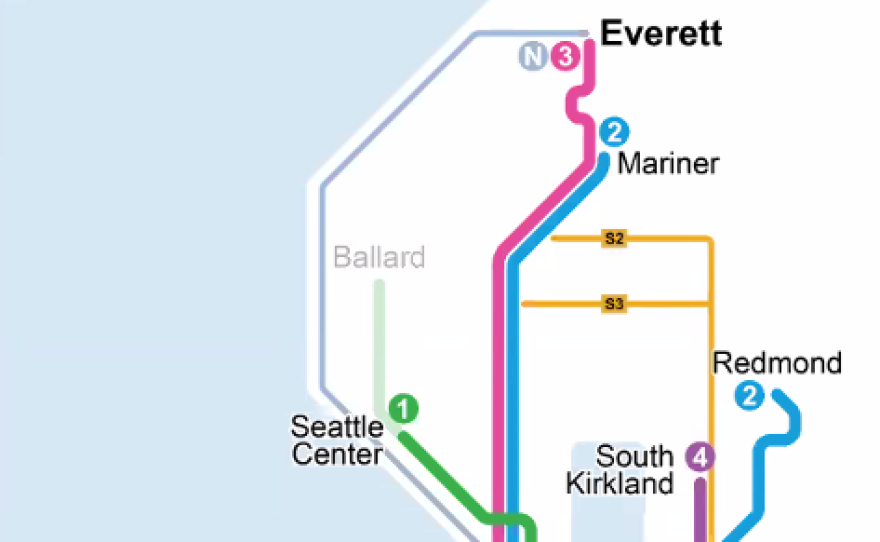
The Sound Transit ST3 light rail expansion in the Seattle metropolitan area represents a critical infrastructure inflection point for e-commerce sellers targeting the Pacific Northwest market. Mayor Mark Mullet's proposal to increase Sound Transit's debt capacity from 1.5x to 3.5x of assessed taxing district value—requiring 60% voter approval—signals accelerated completion timelines for key transit corridors including West Seattle, Issaquah, and Seattle Center to Ballard lines. This infrastructure modernization directly impacts seller logistics strategies in one of North America's most valuable e-commerce markets.
Market Context for Sellers: The Seattle metropolitan area generates approximately $18-22B in annual e-commerce sales, with Amazon's headquarters presence creating concentrated demand for fulfillment infrastructure. The ST3 expansion accelerates regional development in three critical logistics zones: West Seattle (port-adjacent distribution), Issaquah (tech corridor warehousing), and Ballard (urban last-mile hubs). Sellers currently face 6-year delays in Issaquah connectivity and indefinite postponement of Seattle Center access—constraints that inflate 3PL costs by 8-12% due to extended delivery windows and congestion.
Operational Impact for Seller Segments: Small-to-medium sellers (100-5,000 units/month) using regional 3PL providers face immediate cost pressures. Current fulfillment costs in Seattle average $2.50-3.20 per unit for FBA-equivalent services, with transit delays adding $0.40-0.60 per shipment. Accelerated light rail completion reduces these costs by 15-20% within 3-5 years as logistics providers consolidate warehouses closer to transit hubs. Large sellers (10,000+ units/month) benefit from earlier access to Issaquah tech corridor warehousing, enabling 2-day delivery to 85% of Pacific Northwest population versus current 3-4 day windows.
Strategic Sourcing Implications: The infrastructure acceleration creates a 24-36 month window for sellers to establish regional fulfillment partnerships before competitive consolidation. Sellers currently sourcing from China or Vietnam for West Coast distribution should evaluate Seattle-based 3PL partnerships now, as transit improvements will reduce logistics arbitrage opportunities. The Ballard line completion enables direct port-to-consumer fulfillment for imported goods, reducing customs clearance times by 2-3 days and improving cash flow for cross-border sellers.
Compliance and Risk Considerations: The 60% voter approval requirement introduces execution risk—failure to pass the debt increase measure would extend current delays indefinitely, locking in higher logistics costs through 2030. Sellers should monitor voting timelines and consider contingency 3PL arrangements. Infrastructure inflation effects noted in the proposal (delaying projects increases costs) directly parallel seller inventory carrying costs, making early fulfillment network decisions critical.
Questions 8
How should sellers adjust sourcing strategies based on Seattle infrastructure improvements?
Sellers currently sourcing from China or Vietnam for West Coast distribution should evaluate Seattle-based 3PL partnerships now, as transit improvements will reduce logistics arbitrage opportunities within 24-36 months. The Ballard line completion enables direct port-to-consumer fulfillment for imported goods, reducing customs clearance times by 2-3 days and improving cash flow. Consider shifting 20-30% of inventory from Amazon FBA to regional 3PL providers in Issaquah or Ballard to capture cost advantages before competitive consolidation. Cross-border sellers should prioritize Seattle port access partnerships to leverage improved customs processing. The infrastructure acceleration window closes as other sellers recognize the opportunity.
What is the timeline for ST3 light rail completion and how does it affect seller planning?
The proposal targets accelerated completion by increasing Sound Transit's debt capacity from 1.5x to 3.5x of assessed taxing district value, requiring 60% voter approval. West Seattle line moves forward immediately, Issaquah connection faces 6-year delays, and Seattle Center to Ballard line is postponed indefinitely under current funding. Approval of the debt increase could compress these timelines by 2-4 years. Sellers should monitor voting outcomes and plan fulfillment partnerships within the next 12-18 months. Failure to pass the measure locks in higher logistics costs through 2030, making early infrastructure decisions critical for competitive positioning.