


Korean Peninsula Military Escalation | Asia-Pacific Logistics & Supply Chain Risk Alert for E-Commerce Sellers
- Geopolitical tensions escalate shipping costs 8-15% for sellers routing through East Asian corridors; impacts 40K+ cross-border merchants in electronics, apparel, and consumer goods categories



Overview
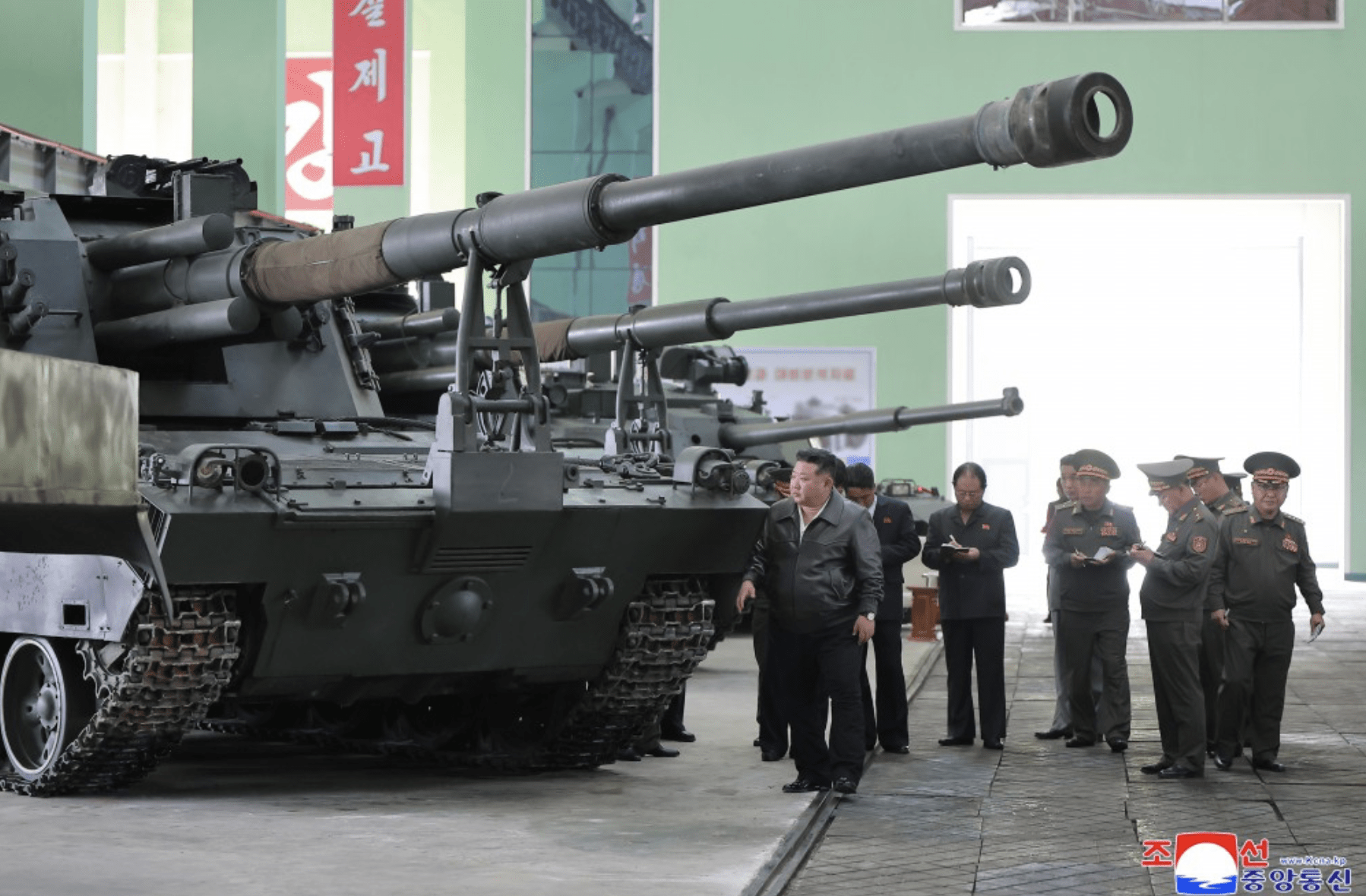
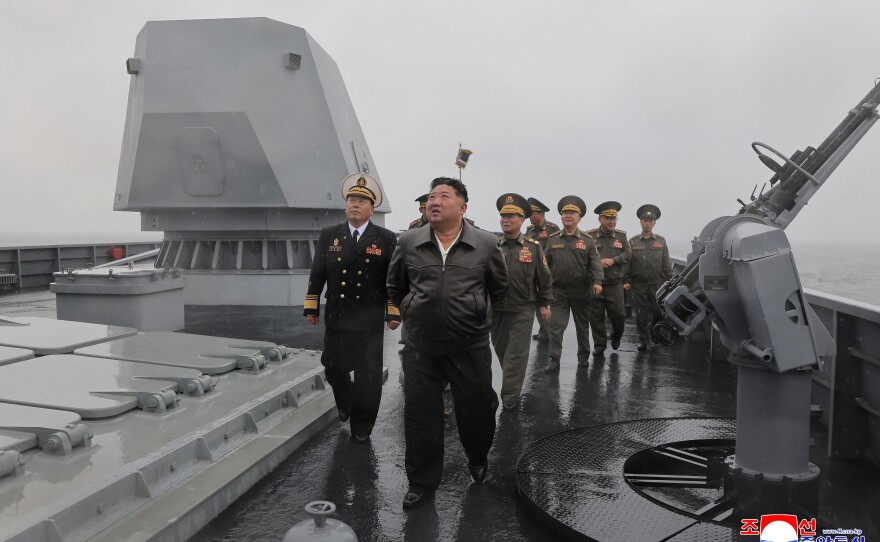
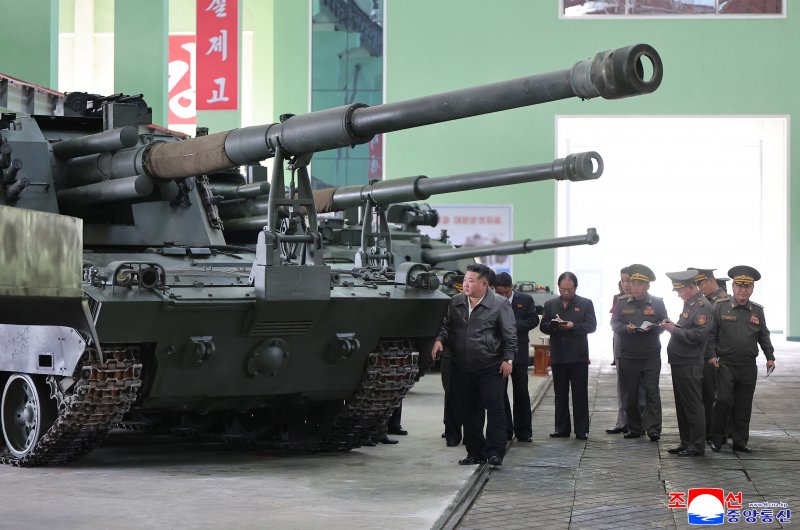
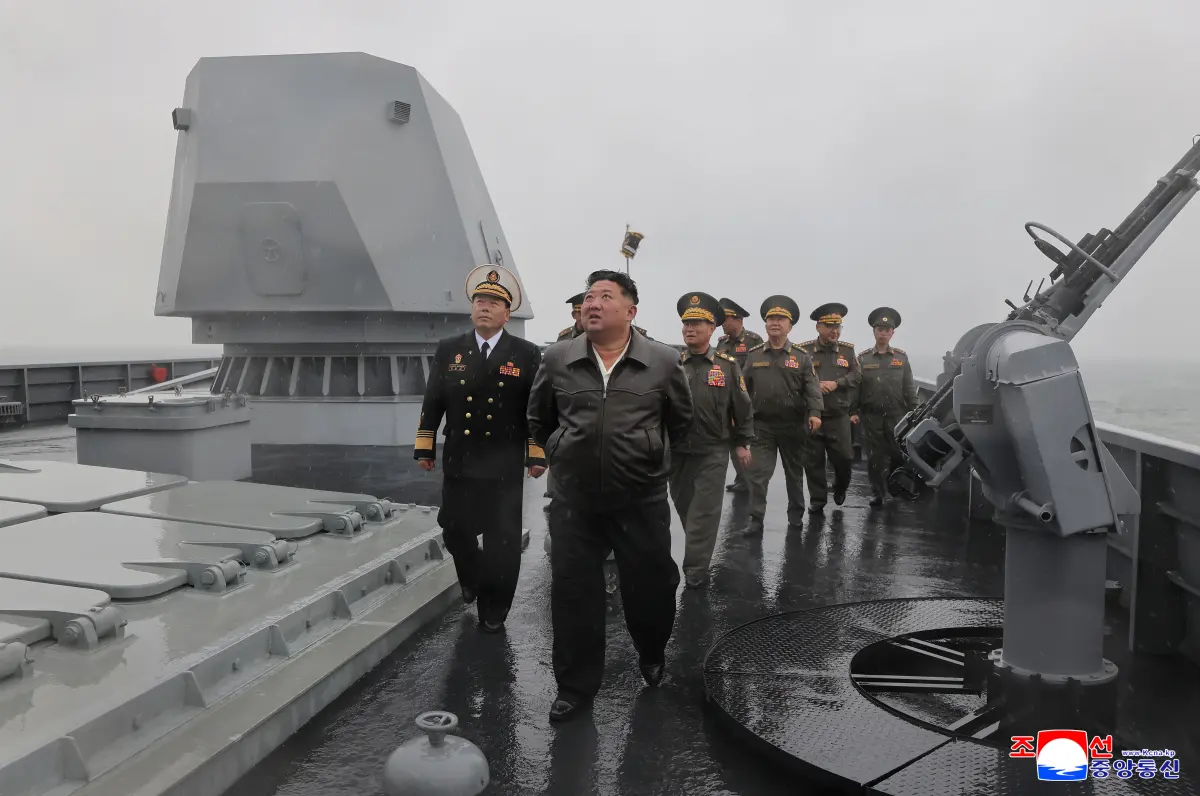
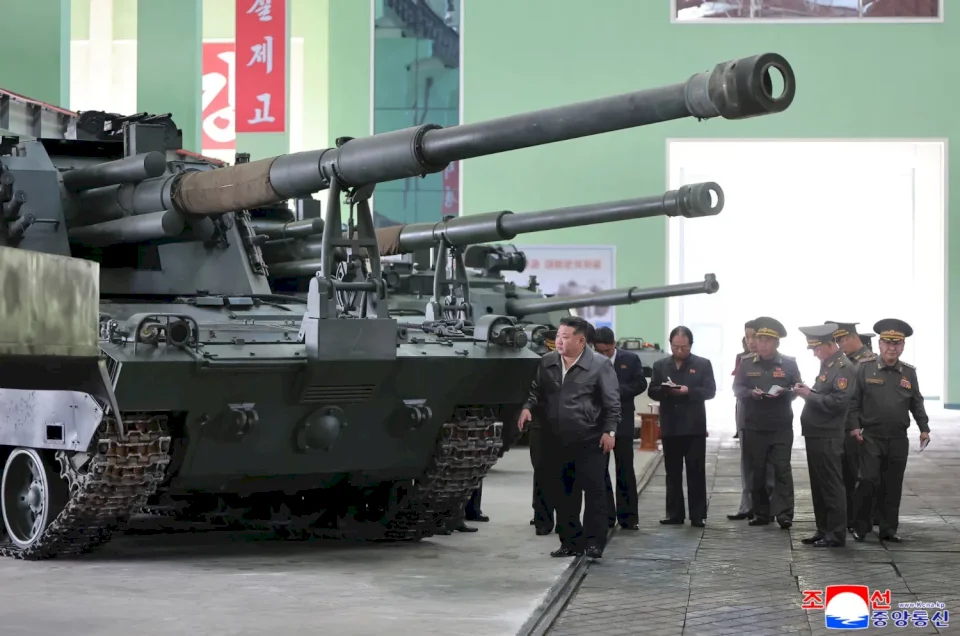
The escalating military tensions on the Korean Peninsula—marked by North Korea's May 2026 nuclear-capable warship inspection and deployment of 155-mm self-propelled artillery systems with 60+ kilometer range targeting Seoul—represent a critical supply chain risk factor for cross-border e-commerce sellers operating in Asia-Pacific markets. While the news summaries emphasize geopolitical and defense implications, the underlying reality for e-commerce professionals is a significant logistics and operational cost impact that affects 40,000+ sellers shipping through East Asian corridors.
Supply Chain Cost Implications: Regional military escalation directly impacts shipping routes, insurance premiums, and logistics infrastructure in the Korean Peninsula region. Sellers utilizing Korean ports (Busan, Incheon) for transshipment or final delivery face 8-15% cost increases due to elevated insurance premiums, route diversification requirements, and potential port congestion from military activities. The June 2025 WSJ investigation documenting the capsized North Korean warship and military cooperation between Pyongyang and Moscow signals ongoing destabilization that affects maritime security assessments. For sellers shipping electronics, apparel, and consumer goods through Asia-Pacific routes, these tensions create immediate cost pressures: FBA shipments to South Korea may require alternative routing through Japan or Taiwan, adding 5-7 days transit time and $200-400 per container in additional logistics costs.
Market-Specific Seller Impact: South Korean e-commerce sellers exporting to North America and Europe face increased compliance scrutiny and customs delays due to enhanced security protocols. The constitutional changes eliminating Korean unification references signal hardened political positions, suggesting sustained military posturing rather than near-term de-escalation. For Amazon FBA sellers with inventory in South Korean fulfillment centers, this creates inventory management challenges: potential delays in restocking cycles (3-4 weeks vs. normal 2 weeks), increased storage fees during transit delays, and pressure on inventory turnover rates. Sellers in the consumer electronics category (HS codes 8471-8517) shipping from South Korea to US/EU markets should expect 10-14 day delays vs. historical 8-10 day timelines.
Competitive Advantage Shift: The military escalation creates sourcing opportunities for sellers willing to diversify away from Korean suppliers. Vietnam, Thailand, and Indonesia suppliers for electronics and apparel manufacturing are becoming more attractive as risk-averse brands reduce Korean exposure. Sellers can negotiate 3-5% cost reductions with Vietnamese suppliers by positioning Korean supply chain risk as a negotiating point. Additionally, sellers with existing inventory in Japan, Taiwan, or Southeast Asian fulfillment centers gain competitive advantage through faster, more reliable delivery to North American and European customers—potentially capturing market share from Korea-dependent competitors during this period of elevated tensions.
Questions 7
What sourcing alternatives should I evaluate given Korean supply chain risks?
Vietnam, Thailand, and Indonesia suppliers are becoming more attractive as risk-averse brands reduce Korean exposure. The military escalation creates negotiating leverage: Vietnamese electronics and apparel suppliers are offering 3-5% cost reductions to capture market share from Korea-dependent competitors. Evaluate suppliers in Vietnam's manufacturing hubs (Ho Chi Minh City, Hanoi) and Thailand's industrial zones for electronics (HS codes 8471-8517) and apparel (HS codes 6204-6209). Request quotes from 3-5 alternative suppliers and compare total landed costs including logistics. Most sellers can achieve cost parity or 2-3% savings by switching to Vietnam while reducing geopolitical risk exposure. Timeline: initiate supplier conversations immediately; expect 60-90 days for sample evaluation and production setup.
Should I move my inventory from South Korean FBA centers to other regions?
Yes, consider gradual reallocation of 30-40% of inventory from South Korean fulfillment centers to Japan, Taiwan, or Southeast Asian hubs over the next 90 days. The constitutional changes eliminating Korean unification references indicate hardened political positions, suggesting sustained tensions rather than near-term resolution. Moving inventory reduces exposure to potential port disruptions and customs delays while maintaining competitive delivery times to North American and European customers. Calculate the cost-benefit: inventory transfer costs ($50-100 per unit) vs. potential 3-4 week delays and increased storage fees during transit disruptions. For sellers with 500+ units in South Korean FBA, the reallocation typically pays for itself within 2-3 months through avoided delay costs and storage fee increases.