

North Korea's Strategic Military Deployment Signals Deepening Russia Alignment
- Unprecedented military engagement reveals geopolitical realignment and global power dynamics




Overview
The North Korean military deployment to Russia's Ukraine conflict represents a pivotal moment in geopolitical strategic positioning, revealing a profound shift in international military cooperation. The 528th Regiment of Engineers' 120-day mission in the Kursk region demonstrates a concrete manifestation of the North Korea-Russia mutual defense pact, with significant and consequential implications for global security dynamics.
Strategic Military Collaboration Metrics are particularly striking. Approximately 14,000 North Korean soldiers were initially deployed, with over 6,000 reportedly killed—a staggering casualty rate that underscores the mission's intensity. The 528th Regiment's involvement in combat and engineering tasks, confirmed by Russia's Defence Ministry, highlights a new paradigm of military support beyond traditional diplomatic boundaries.
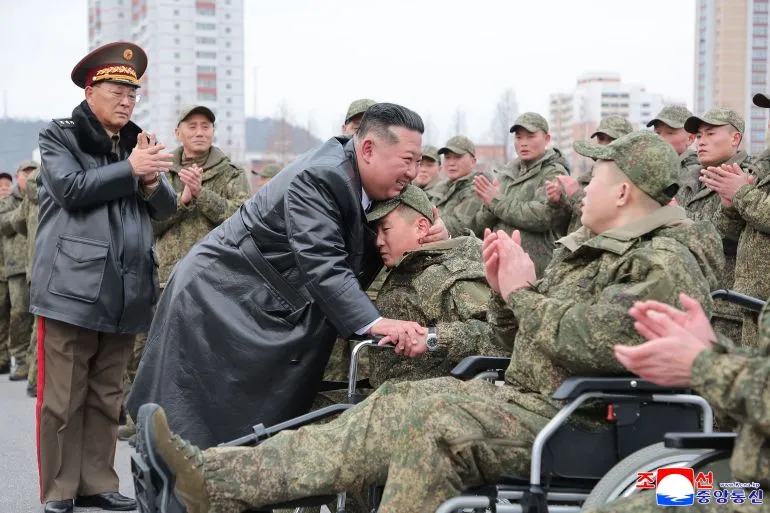
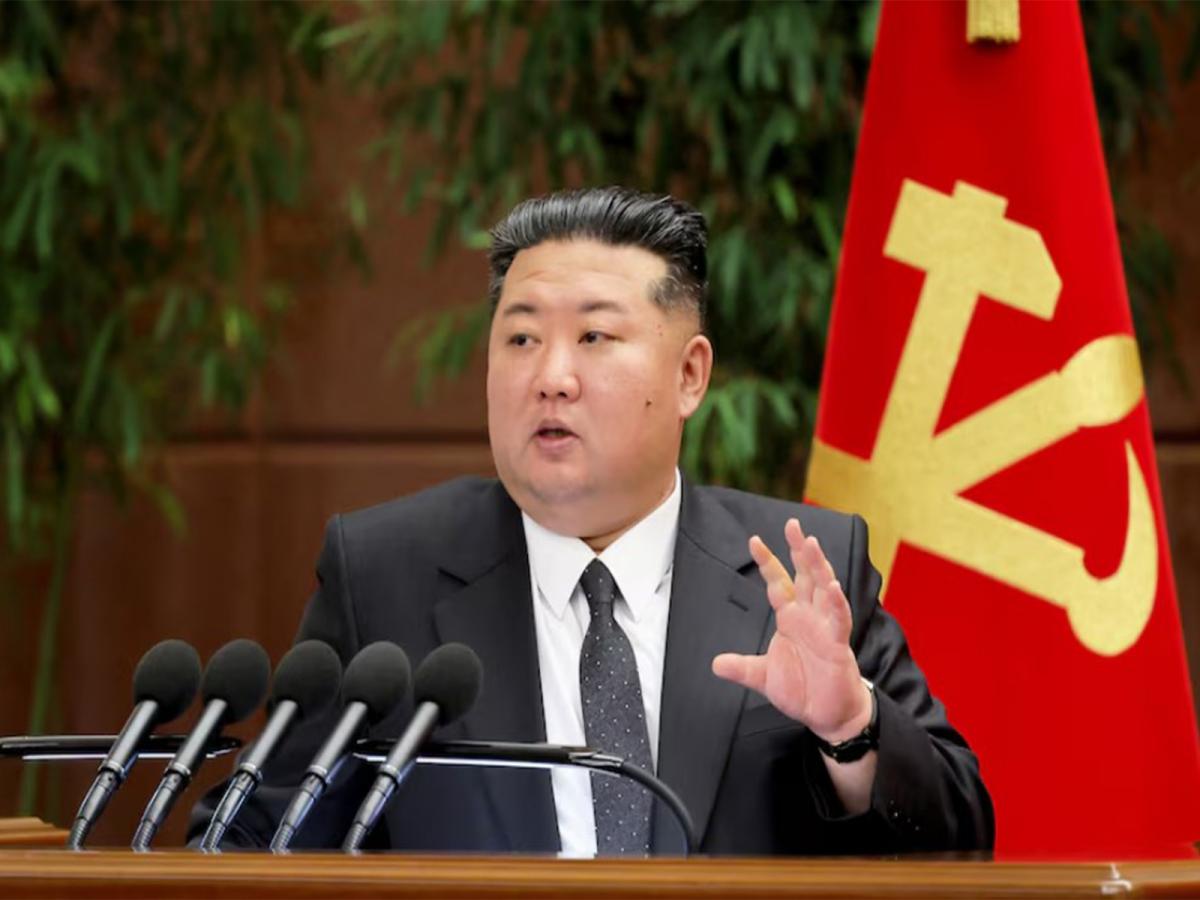
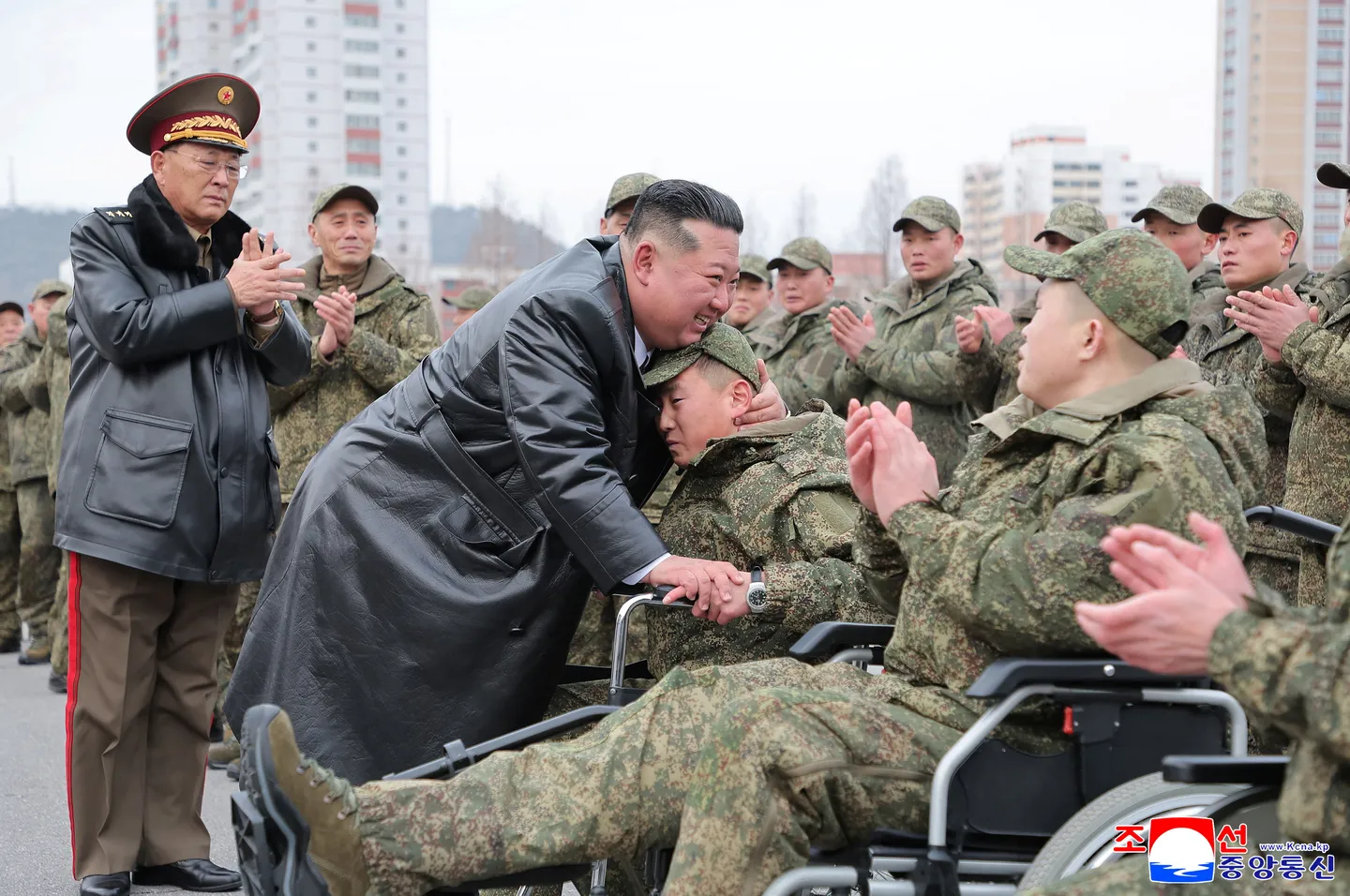
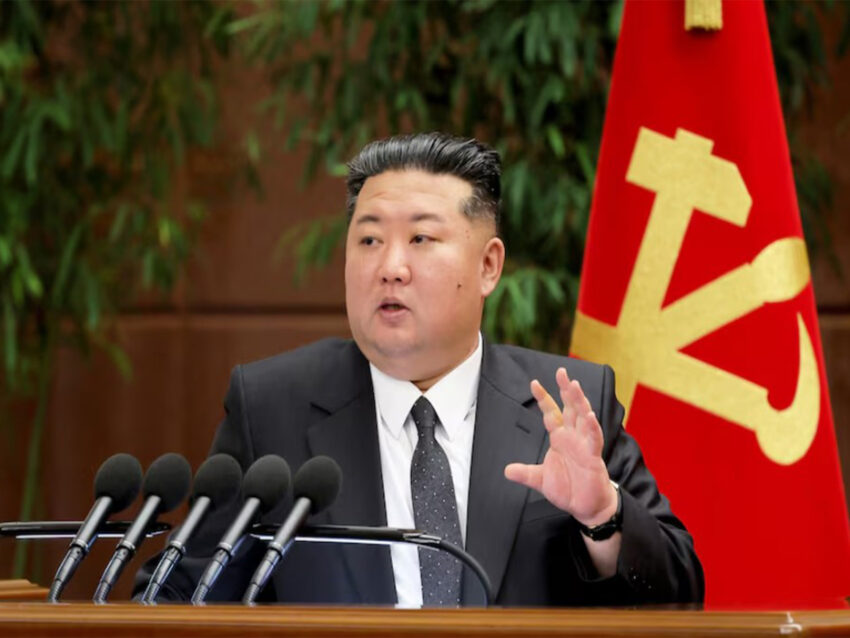
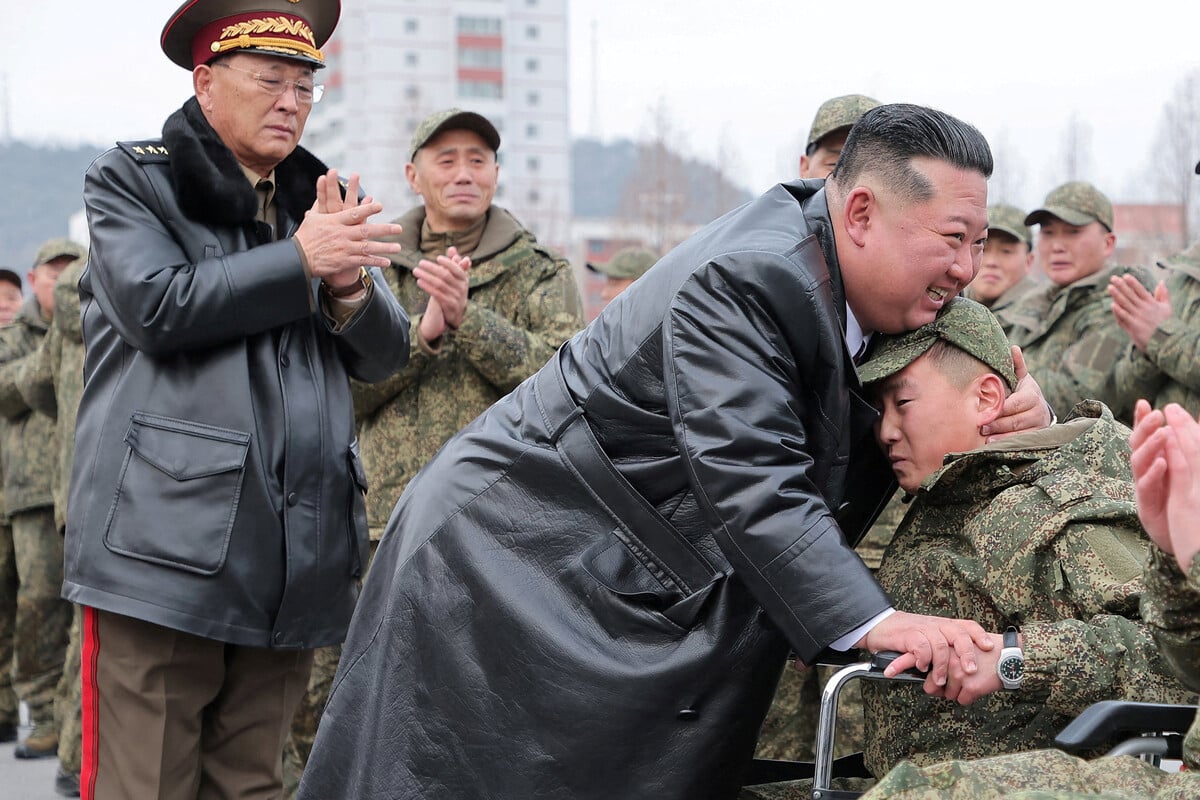
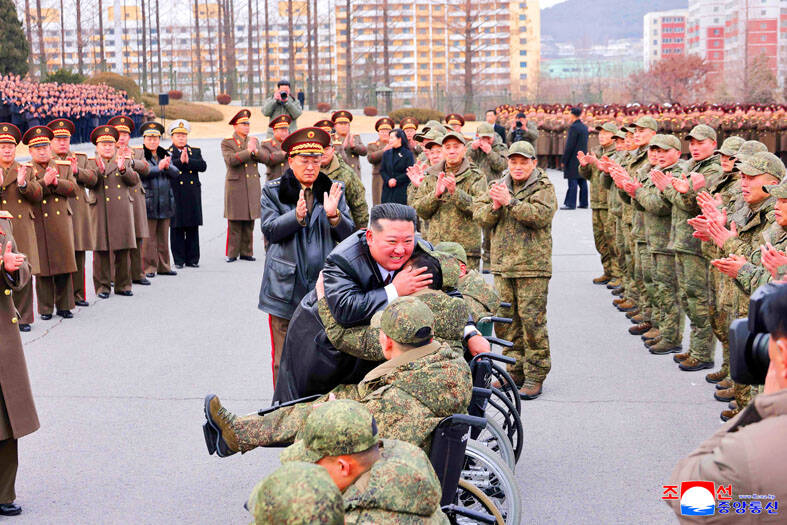
The high-profile welcoming ceremony in Pyongyang, attended by senior military officials and ruling party leaders, signals more than a routine military return. By awarding the Order of Freedom and Independence and granting Hero status to fallen soldiers, Kim Jong Un is publicly legitimizing North Korea's direct military engagement in an international conflict. This move represents a strategic recalibration of North Korea's international positioning, potentially breaking its historical diplomatic isolation.
The deployment reveals a multilateral power realignment where traditional geopolitical boundaries are becoming increasingly fluid. North Korea's willingness to commit significant military resources to Russia's Ukrainian operation suggests a calculated geopolitical strategy—trading military support for potential economic and diplomatic advantages. For global strategic analysts, this represents a critical inflection point in understanding emerging international power dynamics.
Critically, this collaboration transcends mere military support. It symbolizes a geopolitical partnership that challenges existing international order, demonstrating how smaller powers can leverage strategic alignments to gain global relevance. The human cost—nine North Korean soldiers killed, described by Kim as a "heartrending loss"—underscores the real-world implications of these grand strategic maneuvers.
Questions 3
How significant are the reported North Korean casualties in this deployment?
The reported 6,000+ casualties out of 14,000 deployed soldiers represent an extraordinarily high loss rate, indicating the intense nature of the military engagement and North Korea's commitment to supporting Russia's objectives in Ukraine.
What does this military collaboration mean for global geopolitical dynamics?
This deployment signals a potential realignment of international power structures, challenging existing diplomatic norms. It demonstrates how smaller powers can leverage strategic partnerships to gain global relevance and influence beyond traditional diplomatic channels.