




North America Economic Divergence | Seller Risk Alert April 2026
- U.S. job growth masks record consumer fear; Canada sheds 112K jobs in 4 months; logistics costs surge as geopolitical tensions threaten cross-border trade

















Overview
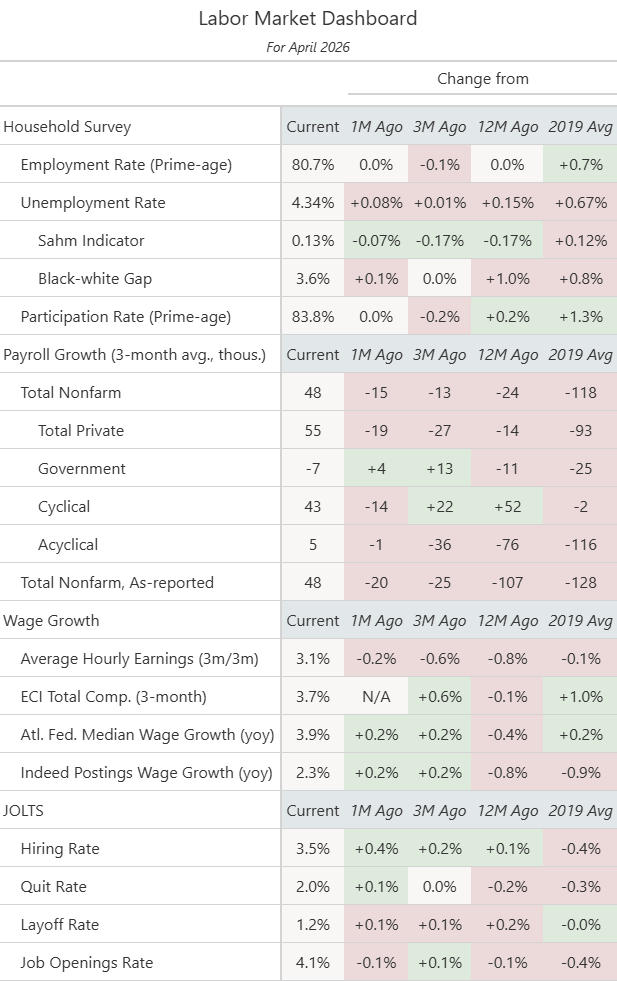
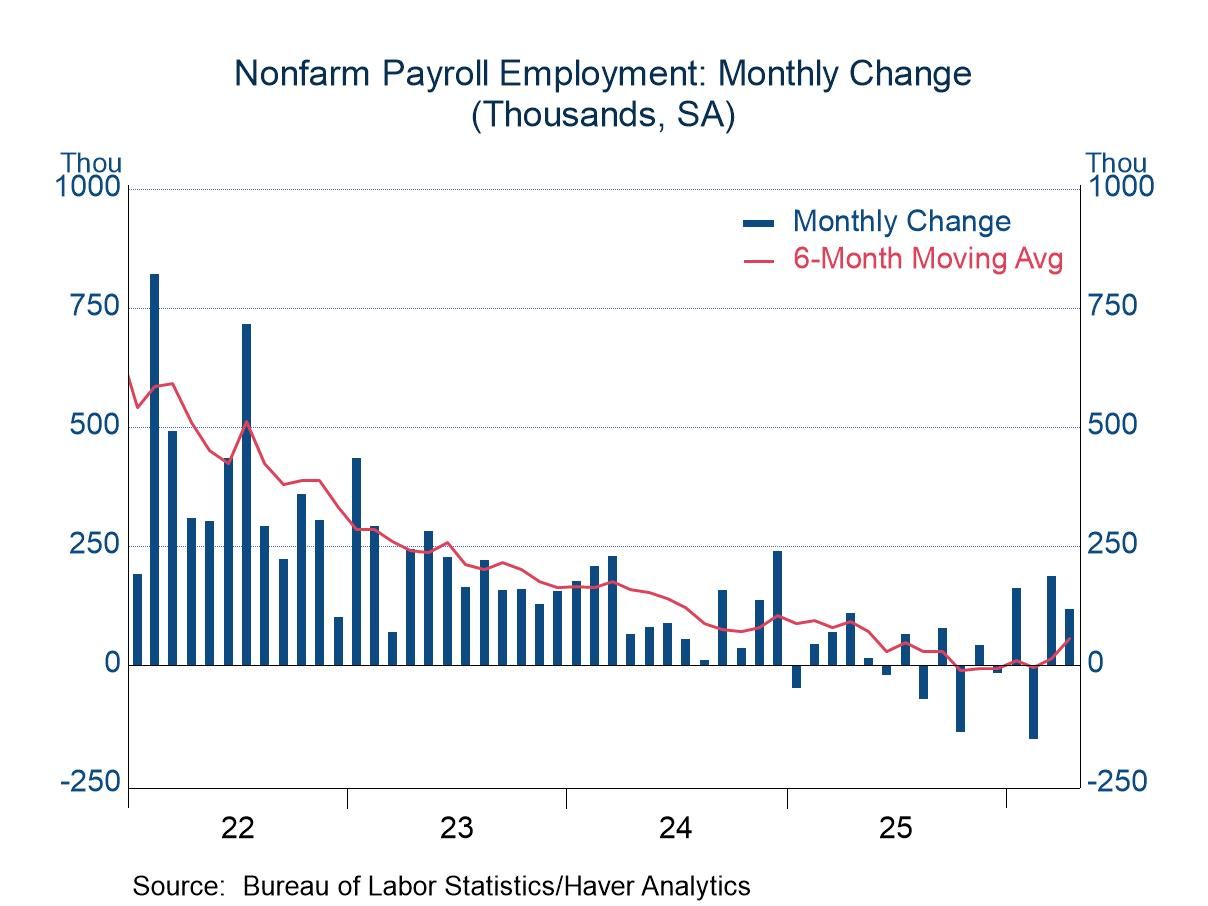
The April 2026 North American economic data presents a critical paradox for cross-border e-commerce sellers: while the U.S. labor market demonstrates resilience with employers adding more jobs than expected for a second consecutive month and unemployment holding steady at 4.3%, consumer sentiment has collapsed to historic lows. The University of Michigan's confidence gauge hit record lows driven by inflation concerns and rising living costs, with gasoline prices breaching $4.50 per gallon—the highest since July 2022. This divergence creates severe uncertainty for sellers dependent on discretionary spending, as employed consumers are increasingly anxious about household budgets.
The Canadian market presents acute risk for cross-border sellers. Canada's economy contracted significantly, shedding 112,000 jobs in the first four months of 2026—the weakest performance since the 2021 pandemic. April alone saw 17,700 job losses, pushing unemployment to 6.9%, well above economist expectations of 6.7%. Critically, losses concentrated in full-time positions, signaling structural economic challenges rather than temporary fluctuations. Canadian economists directly attribute this weakness to global trade tensions and geopolitical conflicts involving the U.S., which directly impact cross-border trade dynamics that many sellers depend on.
Operational costs are rising across North America. Elevated energy prices (gasoline at $4.50+/gallon) increase logistics expenses for all sellers shipping to or from Canada and the U.S. These cost pressures compound margin compression from reduced consumer spending. The geopolitical tensions mentioned by Canadian economists could further complicate supply chains and trade relationships critical to cross-border operations, potentially triggering tariff increases or customs delays.
For sellers, the immediate impact breaks into three segments: (1) U.S.-focused sellers face a consumer spending cliff despite employment stability—discretionary categories (apparel, home goods, electronics) will likely see 15-25% demand reduction as anxious consumers prioritize essentials; (2) Canadian-focused sellers face direct market contraction with unemployment rising 0.2 percentage points above expectations, signaling accelerating job losses; (3) Cross-border sellers face dual headwinds: reduced Canadian consumer demand plus rising logistics costs that compress margins by 8-12% on shipments to Canada. The Federal Reserve's signal to maintain interest rates unchanged suggests no near-term relief for consumer confidence, extending this uncertainty through Q2-Q3 2026.
Questions 8
What immediate actions should sellers take in the next 30 days?
Execute these priority actions: (1) Audit inventory allocation by geography—reduce Canadian inventory 25-35%, U.S. discretionary inventory 20-30%; (2) Review logistics contracts for fuel surcharge clauses and lock in rates for 30-60 days; (3) Calculate margin compression impact: multiply current monthly revenue by 8-12% to quantify logistics cost increases; (4) Segment products by discretionary vs. essential and adjust pricing/promotion accordingly; (5) Subscribe to USTR trade alerts and Statistics Canada employment reports for real-time policy changes; (6) Establish weekly inventory velocity tracking by geography and category; (7) Review cash reserves and establish contingency funding for margin compression. Complete these actions by May 15, 2026 to position for Q2 demand shifts.
What product categories will see the most demand decline in this economic environment?
Discretionary categories will face the steepest demand declines as consumers prioritize essentials despite employment stability. High-risk categories include: apparel (non-essential clothing), home décor, electronics (non-essential gadgets), toys, sporting goods, and luxury items. These categories typically see 15-25% demand reduction during consumer confidence crises. Conversely, essential categories show resilience: groceries, health/wellness products, basic clothing, and home maintenance items. If you operate in discretionary categories, implement aggressive promotional strategies (bundle deals, volume discounts) to maintain volume. Consider temporary category diversification into essential products. Monitor Amazon Best Seller Rank (BSR) and eBay sales velocity weekly by category to identify early demand shifts.