
Food Safety Alert: The Hidden Risks of Packaging Errors in Frozen Food Recalls
- Regulatory compliance challenges expose critical vulnerabilities in food manufacturing supply chains





Overview
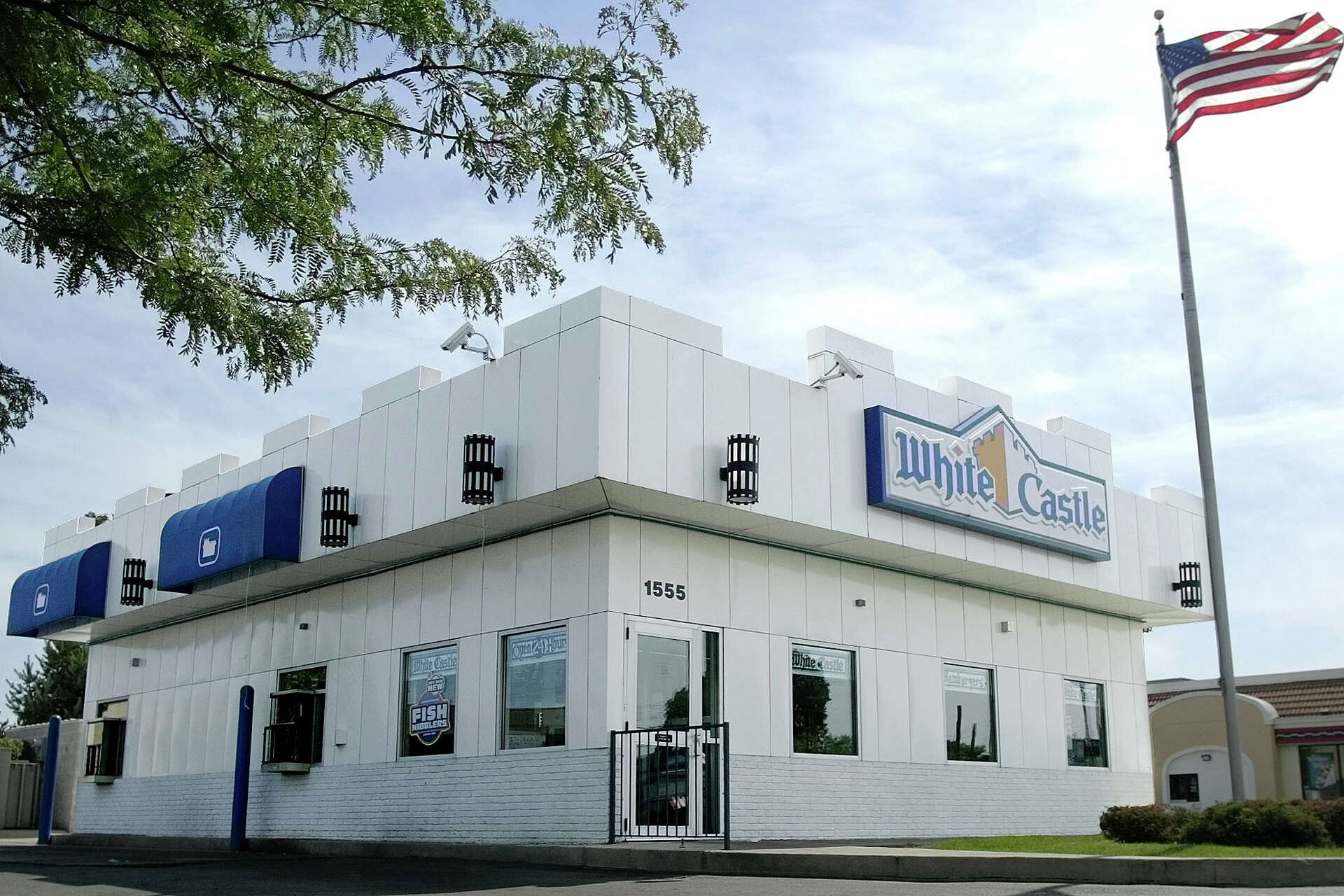
The White Castle slider recall reveals a critical intersection of food safety, regulatory compliance, and supply chain vulnerability that extends far beyond a single product incident. At its core, this event exposes the razor-thin margin for error in food packaging and allergen labeling that can transform a routine product into a potential health hazard.
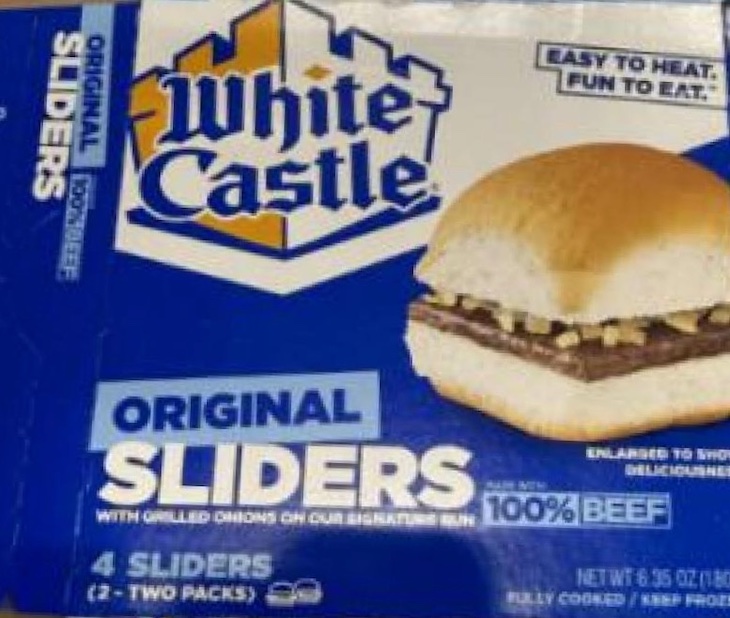
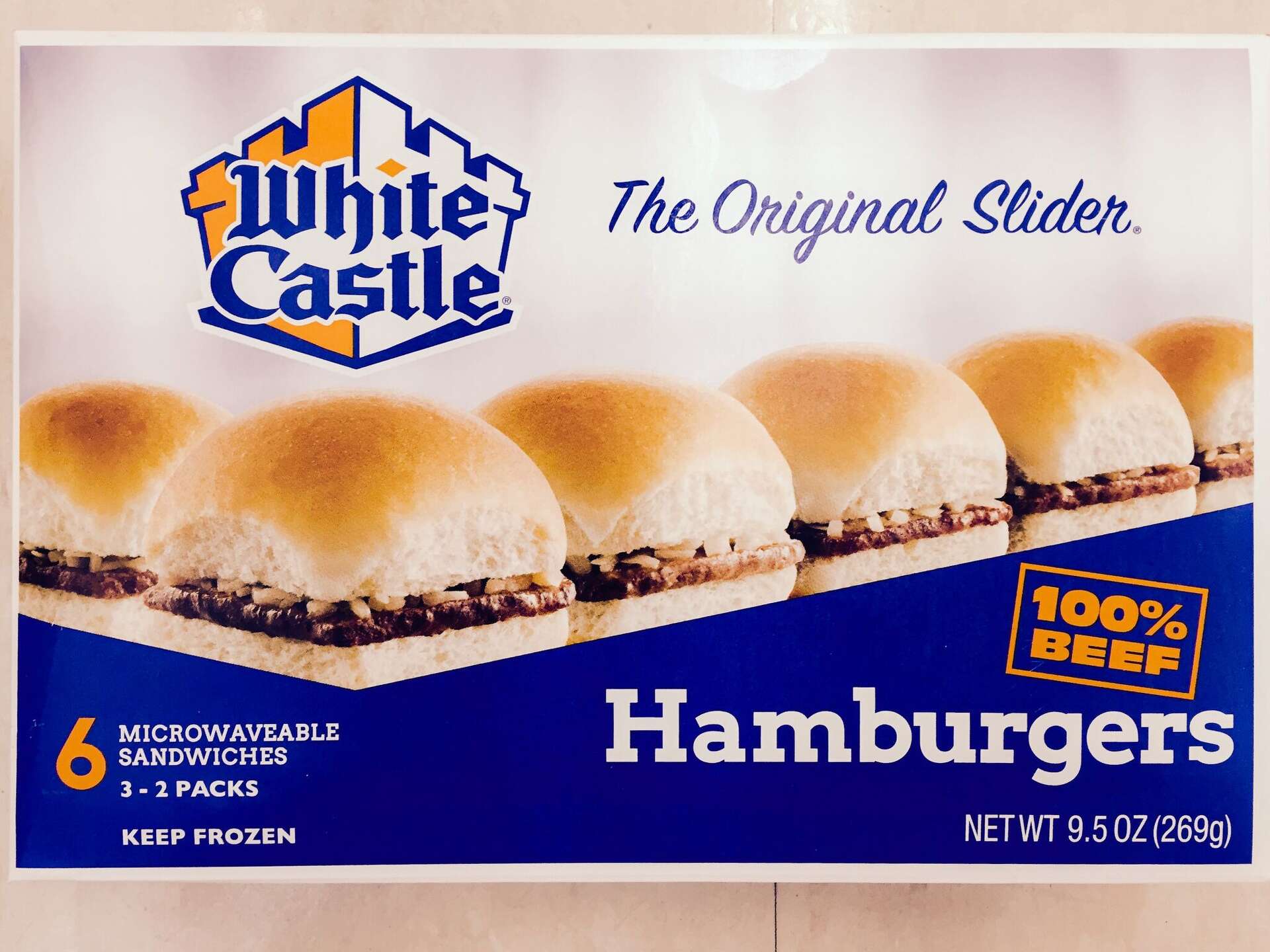
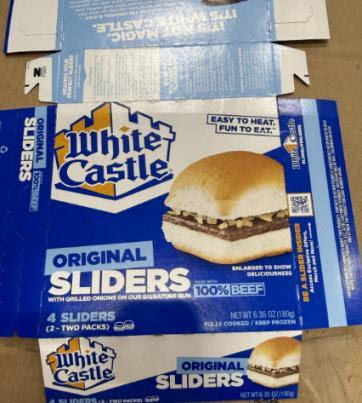
The recall's scope is particularly noteworthy: 1,021 cases of frozen sliders distributed across potentially all 50 U.S. states, with a critical packaging error that accidentally mixed Jalapeño Cheese Sliders into Original Slider boxes. This seemingly minor mistake creates significant compliance and safety risks, highlighting the intricate challenges food manufacturers face in maintaining rigorous quality control.
The incident demonstrates several key regulatory compliance dynamics. First, the rapid response mechanism is crucial - the recall was triggered by a single customer report, showing how consumer feedback acts as an early warning system. Second, the allergen labeling error represents a systemic risk that goes beyond this specific product. Undeclared milk and soy ingredients can trigger serious allergic reactions, transforming a packaging mistake into a potential life-threatening situation.
From a regulatory perspective, this recall underscores the increasing complexity of food safety standards. Manufacturers must now navigate an increasingly sophisticated landscape where:
- Packaging accuracy is not just a logistical issue, but a critical safety requirement
- Single incidents can trigger nationwide product withdrawals
- Consumer protection regulations demand near-perfect traceability and labeling precision
The strategic implications are profound. Food manufacturers must invest heavily in quality control technologies and packaging verification systems that can prevent such errors. The economic cost of a recall - including product loss, reputation damage, and potential legal liabilities - far outweighs the investment in preventative measures.
For regulatory compliance professionals, this incident serves as a critical case study in the high-stakes world of food safety. It demonstrates that compliance is not just about meeting minimum standards, but about creating robust systems that can prevent errors before they reach consumers.
Questions 3
What makes this White Castle recall particularly significant for food manufacturers?
The recall highlights the critical importance of precise allergen labeling and packaging verification. A single packaging error involving just 1,021 cases can trigger a nationwide withdrawal, demonstrating how minor mistakes can create substantial regulatory and safety risks for food manufacturers.
How can food companies prevent similar packaging errors?
Companies should invest in advanced quality control technologies, implement multi-stage verification processes, and create robust traceability systems. This includes automated label checking, cross-referencing packaging contents, and establishing rapid response protocols for potential mislabeling incidents.