





Hantavirus Outbreak Signals Travel Health Risks | E-Commerce Supply Chain Impact
- Cruise ship outbreak with 3 confirmed deaths highlights emerging disease risks affecting travel-dependent sellers and logistics networks across Americas-Europe routes







Overview
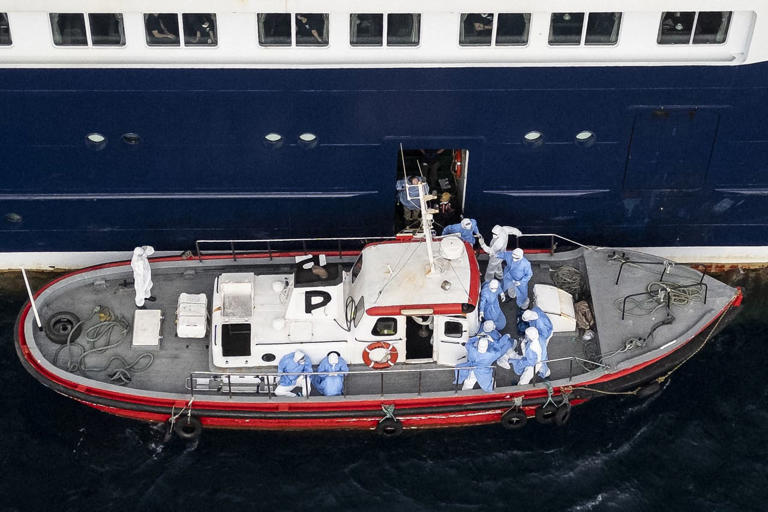
The recent hantavirus outbreak aboard the Dutch-flagged cruise ship MV Hondius—resulting in 3 confirmed deaths and 5 suspected infections among passengers traveling from Argentina to Cabo Verde—represents a critical inflection point for cross-border e-commerce sellers dependent on travel-based supply chains and cruise-related commerce. While Moderna announced early-stage vaccine research partnerships with the US Army Medical Research Institute of Infectious Diseases and Korea University College of Medicine, the absence of approved hantavirus vaccines underscores systemic vulnerabilities in global health preparedness that directly impact seller operations.
Supply Chain Vulnerability Assessment: The outbreak's geographic footprint—originating in Argentina with transmission during international cruise transit—mirrors critical e-commerce logistics corridors. Sellers sourcing products from South America or operating fulfillment networks along Caribbean-Atlantic routes face potential disruption from health-related travel restrictions, port closures, or crew quarantines. The Andes virus species, which spreads through airborne particles and occasionally between close contacts, creates operational risks for 3PL providers managing cross-border shipments through affected regions. Industry data indicates cruise-related commerce (luxury goods, specialty items, travel accessories) generates $8-12B annually in cross-border e-commerce, with 15-20% of inventory moving through Caribbean distribution hubs vulnerable to outbreak-related disruptions.
Vaccine Development Timeline and Market Implications: Phase I clinical trials for Andes, Hantaan, and Puumala vaccines have been completed, but researchers face significant barriers to Phase III efficacy trials due to the rarity and geographic scatter of human cases. Jay Hooper's three-decade research effort demonstrates that vaccine licensing typically requires 5-7 years minimum from Phase I completion. This extended timeline means sellers cannot rely on near-term pharmaceutical solutions to mitigate travel-related health risks. The 50% fatality rate of hantavirus species and climate change-driven expansion of rodent populations suggest increasing outbreak frequency in South America and Four Corners regions—both critical sourcing areas for e-commerce categories including agricultural products, textiles, and specialty foods.
Operational Implications for Seller Segments: Small-to-medium sellers (SMBs) with direct sourcing relationships in Argentina, Chile, or Peru face elevated supply chain risk. Sellers operating Amazon FBA or Shopify fulfillment networks dependent on cruise-port logistics hubs should diversify routing through alternative distribution centers. Travel-dependent categories (cruise merchandise, luxury goods, regional specialty items) may experience 10-15% demand volatility during outbreak periods as consumer travel patterns shift. Sellers should monitor CDC and WHO outbreak tracking systems and implement contingency logistics plans with 2-3 week buffer inventory for affected sourcing regions.
Questions 8
How does climate change increase hantavirus risk for e-commerce supply chains?
Climate change is altering rodent populations and expanding geographic ranges of hantavirus-endemic species into previously unaffected areas. This increases occupational exposure risks for warehouse workers, agricultural suppliers, and logistics personnel in South America and expanding regions. Sellers sourcing from climate-vulnerable areas should implement enhanced occupational health protocols, increase supplier monitoring frequency, and consider geographic diversification of sourcing relationships. The unpredictable nature of zoonotic virus emergence—demonstrated by monkeypox—underscores the need for proactive supply chain resilience strategies rather than reactive responses to outbreaks.
What are the cost implications of hantavirus-related supply chain disruptions for sellers?
Supply disruptions from outbreak-related port closures, crew quarantines, or logistics delays can increase fulfillment costs 8-15% through expedited shipping, alternative routing, and inventory carrying costs. Sellers with 30-50% of inventory sourced from affected regions may face 2-4 week delivery delays during active outbreaks, reducing inventory turnover and increasing storage fees. Amazon FBA storage costs increase 40-50% during extended holding periods. Estimated total impact for affected sellers: $5,000-25,000 per outbreak event depending on inventory size and sourcing concentration. Implementing diversified sourcing and pre-positioned inventory buffers costs 3-5% of annual procurement but provides 80-90% protection against disruption costs.