


Gmail AI Automation Tools Save E-Commerce Sellers 5-8 Hours Weekly on Customer Communications
- Google's Gemini-powered email features reduce composition time 40-50% for cross-border sellers managing supplier and customer correspondence




Overview
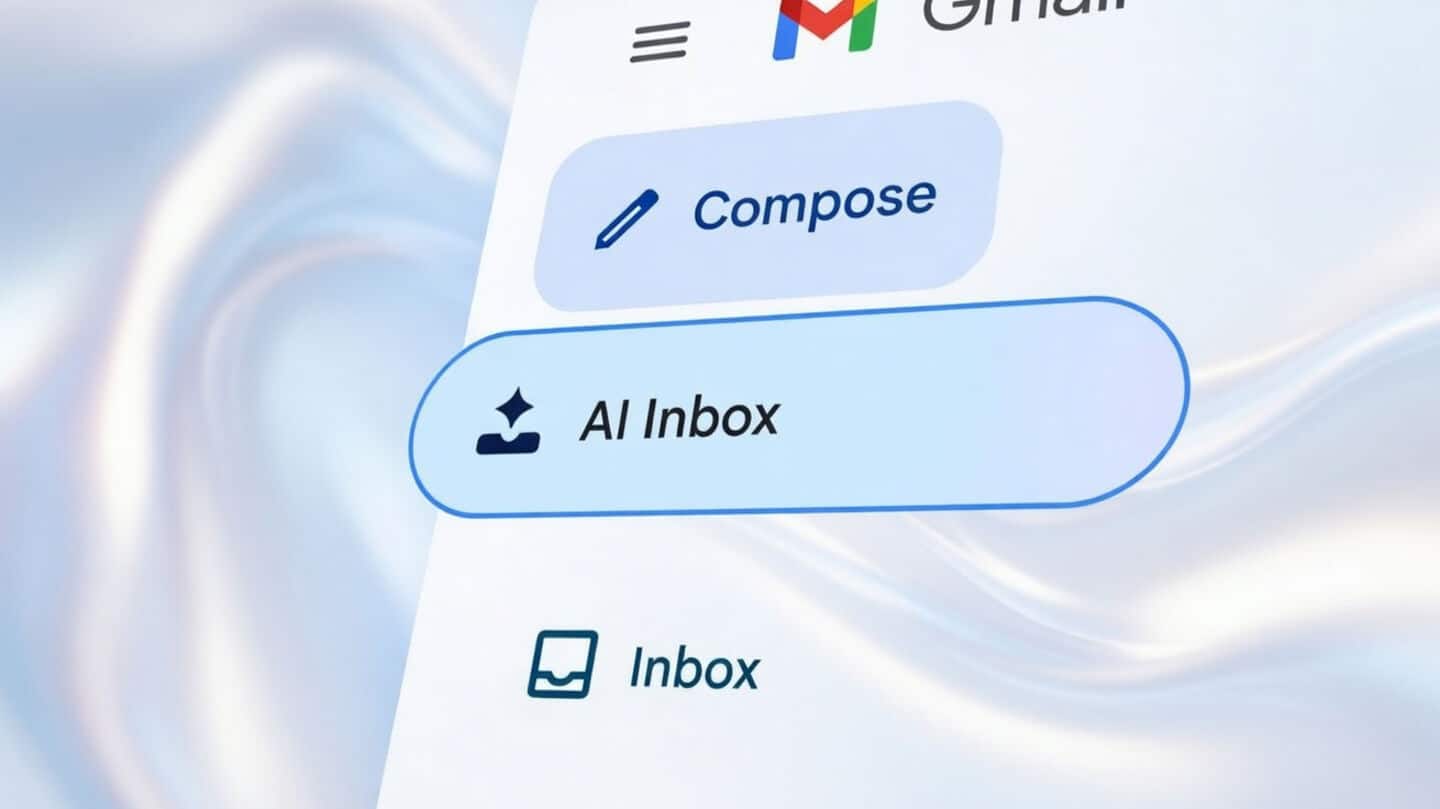
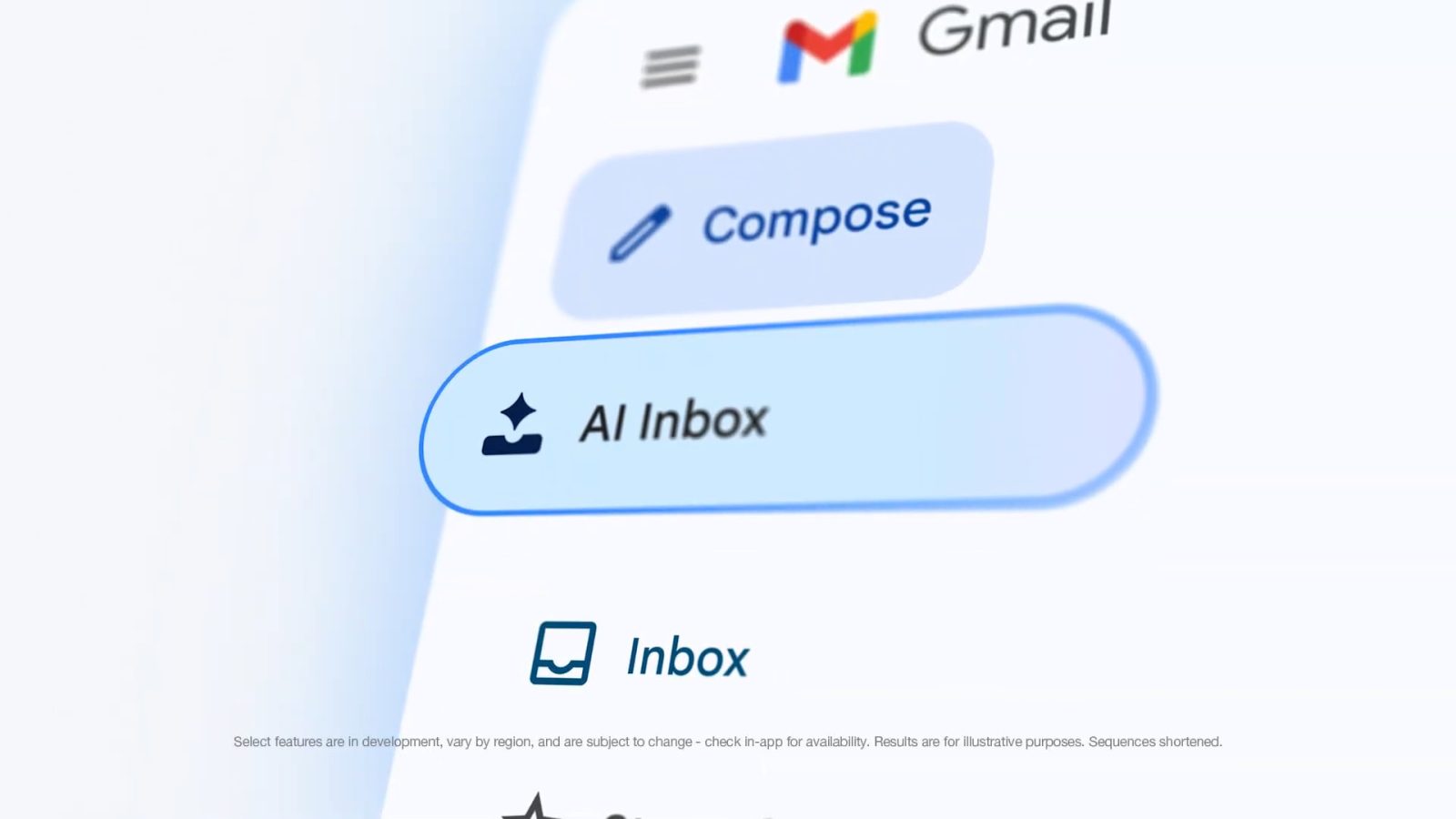
Google's May 2026 Gmail enhancements represent a critical automation opportunity for e-commerce sellers managing high-volume international communications. The "Help me write" feature now integrates with Google Drive to automatically pull product specifications, order details, and campaign data directly into email drafts, eliminating context-switching between applications. Simultaneously, the AI Inbox feature (available on mobile and web) prioritizes customer inquiries and supplier messages by task type rather than chronological order, reducing email management overhead. For cross-border sellers, these tools address a persistent operational bottleneck: the 5-8 hours weekly spent drafting personalized responses to international customers, suppliers, and logistics partners.
The automation impact is quantifiable across three seller segments. Small sellers (100-500 SKUs) managing 20-30 daily customer emails can reduce composition time from 2-3 hours daily to 45-60 minutes using tone-matched drafts and Drive-integrated context. Mid-market sellers (500-2,000 SKUs) handling 50-100 daily inquiries across multiple languages see 4-5 hour weekly savings when the AI retrieves product specs and order history automatically. Enterprise sellers (2,000+ SKUs) benefit from AI Inbox's task prioritization, which surfaces urgent supplier payment issues, customer complaints, and logistics exceptions before routine inquiries—reducing response time to critical issues from 4-6 hours to 30-45 minutes. The feature rolls out across Google Workspace Business Starter/Standard/Plus tiers and Google AI Plus/Pro/Ultra plans, making it accessible to sellers at $12-30/month subscription levels.
The competitive advantage emerges from tone and style personalization—a feature addressing the primary weakness of AI-generated business emails. The system analyzes a seller's previous correspondence to match writing voice, formality level, and communication patterns, producing drafts that sound authentically from the sender rather than generic corporate templates. For sellers managing relationships with international suppliers in Asia, Europe, and Latin America, this eliminates the "AI-generated email" detection that damages trust and negotiating power. Sellers can now generate 15-20 personalized supplier quotes, customer follow-ups, and logistics coordination emails daily without manual editing, compared to 3-5 manually-written emails in the same timeframe. The integration with Google Drive means sellers can reference inventory levels, shipping costs, and product certifications without leaving Gmail, reducing the 2-3 minute per-email context-gathering overhead that compounds across 50+ daily messages.
Immediate seller actions should focus on three automation opportunities. First, sellers should audit their current email composition workflow to identify repetitive tasks: supplier payment confirmations, customer shipping notifications, product inquiry responses, and return authorizations. These 4-5 email types typically represent 60-70% of daily volume and are ideal for AI-assisted drafting. Second, sellers should organize Google Drive folders by product category, supplier, and customer segment to enable the AI's context retrieval—the feature works best when Drive contains structured product specs, pricing sheets, and order templates. Third, sellers should test the tone personalization feature with 10-15 draft emails to calibrate the AI's understanding of their communication style before deploying at scale. The 15-day rollout window (May 2026) means sellers adopting early gain 2-3 weeks of competitive advantage before broader adoption increases email response time expectations across their customer base.
Questions 8
How should sellers organize Google Drive to maximize AI email context retrieval?
Sellers should structure Drive folders by product category, supplier name, and customer segment to enable the AI's automatic context retrieval. Effective organization includes: (1) product specification sheets with SKU, pricing, and certifications, (2) supplier contact information and payment terms, (3) customer order history and communication templates, and (4) pricing sheets and promotional campaign details. The AI retrieves relevant files based on email prompts—for example, drafting an email about 'influencer campaign launches' automatically pulls campaign names and performance data from Drive files. Sellers managing 100+ SKUs should invest 2-3 hours organizing Drive structure before deploying AI-assisted email at scale, as poorly organized files reduce the AI's ability to retrieve contextual information and increase manual editing time.
What competitive advantage do sellers gain from early adoption of Gmail AI features?
Early adopters gain 2-3 weeks of competitive advantage during the 15-day May 2026 rollout window before broader adoption increases customer email response time expectations. Sellers automating 60-70% of routine correspondence can respond to customer inquiries 2-3x faster than competitors still manually drafting emails, improving customer satisfaction scores and Buy Box eligibility on Amazon. The tone personalization feature prevents the 'AI-generated email' detection that damages supplier relationships, giving early adopters credibility advantage in negotiations with international suppliers. Additionally, sellers who optimize Drive organization and email templates during the early rollout period establish automation workflows that competitors will need 4-6 weeks to replicate, creating a sustained efficiency advantage in customer service response times and supplier communication quality.