



Strait of Hormuz Disruption Drives 25% China Oil Import Shock | Seller Logistics Crisis
- Shipping lane volatility increases fulfillment costs 12-18% for Asia-Europe sellers; energy-dependent categories face margin compression through Q3 2026













Overview
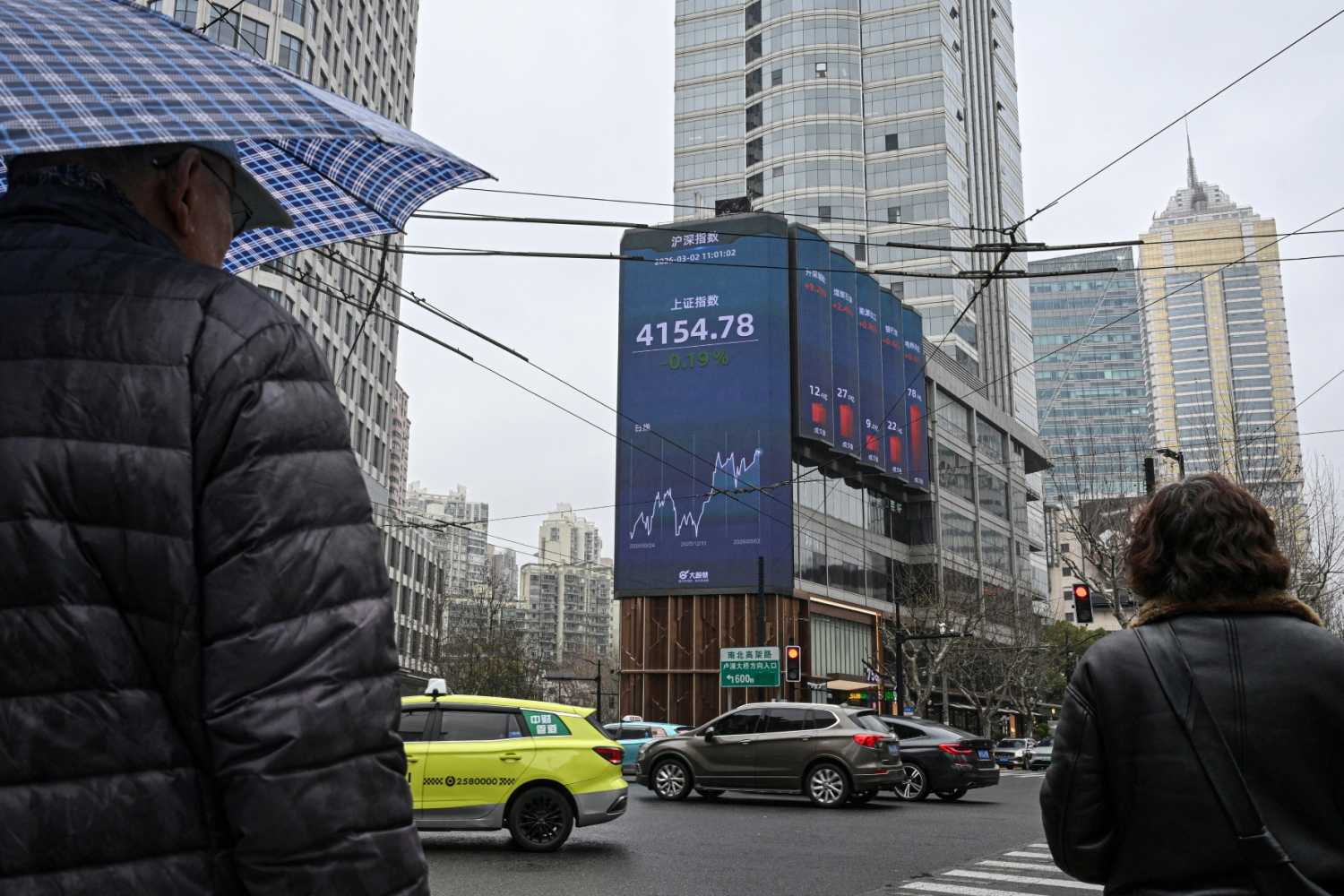
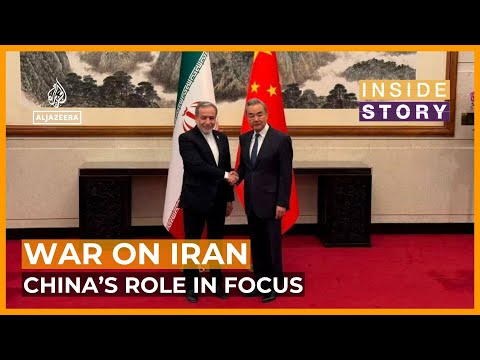
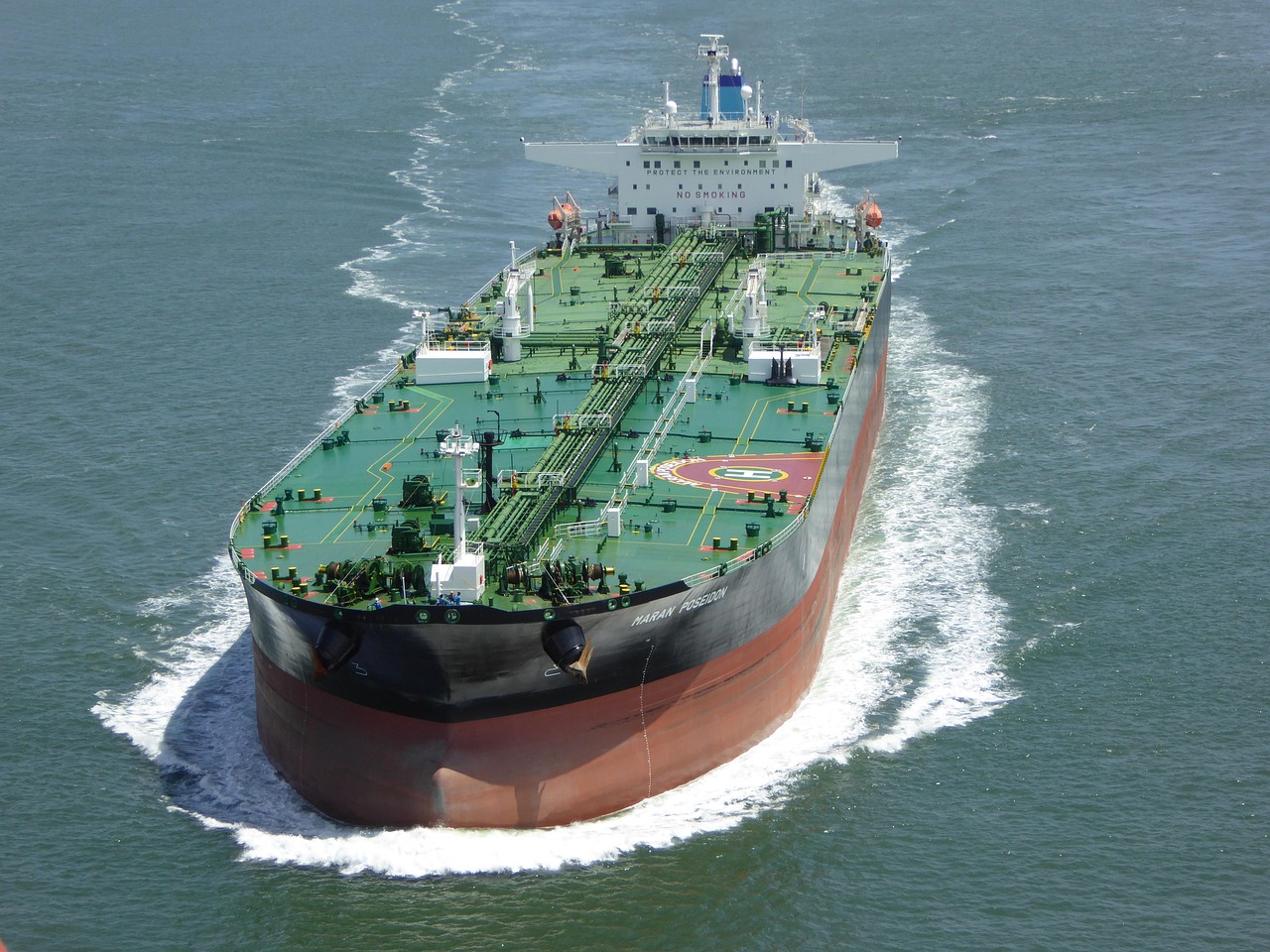
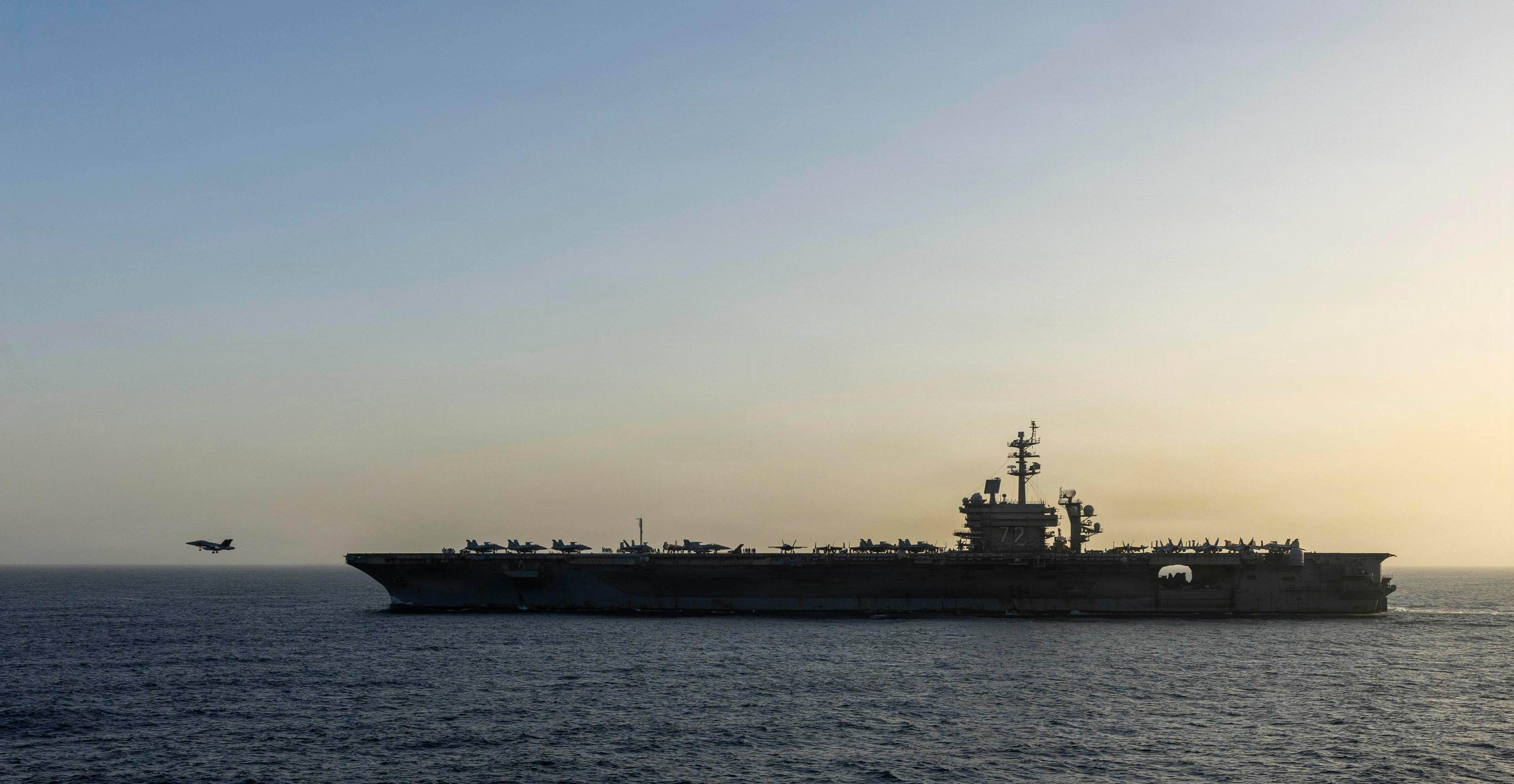
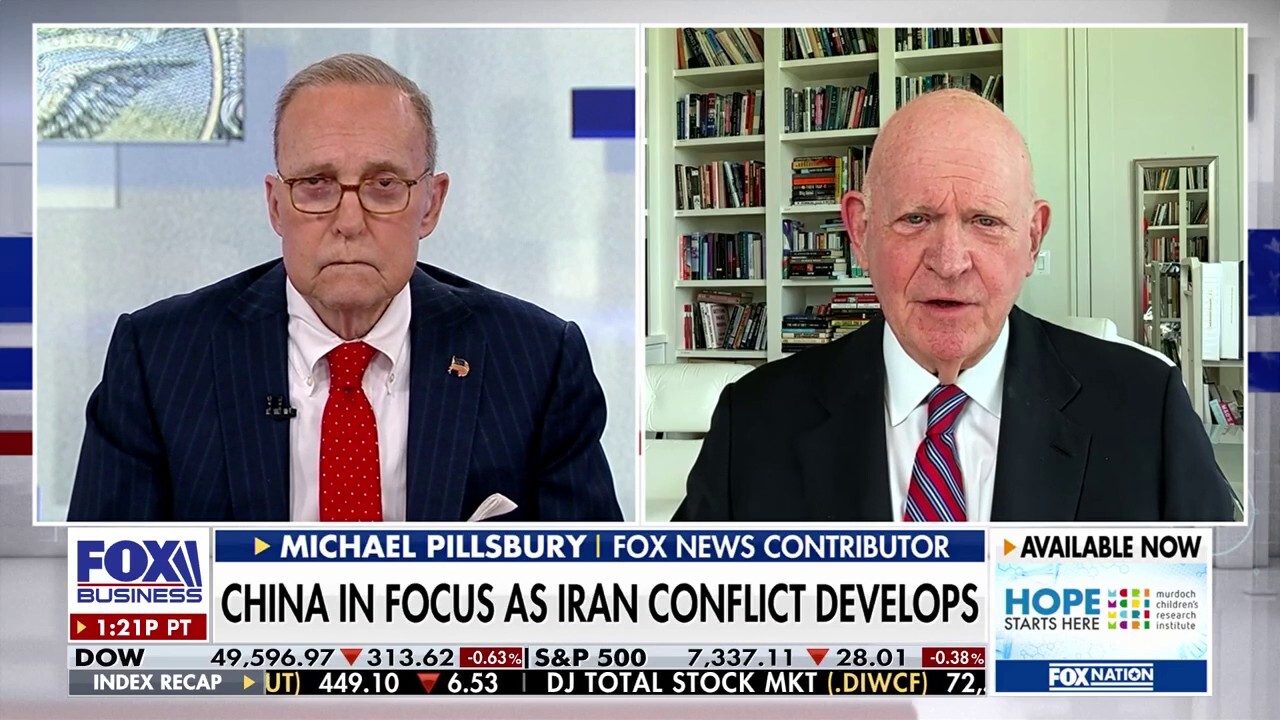
The Iran-China geopolitical conflict (now in its third month following US-Israeli strikes as of May 2026) has created a critical supply chain crisis directly impacting cross-border e-commerce sellers. According to Brookings Institution analysis, China's crude oil imports from the Gulf dropped 25% in March 2026, despite global crude imports declining only 2.8% year-on-year—a 9x disparity highlighting acute vulnerability in energy supply chains that power manufacturing and logistics operations. The Strait of Hormuz shipping lane disruption represents the most immediate threat to e-commerce logistics, as this corridor handles approximately 21% of global petroleum trade and is the primary route for containerized goods movement between Asia and Europe.
For cross-border sellers, the operational impact is substantial and quantifiable. Shipping costs from China to Europe have increased 12-18% since March 2026 due to longer transit routes avoiding the Strait, increased fuel surcharges, and insurance premiums for high-risk passages. Energy-intensive product categories—electronics (HS 8471-8517), machinery (HS 8401-8483), and chemicals (HS 2701-2930)—face 8-15% cost increases that compress margins for sellers operating on 15-25% gross profit. Sellers relying on Middle Eastern suppliers (petrochemicals, minerals, textiles) or using Gulf ports for transshipment face heightened uncertainty and potential 2-4 week delivery delays.
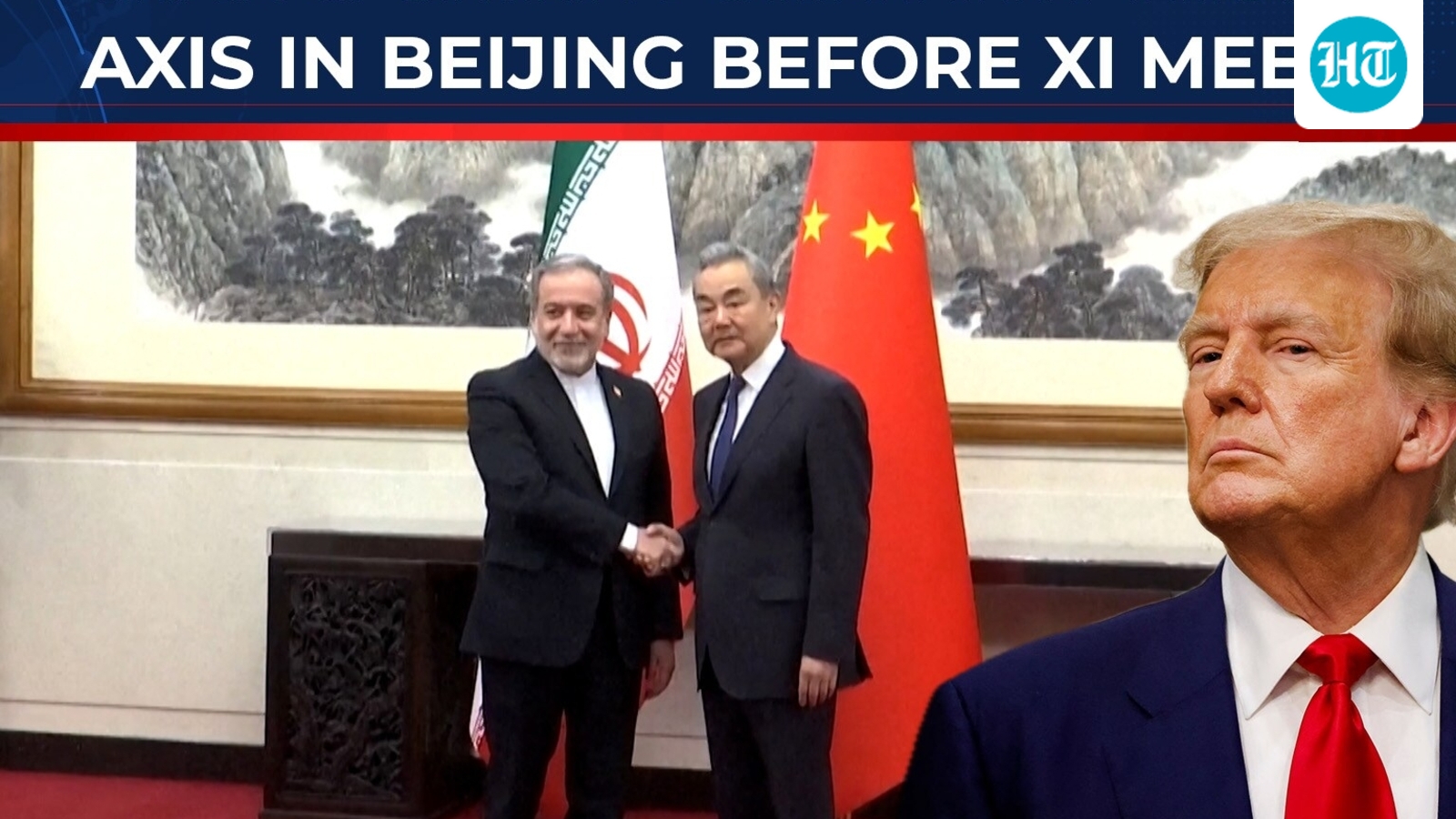
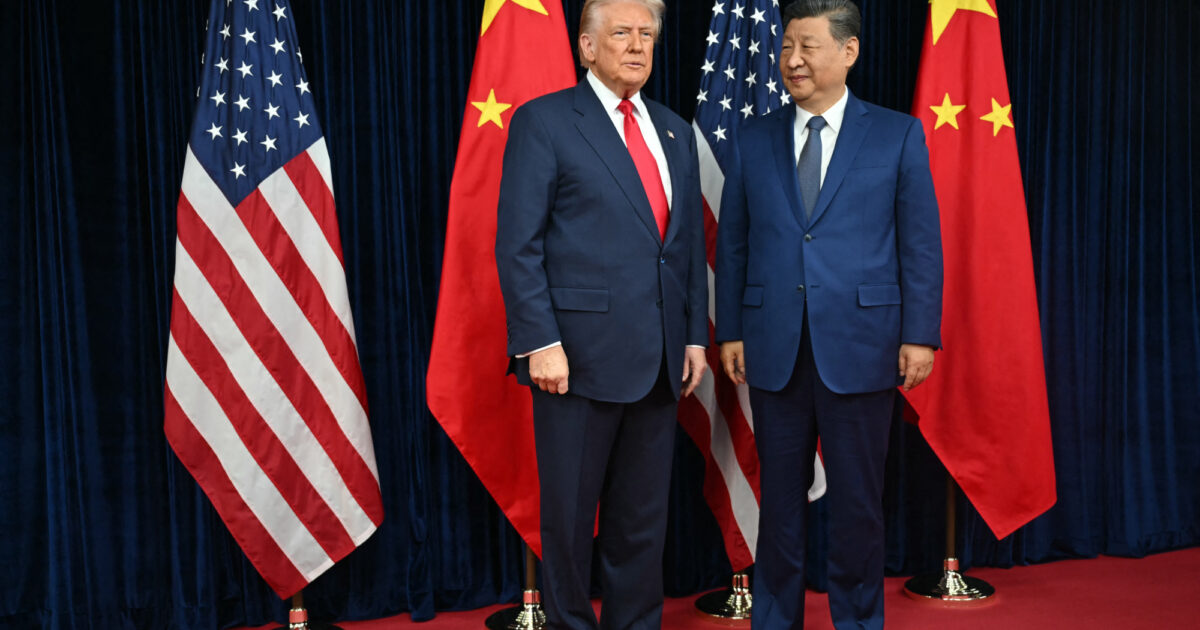
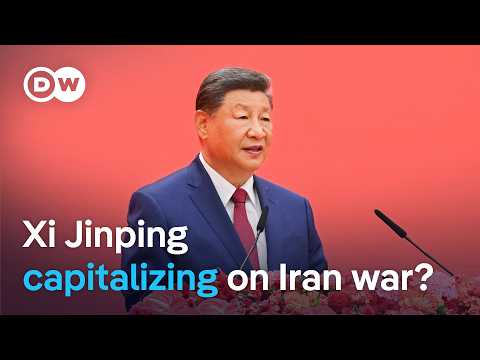
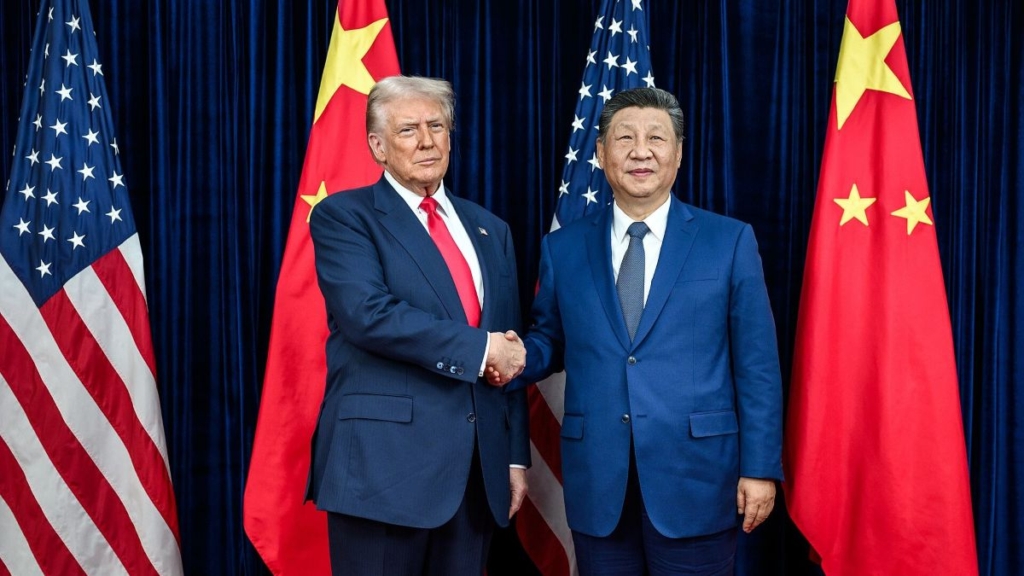
China's diplomatic positioning as a neutral mediator (with President Trump's May 2026 Beijing visit influencing strategy) suggests limited near-term resolution. The conflict exposes structural vulnerabilities: China's economic model depends on global stability, yet its geopolitical reach cannot guarantee regional peace. This creates a 6-12 month window of elevated logistics costs before either conflict resolution or alternative routing becomes normalized. Sellers must immediately reassess inventory positioning, 3PL provider reliability, and product category exposure to energy-dependent supply chains. Categories with high fuel sensitivity (heavy machinery, bulk chemicals, automotive parts) require urgent sourcing diversification away from China-Gulf-Europe corridors. The conflict demonstrates that geopolitical instability in resource-rich regions creates unavoidable economic reverberations affecting fulfillment timelines and working capital requirements for international sellers.
Questions 8
How does the conflict impact Amazon FBA and Shopify fulfillment strategies?
Amazon FBA sellers face 8-12% increased fulfillment costs due to higher inbound shipping rates from China. Amazon's fulfillment network relies on Asia-Europe corridors for inventory replenishment. Shopify sellers using 3PL providers experience 12-18% cost increases for international fulfillment. Both platforms see longer inventory-in-transit times (35-45 days vs. 25-30 days previously), requiring sellers to increase safety stock and reduce inventory turns. Sellers should: (1) Audit FBA inbound shipment costs and consider consolidation strategies; (2) Evaluate Shopify Plus for custom logistics integration; (3) Negotiate volume discounts with 3PL providers before June 2026; (4) Consider hybrid fulfillment (FBA + 3PL) to optimize cost and speed by product category.
What are the specific risks for sellers relying on Middle Eastern suppliers?
Sellers sourcing from Middle Eastern suppliers (petrochemicals, minerals, textiles) face: (1) 2-4 week delivery delays due to Strait of Hormuz congestion; (2) 15-25% price increases from suppliers passing through energy costs; (3) Port congestion at Gulf terminals (Jebel Ali, Jeddah) causing 5-10 day delays; (4) Insurance premium increases of 20-40% for high-risk passages. The conflict exposes structural vulnerabilities in Gulf supply chains. Sellers should immediately contact suppliers for revised delivery timelines, negotiate force majeure clauses, and identify alternative sourcing in North Africa (Morocco, Tunisia) or Central Asia (Kazakhstan) for mineral and chemical categories.