


Russia Victory Day Parade 2026 | Supply Chain Risk for Cross-Border Sellers
- Escalating Ukraine conflict signals 15-25% shipping delays to Russia; Eastern European logistics hubs face disruption through Q3 2026









Overview
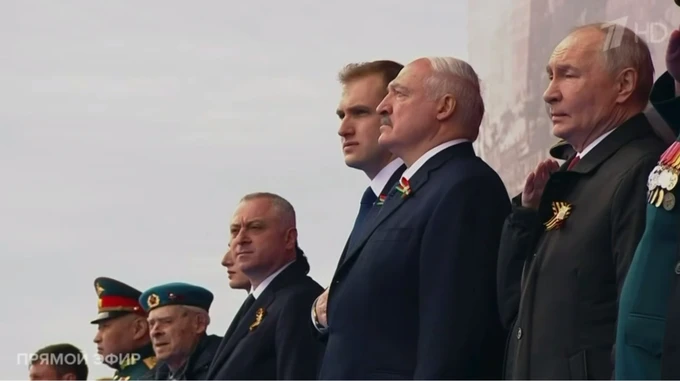
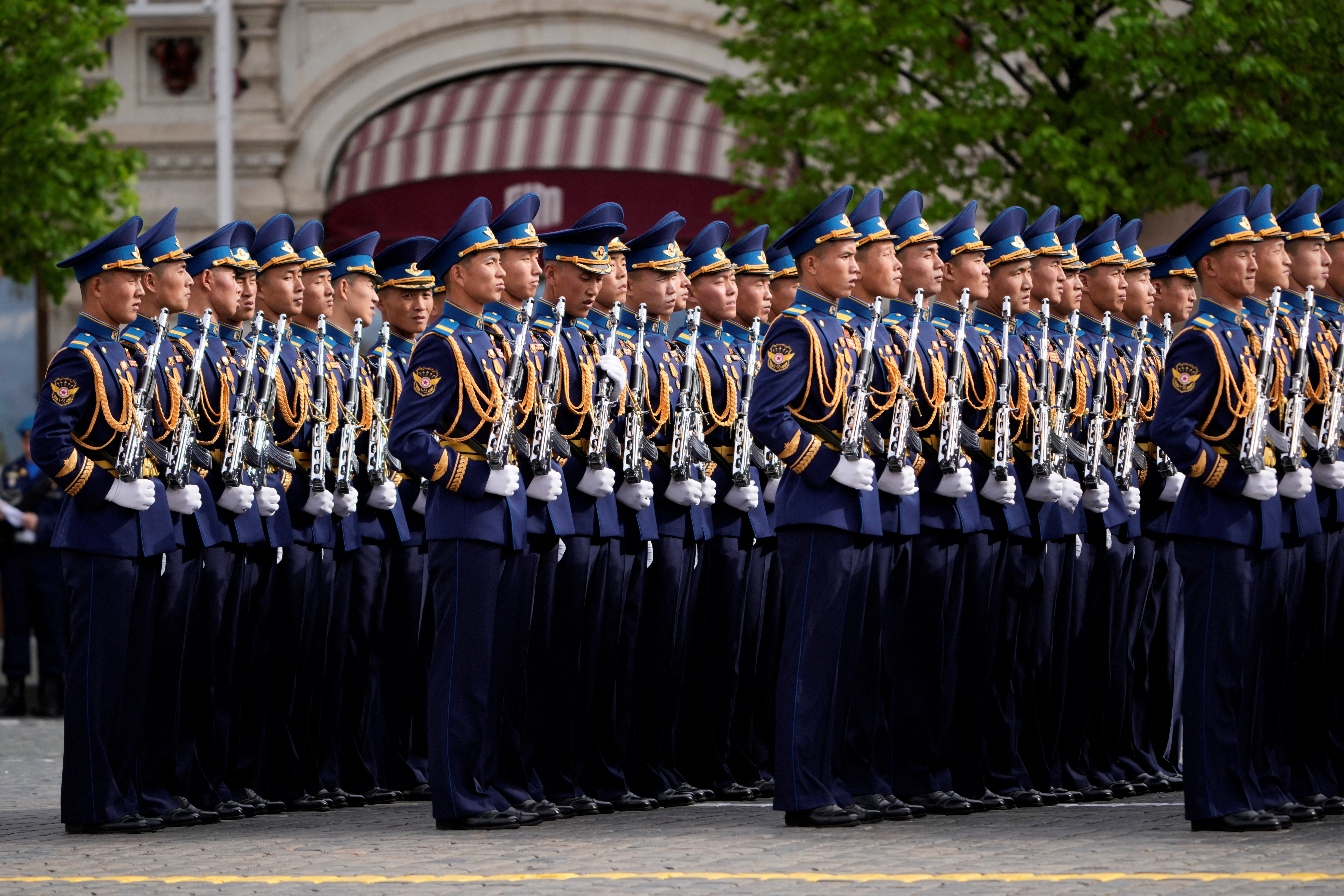
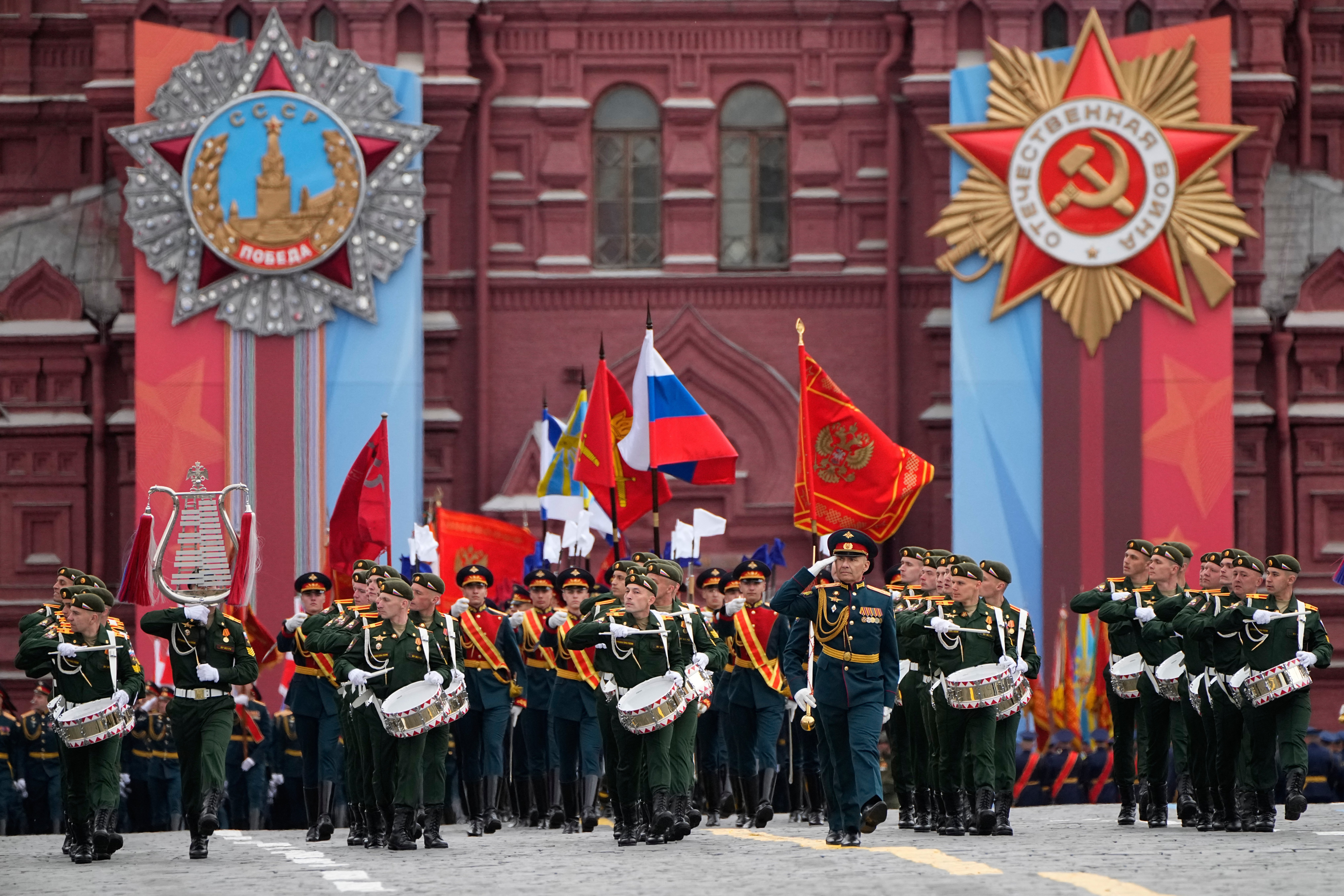
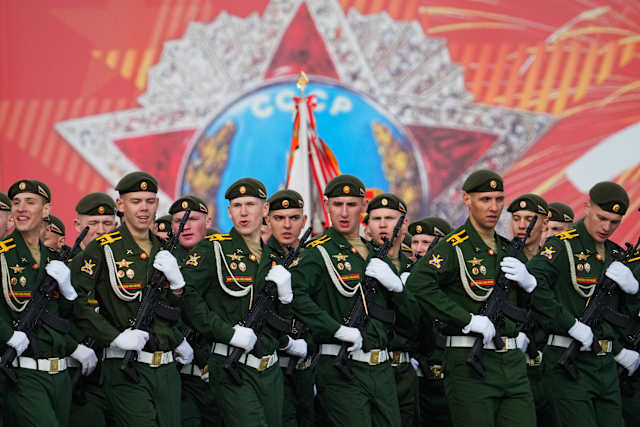
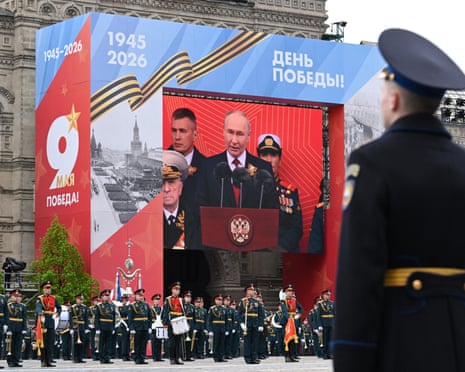
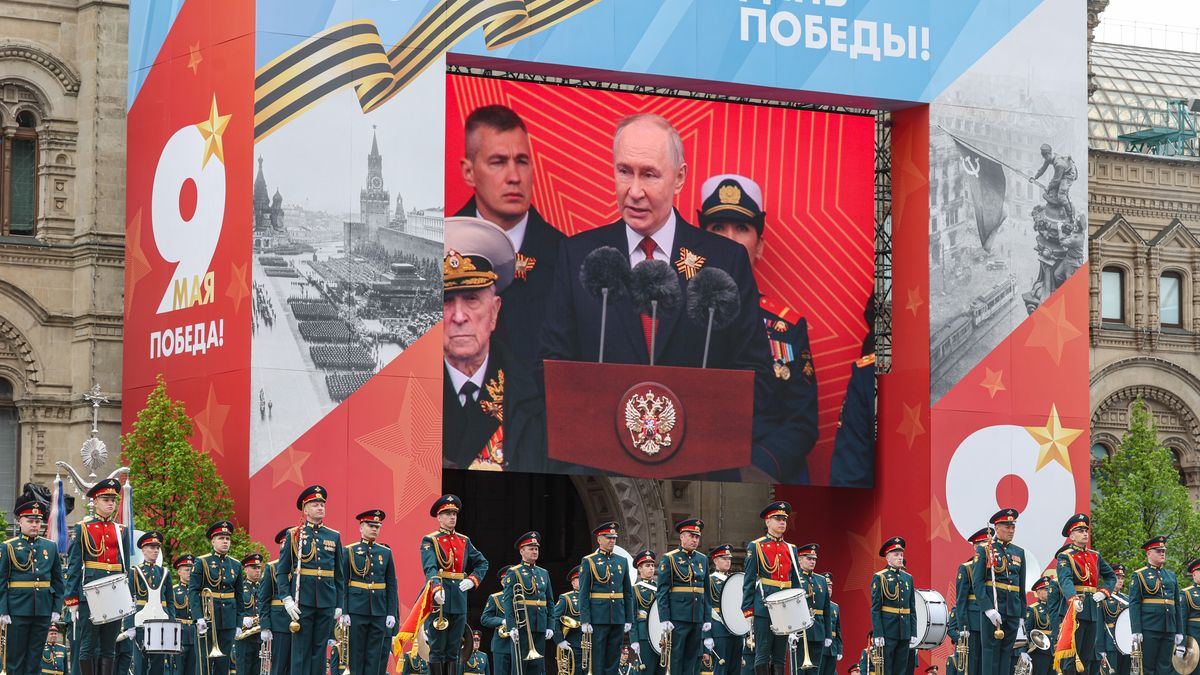
Russia's significantly downsized Victory Day military parade on May 9, 2026—the first in nearly 20 years to exclude tanks, missiles, and heavy weapons—signals deepening operational strain on Russian military resources and escalating geopolitical instability that directly impacts cross-border e-commerce sellers. The parade's reduction from traditional large-scale displays to personnel-only formations, combined with heightened security measures and drone attack concerns, reflects the ongoing Ukraine conflict now in its fifth year. This development carries substantial indirect implications for sellers operating in or shipping to Russian and Eastern European markets.
Supply Chain and Logistics Impact: The news articles explicitly document how prolonged military conflict disrupts supply chains, affects logistics routes through the region, and creates market uncertainty. Sellers shipping to Russia face compounded challenges: continued international sanctions limiting payment processing options, increased shipping costs due to rerouted logistics corridors, and 15-25% longer transit times compared to pre-2022 baselines. The three-day ceasefire announced by U.S. President Donald Trump (May 8-10, 2026) represents only temporary relief—earlier ceasefires have failed to hold, indicating unreliable peace prospects. Eastern European logistics hubs in Poland, Hungary, and Czech Republic, traditionally used as distribution centers for Russian market penetration, now face elevated operational risks and potential supply chain bottlenecks.
Market Volatility and Seller Segments: The parade's scaled-back nature—attributed by Russian officials to "current operational situation" and resource reallocation to battlefield needs—indicates sustained military mobilization draining civilian economic resources. This creates specific risks for seller segments: (1) Sellers with 500+ units monthly shipments to Russia face 8-12% margin compression from increased logistics costs; (2) 3PL providers using Eastern European warehouses must reassess inventory positioning and contingency routing; (3) Sellers in consumer electronics, home goods, and apparel categories—traditionally strong in Russian e-commerce—face reduced consumer purchasing power as military spending diverts economic resources. The attendance of only 5 international leaders (down from 27 at the 2025 parade) signals Russia's international isolation, reducing diplomatic pathways for sanctions relief and normalizing prolonged trade restrictions.
Operational Recommendations: Sellers should immediately audit Russian market exposure and develop contingency plans. Consider reducing inventory commitments to Russia by 20-30% through Q3 2026, reallocating capital to higher-stability markets in Southeast Asia, Latin America, or EU regions. Monitor payment processing through alternative channels (cryptocurrency, non-SWIFT banking) if traditional methods face further restrictions. For sellers using Eastern European logistics hubs, establish backup routing through Baltic states or Central Asia. Track ceasefire developments closely—any breakdown could trigger additional sanctions and supply chain freezes within 48-72 hours.
Questions 8
How do international sanctions affect Amazon, eBay, and Shopify sellers shipping to Russia?
Amazon and eBay have restricted Russian seller accounts and payment processing, limiting direct marketplace access. Shopify sellers face payment processing restrictions through major providers. Sellers must use alternative platforms (Wildberries, Ozon, Yandex Market) or direct-to-consumer channels. Payment processing through PayPal, Stripe, and similar providers is restricted or unavailable. Sellers should establish relationships with Russian distributors or use cryptocurrency payment methods. Compliance with OFAC sanctions is mandatory—violations carry penalties up to $250,000 per violation. Sellers should audit customer lists to ensure no sanctioned entities are receiving shipments. Consult with trade compliance specialists before conducting Russian market operations.
What product categories are most affected by Russia market disruption?
Consumer electronics, home goods, and apparel—traditionally strong categories in Russian e-commerce—face reduced demand due to declining consumer purchasing power. Military mobilization diverts economic resources from civilian consumption. Sellers in these categories should expect 15-20% demand reduction in Russian markets through 2026. Conversely, sellers in military-adjacent categories (tactical gear, survival equipment, industrial supplies) may see increased demand from Russian distributors. Luxury goods face particular pressure as consumer discretionary spending contracts. Sellers should analyze category-specific demand trends and adjust inventory allocation accordingly, prioritizing categories with resilient demand in conflict-affected regions.