



NATO Realignment & Tariff Uncertainty | Cross-Border Sellers Face 8-15% Logistics Cost Surge
- Strait of Hormuz closure threatens energy costs; European defense spending redirects consumer budgets; Japan/South Korea market volatility creates sourcing opportunities for agile sellers








)









Overview
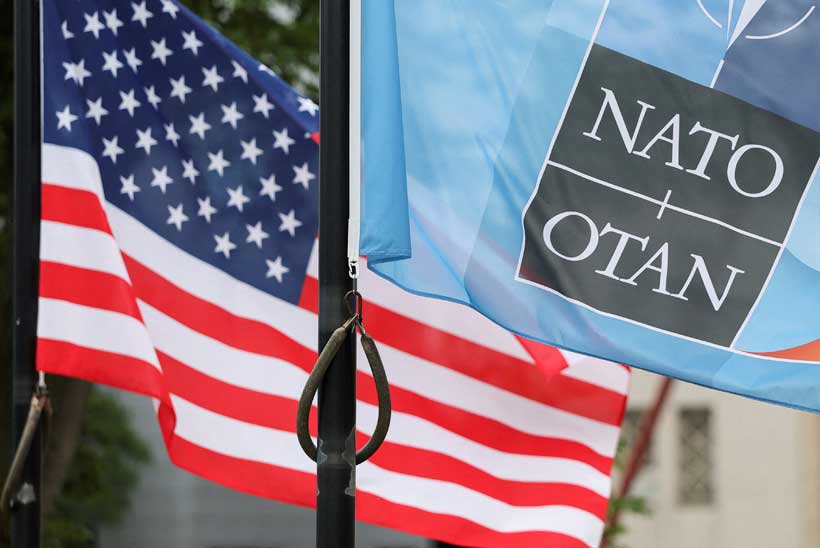
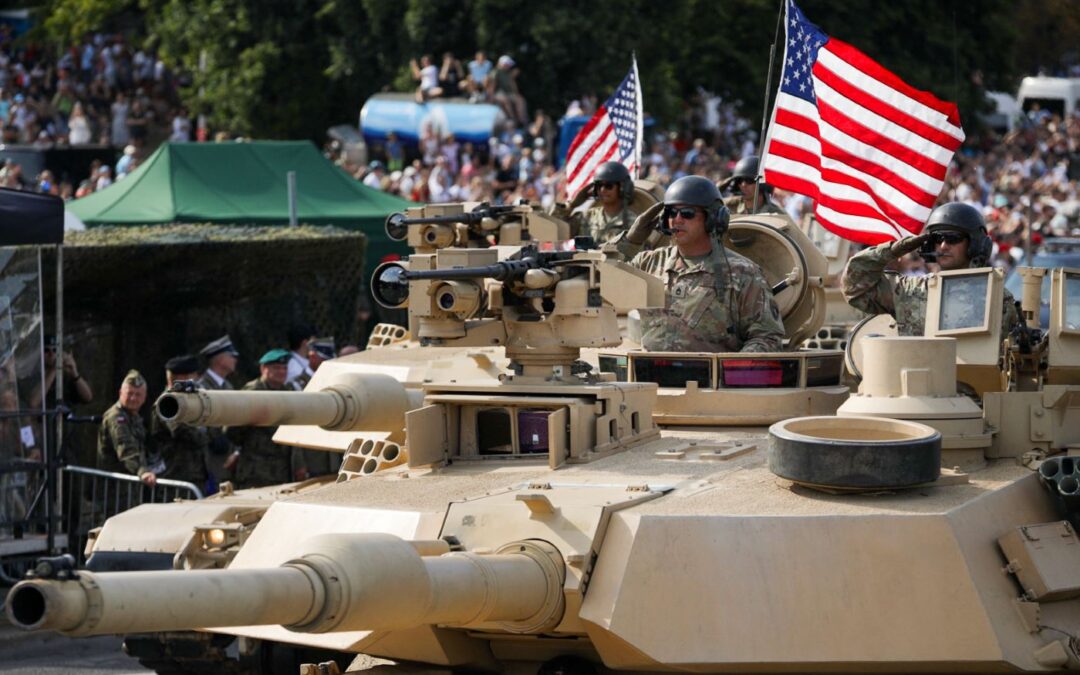
Geopolitical realignment triggered by Trump's NATO tensions is reshaping cross-border e-commerce fundamentals through three critical mechanisms: tariff policy uncertainty, logistics cost inflation, and regional market volatility. The May 2025-2026 period marks a pivotal shift as the U.S. withdraws 5,000 troops from Germany (14% of total presence) and threatens additional cuts from Italy and Spain, signaling reduced transatlantic security commitments. This creates immediate operational risks for sellers dependent on US-EU trade corridors.
Tariff arbitrage opportunities are emerging as Trump's threatened tariff increases against UK imports (specific rates undisclosed but signaled as punitive) create temporary windows for sellers to source from alternative corridors. European nations are accelerating independent defense spending, diverting consumer purchasing power away from discretionary e-commerce categories (apparel, home goods, electronics) toward defense-related procurement. This represents a 3-6% reduction in consumer spending capacity in Germany, Italy, and Spain—key European e-commerce markets. Sellers should monitor UK tariff announcements closely; any rate increases above 15% would trigger immediate sourcing shifts toward Vietnam, India, and Mexico alternatives.
The Strait of Hormuz closure by Iran creates unprecedented energy shocks affecting logistics costs across Asia-Pacific and Europe. Shipping costs from Asia to Europe have historically increased 8-12% during similar disruptions. Japan and South Korea—representing $180B+ in annual cross-border e-commerce volume—are expressing concern about U.S. reliability, signaling potential policy shifts toward regional trade blocs (CPTPP expansion, RCEP deepening). This creates a 60-90 day window for sellers to lock in favorable shipping rates before carriers adjust pricing. European logistics costs are rising 5-8% due to energy price volatility, compressing margins for sellers shipping from Asia to EU warehouses.
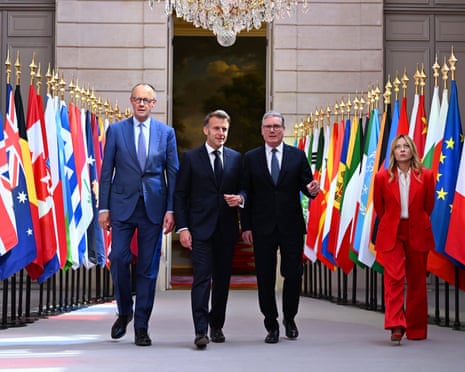
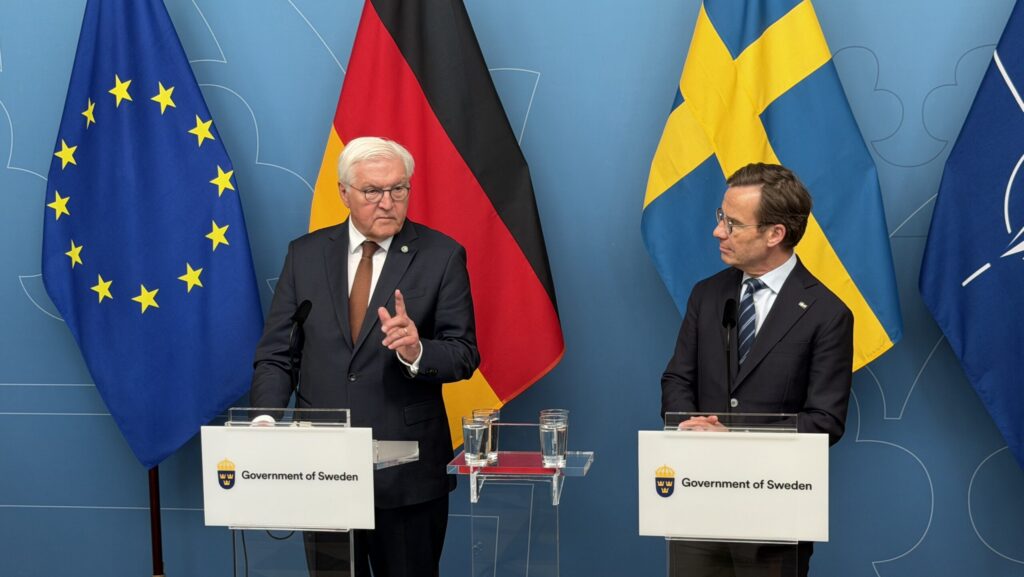
Regional economic bloc formation is accelerating. European officials are exploring alternative partnerships independent of U.S. military support, signaling potential EU-led trade framework changes. Australia, Canada, and Britain are emerging as alternative sourcing hubs for Asian sellers seeking to diversify away from U.S.-dependent supply chains. This represents a strategic opportunity for sellers to establish 3PL networks in these countries before tariff frameworks solidify. The competitive advantage window is 4-6 months before policy frameworks become permanent.
Questions 8
What tariff opportunities exist before UK trade policy solidifies?
Trump's threatened tariff increases against UK imports create a 60-90 day arbitrage window before rates are finalized. Current uncertainty allows sellers to source from alternative corridors (Vietnam, India, Mexico) at potentially lower rates than future UK tariffs. If UK tariffs exceed 15%, sourcing costs from UK suppliers will increase 12-18%. Sellers should immediately audit their UK supplier dependencies and model scenarios for 10%, 15%, and 20% tariff increases. Consider shifting 20-30% of UK-sourced inventory to Vietnam (HS codes 6204, 6205 apparel) or India (HS codes 5208-5212 textiles) before tariff frameworks solidify. The competitive advantage window closes in 90 days.
How should sellers adjust supply chain strategy for Asia-Pacific market volatility?
Japan and South Korea—representing $180B+ in annual cross-border e-commerce—are expressing concern about U.S. reliability, signaling potential policy shifts toward regional trade blocs. Sellers should establish 3PL networks in Australia, Canada, and Britain as alternative sourcing hubs before tariff frameworks solidify. This 4-6 month window allows sellers to negotiate favorable rates before these countries become premium sourcing locations. Diversify sourcing away from China-dependent supply chains; Vietnam and India offer 8-12% cost advantages for apparel and electronics categories. Monitor CPTPP and RCEP expansion announcements—these regional frameworks will determine future tariff structures.