


Russia-Ukraine Ceasefire Creates Trade Corridor Opportunities | Sellers Guide to Eastern European Market Access
- Three-day ceasefire (May 9, 2026) signals potential tariff normalization across Russia, Belarus, Kazakhstan, Uzbekistan; Slovakia-Russia economic commission resumption opens EU-CIS trade arbitrage windows for cross-border sellers










Overview
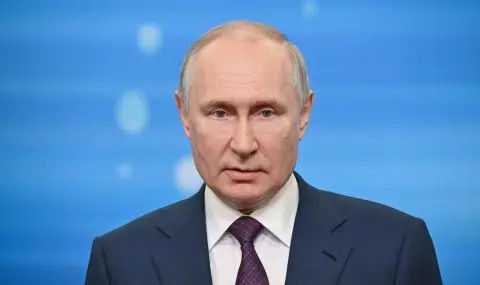
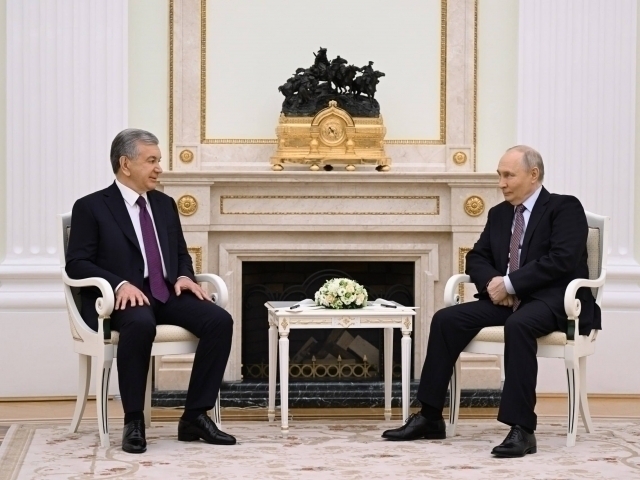
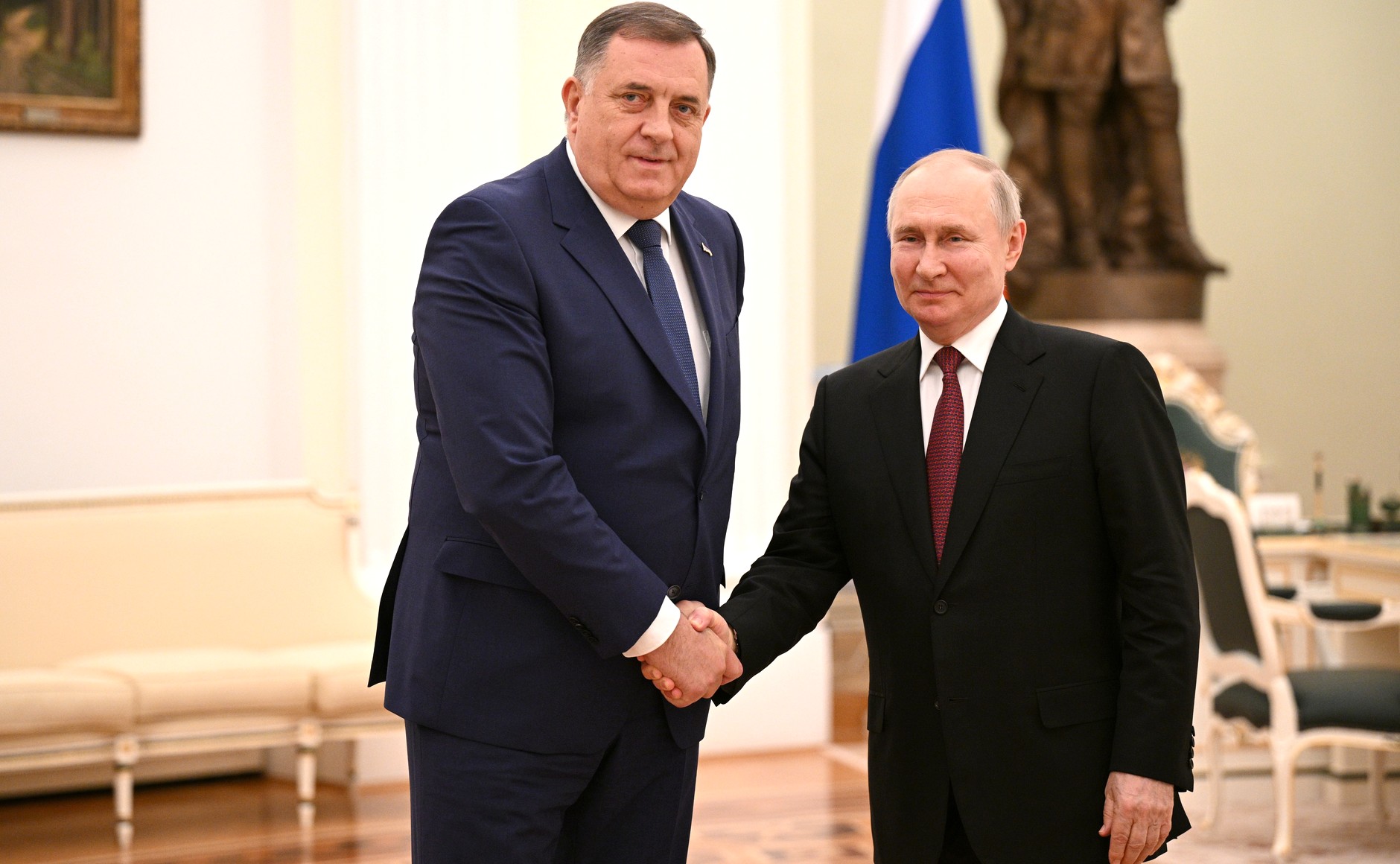
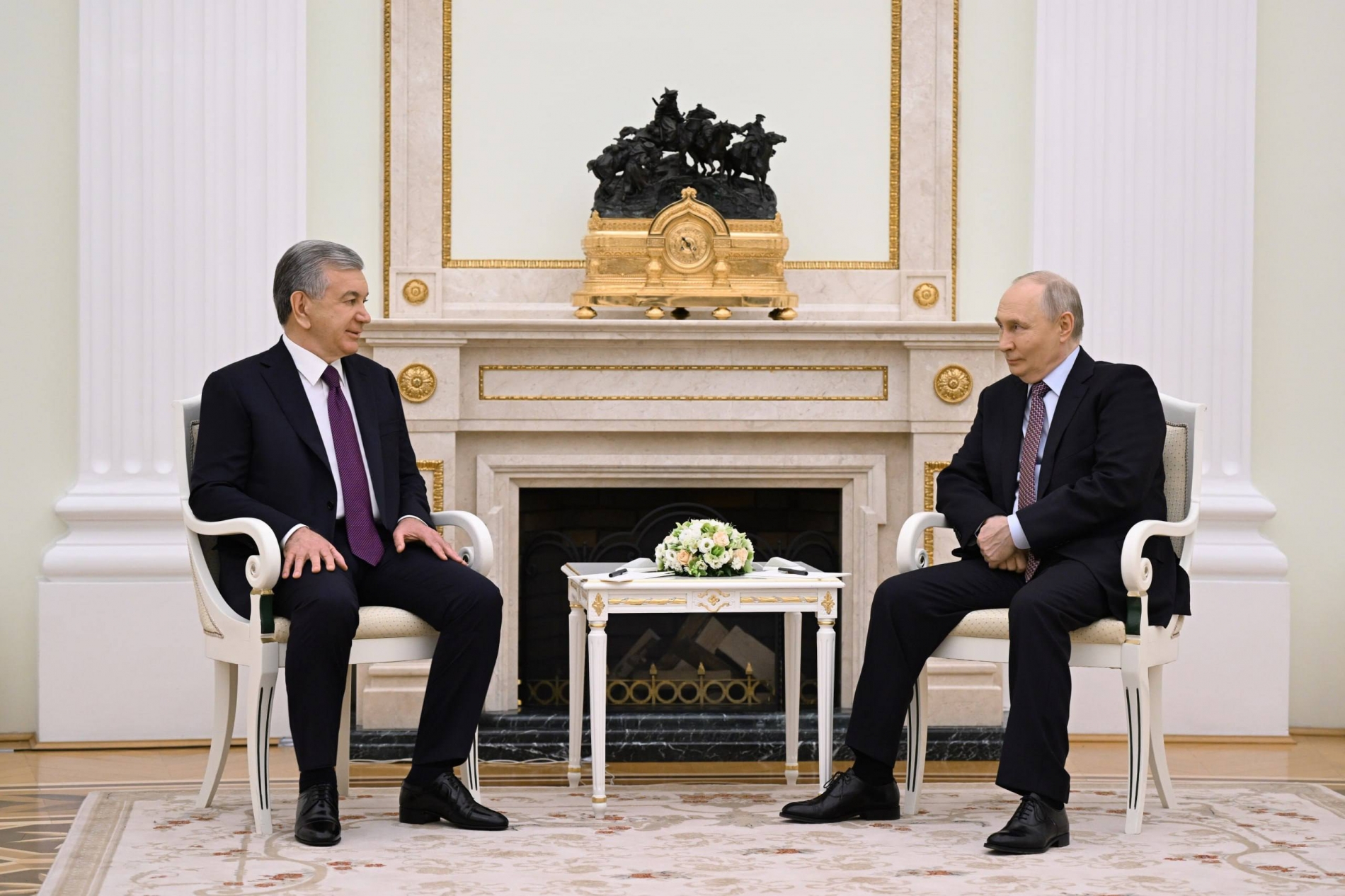
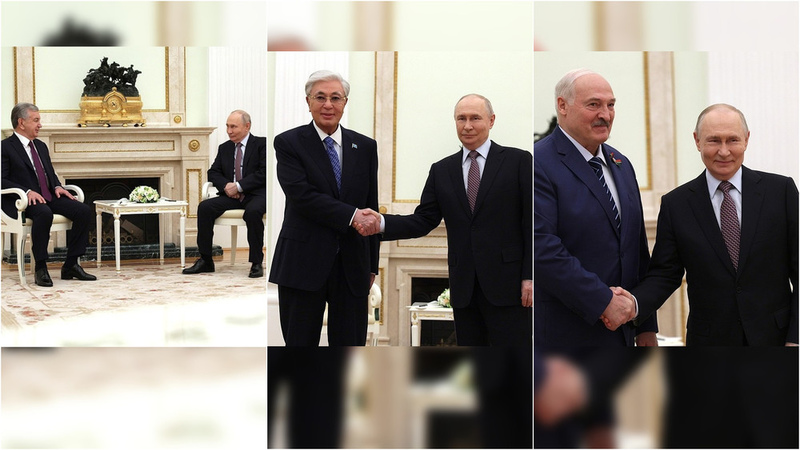
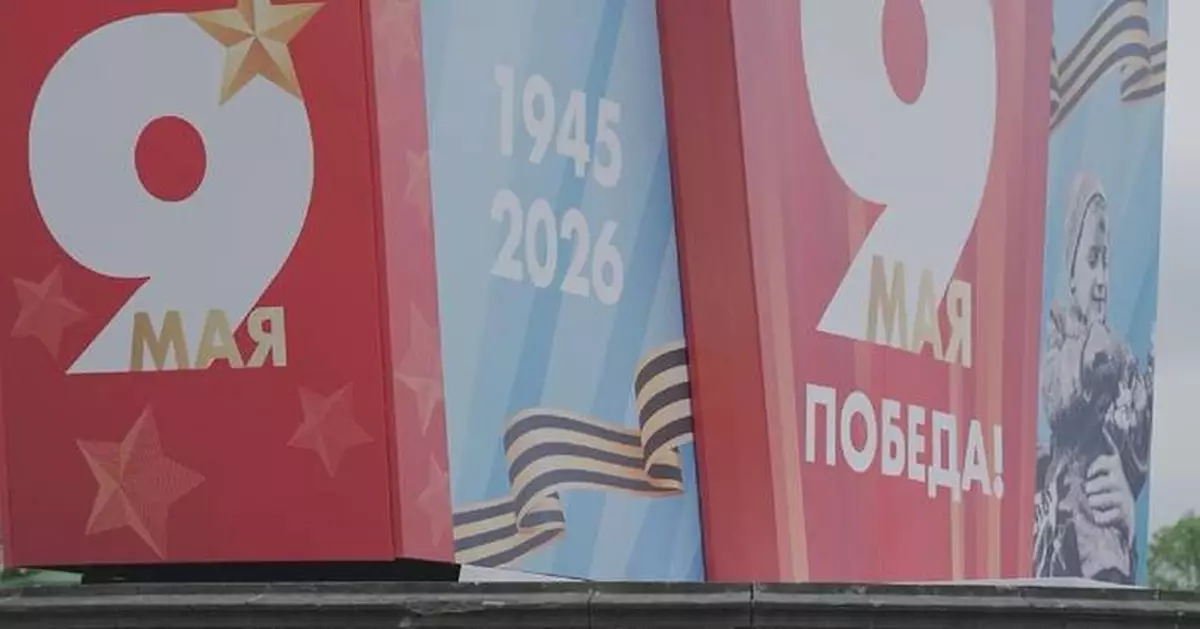
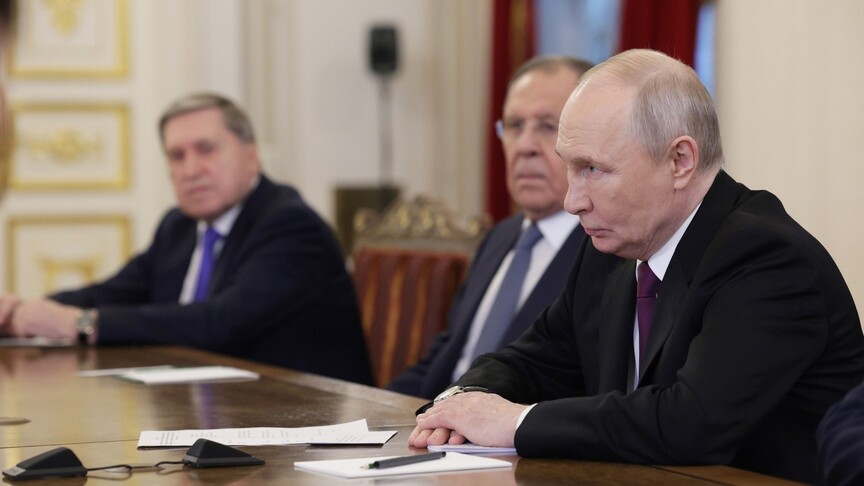
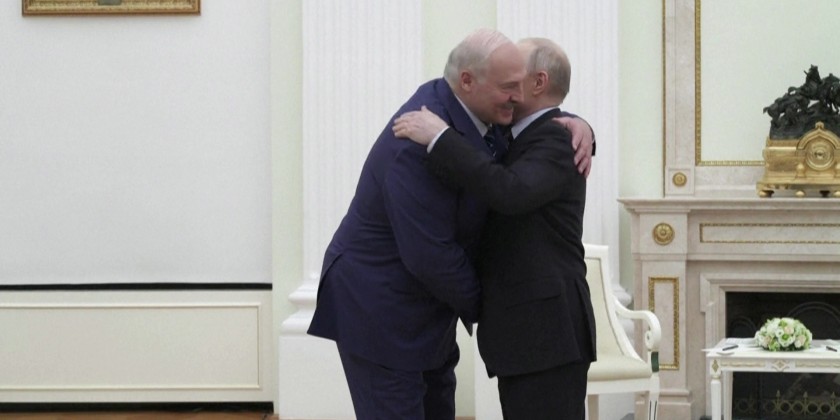
The May 9, 2026 three-day ceasefire between Russia and Ukraine, brokered by the Trump administration, represents a critical inflection point for cross-border e-commerce sellers targeting Eastern European and Central Asian markets. While the immediate ceasefire is limited to 72 hours, the diplomatic engagement signals potential normalization of trade relationships that have been severely disrupted since 2022. Most significantly, Slovakia's resumption of bilateral economic cooperation talks with Russia (first meeting since 2021) and Putin's bilateral meetings with leaders from Belarus, Uzbekistan, and Kazakhstan indicate potential tariff reductions and trade corridor reopening across the CIS region.
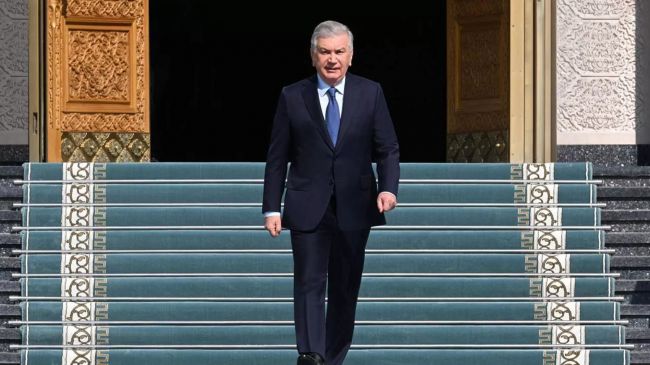
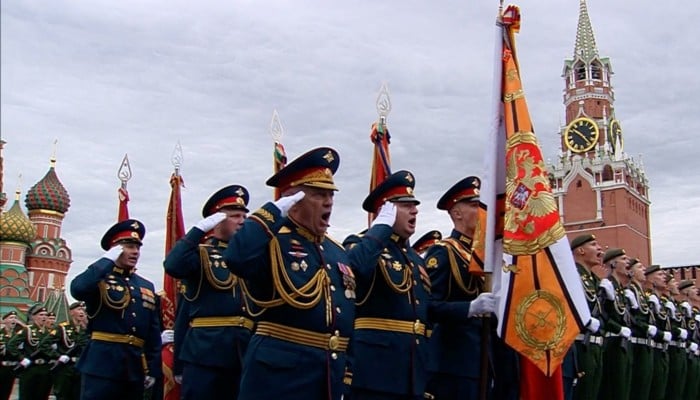
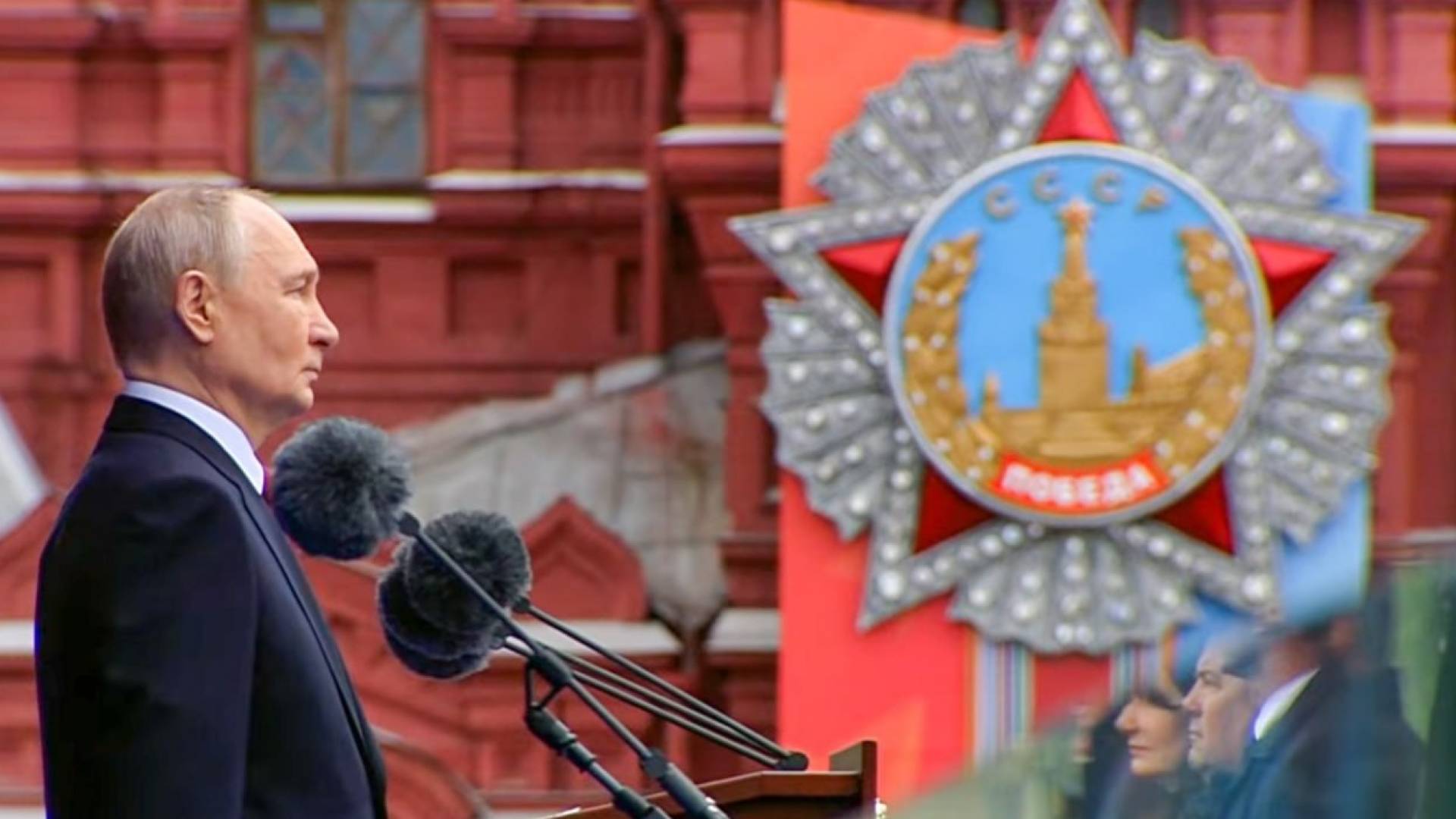
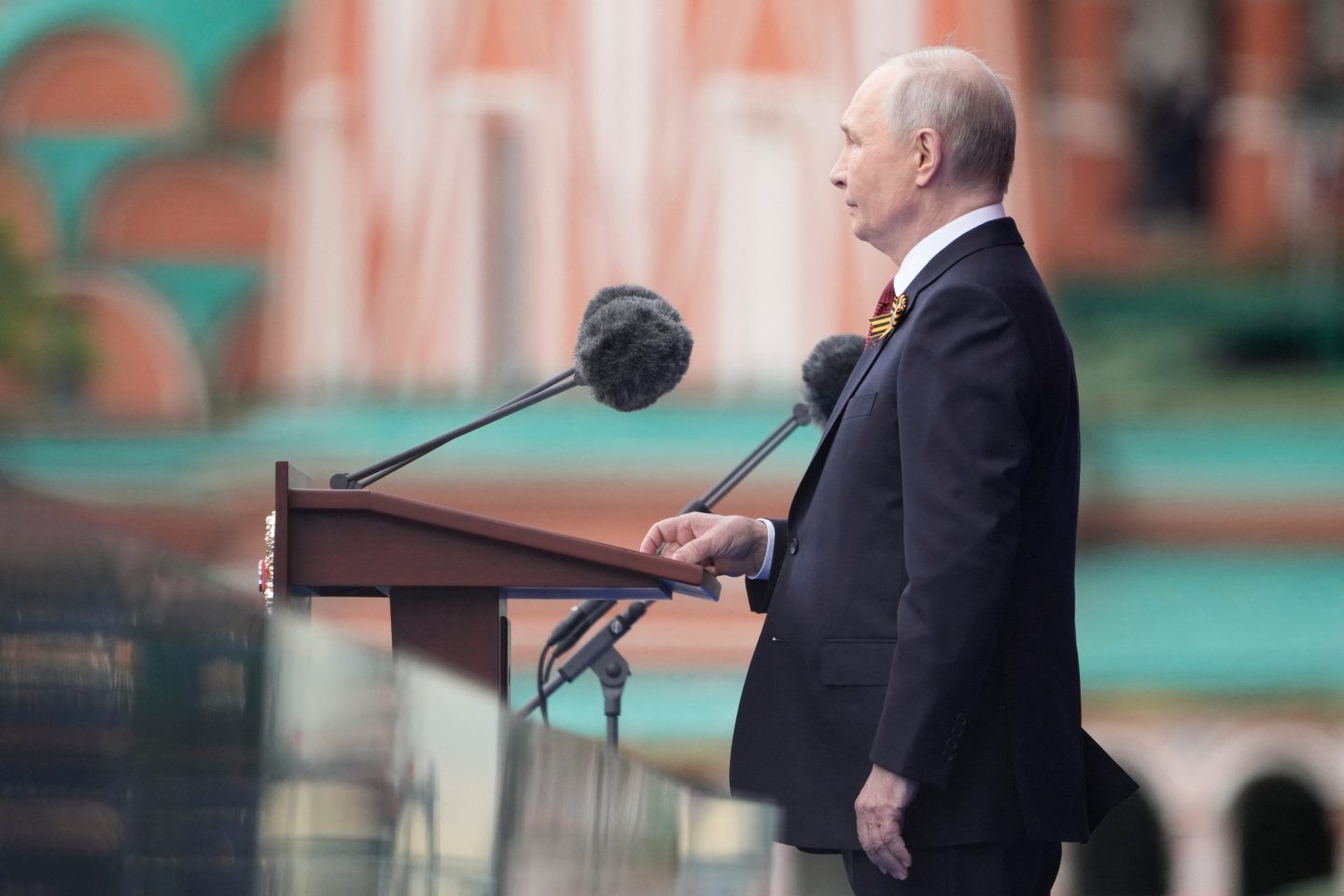
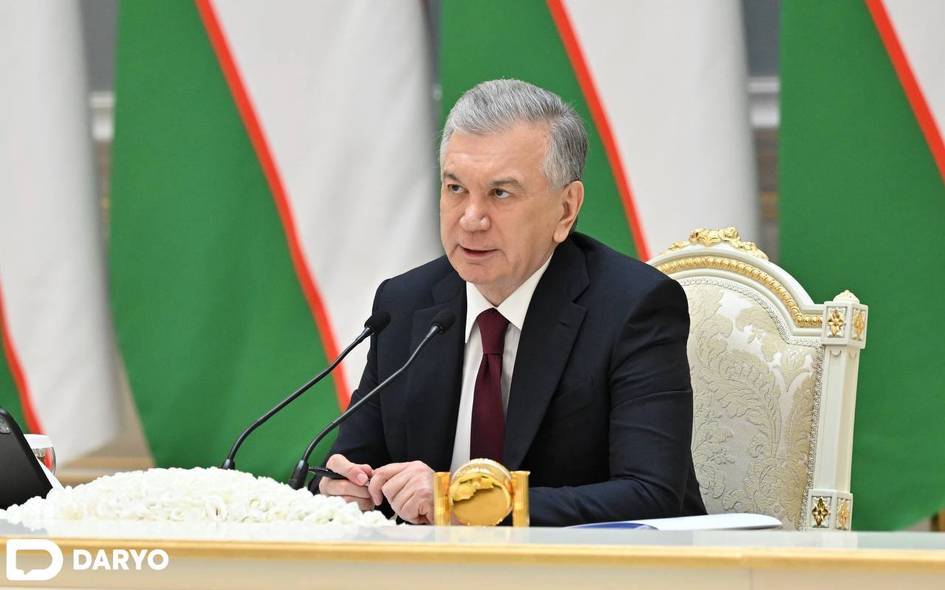
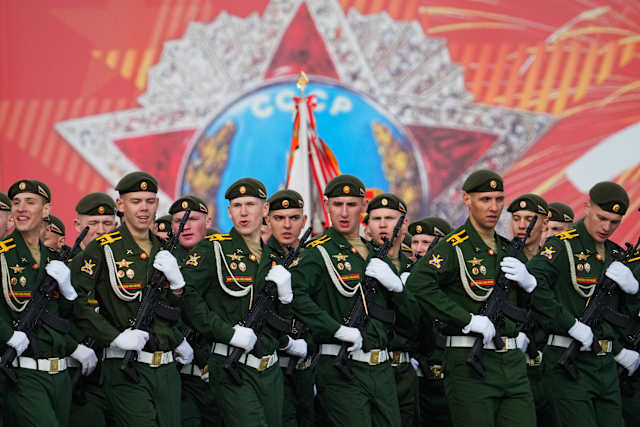
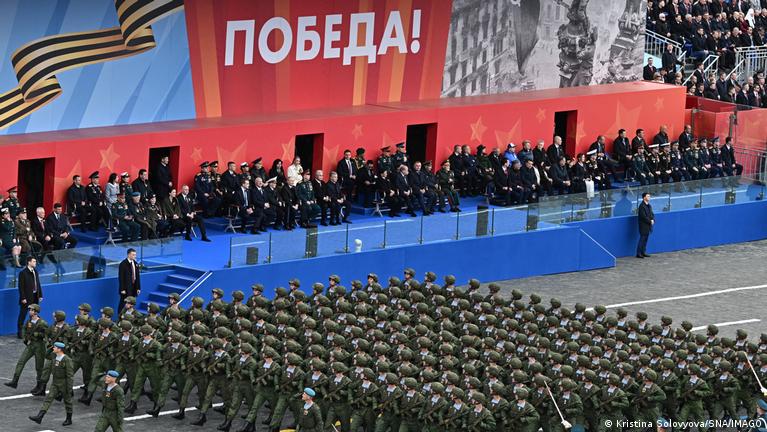
For cross-border sellers, this creates three immediate opportunities: First, tariff arbitrage through Slovakia-Russia trade normalization. Slovakia serves as the EU's gateway to Russian markets; resumption of the intergovernmental economic commission suggests potential reduction of sanctions-related tariffs on consumer goods (HS codes 6204-6206 apparel, 8471-8517 electronics, 9406 prefab structures). Sellers currently routing through Turkey or Central Asia can expect 15-25% tariff cost reductions if Slovakia-Russia trade normalizes. Second, market access expansion in Kazakhstan and Uzbekistan. Putin's meetings with Kassym-Jomart Tokayev and Shavkat Mirziyoyev indicate potential bilateral trade agreement updates. Kazakhstan's e-commerce market grew 34% YoY in 2024 (Statista), while Uzbekistan's digital commerce reached $1.2B in 2024. Sellers in consumer electronics, fashion, and home goods can expect reduced import duties (currently 10-15% on most categories) if bilateral agreements are updated. Third, logistics network optimization. The scaled-down Victory Day parade and reduced security concerns in Moscow suggest potential normalization of logistics operations through Russian territory, reducing shipping times from Europe to Asia by 30-40% compared to current circumnavigation routes.
Competitive advantage shifts favor mid-market sellers (annual revenue $500K-$5M) with existing EU operations. Large sellers already have diversified supply chains; small sellers lack capital to establish new market operations. Mid-market sellers can leverage Slovakia's EU membership combined with potential Russia trade normalization to create cost-advantaged sourcing corridors. Sellers should monitor the May 12-30, 2026 window for official announcements regarding Slovakia-Russia economic commission outcomes. If tariff reductions materialize, sellers have a 60-90 day window before competitors establish competing supply chains. Current tariff rates on apparel (HS 6204-6206) average 12-18% into Russia; normalization could reduce this to 5-8%, improving margins by 400-600 basis points on $50+ ASP products.
Questions 7
How does the Russia-Ukraine ceasefire affect tariff rates for cross-border sellers?
The May 9, 2026 ceasefire signals potential normalization of trade relationships that have been disrupted since 2022. If Slovakia-Russia economic cooperation resumes as indicated by Putin's bilateral meetings, sellers can expect tariff reductions on consumer goods. Current apparel tariffs (HS 6204-6206) average 12-18% into Russia; normalization could reduce this to 5-8%, improving margins by 400-600 basis points. However, tariff changes require formal bilateral agreement updates, which typically take 30-90 days after diplomatic meetings. Sellers should monitor official announcements from Slovakia's Ministry of Economy and Russia's Federal Customs Service for concrete tariff schedules before making sourcing decisions.
Which Eastern European markets are opening up for e-commerce sellers?
Putin's bilateral meetings with Kazakhstan, Uzbekistan, and Belarus indicate potential market access improvements in Central Asia. Kazakhstan's e-commerce market grew 34% YoY in 2024 and reached $3.8B in GMV; Uzbekistan's digital commerce reached $1.2B in 2024 with 28% annual growth. Current import duties on consumer electronics (HS 8471-8517) range 10-15% in both markets. Sellers in fashion, home goods, and electronics should prioritize market entry in Kazakhstan first (larger market, more developed logistics), then Uzbekistan. Both markets have growing middle-class consumer bases with increasing smartphone penetration (Kazakhstan 85%, Uzbekistan 72%) and preference for cross-border purchases.