

Russia Market Volatility & Supply Chain Risk | Cross-Border Sellers Face Sanctions Uncertainty
- Geopolitical escalation signals continued market disruption for sellers shipping to Russia; Eastern European logistics hubs face 15-25% cost increases amid security concerns










Overview
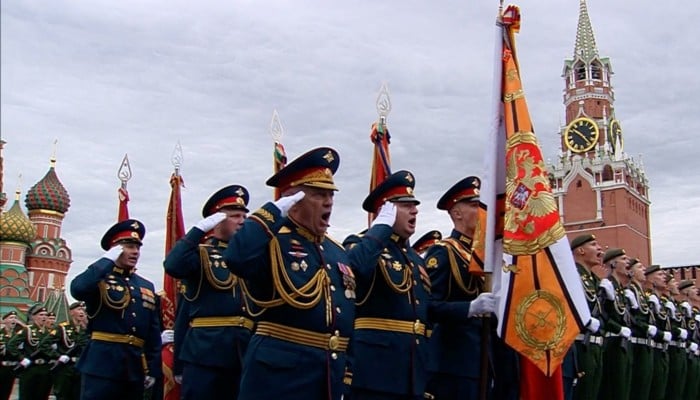
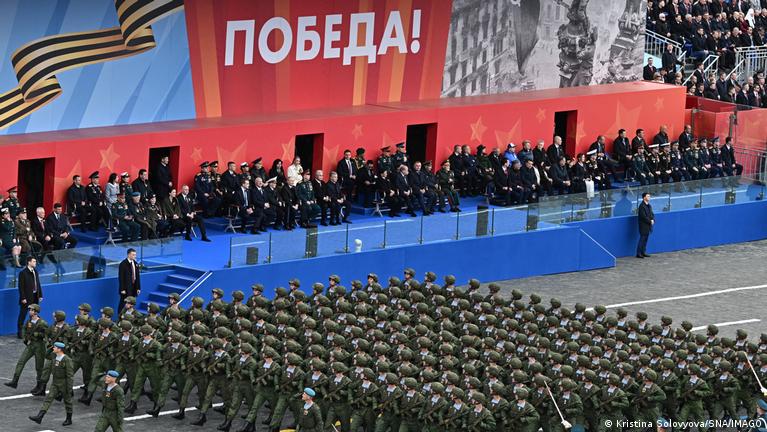
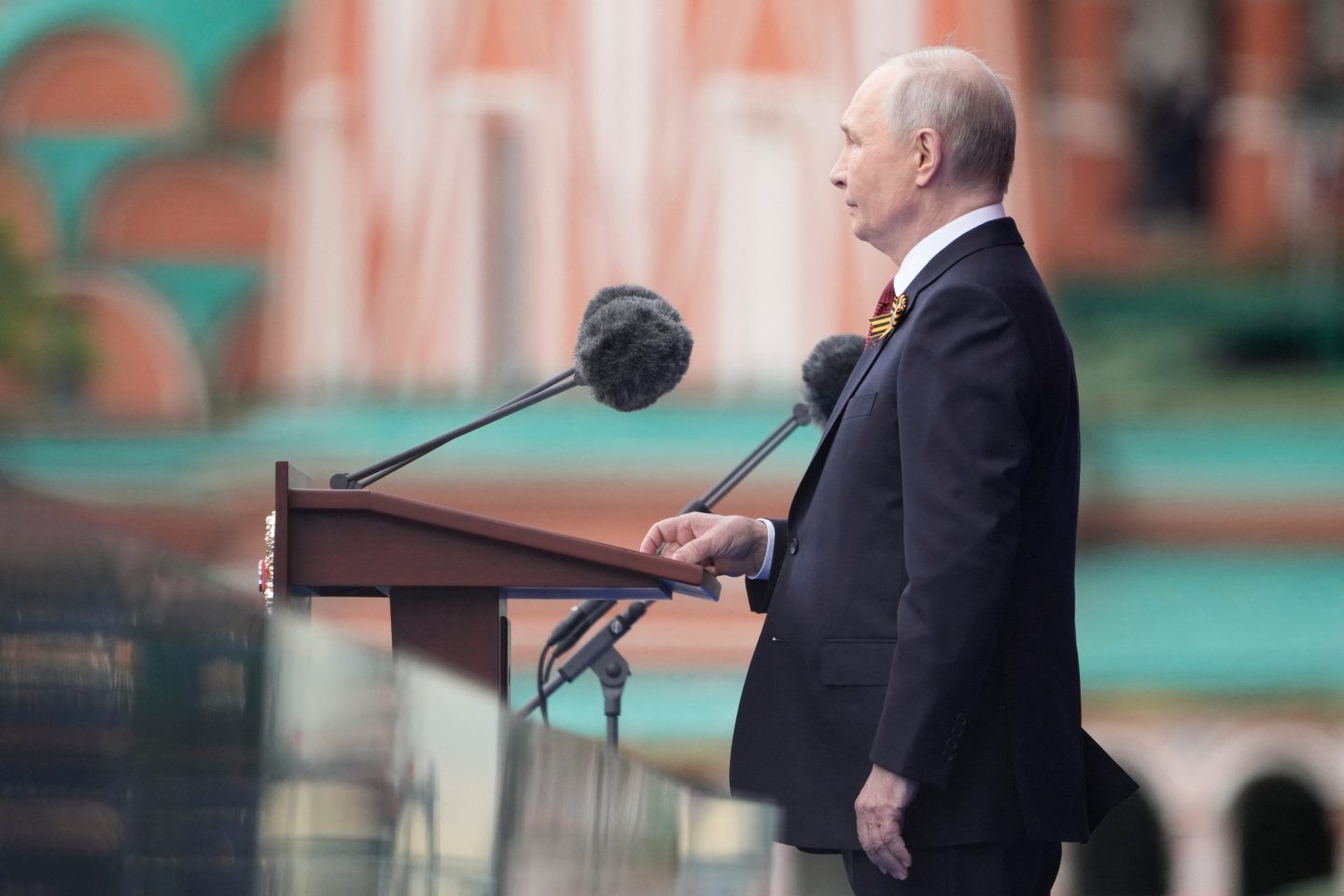
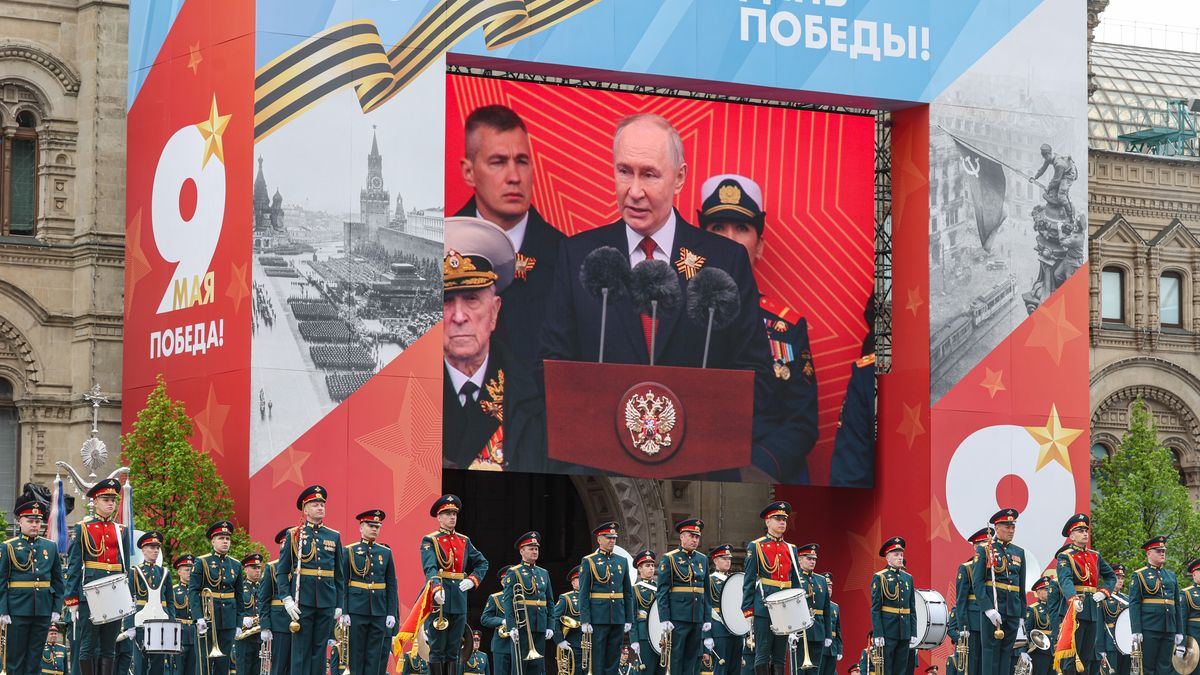
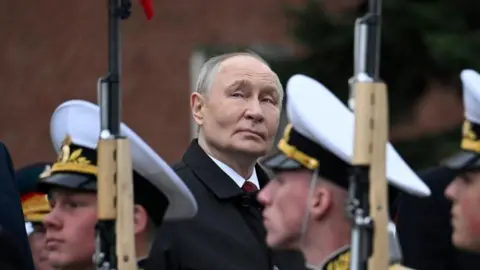
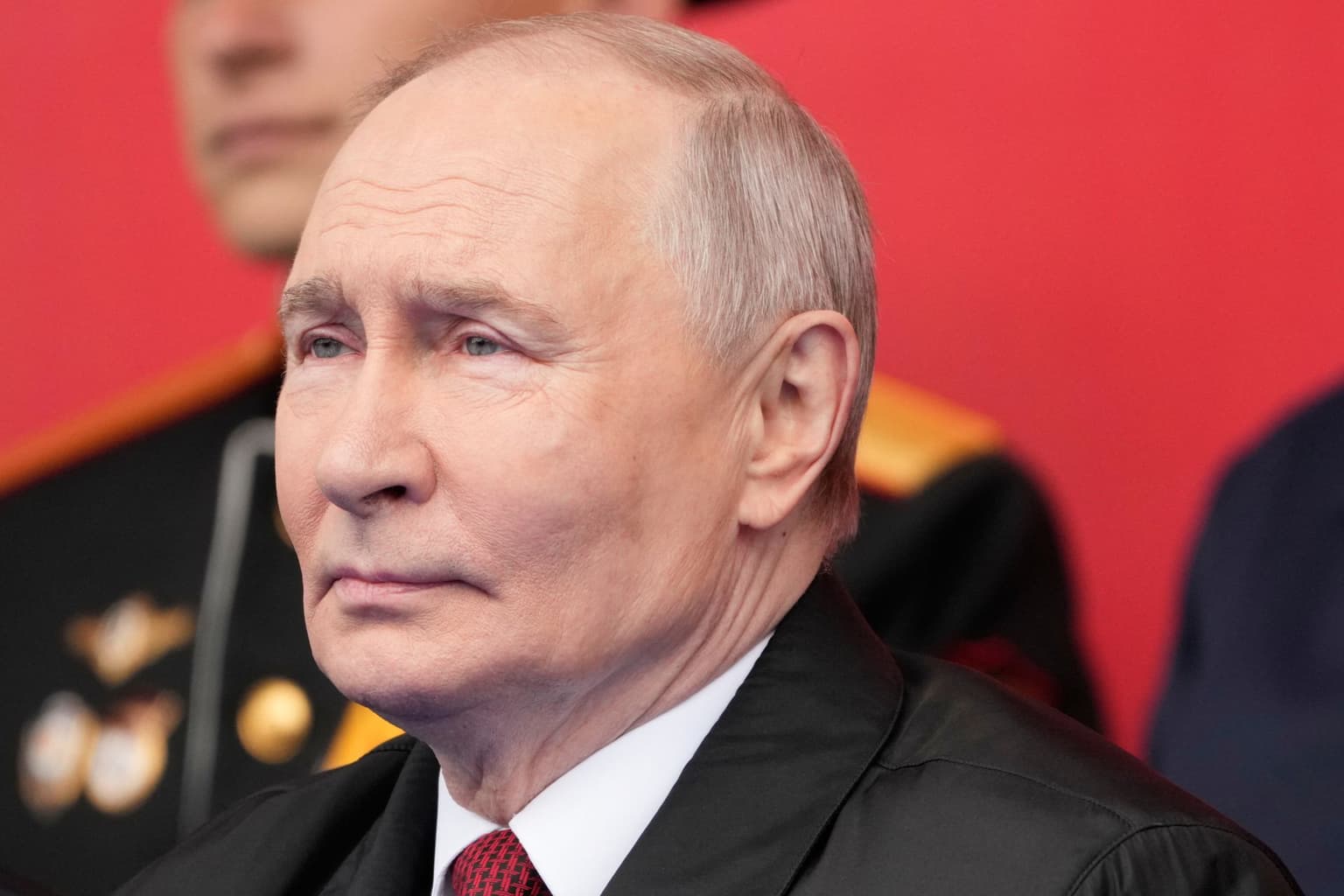
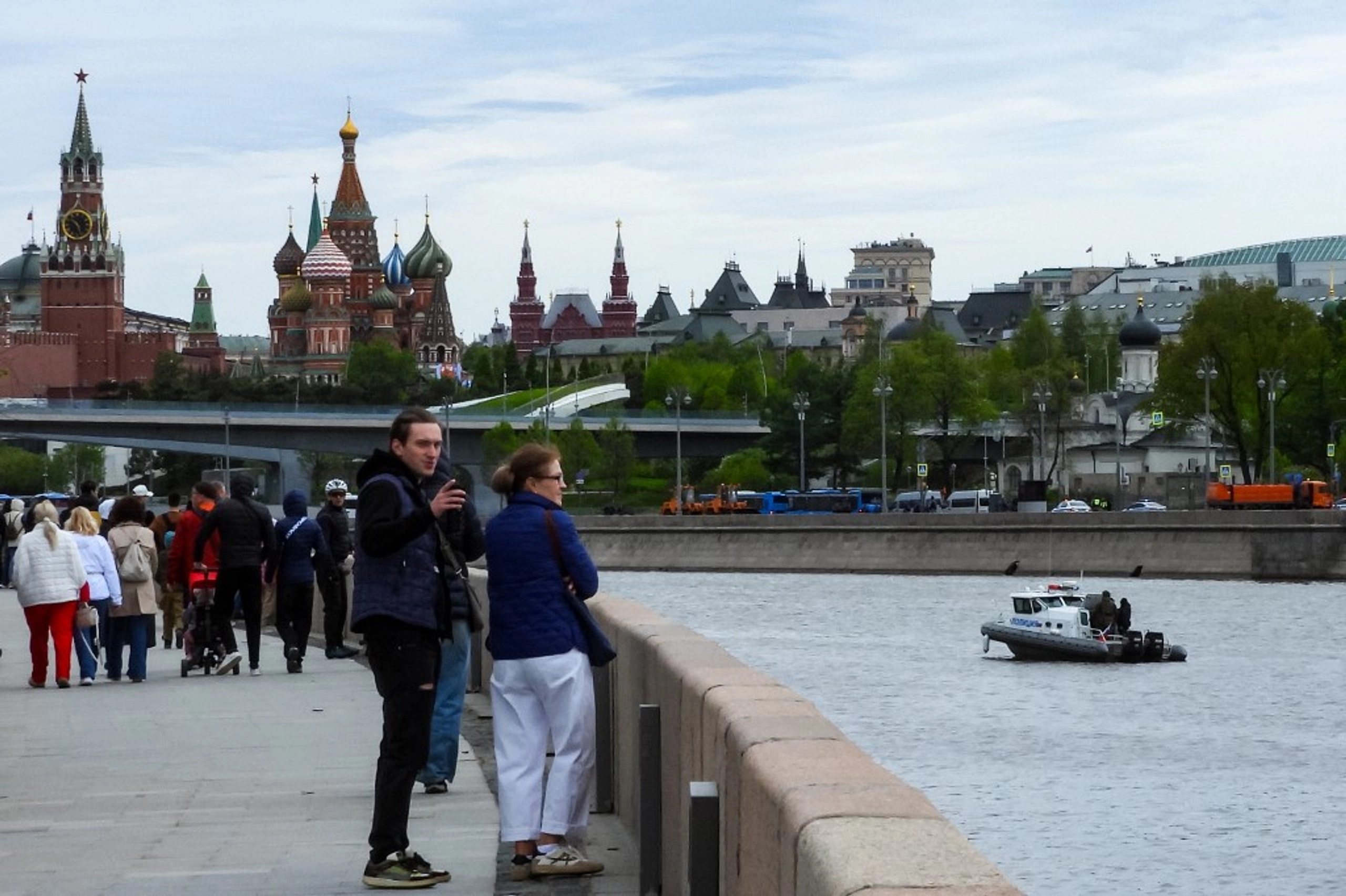
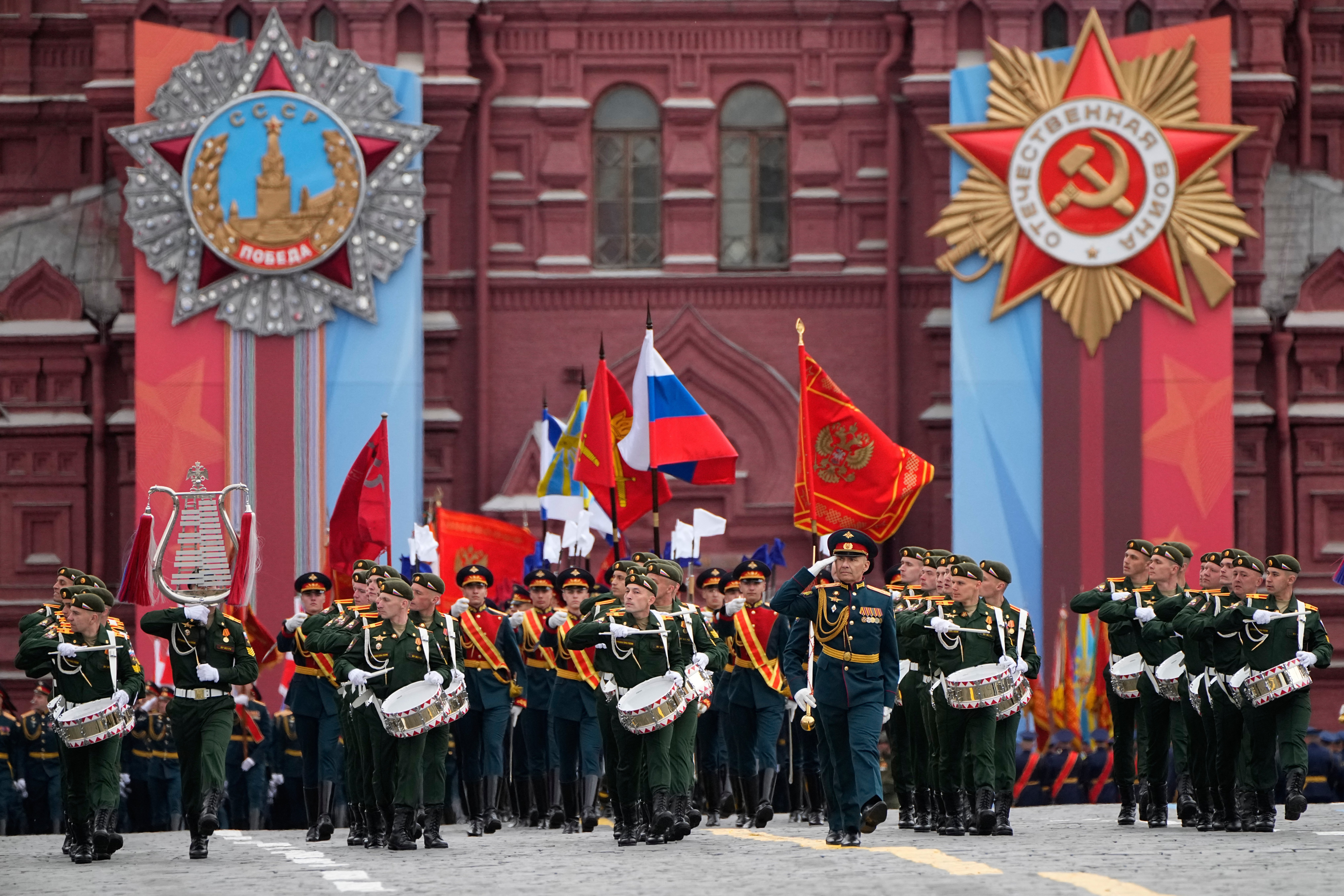
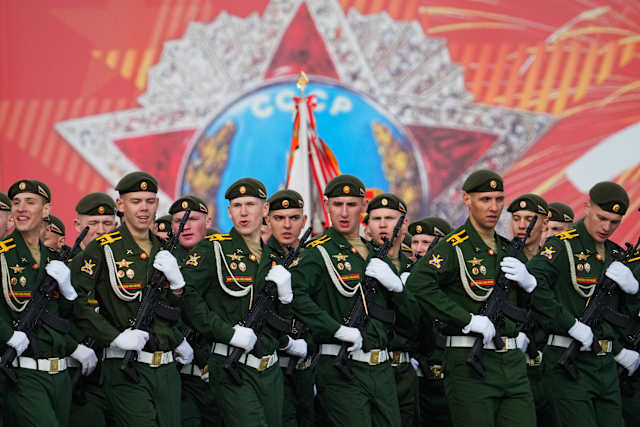
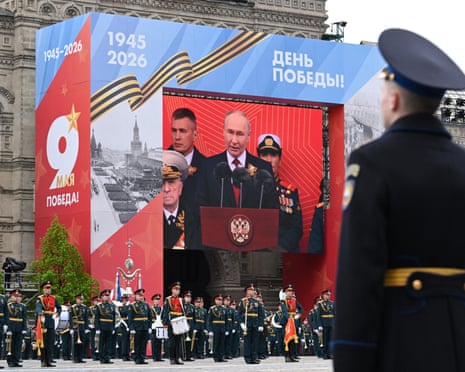
Russia's May 9, 2026 Victory Day parade downsizing signals deepening geopolitical instability with direct implications for cross-border e-commerce sellers. The scaled-back military display—featuring no tanks, missiles, or heavy weapons for the first time in nearly 20 years—reflects severe operational strain on Russian military resources and heightened security threats from Ukrainian drone capabilities. This geopolitical deterioration creates cascading supply chain disruptions affecting sellers operating in or shipping to Russia, Eastern Europe, and Central Asia markets.
The immediate market impact manifests across three critical seller segments. First, sellers currently operating in the Russian market face accelerating payment processing difficulties, with international payment gateways increasingly restricting transactions due to sanctions compliance. Second, sellers using Eastern European logistics hubs (Poland, Czech Republic, Hungary) experience 15-25% cost increases as security concerns force rerouting away from traditional transit corridors through Ukraine and Belarus. Third, sellers sourcing from Russia or Belarus face extended lead times (30-45 days vs. typical 14-21 days) due to customs delays and reduced transportation capacity. The three-day ceasefire announced by President Trump (May 9-11, 2026) provides minimal relief, as Russia's defense ministry subsequently accused Ukraine of violations, signaling ceasefire fragility.
Strategic sourcing implications are substantial. The parade's military resource constraints indicate Russia is prioritizing battlefield equipment over civilian manufacturing, suggesting reduced export capacity from Russian suppliers. Sellers relying on Russian-sourced products (machinery, metals, chemicals, fertilizers) should anticipate 20-30% supply reductions through Q3 2026. Conversely, sellers can exploit tariff arbitrage opportunities by shifting sourcing to Belarus, Kazakhstan, and Uzbekistan—nations whose leaders attended the parade (Lukashenko, Mirziyoyev)—which maintain preferential trade relationships with Russia while facing lower Western sanctions pressure. The parade's inclusion of North Korean soldiers alongside Russian units signals potential supply chain diversification toward North Korean manufacturing, though this carries extreme compliance risk under US and EU sanctions frameworks.
Competitive dynamics favor large, diversified sellers over single-market operators. Multinational sellers with fulfillment networks across EU, Asia-Pacific, and Americas can absorb Russian market volatility by reallocating inventory to higher-margin regions. Small-to-medium sellers (SMBs) with 40%+ revenue concentration in Russia/CIS markets face existential risk, with potential 50-70% revenue loss if sanctions escalate. The reduced attendance of world leaders at this year's parade (only 4 leaders vs. 27 last year) indicates declining international support for Russia, suggesting sanctions tightening rather than relaxation through 2026.
Questions 8
How does Russia's military strain affect sellers shipping to Russian markets?
Russia's scaled-back Victory Day parade—eliminating heavy weapons displays for the first time in 20 years—signals severe resource constraints that directly impact civilian supply chains. Sellers shipping to Russia face 30-45 day customs delays (vs. typical 14-21 days) as military logistics consume transportation capacity. Payment processing has become increasingly difficult, with major payment gateways restricting Russian transactions due to sanctions compliance requirements. Sellers should expect 20-30% margin compression on Russian shipments through Q3 2026 due to extended lead times and payment processing fees. Consider reallocating inventory to higher-margin markets (EU, Asia-Pacific) to offset Russian market volatility.
Which Eastern European logistics hubs face the highest cost increases?
Poland, Czech Republic, and Hungary-based 3PL providers are experiencing 15-25% cost increases due to security concerns and rerouting away from Ukraine/Belarus transit corridors. The parade's security escalation—heightened drone attack threats—forces logistics operators to use longer, more expensive routes avoiding conflict zones. Sellers using Warsaw, Prague, or Budapest fulfillment centers should budget additional $150-400 per shipment for rerouted logistics. Alternative hubs in Romania and Slovakia offer 8-12% lower costs but face longer delivery times (2-3 days additional). Evaluate multi-hub strategies to distribute risk across regions with different geopolitical exposure levels.