

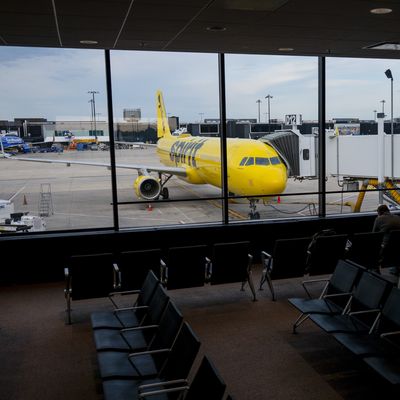


Spirit Airlines Collapse Disrupts Regional Air Cargo | E-Commerce Logistics Crisis
- May 2026 airline shutdown eliminates air freight capacity at 50+ regional airports, forcing sellers to reroute shipments and absorb 15-25% shipping cost increases for time-sensitive inventory










Overview
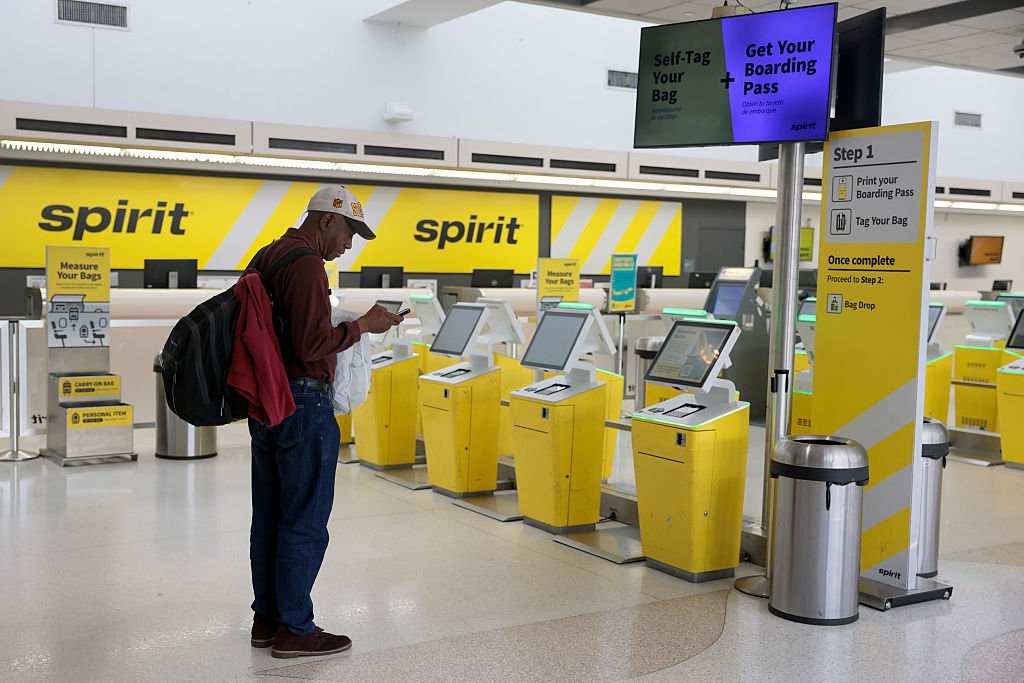
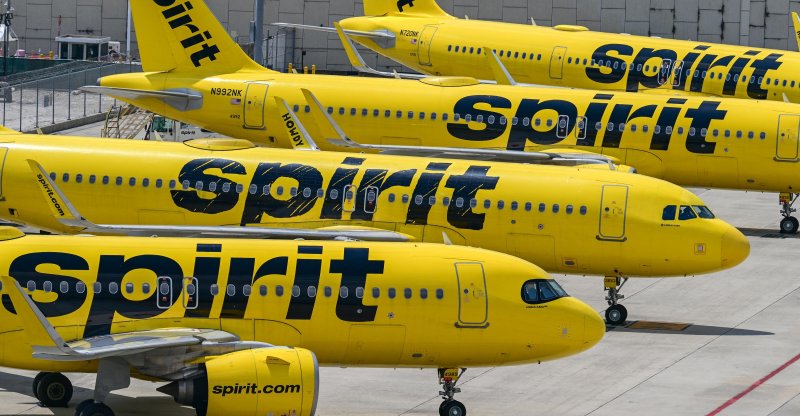
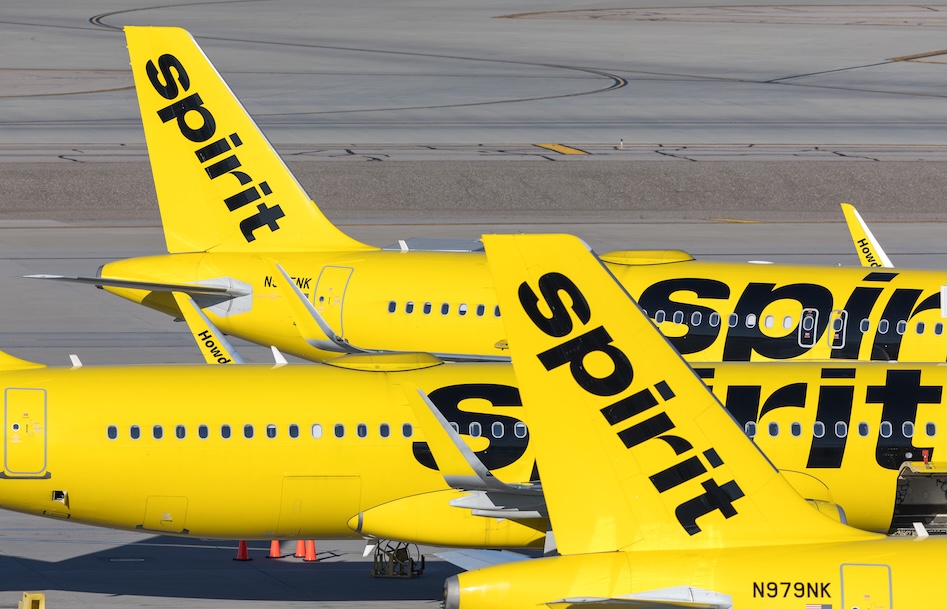
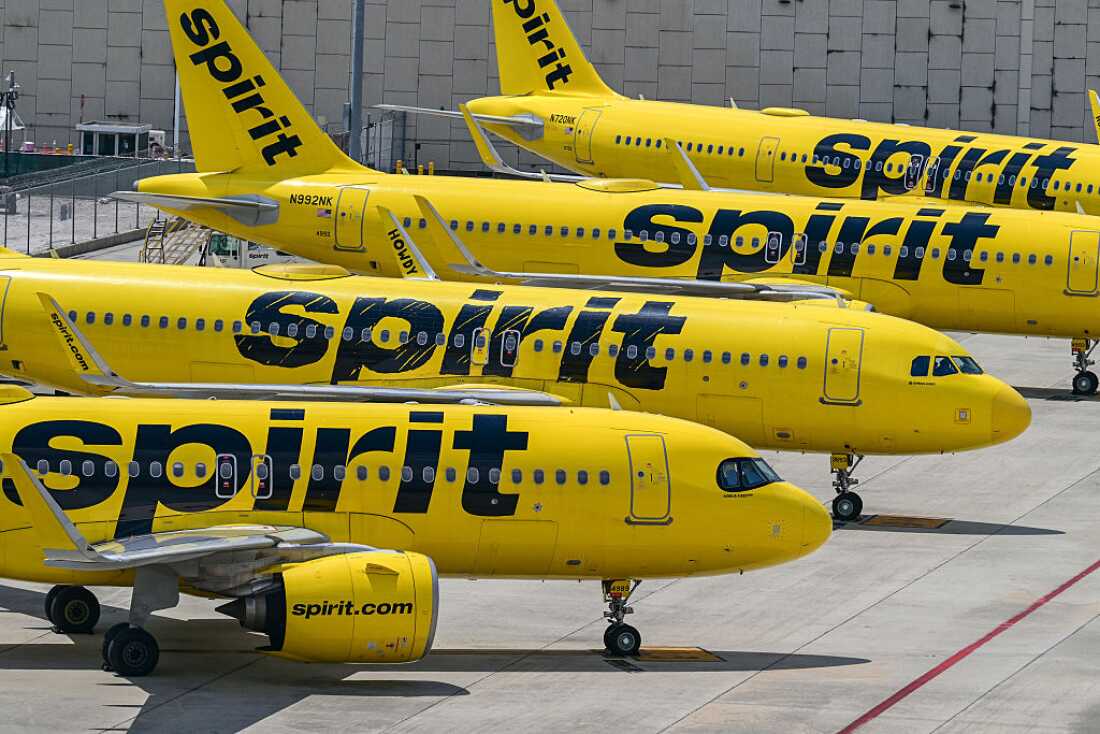
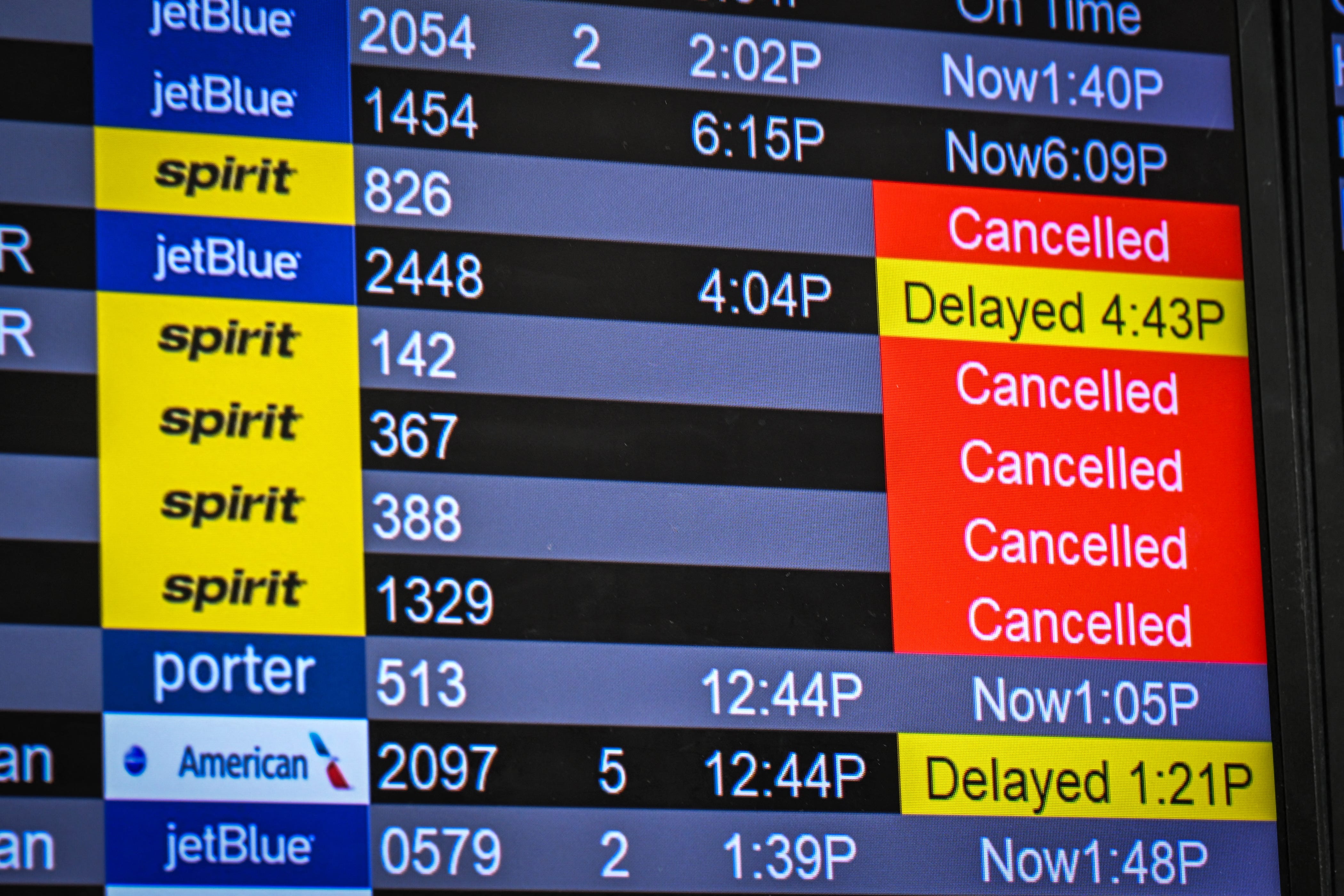
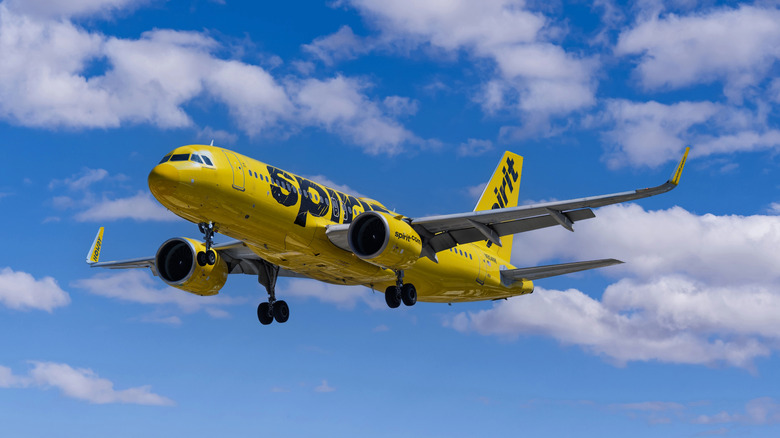
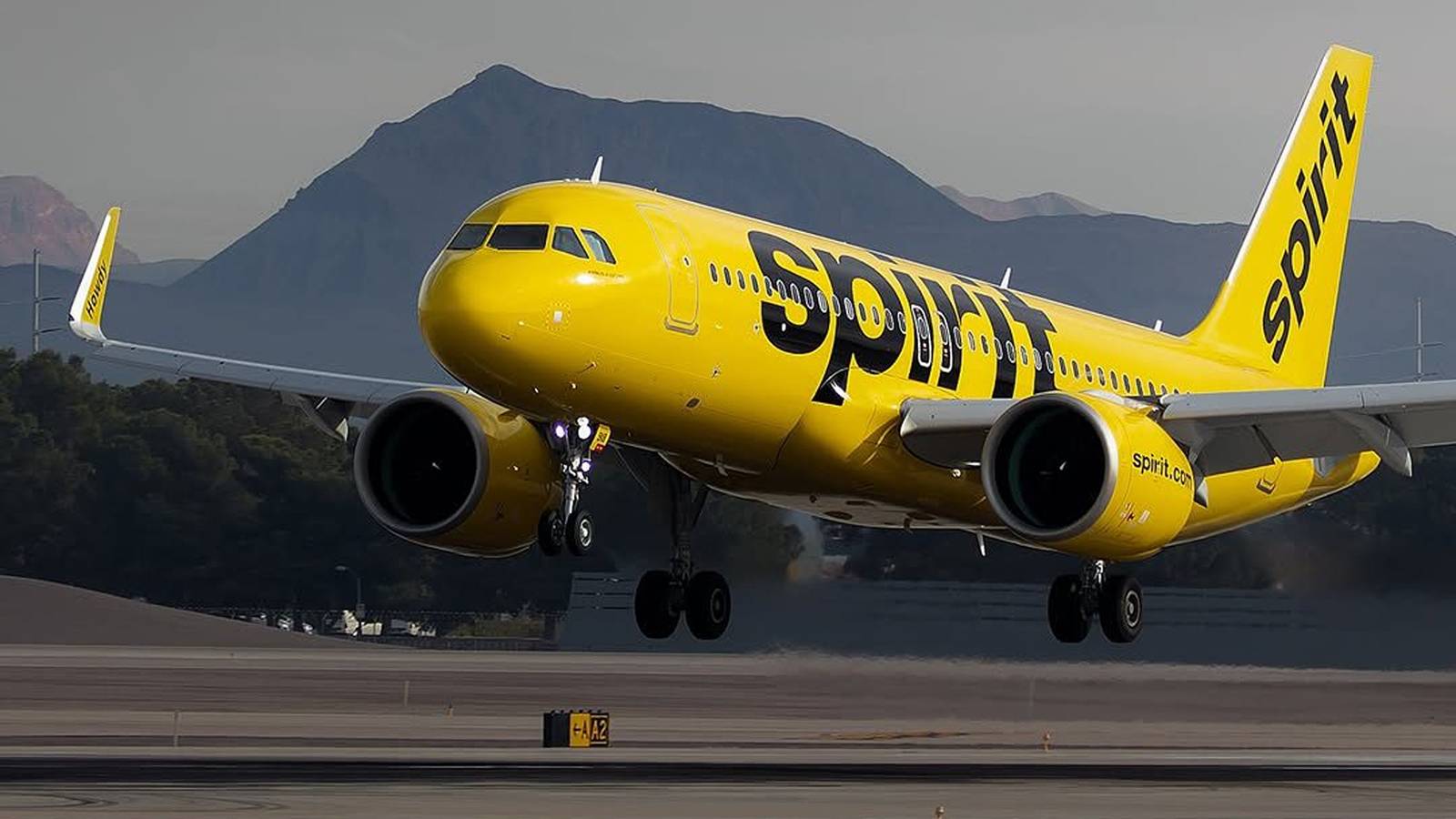
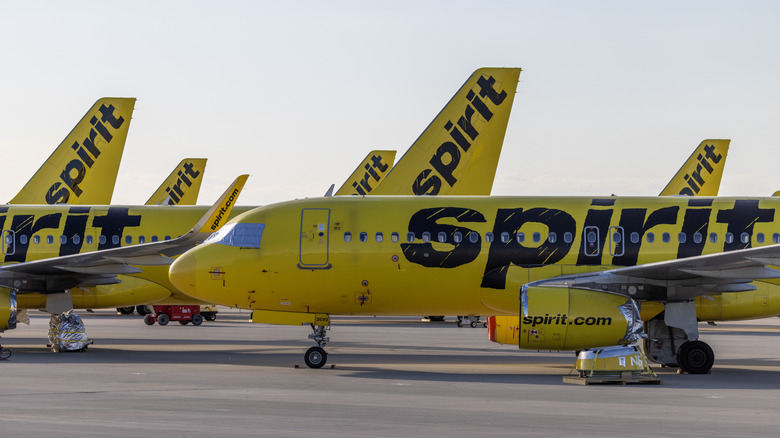
Spirit Airlines' May 3, 2026 liquidation represents a critical supply chain disruption for cross-border e-commerce sellers relying on regional air freight networks. The airline's sudden collapse left over 90 aircraft scattered across U.S. airports and eliminated commercial flight operations at dozens of regional hubs, including Arnold Palmer Regional Airport in Pennsylvania, which lost all commercial service overnight. This event exposes a systemic vulnerability in aviation infrastructure: when single carriers dominate regional markets, any operational failure creates cascading logistics crises affecting e-commerce fulfillment, last-mile delivery, and inventory management.
The immediate operational impact on sellers is substantial. Regional airports serve as critical hubs for time-sensitive shipments—perishables, high-value goods, electronics, and specialized cargo that require air freight to meet customer delivery windows. With Spirit's elimination, sellers face forced rerouting to major hub airports (Houston, Dallas, Las Vegas, Los Angeles), increasing shipping costs by 15-25% and extending delivery times by 3-7 days. For cross-border sellers shipping to underserved markets in rural Pennsylvania, the Midwest, and Southeast regions, the loss of direct regional air service creates competitive disadvantages against larger competitors with diversified logistics networks. Sellers relying on regional air freight for perishable goods (specialty foods, pharmaceuticals, fresh produce) face the highest risk, as rerouting through major hubs increases spoilage risk and reduces product shelf life upon arrival.
The broader market context reveals structural challenges in regional aviation economics. Jet fuel prices surged approximately 70% since February 2026 following geopolitical tensions, reducing demand for fuel-inefficient aircraft and compressing margins for low-cost carriers like Spirit. This cost environment forces remaining carriers to consolidate routes, further reducing regional service options. The liquidation process involves court-supervised asset monetization, with premium airport gates and landing slots at capacity-constrained facilities (LaGuardia, Newark) being auctioned to larger carriers. This consolidation trend suggests regional air freight capacity will remain constrained for 12-18 months, creating a sustained logistics challenge for sellers dependent on regional distribution networks.
For e-commerce sellers, this disruption creates both immediate costs and strategic opportunities. Sellers must immediately audit their logistics networks to identify dependencies on Spirit routes and regional airports. Those relying on regional air freight should negotiate alternative arrangements with remaining carriers (Delta, United, Southwest regional partners) or shift to ground-based 3PL providers with diversified transportation options. The cost increase environment (15-25% shipping premiums) will compress margins for sellers in perishable and time-sensitive categories, potentially forcing price increases that may reduce competitiveness. However, sellers who proactively diversify their logistics infrastructure—establishing partnerships with multiple carriers, investing in regional distribution centers, or shifting to ground-based fulfillment—can gain competitive advantages by maintaining faster delivery times and lower costs than competitors forced to use premium routing.
Questions 8
What contingency planning should sellers implement for future airline disruptions?
Establish a logistics contingency plan that avoids single-carrier or single-airport dependency. Maintain relationships with at least 2-3 carriers and 2-3 regional distribution centers. Create a trigger-based response plan: if any carrier reduces capacity by 25%+, automatically shift 30% of inventory to backup providers. Document all carrier agreements with 30-day cancellation clauses to maintain flexibility. For Amazon FBA sellers, diversify across multiple fulfillment centers to reduce regional dependency. Conduct quarterly logistics audits to identify emerging vulnerabilities. Budget 5-10% of logistics costs for contingency reserves to absorb unexpected carrier disruptions.
How should sellers adjust pricing strategy to account for increased shipping costs?
Sellers face a margin compression dilemma: absorb 15-25% shipping cost increases or pass costs to customers through price increases that may reduce competitiveness. Strategy depends on category and customer price sensitivity. For perishables and high-value goods, customers expect premium pricing and may accept 5-10% increases. For price-sensitive categories (apparel, electronics), consider shifting to ground-based fulfillment to maintain competitive pricing. Monitor competitor pricing on Amazon and eBay to identify pricing power. Implement dynamic pricing strategies that adjust for regional shipping costs—charge premium prices for rural delivery while maintaining competitive pricing for major metro areas.