



China's 14.1% Export Surge & Trump Summit | Critical Tariff Shifts for Cross-Border Sellers
- April 2026 exports hit record levels with 11.3% US surge; $84.8B trade surplus signals tariff policy uncertainty ahead of Trump-Xi negotiations affecting 2026 sourcing costs
























Overview
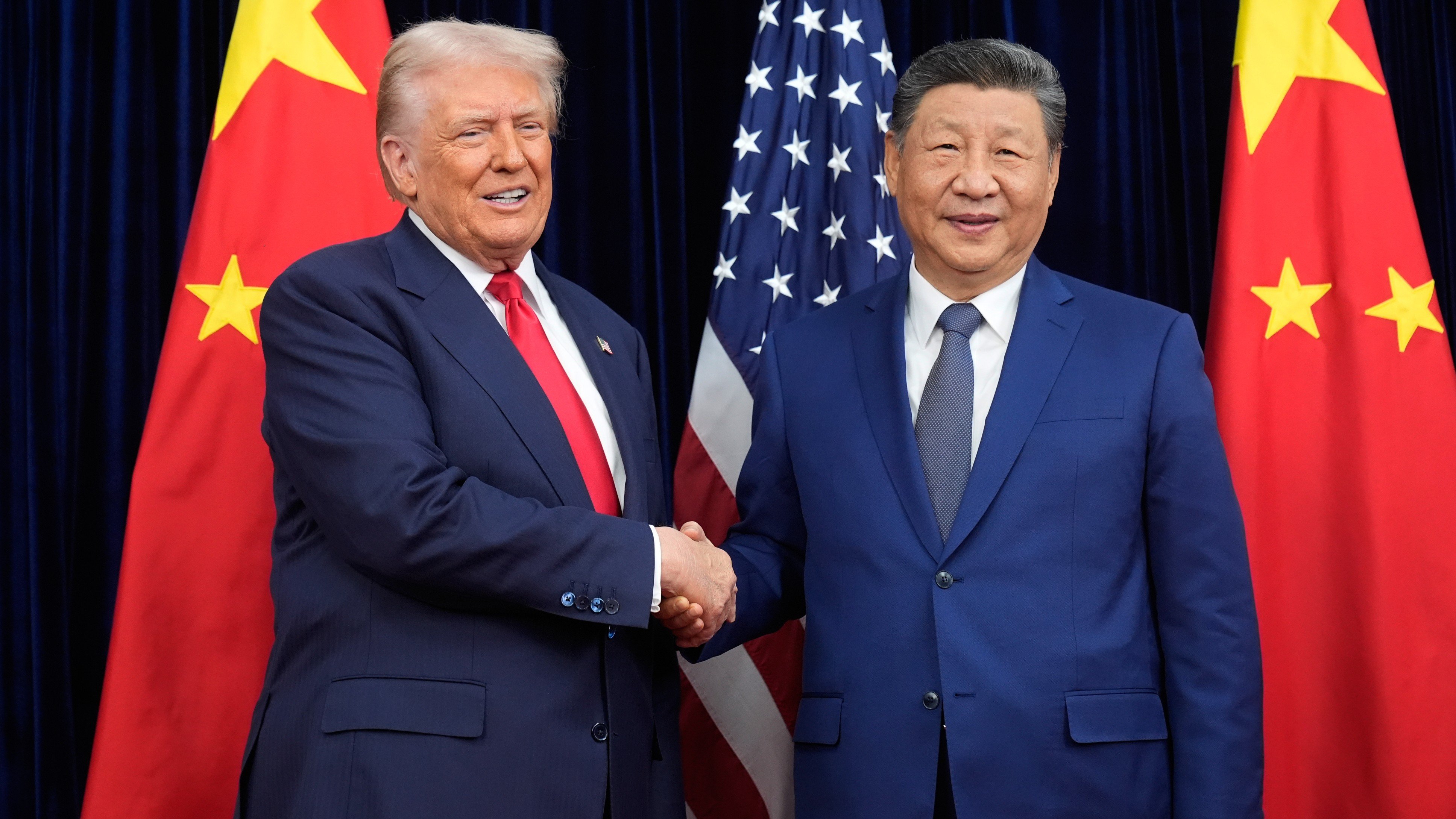
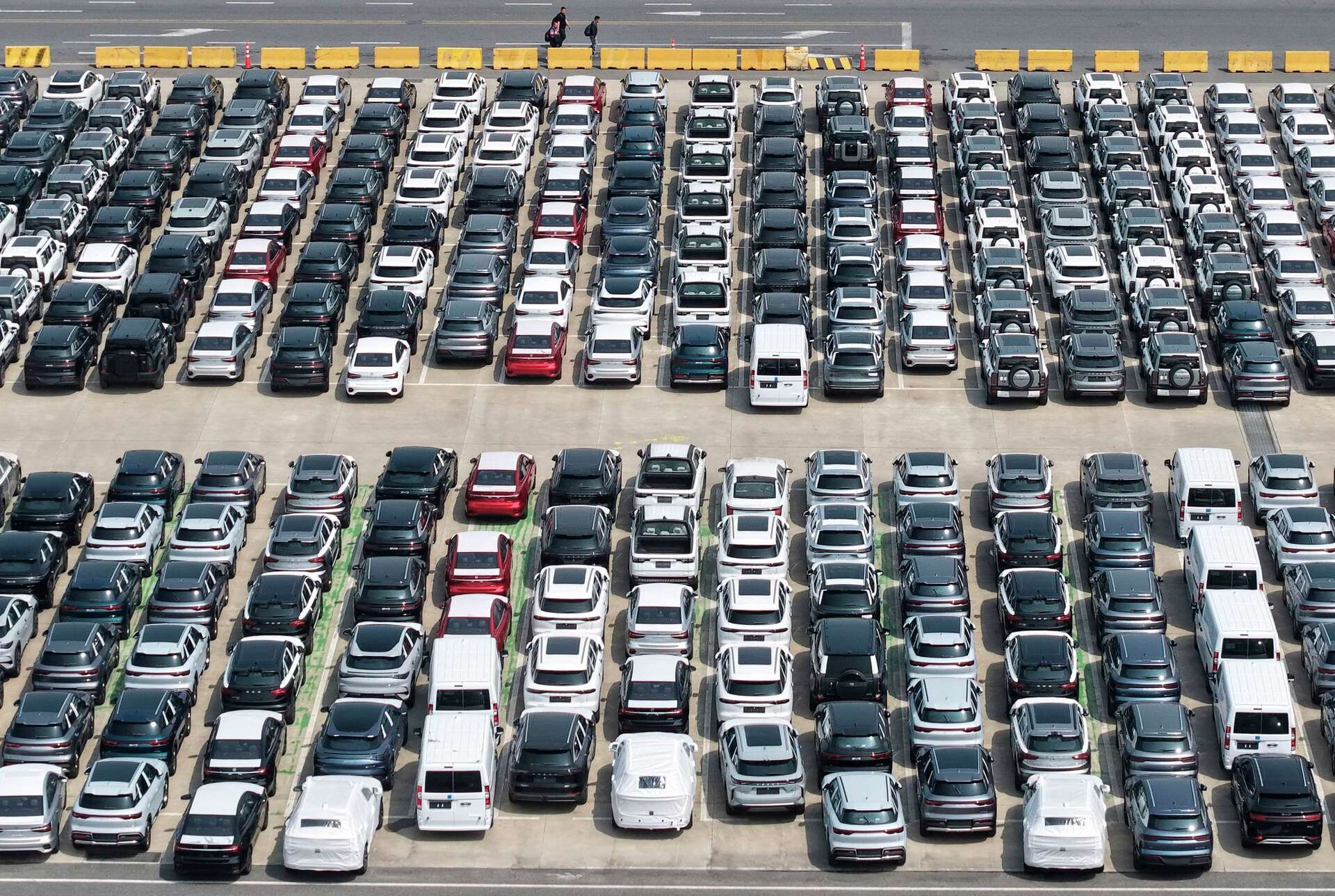
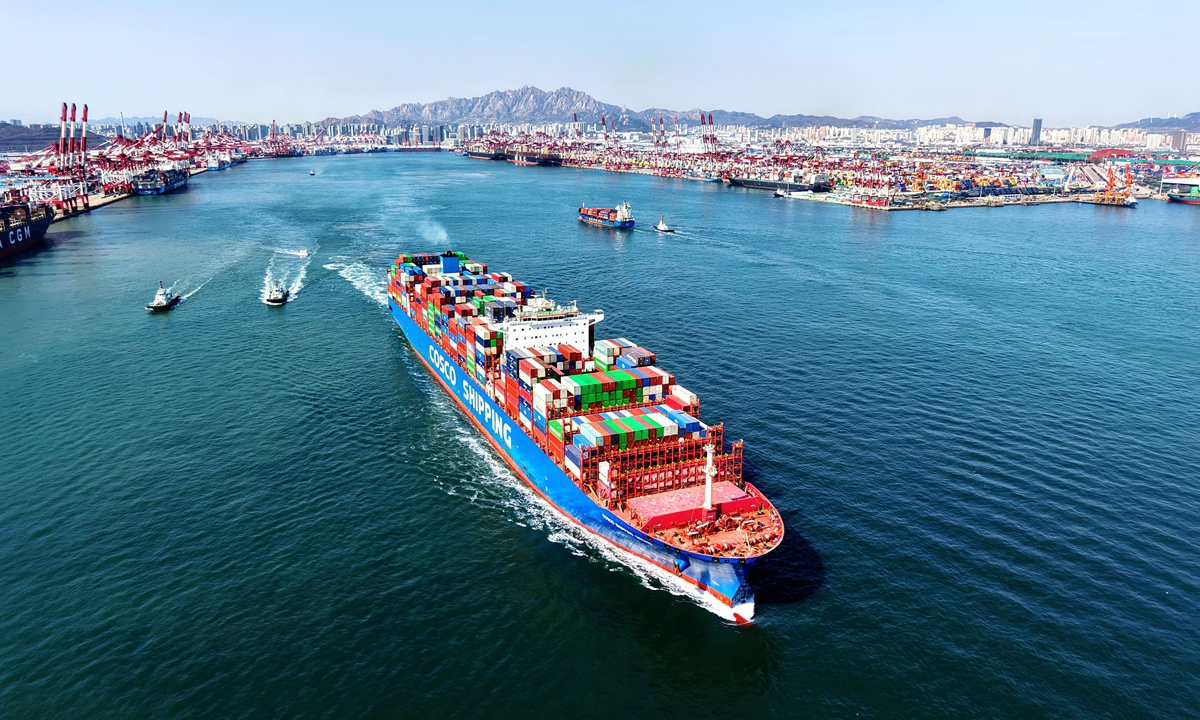
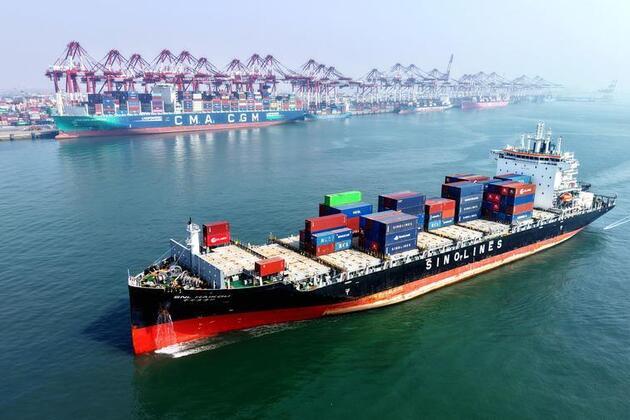
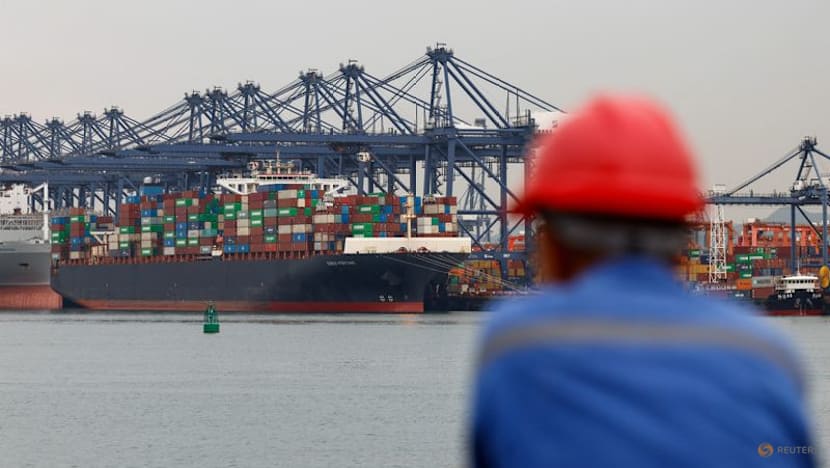
China's April 2026 export data reveals a critical inflection point for cross-border e-commerce sellers: a 14.1% year-over-year export surge combined with an 11.3% jump in US-bound shipments signals robust manufacturing capacity and sustained global demand, yet masks significant tariff policy risks ahead of the Trump-Xi summit. According to China's General Administration of Customs (May 9, 2026), China recorded a $84.8 billion monthly trade surplus in April 2026, positioning the nation for its third consecutive year of approximately $1 trillion in annual surpluses—far exceeding the previous 2024 record of $992 billion. The 14.1% export acceleration reflects strengthened demand across manufacturing, electronics, textiles, and consumer products—all critical categories for cross-border sellers sourcing from China.
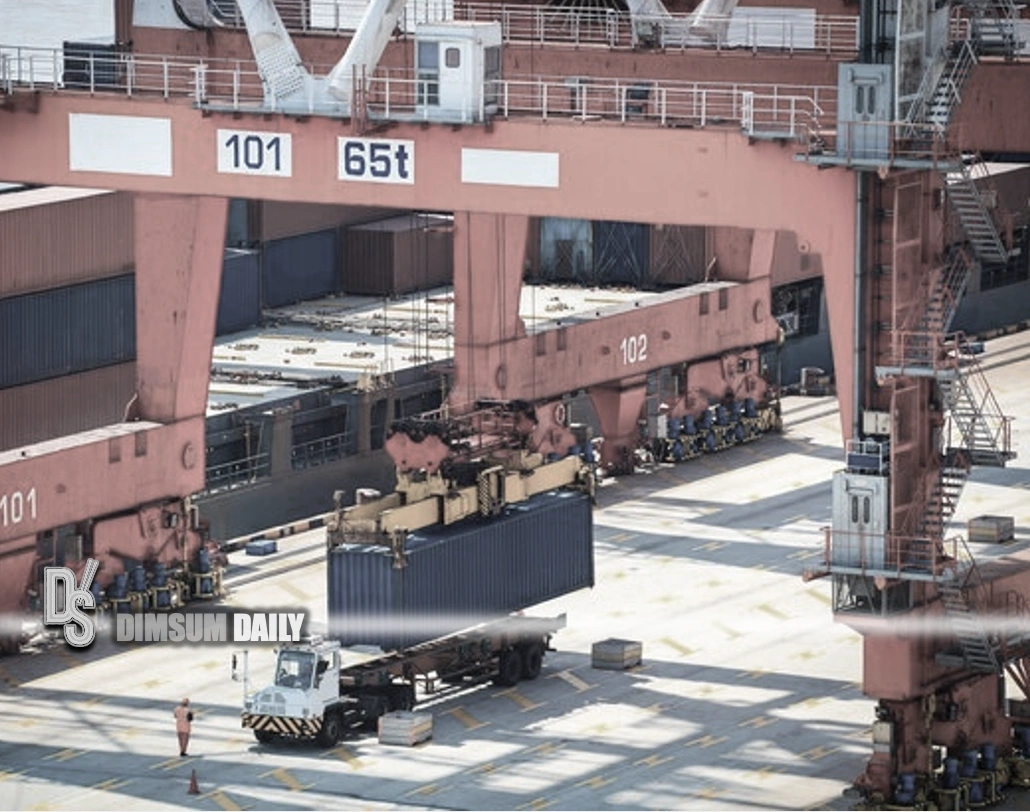
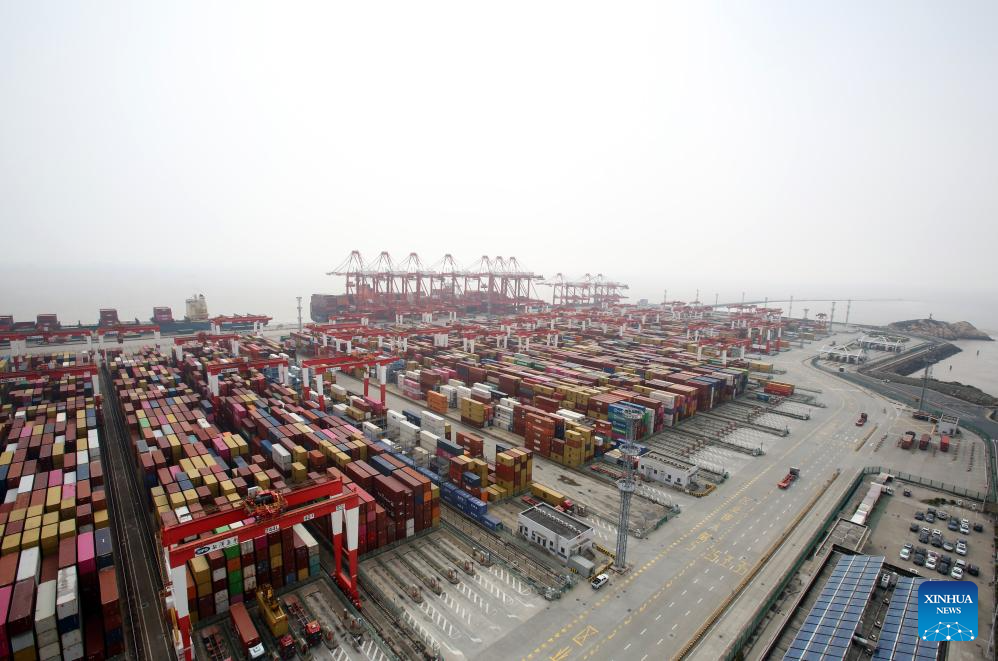
For sellers importing Chinese goods, this export momentum presents a dual opportunity-risk scenario. The strong export performance indicates Chinese manufacturers and logistics providers are operating at healthy capacity levels, supporting timely order fulfillment and competitive pricing. Sellers in electronics (HS codes 8471-8517), textiles (HS codes 6204-6209), and consumer products can expect maintained production efficiency and shipping reliability through mid-2026. However, the 13% widening of the US-China trade surplus—driven by US imports to China increasing only 9% versus Chinese exports surging 11.3%—directly signals Trump administration pressure for tariff increases. Recent court decisions overturning some Trump tariffs have reduced his negotiating leverage, creating uncertainty around tariff schedules post-summit. Energy costs have also spiked due to the Iran conflict and Strait of Hormuz closure, increasing logistics expenses by an estimated 8-15% for ocean freight from China.
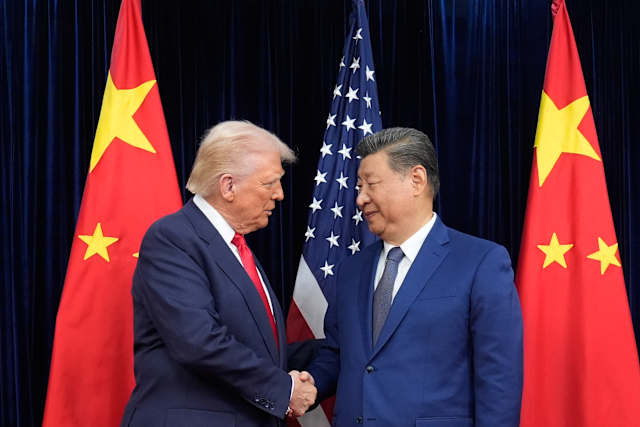
The strategic timing of this data release—immediately before Trump-Xi negotiations—suggests sellers face a critical 60-90 day window for sourcing decisions. Tariff outcomes could reshape cost structures for the remainder of 2026. Sellers should immediately audit their sourcing portfolio by HS code category, calculate tariff exposure under potential 10-25% rate scenarios, and consider strategic inventory builds before any new tariff implementations. The April export surge demonstrates China's economic strength in negotiations, potentially influencing policy outcomes affecting import duties and trade regulations. Sellers dependent on Chinese suppliers should monitor Trump-Xi summit announcements closely, as outcomes will directly impact cost structures, competitive positioning, and market access strategies through 2026. Consider diversifying sourcing to Vietnam, India, or Mexico for tariff-sensitive categories while maintaining China relationships for high-volume, price-competitive products where tariff absorption is feasible.
Questions 8
What tariff rates should I model for different product categories post-summit?
Current baseline tariff rates on Chinese imports range from 0% (some raw materials) to 25% (consumer electronics, textiles). Trump administration pressure suggests potential increases of 10-25% across most categories. Model three scenarios: (1) Status quo—maintain current rates; (2) Moderate increase—10-15% tariff hikes on electronics (HS 8471-8517) and textiles (HS 6204-6209); (3) Aggressive increase—20-25% tariffs on consumer products and electronics. Use USITC tariff schedule tools to identify your specific HS codes and current rates. Calculate margin impact for each scenario and identify which categories can absorb tariff costs versus which require price increases or sourcing diversification. This analysis should inform your inventory and sourcing decisions by June 2026.
How do rising ocean freight costs from Strait of Hormuz disruptions impact my margins?
The Iran conflict and Strait of Hormuz closure have increased imported oil and natural gas prices, raising ocean freight costs by an estimated 8-15% for shipments from China. For a typical 40-foot container, this translates to $200-500 additional freight costs depending on destination port and carrier. Sellers importing high-volume, low-margin products (textiles, consumer goods) face margin compression of 2-5% per unit. Consider consolidating shipments to maximize container utilization, negotiating long-term freight contracts to lock in rates, or shifting to air freight for high-value, time-sensitive products. Monitor Suez Canal and Strait of Hormuz geopolitical developments, as shipping route stability directly impacts your logistics costs through 2026.