




Celebrity Litigation Costs Hit $60M | Reputation Risk Management Lessons for Brand Sellers
- High-profile settlement reveals $60M legal fee exposure; demonstrates brand vulnerability to reputational damage and strategic litigation costs for sellers managing celebrity partnerships and influencer collaborations




















Overview
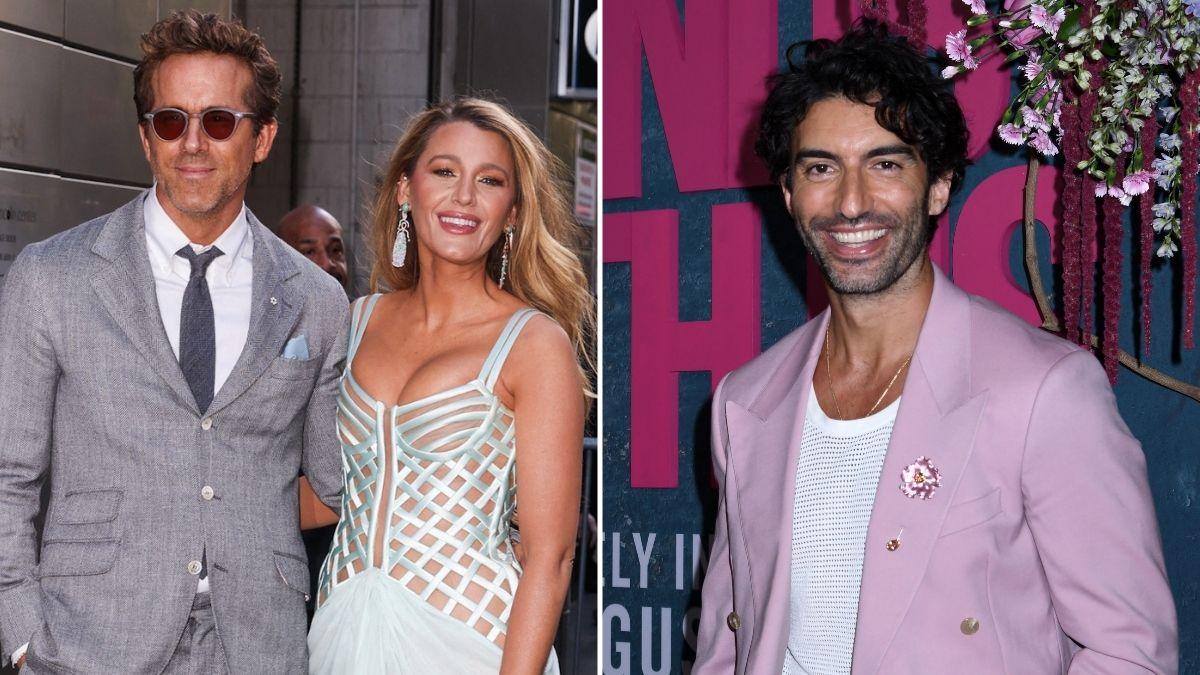
The Blake Lively-Justin Baldoni legal dispute, which concluded with a settlement in May 2026 after 18 months of litigation, reveals critical lessons for e-commerce sellers managing brand reputation and celebrity partnerships. The case generated approximately $60 million in combined legal fees with individual attorney billing rates exceeding $1,500 per hour—a cautionary benchmark for sellers considering high-stakes brand collaborations. Neither party received monetary compensation despite initial demands totaling $700 million ($300M from Lively, $400M from Baldoni), indicating that reputational preservation often outweighs financial recovery in settlement negotiations.
Key litigation indicators affecting seller strategy: The case demonstrates how California Civil Code Section 47.1 protects individuals reporting sexual misconduct allegations, creating asymmetric legal risk for defendants. Judge Lewis J. Liman dismissed 10 of Lively's 13 claims by April 2025, yet three claims (breach of contract, retaliation, aiding and abetting retaliation) proceeded to settlement—showing that even partially dismissed cases generate substantial legal exposure. The settlement occurred just two weeks before trial (scheduled May 18, 2026), preventing depositions from becoming public record, a strategic consideration for sellers managing sensitive business disputes.
Reputation management implications for brand sellers: News 3 reveals that luxury fashion brands hesitated to associate with Lively post-litigation, viewing her as carrying "baggage, drama, and polarization" that could distract from brand image. This demonstrates how legal disputes directly impact commercial partnerships and brand equity. Vogue Editor-in-Chief Anna Wintour's public support shifted designer sentiment, illustrating that third-party validation can accelerate reputation recovery. For e-commerce sellers, this signals that brand partnerships require reputation insurance and exit clauses protecting against litigation-driven association risks.
Strategic settlement patterns: The case illustrates what strategic advisor Robbie Vorhaus termed "a tactical retreat before the fire consumed remaining brand equity"—settling to prevent further reputational damage rather than pursuing financial recovery. Both parties prioritized salvaging industry influence over monetary gains, a pattern relevant to sellers managing influencer contracts, brand ambassador agreements, and supplier relationships where litigation visibility threatens market position. The undisclosed settlement terms suggest confidentiality clauses protecting both parties' commercial interests, a standard practice for sellers negotiating dispute resolutions.
Questions 8
What does the Met Gala settlement timing reveal about brand recovery strategy?
Lively appeared at the Met Gala hours after the settlement announcement on May 8, 2026, signaling what observers described as a 'choreographed conclusion' to the dispute. This timing demonstrates strategic brand recovery—settling before the high-profile event allowed Lively to control the narrative and appear at a major industry event without ongoing litigation visibility. For sellers, this illustrates the importance of timing dispute resolutions around major commercial events or seasonal peaks. Sellers should consider settling disputes before product launches, holiday seasons, or major marketing campaigns to avoid litigation visibility during peak revenue periods. The case shows that settlement timing can amplify brand recovery by allowing positive public appearances immediately following dispute resolution.
How should sellers structure confidentiality and non-disparagement clauses in settlement agreements?
The Lively-Baldoni settlement included confidentiality provisions preventing public disclosure of terms, with both parties agreeing not to appeal the judge's decision on legal fee requests. This structure protected both parties' commercial interests while preventing ongoing litigation visibility. For sellers, effective settlement clauses should include: (1) **mutual confidentiality** preventing either party from disclosing dispute details, (2) **non-disparagement provisions** limiting public statements about the other party, (3) **social media restrictions** preventing negative posts or comments, and (4) **dispute resolution procedures** for future disagreements. Sellers should avoid settlements that allow continued litigation over specific issues (like legal fee recovery) as these extend dispute visibility. The case shows that comprehensive confidentiality structures enable faster brand recovery and prevent ongoing reputational damage from public dispute details.