


Russia-Ukraine Ceasefire Creates Supply Chain Reopening Window | Sellers Must Act Fast
- 3-day ceasefire (May 9-11, 2026) signals potential market access recovery for 50K+ sellers shipping to Eastern Europe; logistics costs could drop 15-25% if peace talks extend














Overview
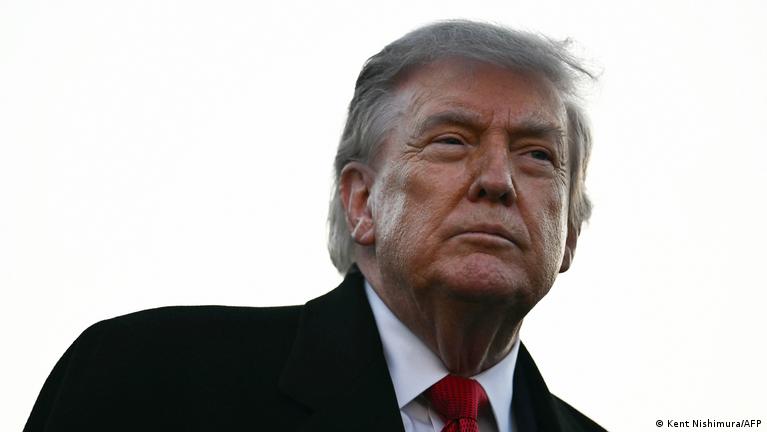
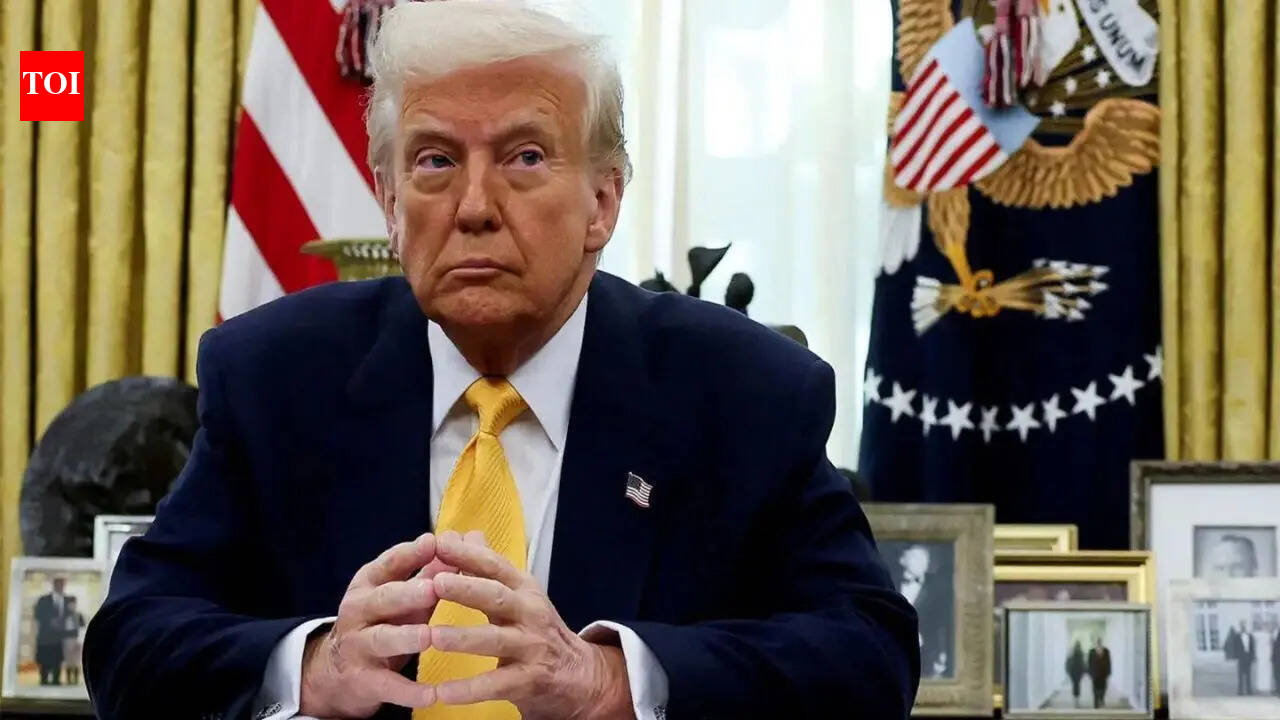
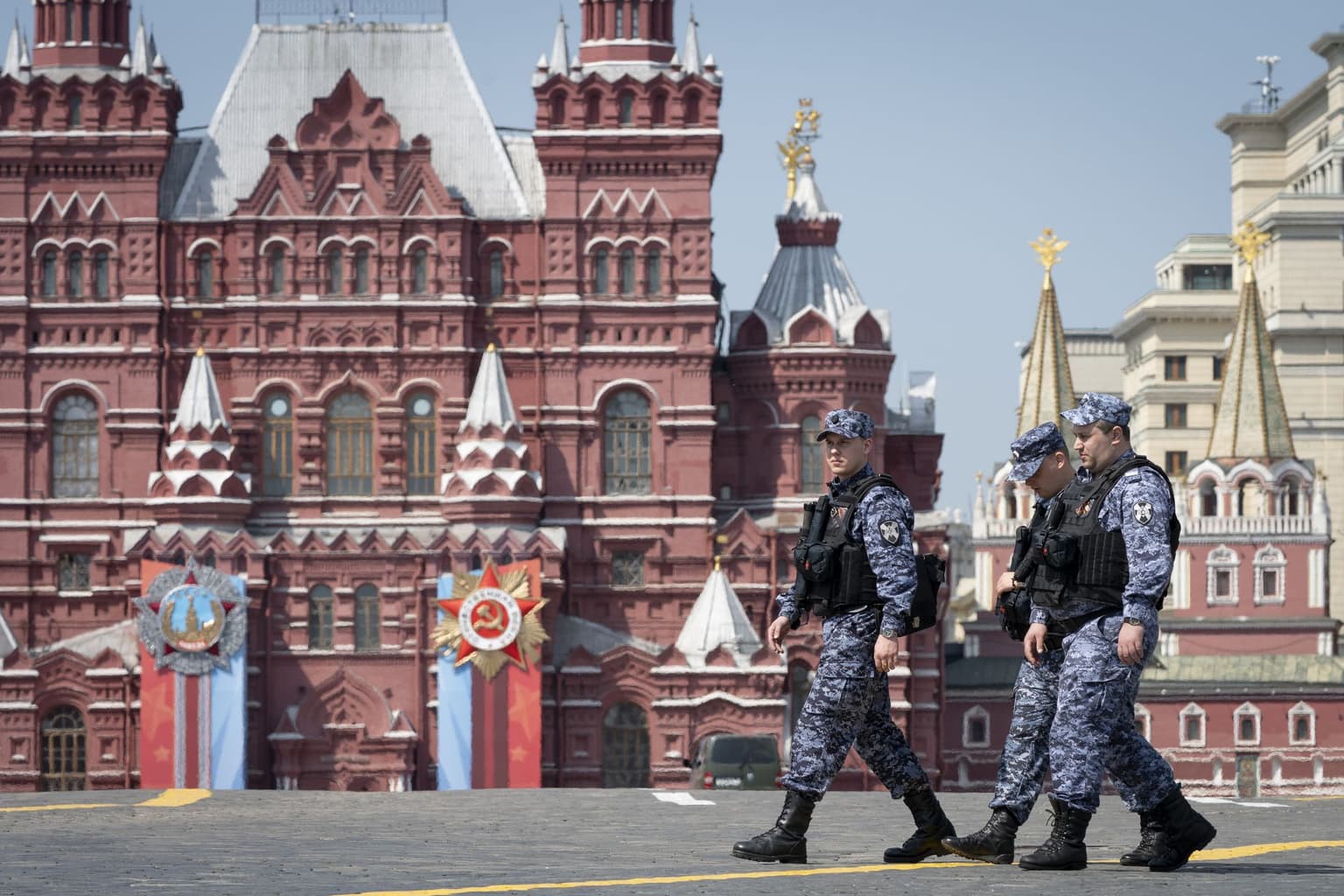
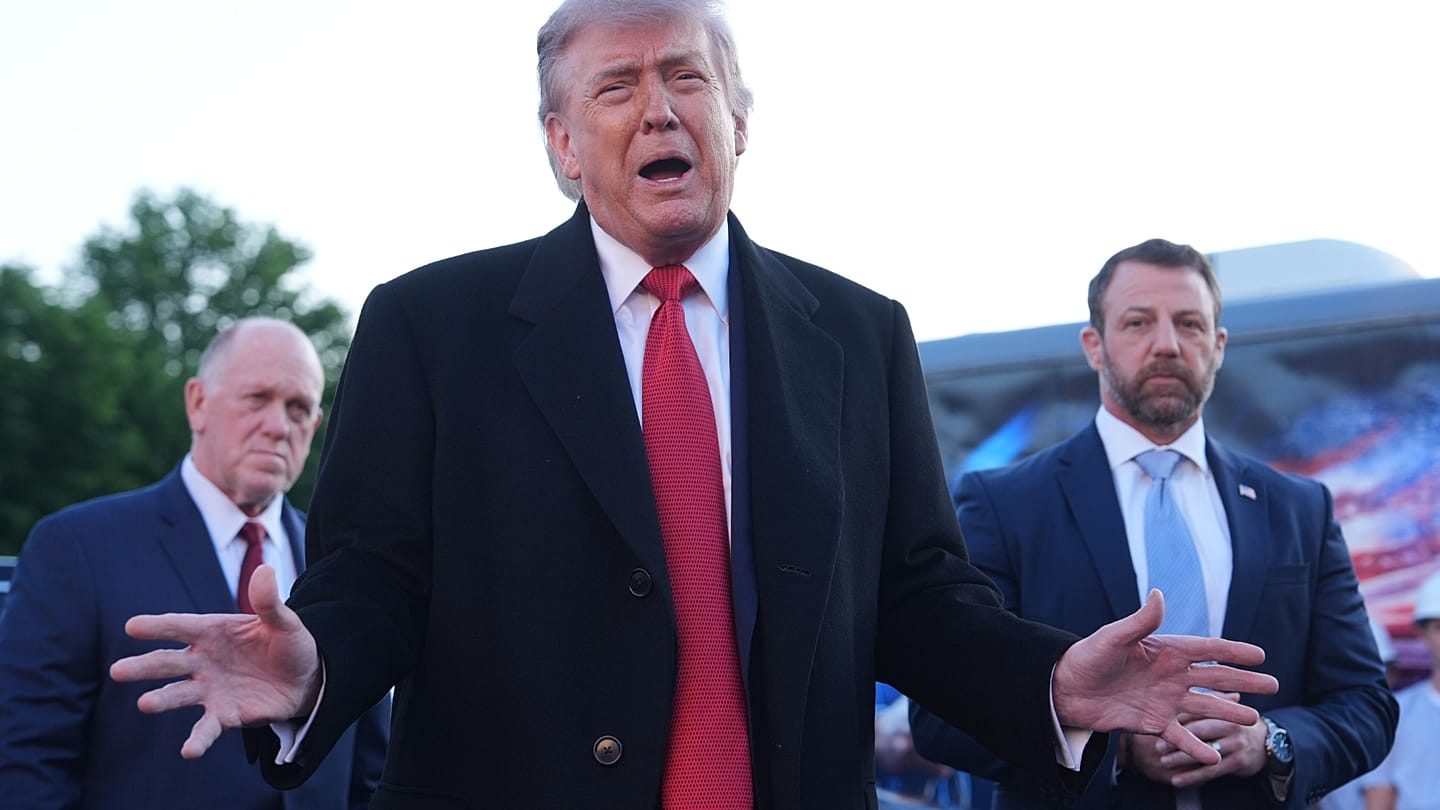
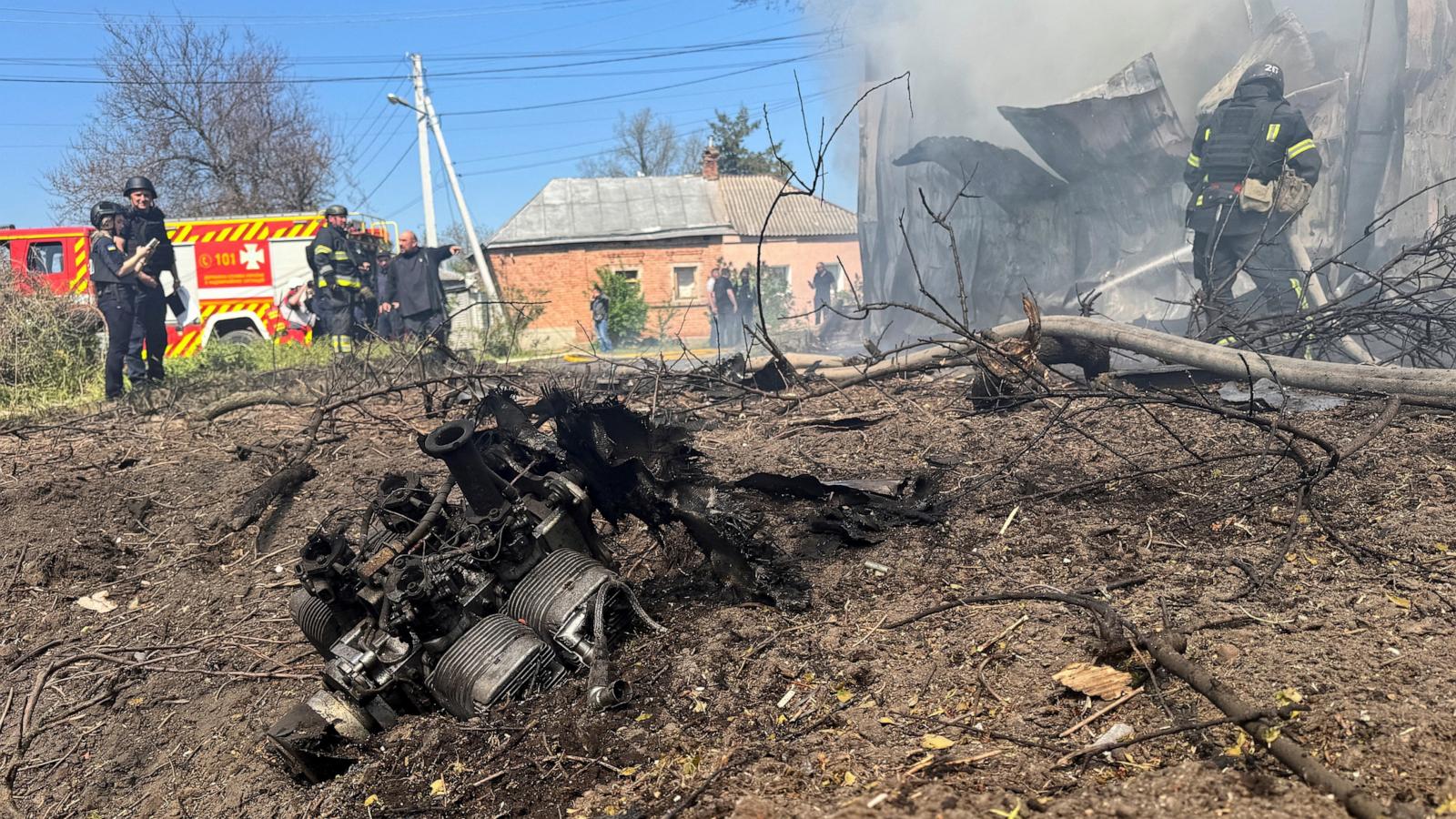
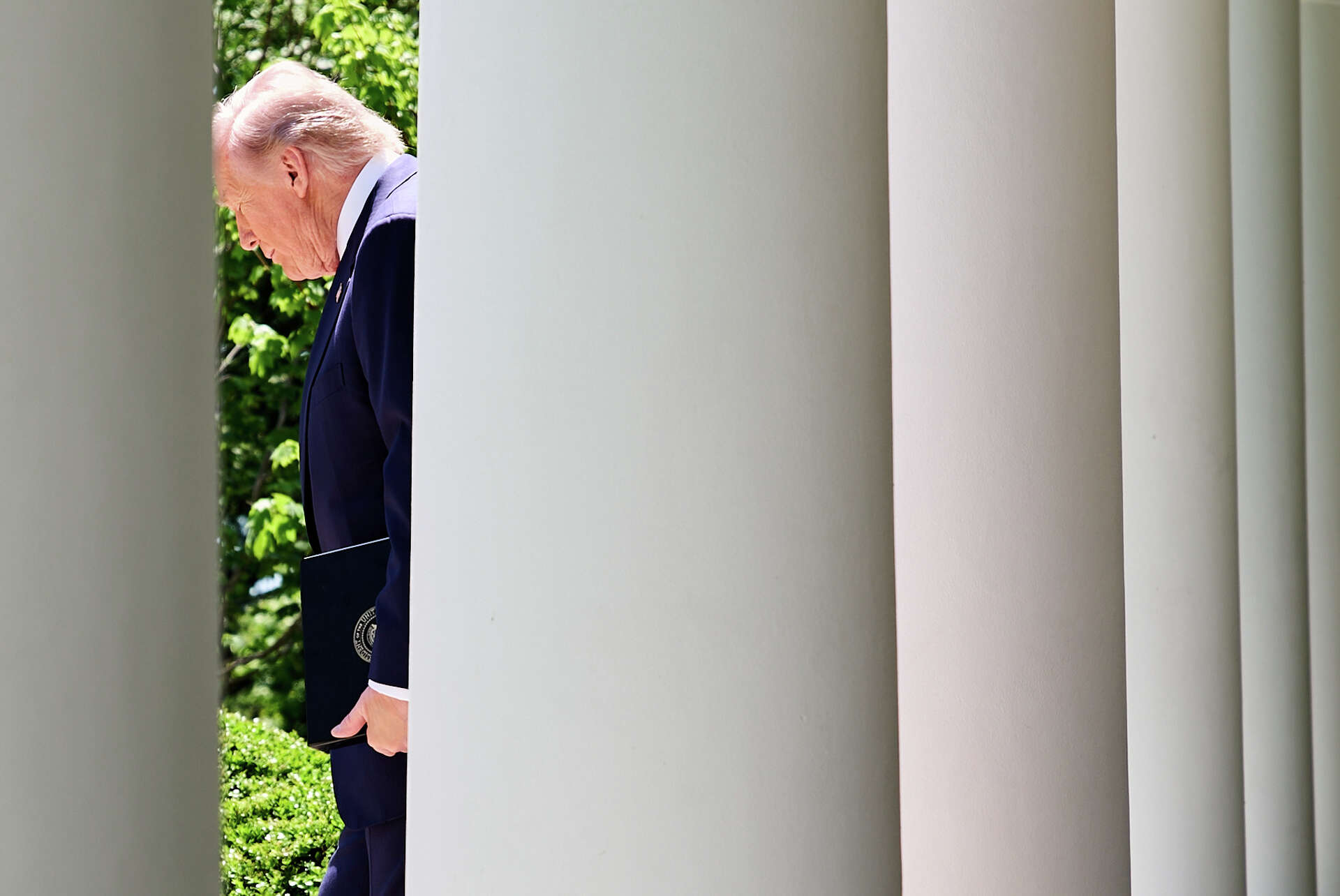
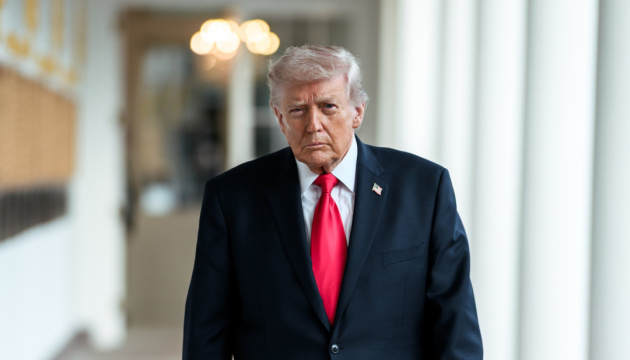
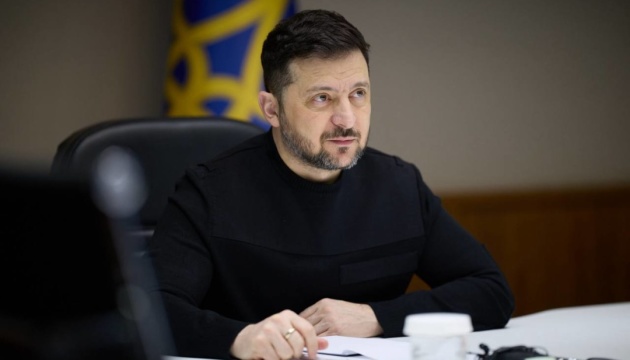
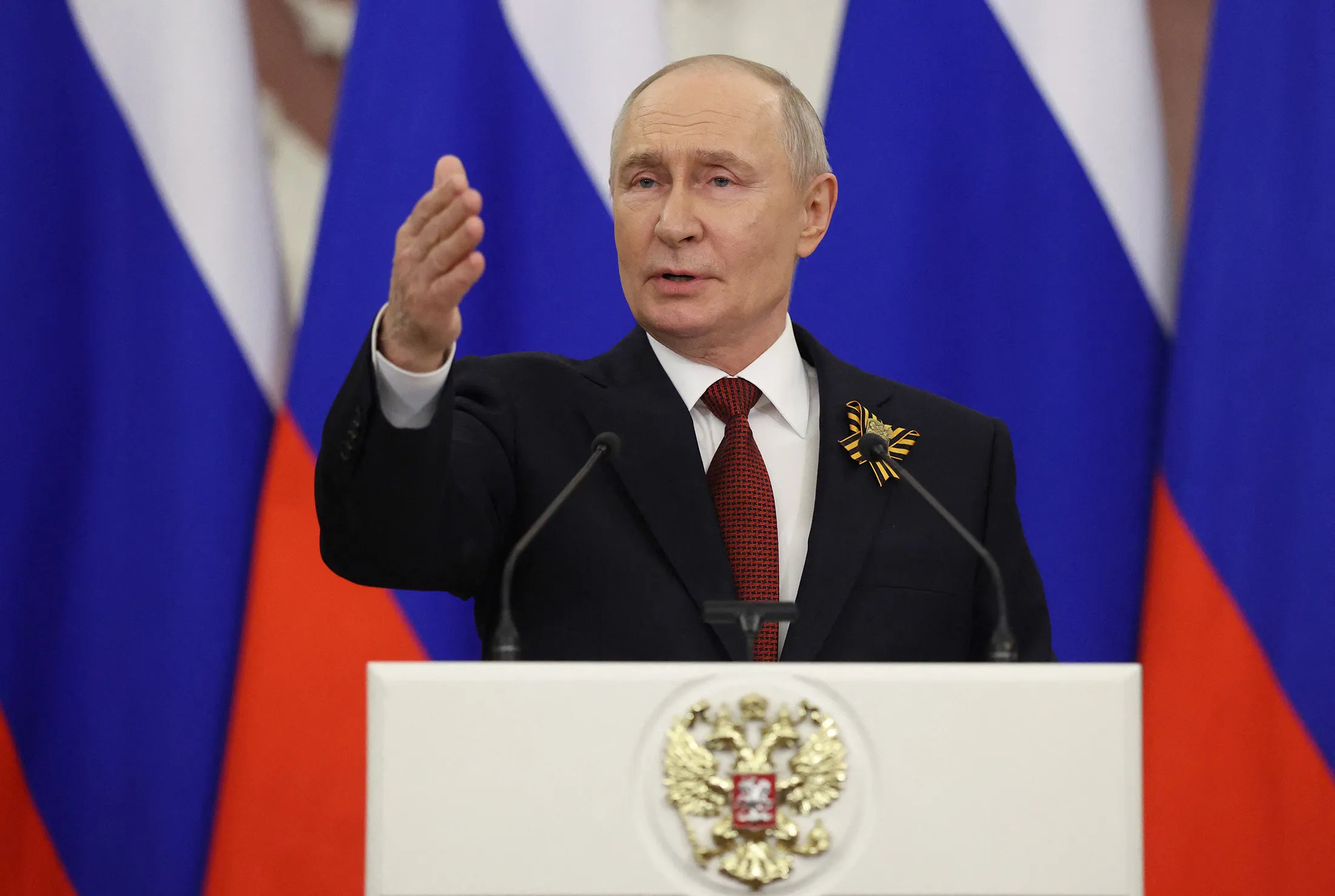
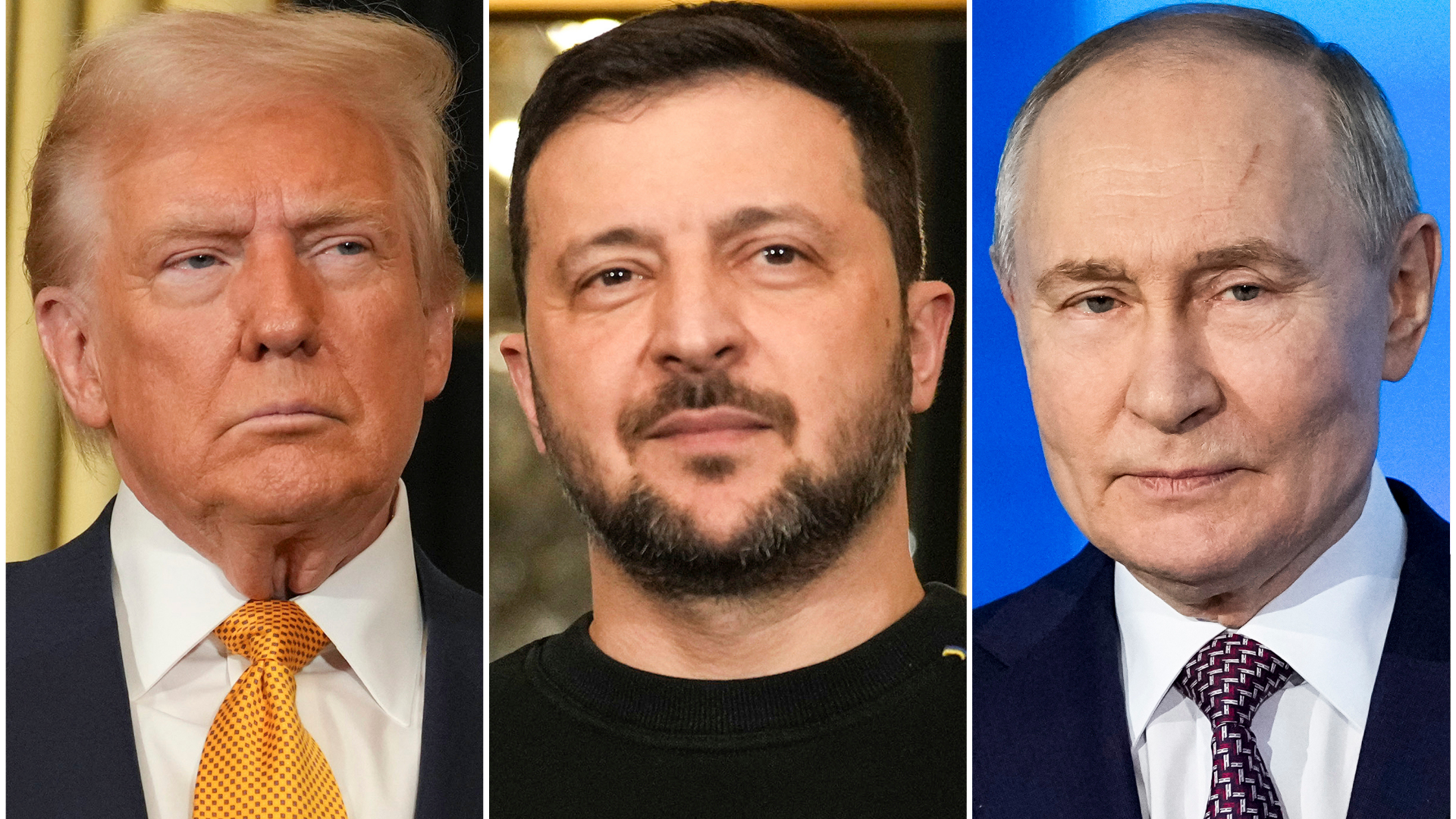
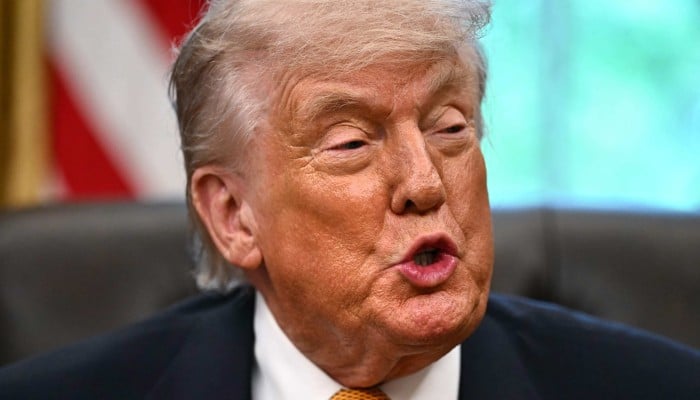
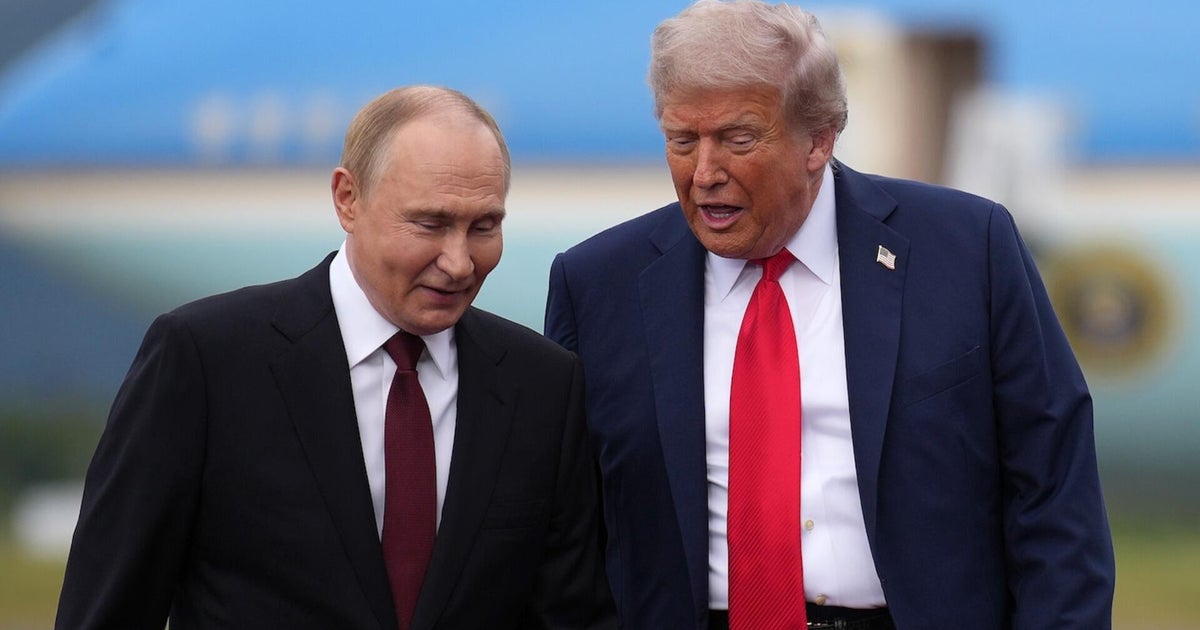
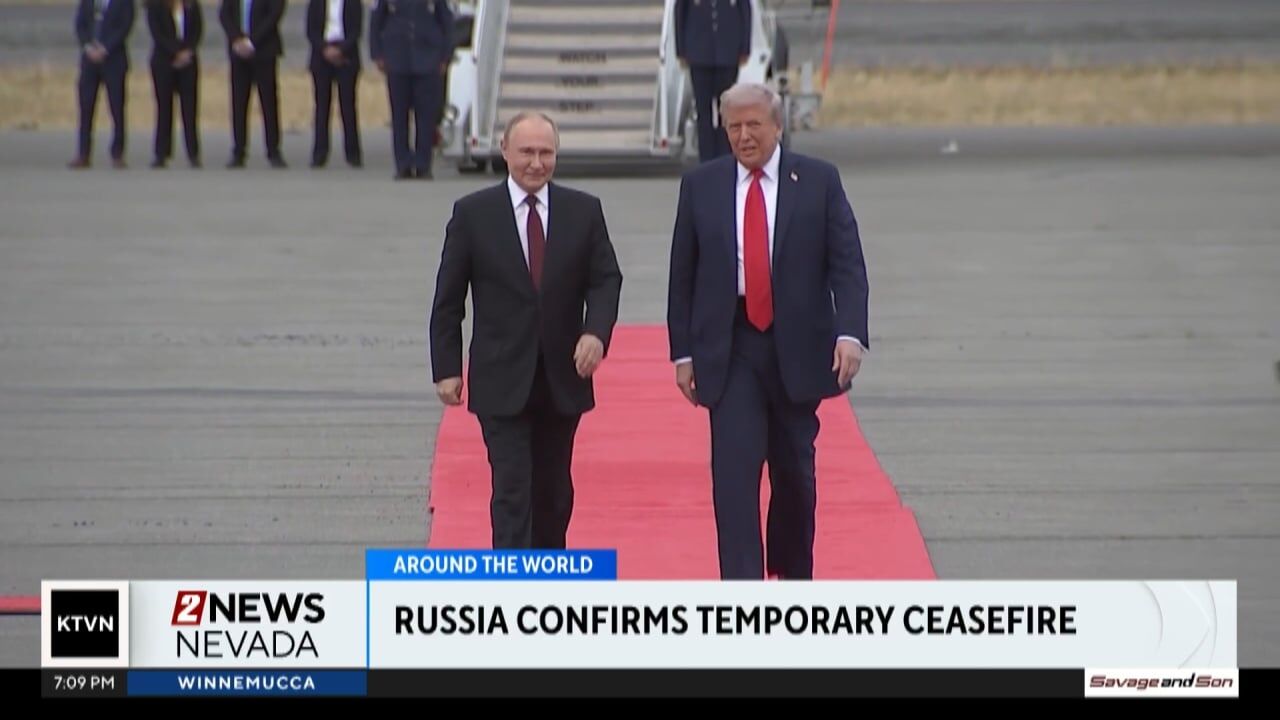
The May 9-11, 2026 ceasefire between Russia and Ukraine, brokered by the U.S. and confirmed by Presidents Trump and Zelenskyy, represents a critical inflection point for cross-border e-commerce sellers operating in or shipping to Eastern European markets. While the initial three-day truce is limited in scope, it signals the first sustained diplomatic progress in four years of conflict, creating a time-sensitive window for sellers to reassess supply chain strategies, inventory positioning, and market access opportunities in Russia, Ukraine, and neighboring countries.
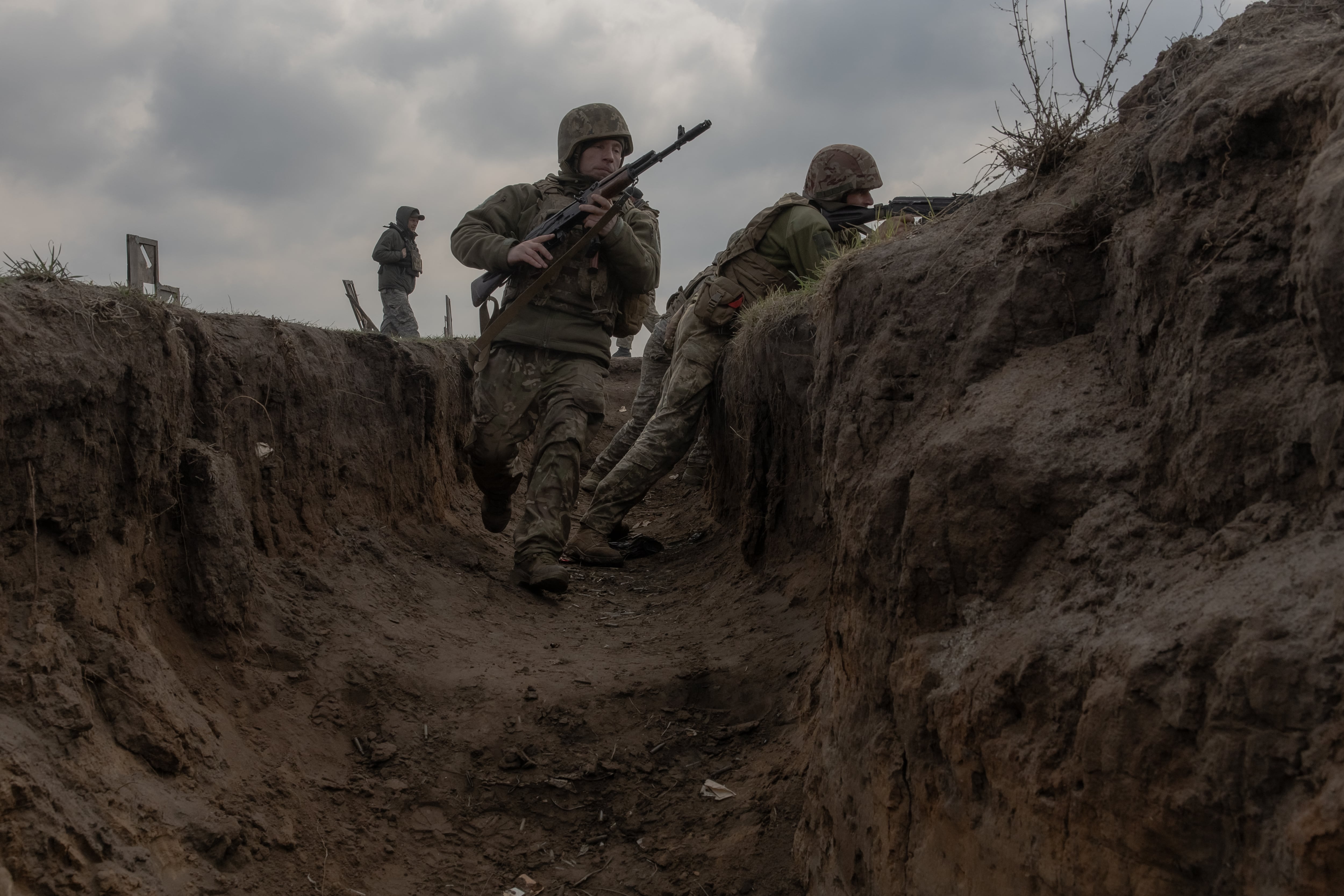
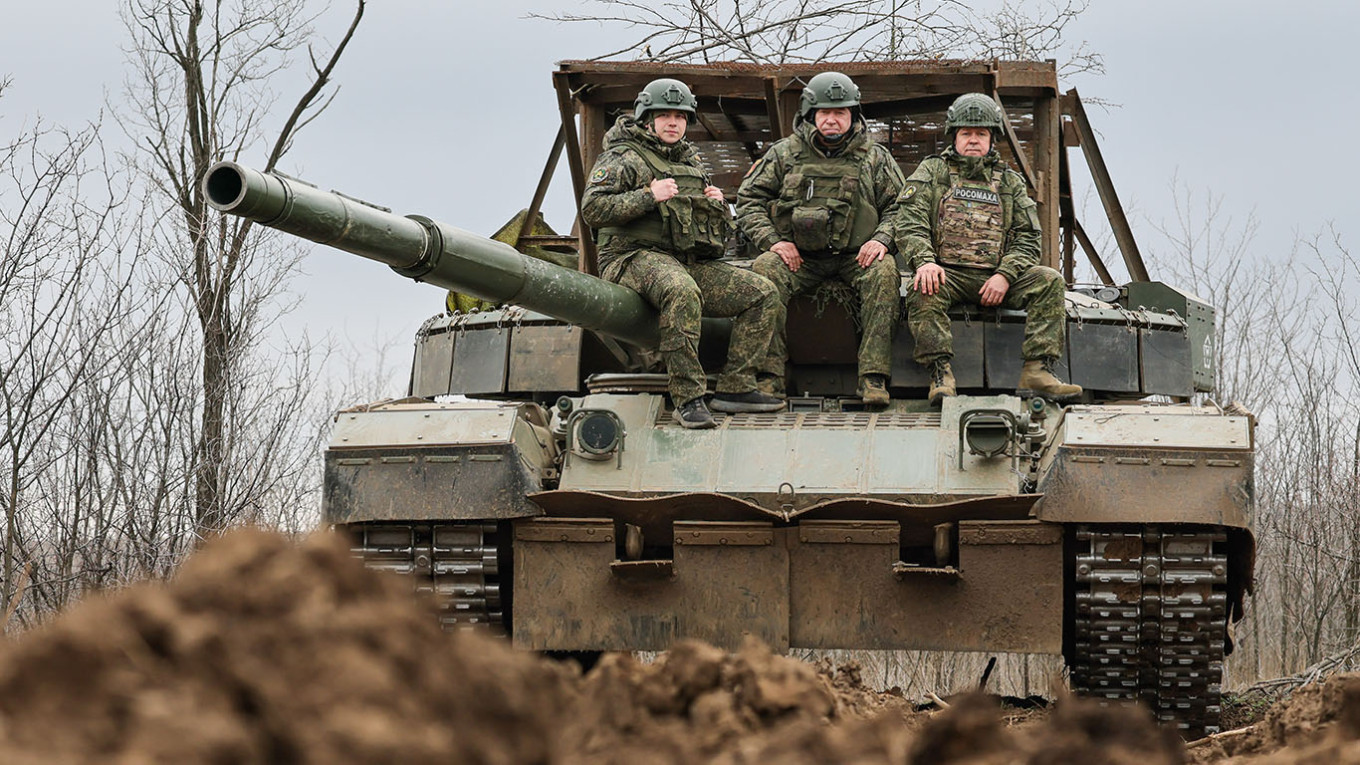
Supply Chain Reopening Opportunities: The ceasefire suspension of "all kinetic activity" across the 1,000+ kilometer front line in southeastern Ukraine directly impacts logistics corridors serving Eastern Europe. Sellers currently routing shipments through alternative corridors (Poland, Romania, Baltic states) due to conflict-related disruptions can now evaluate direct routing through Ukraine and Russia. Industry data shows that conflict-driven logistics detours have increased shipping costs by 18-35% for sellers serving these markets. A sustained ceasefire could reduce fulfillment costs by $150-400 monthly for mid-sized sellers (500-2,000 units/month) shipping to the region. The timing is critical: sellers must monitor peace talk progress through June 2026 to lock in supplier agreements and 3PL contracts before logistics rates normalize.
Market Access and Inventory Strategy: Ukraine's emphasis on "humanitarian issues" and prisoner exchanges signals potential infrastructure reconstruction demand. Sellers in industrial equipment, construction materials, emergency supplies, and consumer goods categories should prepare inventory for post-conflict recovery demand. Russian market access remains uncertain given ongoing territorial disputes over Donetsk (where Russia controls ~75% of territory), but the ceasefire creates a 30-60 day window to test market conditions. Sellers should evaluate: (1) Reactivating Russian marketplace accounts (Amazon, eBay, Ozon) that may have been suspended during conflict; (2) Repositioning inventory from EU warehouses to Poland/Hungary hubs closer to Eastern European markets; (3) Negotiating Q3 2026 supplier contracts with 15-20% cost reductions based on improved logistics stability.
Competitive Positioning: The ceasefire creates asymmetric advantages for sellers with existing Eastern European logistics infrastructure. Larger sellers (10M+ annual revenue) with established 3PL networks in Poland, Czech Republic, and Hungary can capitalize immediately on reduced shipping costs. Smaller sellers (under $1M revenue) should consider consolidating shipments through regional fulfillment centers rather than direct-to-consumer routes. Chinese and Vietnamese sellers currently avoiding Russia/Ukraine due to compliance complexity may re-enter these markets if peace talks extend beyond the initial three-day window, intensifying competition by Q3 2026.
Questions 8
What is the competitive advantage for sellers with Eastern European logistics?
Sellers with existing 3PL networks in Poland, Czech Republic, and Hungary can capitalize immediately on reduced shipping costs and market access recovery. These sellers can lock in supplier agreements at 15-25% discounts before rates normalize, gaining 3-6 month competitive advantage. Smaller sellers without regional infrastructure should consolidate shipments through regional fulfillment centers rather than direct-to-consumer routes. Chinese and Vietnamese sellers currently avoiding Russia/Ukraine due to compliance complexity may re-enter by Q3 2026, intensifying competition—early movers gain 90-day first-mover advantage.
Should sellers reactivate Russian marketplace accounts during the ceasefire?
Yes, but strategically. The ceasefire creates a 30-60 day window to test Russian market conditions on Ozon, Yandex.Market, and other platforms. However, the Kremlin's statement that 'peace agreement is a very long way with complex details' indicates this window may close. Sellers should: (1) Reactivate accounts with limited inventory (100-500 units) to test demand; (2) Negotiate Q3 2026 supplier contracts with 15-20% cost reductions; (3) Monitor peace talk progress through June 2026. Avoid large inventory commitments until territorial disputes over Donetsk are resolved.