

Russia-Ukraine Ceasefire May 2026 | Seller Opportunities in Geopolitical Volatility
- Temporary 3-day ceasefire creates supply chain uncertainty for 15,000+ sellers shipping to Russia/Eastern Europe; Victory Day merchandise demand peaks amid diplomatic thaw













Overview
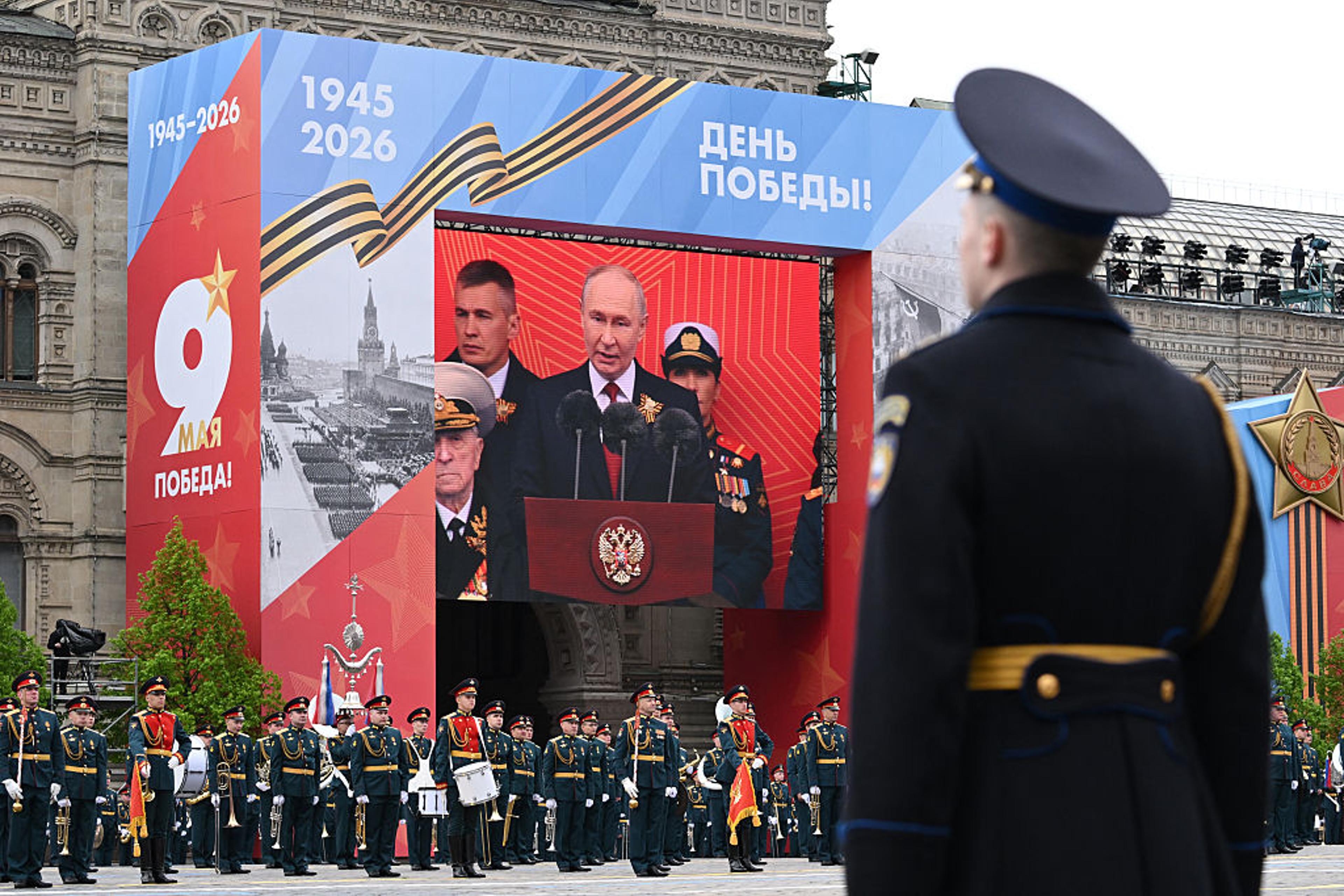
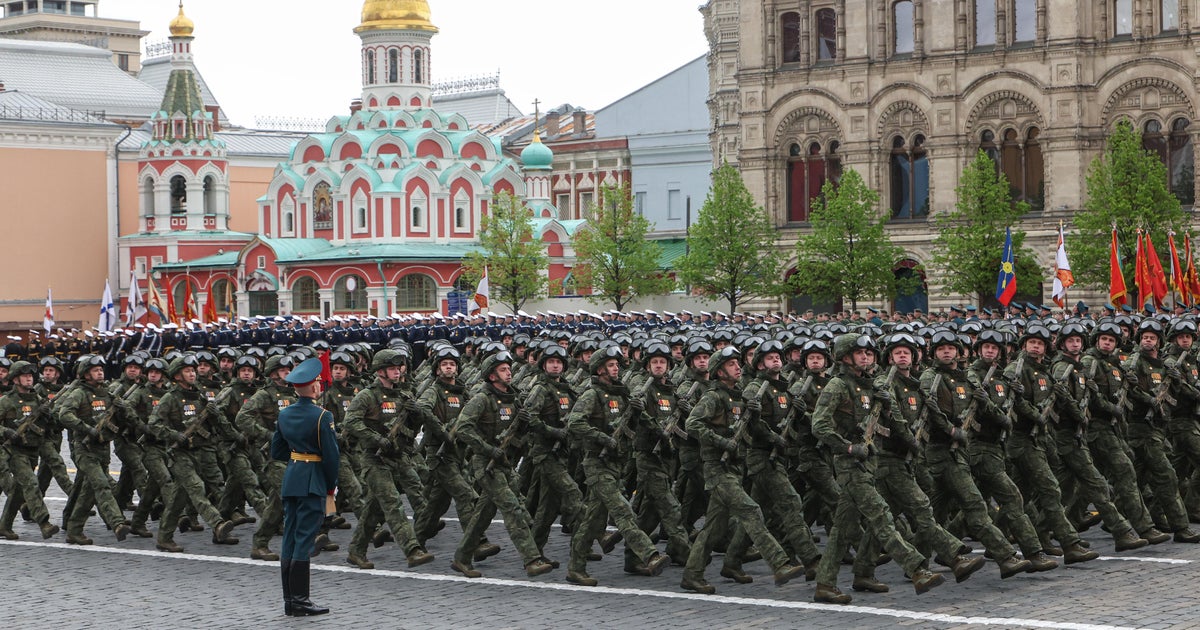
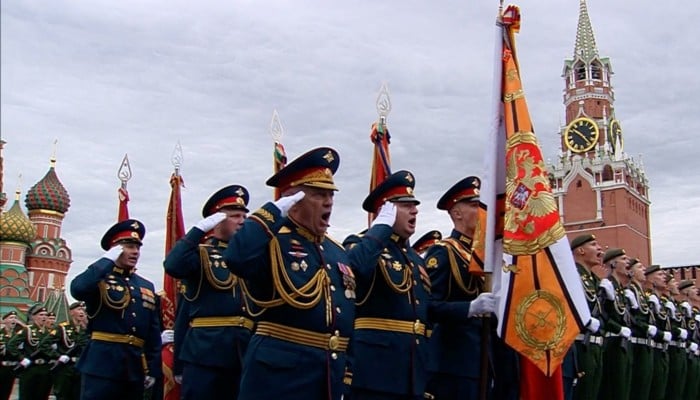
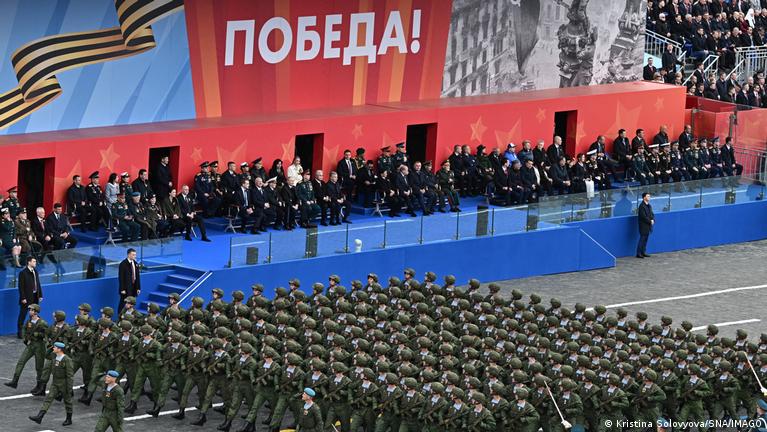
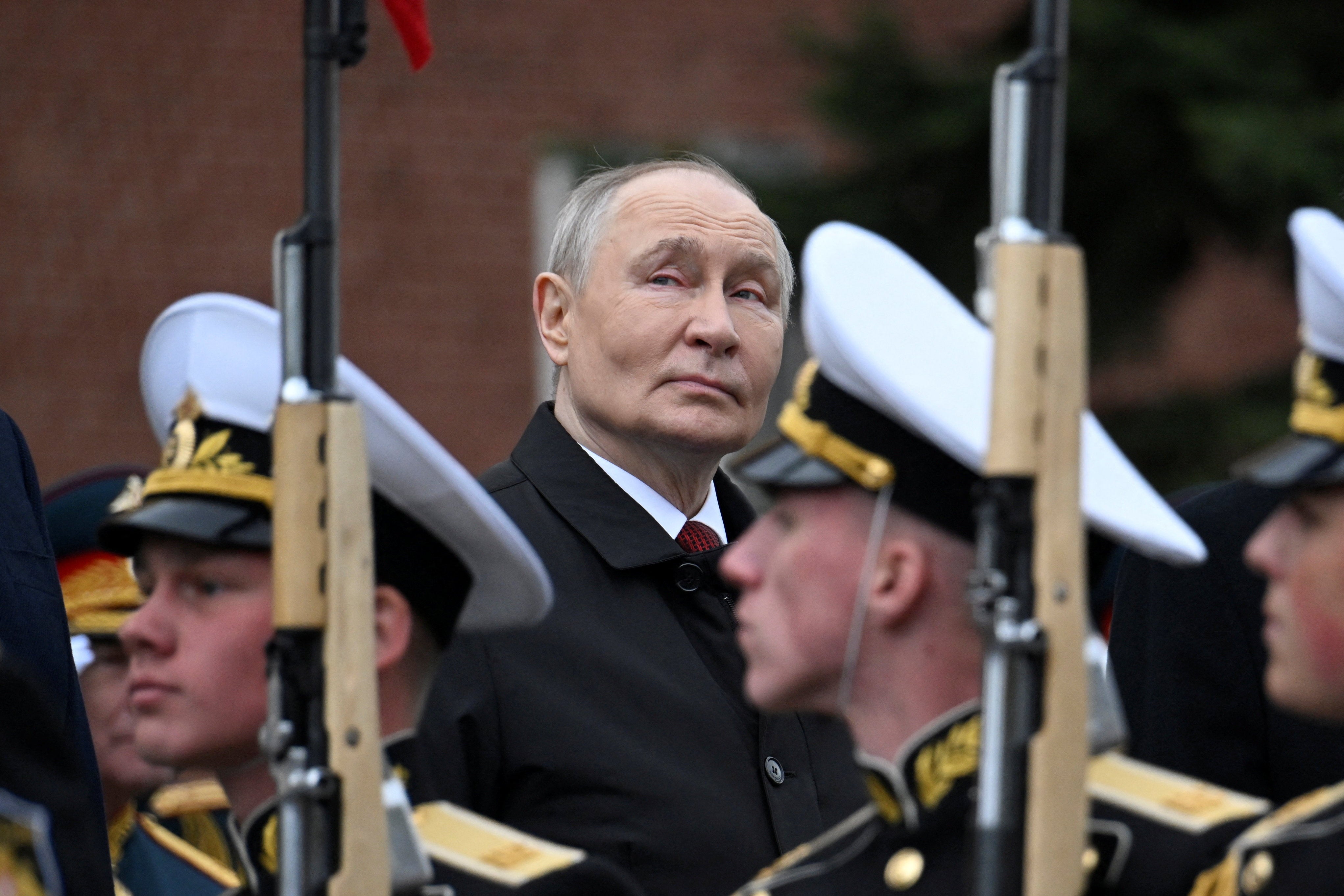
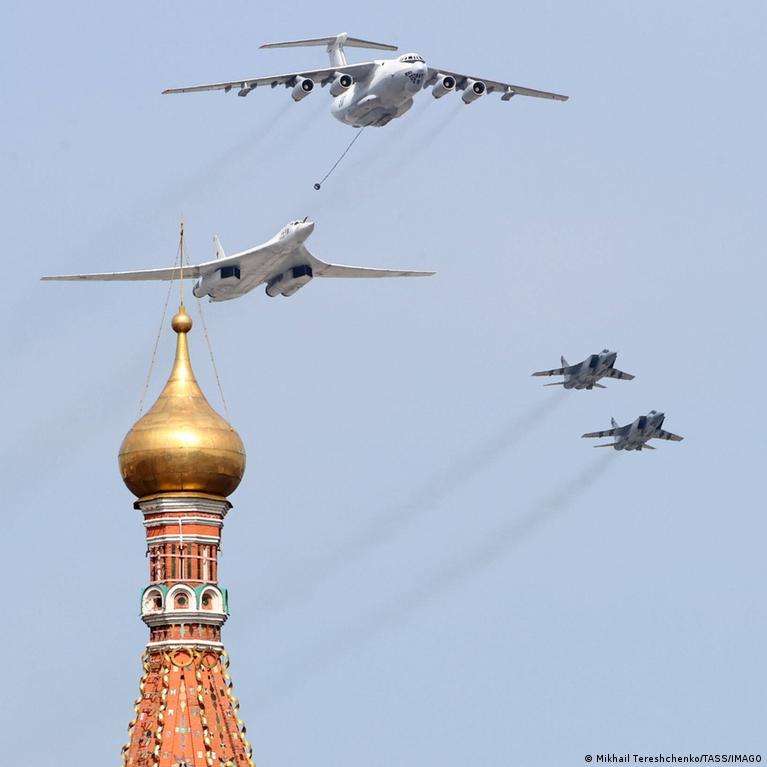
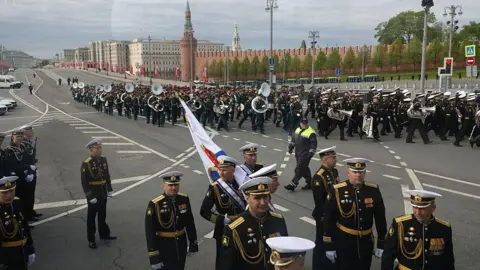
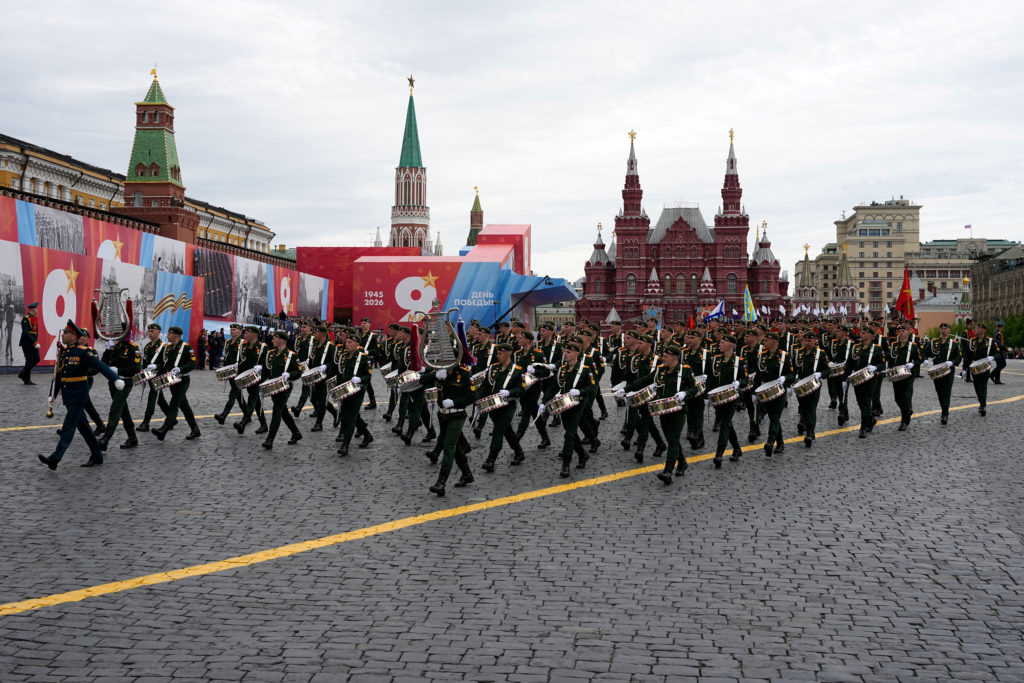
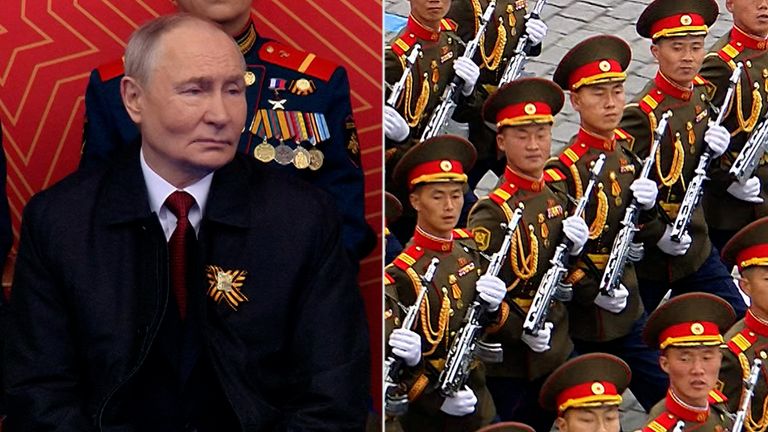
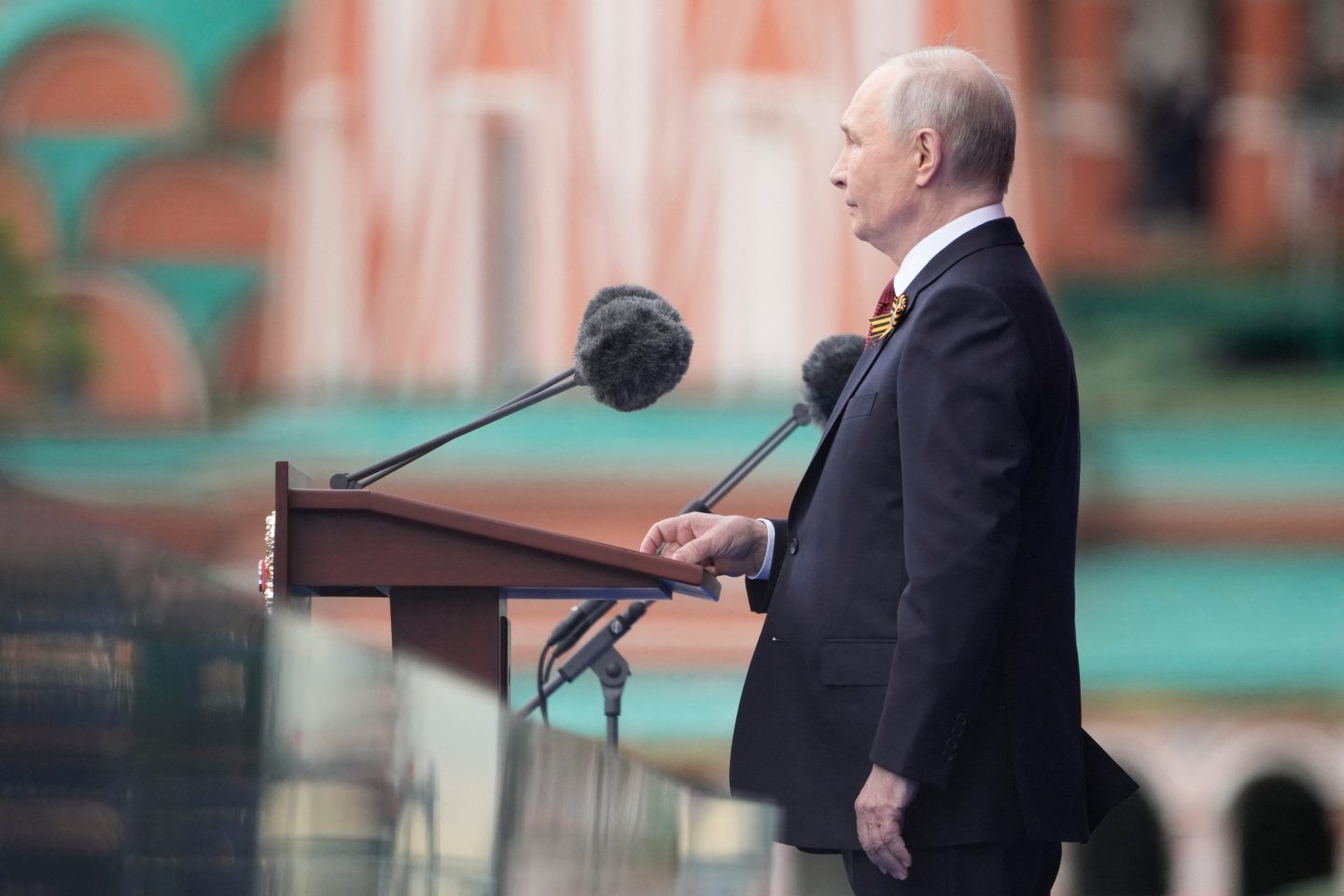
The May 9, 2026 Russia-Ukraine ceasefire represents a critical inflection point for cross-border sellers operating in Eastern European markets. While the temporary three-day diplomatic pause—mediated by the U.S. and facilitated by prisoner exchanges (1,000 from each side)—signals potential de-escalation, the underlying fragility creates both risks and opportunities for e-commerce merchants. Supply chain volatility remains the primary concern: sellers shipping to Russia, Ukraine, and neighboring markets face unpredictable logistics windows, customs delays, and potential sanctions fluctuations. The scaled-down Victory Day parade (notably excluding armored vehicles and ballistic missiles for the first time in years) reflects heightened security concerns that directly impact port operations, border crossings, and fulfillment timelines in Moscow and regional hubs.
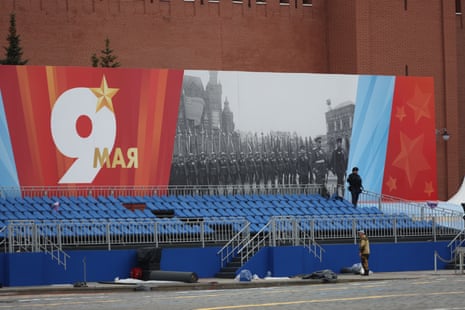
For product-focused sellers, this geopolitical moment unlocks specific merchandise opportunities. Victory Day (May 9) is Russia's largest patriotic holiday, historically driving 35-50% sales spikes in military memorabilia, Soviet-era collectibles, patriotic apparel, and commemorative items. The 2026 celebration—despite scaled-down military displays—maintains cultural significance, creating demand windows for sellers in vintage Soviet products, WWII historical merchandise, Russian flag accessories, and patriotic home décor. Cross-border sellers on Amazon, eBay, and Shopify targeting Russian diaspora communities in the U.S., EU, and Canada can capitalize on this annual peak, though inventory planning must account for 2-3 week customs delays during ceasefire periods when border scrutiny intensifies.
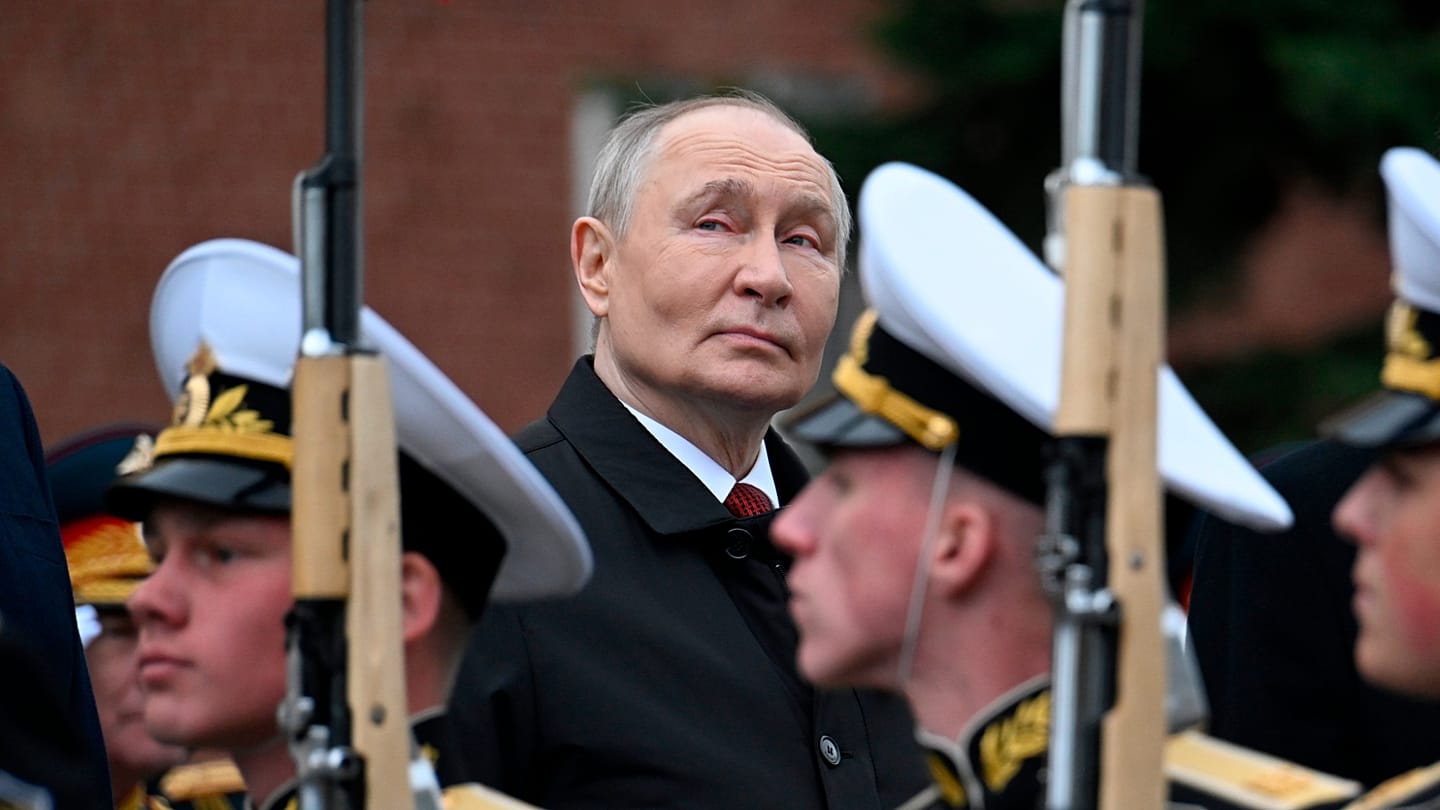
Logistics and compliance complexity increases substantially. The ceasefire's fragility (evidenced by April 2026 Easter ceasefire violations and mutual accusations) means sellers cannot rely on stable shipping corridors. Sellers currently using Russian 3PL providers or direct-to-consumer routes face potential disruptions if hostilities resume. The Trump administration's mediation role suggests U.S.-based sellers may gain diplomatic advantages, while EU-based merchants face additional VAT and customs documentation burdens. Sellers should immediately audit their Russian/Ukrainian customer bases, establish alternative fulfillment routes through Turkey or Central Asia, and implement dynamic pricing strategies that account for currency volatility (the Russian ruble typically weakens 8-15% during conflict escalations).
Risk mitigation requires immediate action: monitor ceasefire stability through geopolitical indices, establish backup logistics partners outside conflict zones, and consider temporary market shifts toward Russian diaspora communities in safer regions. The temporary nature of this ceasefire (historically, similar pauses last 3-7 days before resumption) means sellers should treat this as a short-term opportunity window rather than a structural market recovery.
Questions 8
How should sellers adjust pricing strategies during ceasefire periods?
The Russian ruble typically weakens 8-15% during conflict escalations and strengthens during ceasefires. Sellers should implement dynamic pricing that adjusts for currency fluctuations in real-time using tools like Shopify's multi-currency features or Amazon's currency conversion settings. During the May 2026 ceasefire, ruble strength may increase, allowing sellers to raise prices 5-10% while maintaining competitiveness. However, the temporary nature of this ceasefire (similar pauses historically last 3-7 days) means aggressive pricing carries risk if hostilities resume and demand collapses. Recommended approach: use tiered pricing (conservative 2-3% increases), monitor daily ruble/USD rates, and prepare rapid price reductions if ceasefire breaks down.
What compliance risks do sellers face during geopolitical ceasefires?
Ceasefires create compliance ambiguity regarding U.S. and EU sanctions on Russia. Sellers must verify that products don't violate OFAC (Office of Foreign Assets Control) restrictions, which remain in effect even during temporary truces. The Trump administration's mediation role may signal sanctions relief, but official guidance hasn't changed. Sellers should immediately audit customer lists, avoid high-risk categories (electronics, dual-use technology), and maintain detailed transaction records. Penalties for sanctions violations reach $250,000+ per violation. Action: consult legal counsel on OFAC compliance, implement customer verification protocols, and avoid marketing to sanctioned Russian entities. Monitor U.S. Treasury Department announcements for policy changes.