





Crypto Firms Break Banking Barriers with Landmark National Trust Charters
- Regulatory milestone signals transformative shift in digital asset financial infrastructure































Overview
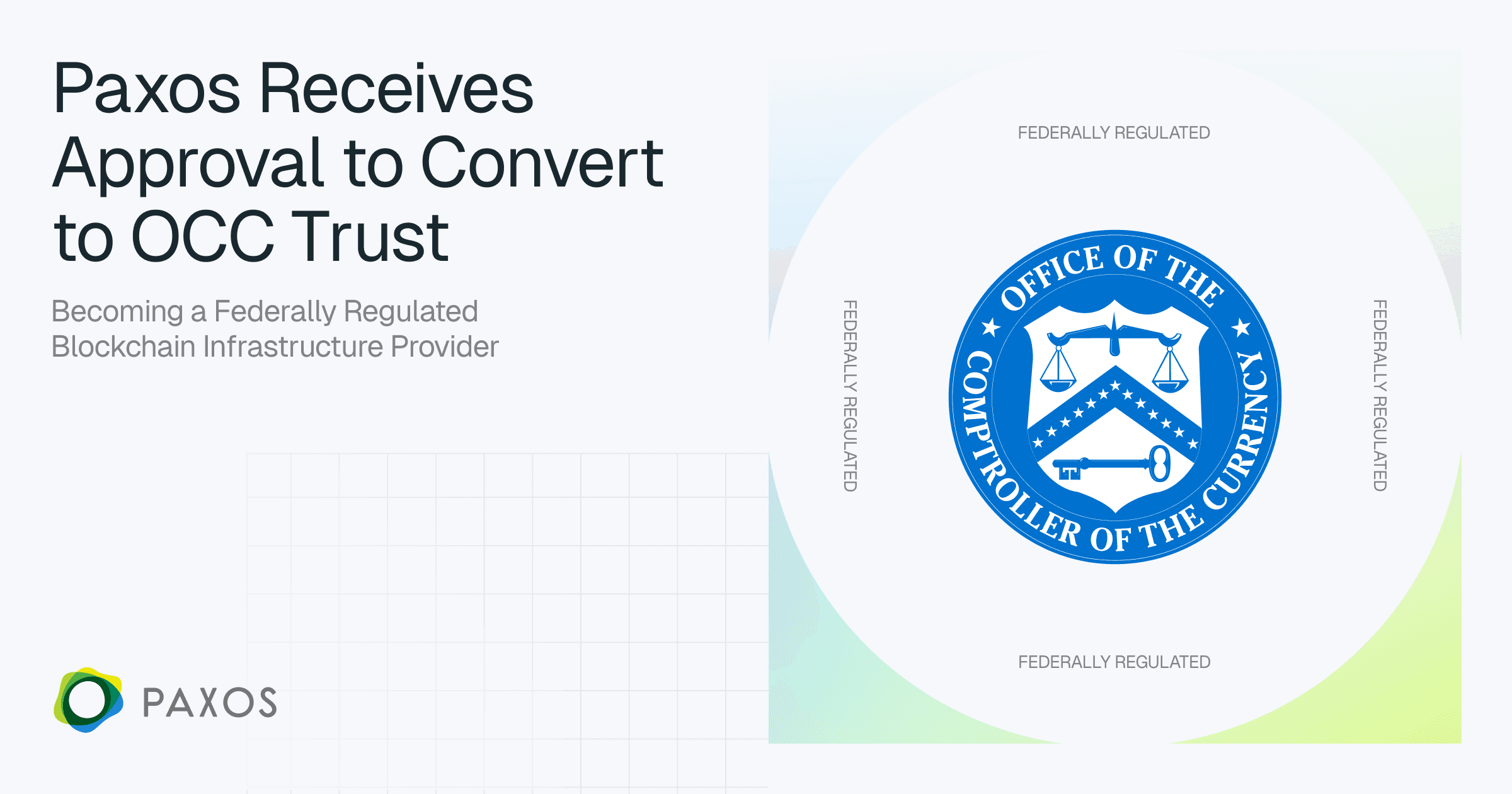
The digital asset ecosystem is experiencing a profound regulatory transformation as the Office of the Comptroller of the Currency (OCC) grants unprecedented national trust bank charters to crypto-native firms. In a landmark decision, five prominent companies—Circle, Ripple, BitGo, Fidelity Digital Assets, and Paxos—have received conditional approval to establish federally regulated trust banks, marking a critical inflection point in mainstream financial technology adoption.
Regulatory innovation is the core narrative here. These specialized charters represent more than bureaucratic paperwork; they're strategic infrastructure for digital financial services. Unlike traditional bank charters, these approvals focus on specialized services like custody, settlement, and asset management—precisely the capabilities needed to mainstream blockchain and stablecoin technologies. The 14 de novo charter applications filed in 2025 underscore a broader industry trend of seeking regulatory legitimacy and institutional credibility.
The competitive dynamics are particularly fascinating. Traditional banking groups have long resisted crypto firms' regulatory integration, arguing these charters provide a "backdoor" into the financial system. However, OCC Comptroller Jonathan Gould's perspective signals a transformative approach: new entrants aren't threats, but opportunities to enhance consumer access to innovative financial products. Circle's proactive regulatory compliance—being the first to receive a BitLicense and comply with global frameworks like MiCA—exemplifies the strategic playbook for crypto firms seeking mainstream acceptance.
For financial technology professionals, this represents a strategic inflection point. These charters aren't just regulatory permissions; they're infrastructure licenses that could dramatically reduce friction in cross-border digital financial services. Institutional investors and fintech innovators should closely monitor how these newly chartered firms leverage their enhanced regulatory standing to develop more sophisticated digital asset products and services.
Critically, these firms must still meet stringent OCC requirements around capital, governance, and risk management. This isn't a regulatory free pass, but a carefully managed integration of innovative financial technologies into the established banking ecosystem.
Questions 3
How significant is the OCC's decision for the crypto industry?
The OCC's decision is extremely significant, with 14 de novo charter applications filed in 2025—nearly matching the previous four years combined. This signals a major shift towards regulatory legitimacy and institutional acceptance of digital asset firms in the mainstream financial ecosystem.
What makes these national trust bank charters different from traditional bank charters?
Unlike traditional bank charters, these specialized approvals focus on digital asset services like custody, settlement, and asset management. They do not permit traditional banking activities like deposit-taking or offering checking accounts, representing a targeted regulatory approach for crypto-native financial infrastructure.