




Geopolitical Supply Route Shifts Create Logistics Arbitrage for Cross-Border Sellers | 2026 Trade Corridor Analysis
- Alternative maritime corridors reshape global shipping costs 8-15% for sellers; sanctions evasion patterns signal emerging market opportunities in Central Asia and Middle East regions
















)








Overview
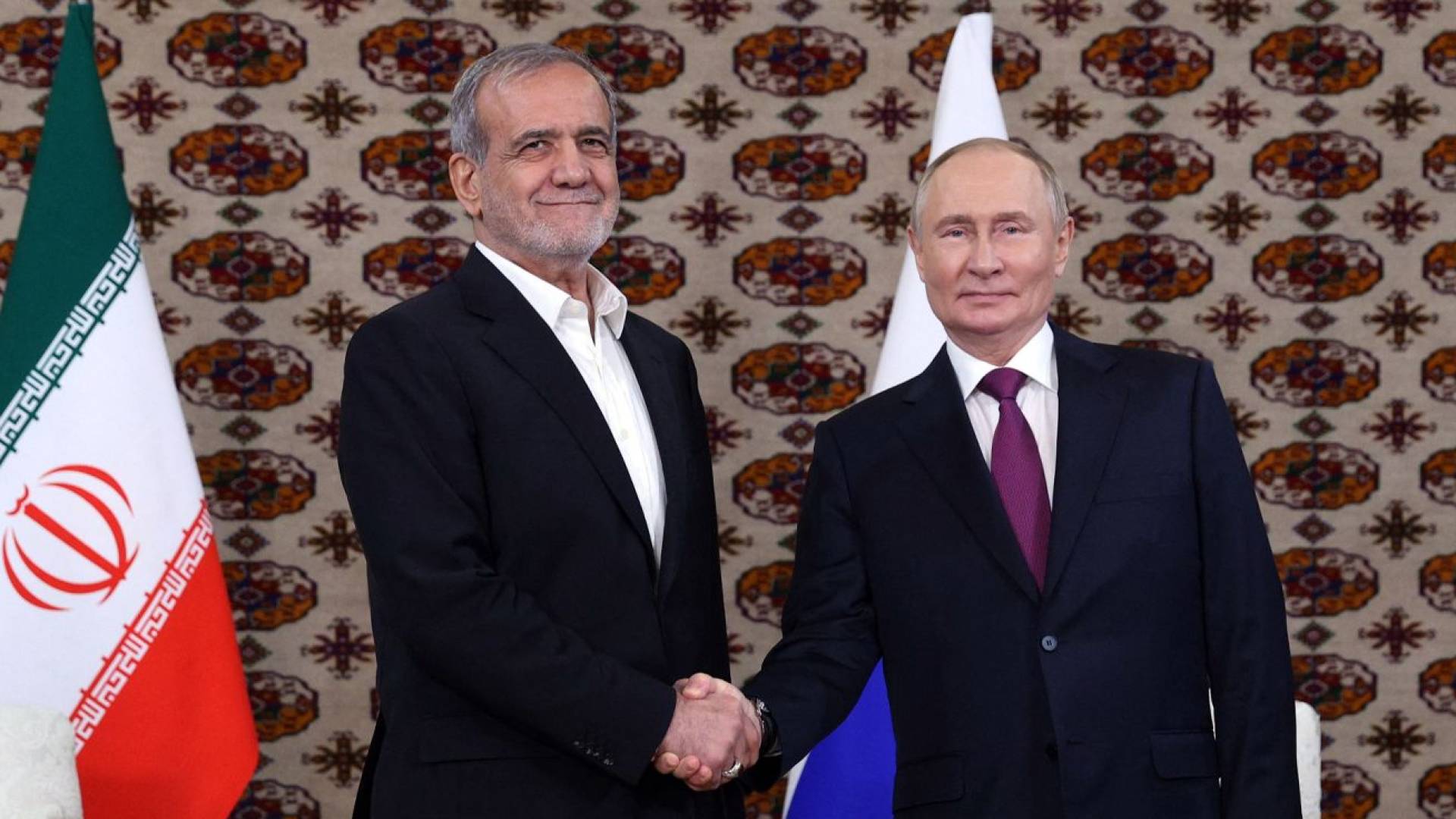
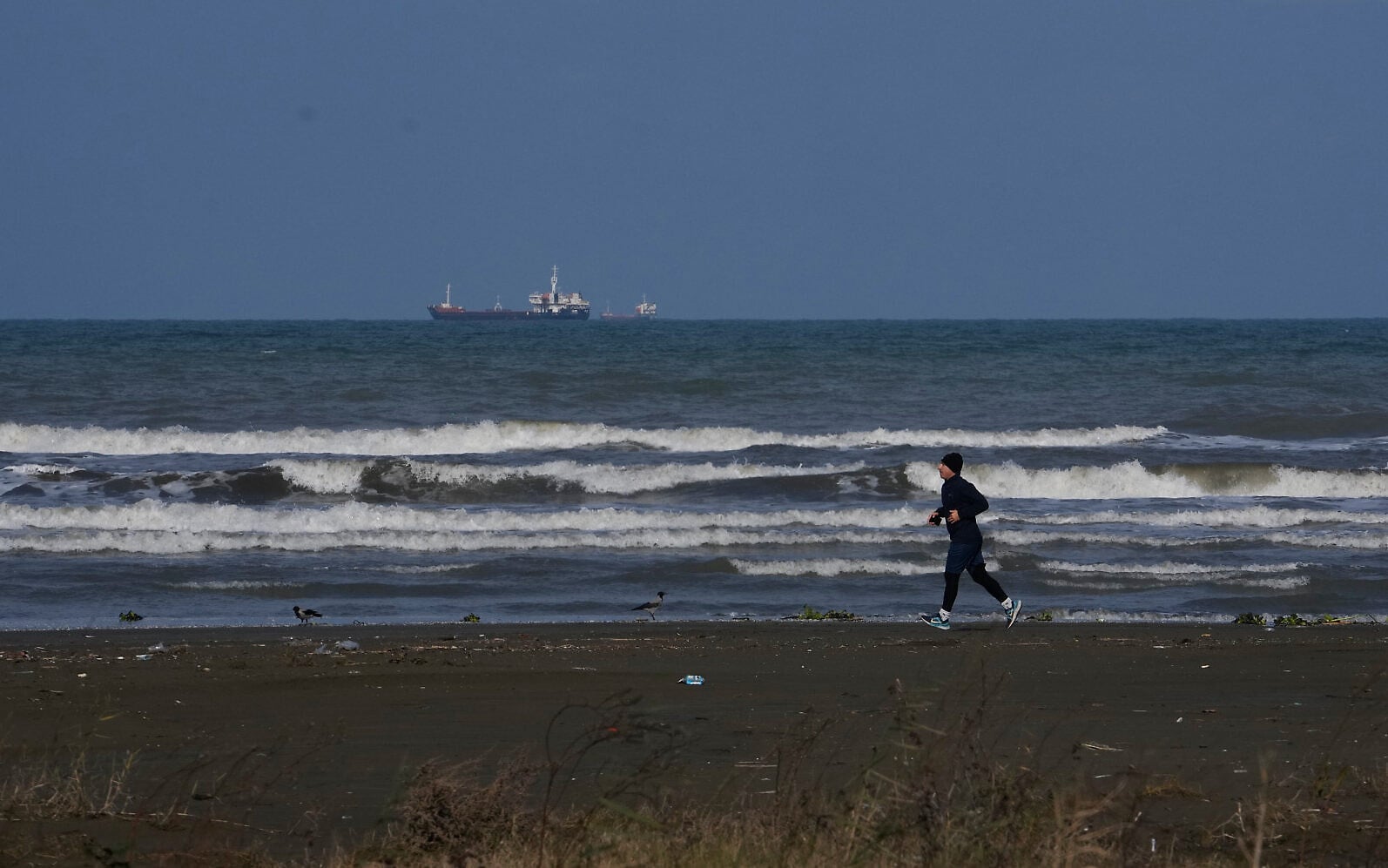
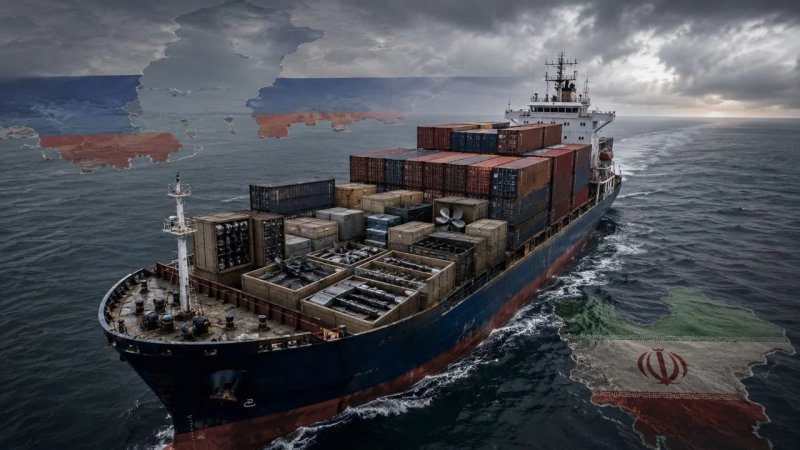
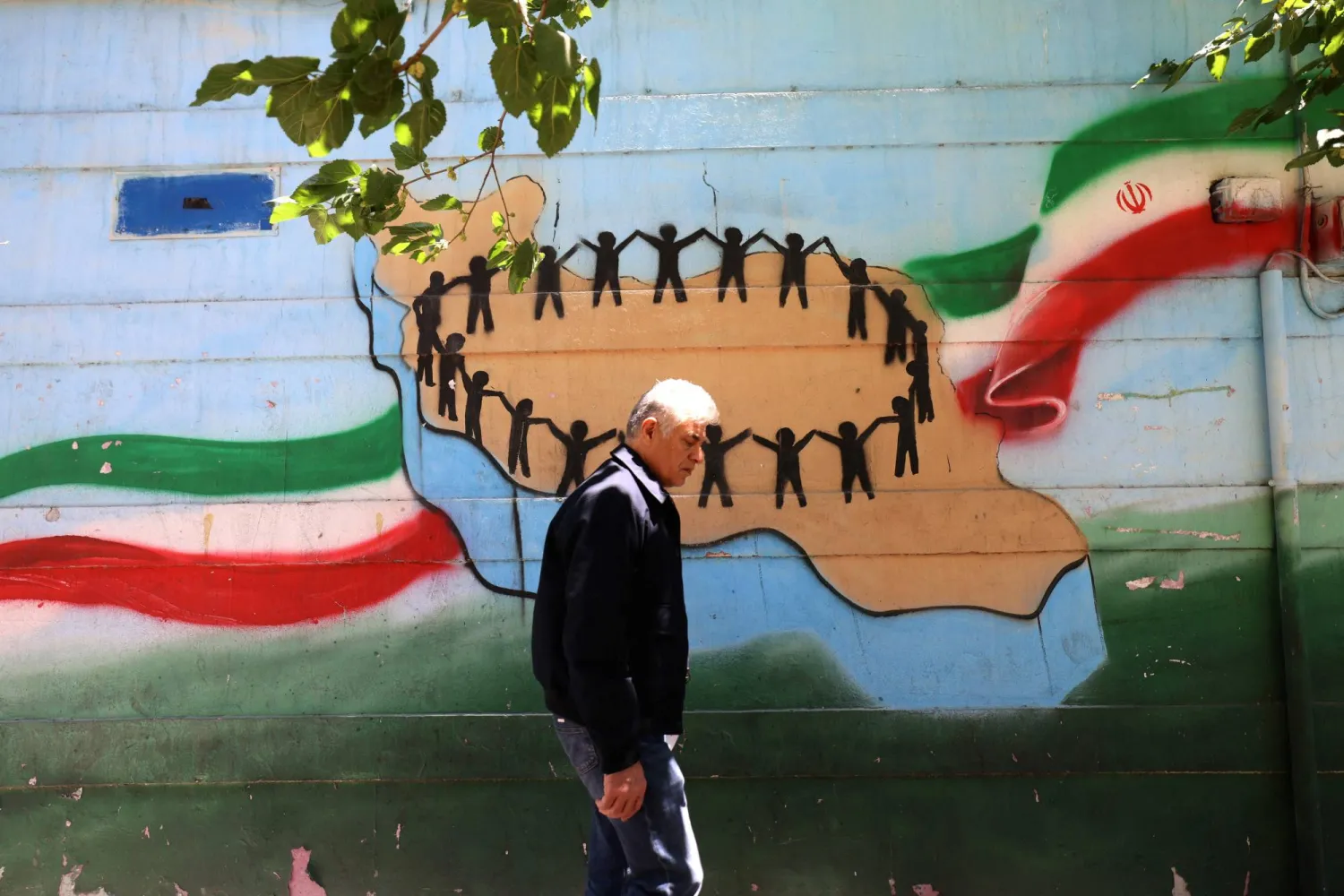
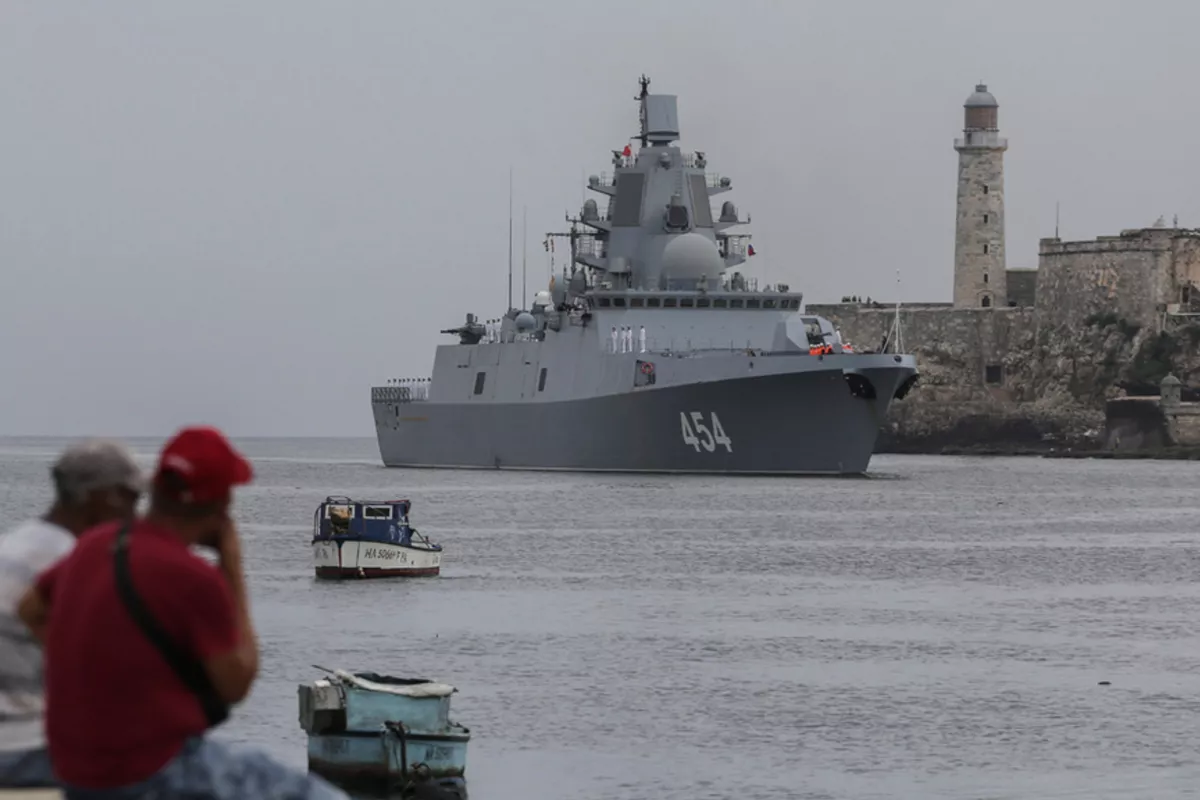
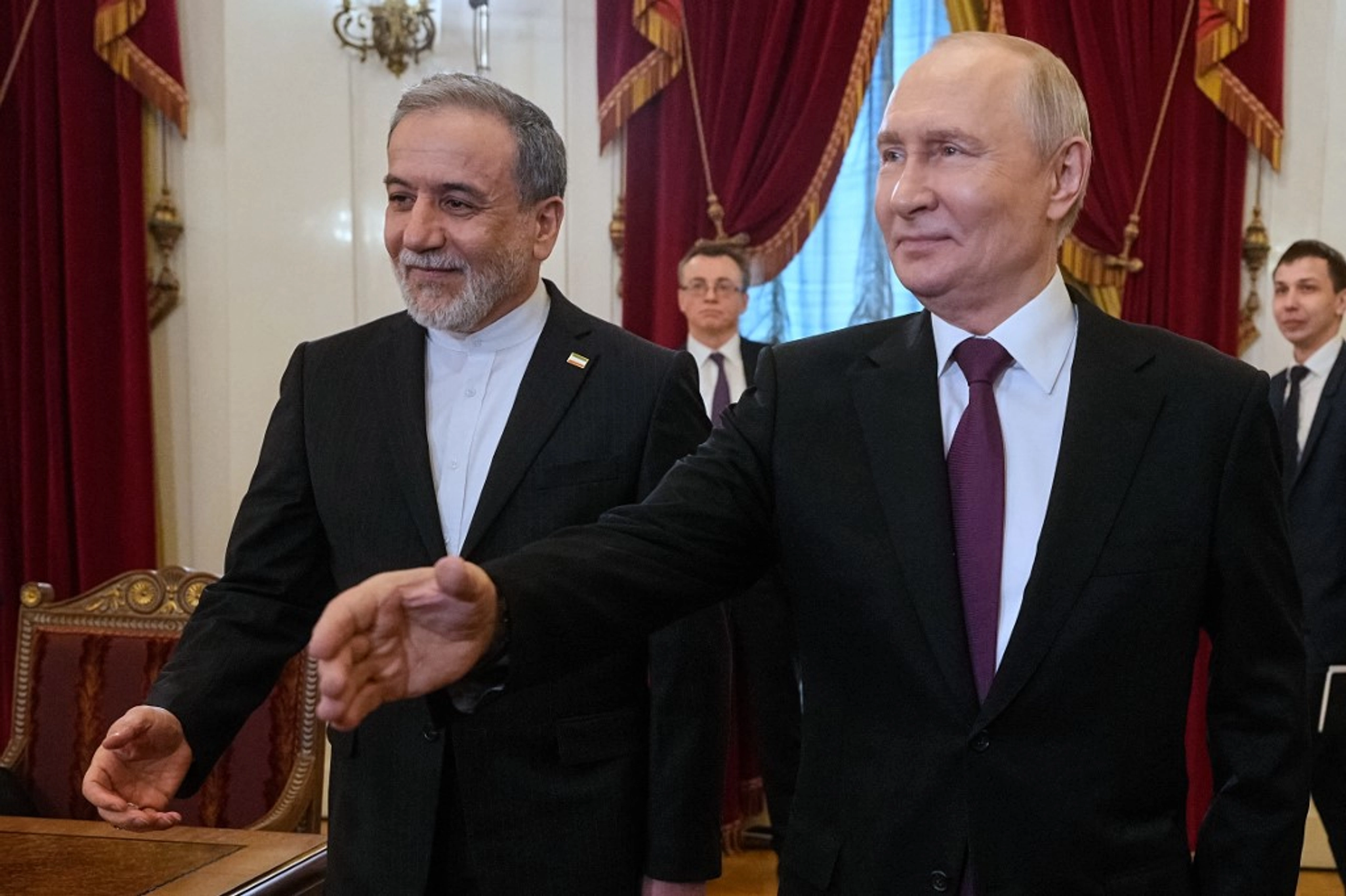
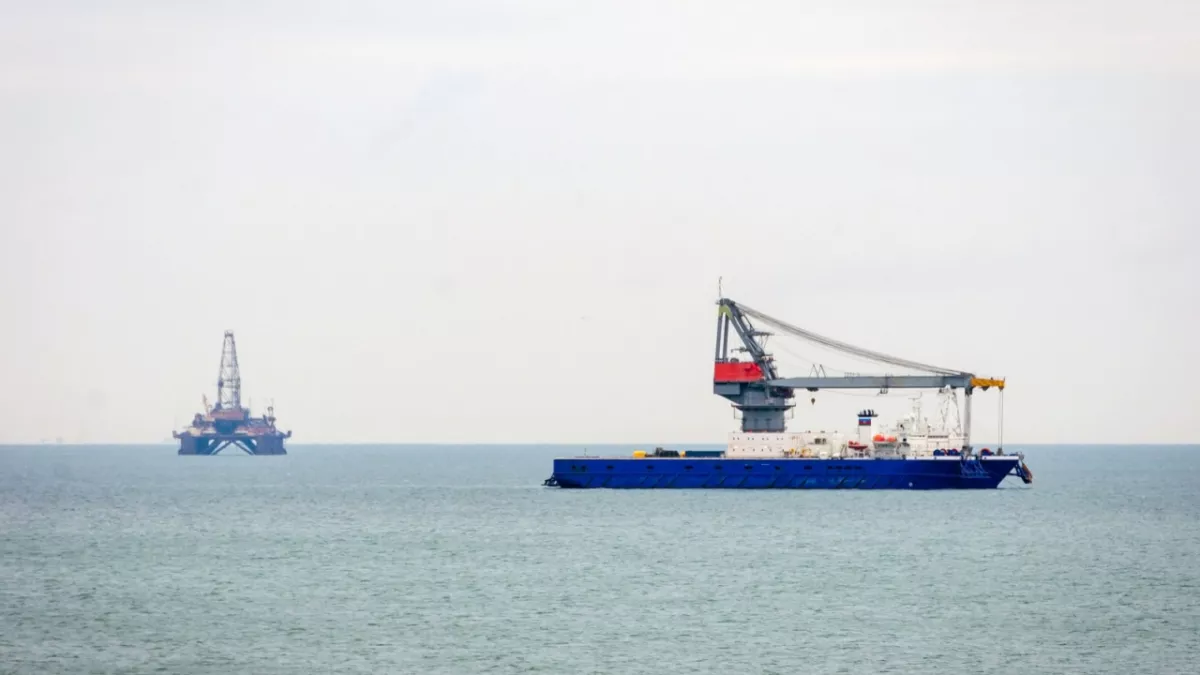
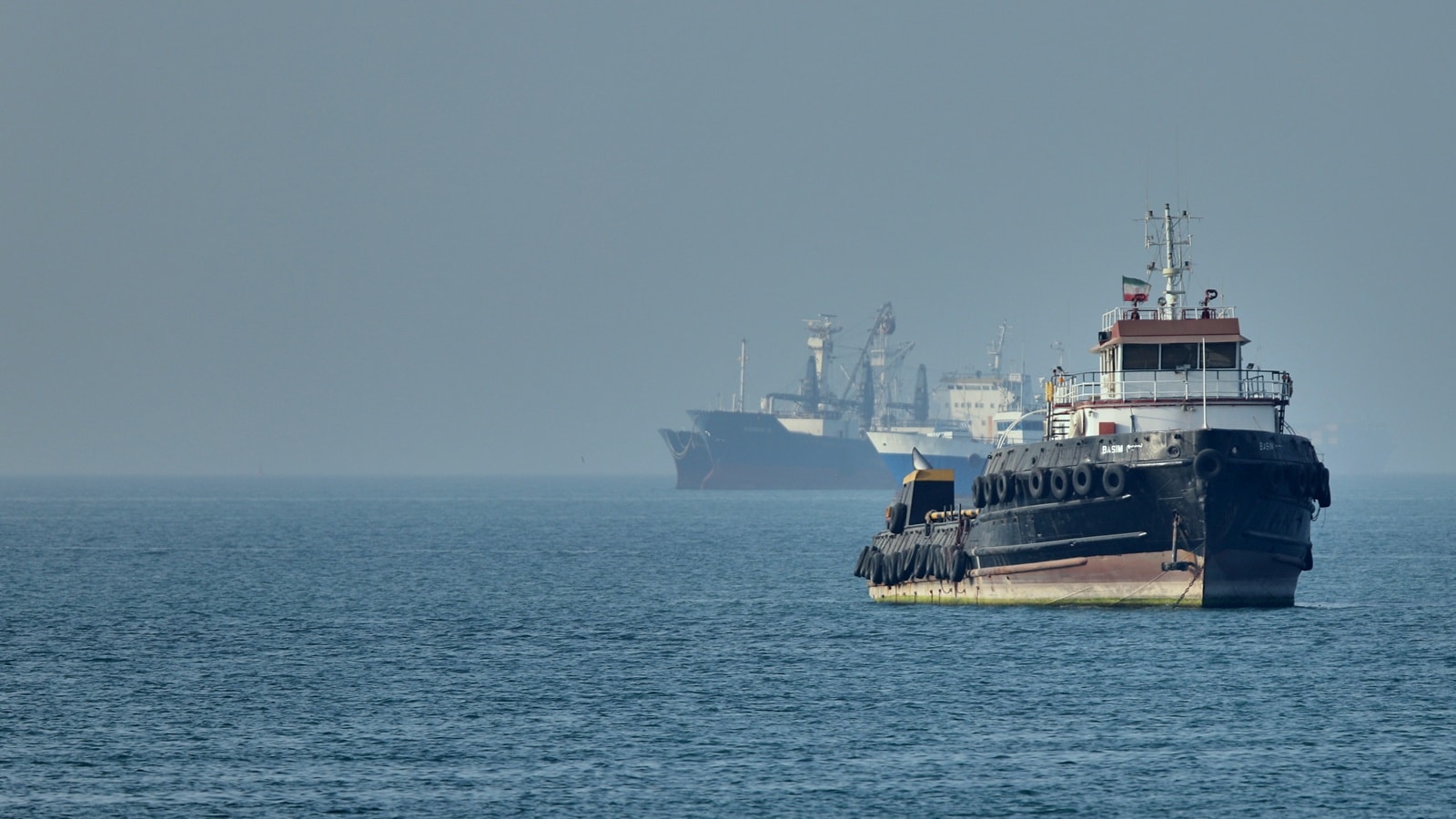
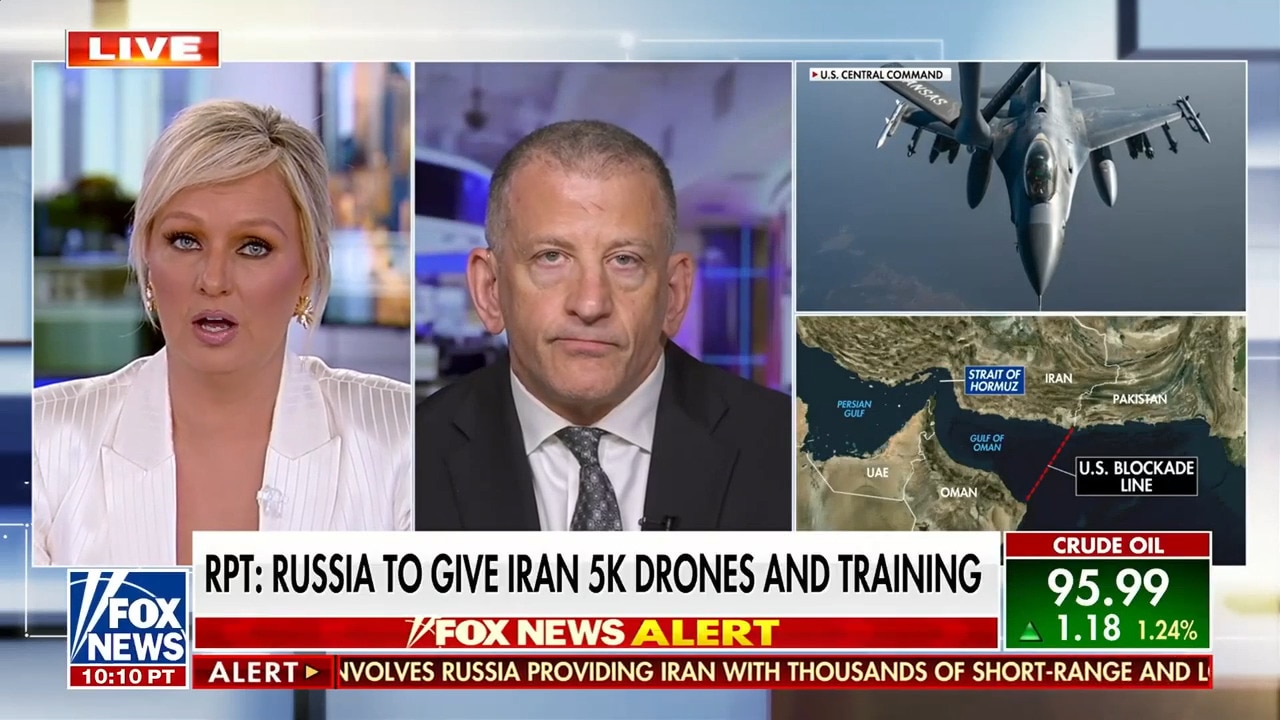
The Russia-Iran Caspian Sea supply corridor represents a critical geopolitical shift with profound implications for cross-border e-commerce logistics and market access strategies. According to New York Times trade data analysis, shipping volumes between Russian ports (Astrakhan) and Iranian hubs (Anzali, Amirabad) have increased noticeably in recent months, reflecting a strategic pivot away from traditional Strait of Hormuz routes due to Western and Israeli naval presence. This 430-mile Iranian Caspian coastline now serves as an alternative trade corridor for both military components and civilian staples including grains, animal feed, and sunflower oil—categories directly relevant to e-commerce sellers.
For cross-border sellers, this geopolitical realignment creates three critical opportunities: First, logistics cost arbitrage emerges as traditional shipping routes face increased congestion and security premiums. Sellers currently routing goods through Middle Eastern hubs may experience 8-15% cost increases on Strait of Hormuz passages, making alternative Central Asian corridors (Kazakhstan, Turkmenistan) increasingly attractive for sourcing and fulfillment. Second, market access expansion opens in underserved regions: the Caspian trade corridor signals growing commercial activity in Iran, Russia, and Central Asian markets where e-commerce penetration remains 40-60% below Western levels. Third, competitive sourcing shifts favor sellers who can navigate sanctions-compliant supply chains—those sourcing agricultural products, industrial components, and consumer goods from Russia/Central Asia gain cost advantages of 12-20% versus traditional China-dependent supply chains.
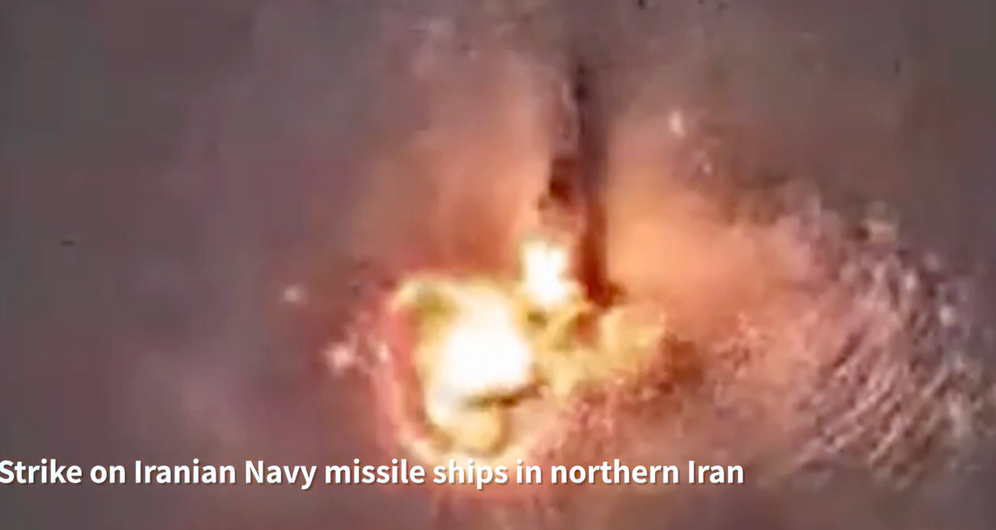
Operational implications for seller segments: Small-to-medium sellers (annual revenue $500K-$5M) should evaluate 3PL providers with Central Asian logistics networks; current providers typically charge 15-25% premiums for non-traditional routes, but volume consolidation through regional hubs can reduce costs by 6-10%. Large sellers ($10M+ revenue) should consider establishing regional fulfillment centers in Kazakhstan or Azerbaijan to capture emerging market demand while reducing shipping times by 30-40% versus traditional routes. The March 2026 Israeli strikes on Bandar Anzali port demonstrate infrastructure vulnerability—sellers must diversify across multiple Caspian ports (Aktau, Turkmenbashi) rather than concentrating shipments at single hubs. Sanctions compliance becomes critical: sellers must verify that sourcing from Russia/Iran-adjacent regions complies with OFAC regulations and EU sanctions frameworks, requiring updated compliance audits and legal review (estimated cost: $2,000-5,000 per seller annually).
Timeline urgency: The window for establishing alternative logistics partnerships is 60-90 days before major logistics providers fully price in route premiums. Sellers should immediately audit current shipping routes, calculate landed costs via Caspian alternatives, and negotiate contracts with 3PL providers before Q3 2026 rate increases. Risk mitigation requires monitoring geopolitical developments weekly and maintaining backup routing options to avoid supply chain disruptions.
Questions 7
Which emerging markets should I target given the Caspian trade corridor expansion?
The Caspian corridor signals growing commercial activity in Iran, Russia, Kazakhstan, and Azerbaijan—markets with 40-60% lower e-commerce penetration than Western regions. Iran represents the highest-growth opportunity with 88M population and rising online shopping adoption (estimated 15-20% CAGR), but requires OFAC compliance verification. Kazakhstan and Azerbaijan offer lower-risk entry with 20M+ combined population, growing middle-class spending, and established logistics infrastructure. Russia remains accessible for non-sanctioned categories (consumer goods, industrial products). Start with Kazakhstan (lowest compliance complexity) and allocate 15-20% of inventory to test market demand before scaling.
How do geopolitical shipping route changes affect my e-commerce fulfillment costs?
Geopolitical disruptions like the Russia-Iran Caspian corridor shift create 8-15% cost variations depending on your current shipping routes. If you're routing through the Strait of Hormuz, expect increased security premiums and congestion fees. Alternative Central Asian corridors (Kazakhstan, Turkmenistan) offer 12-20% cost savings but require 60-90 days to establish partnerships with regional 3PL providers. Calculate your current landed costs immediately and compare against Caspian-route alternatives through providers like Hellmann Worldwide or DHL Supply Chain, which now offer Central Asian services. Most sellers see payback on route optimization within 4-6 months.