



Berkshire Leadership Shift Signals Capital Deployment Changes | Seller Impact on Retail & Logistics
- $380-400B cash position creates uncertainty for retail/logistics investments affecting e-commerce infrastructure; operational focus replaces Buffett's strategic philosophy















Overview
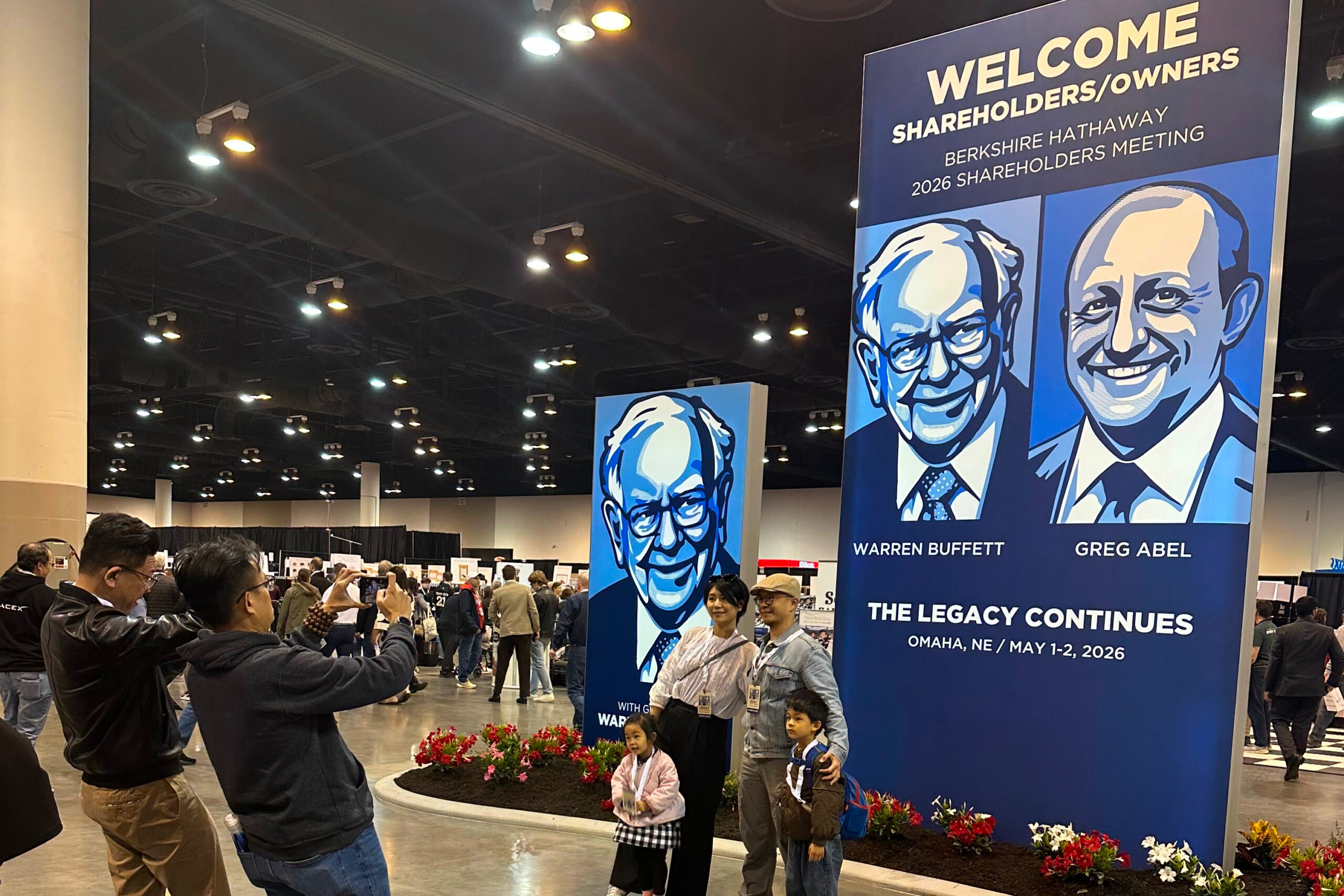
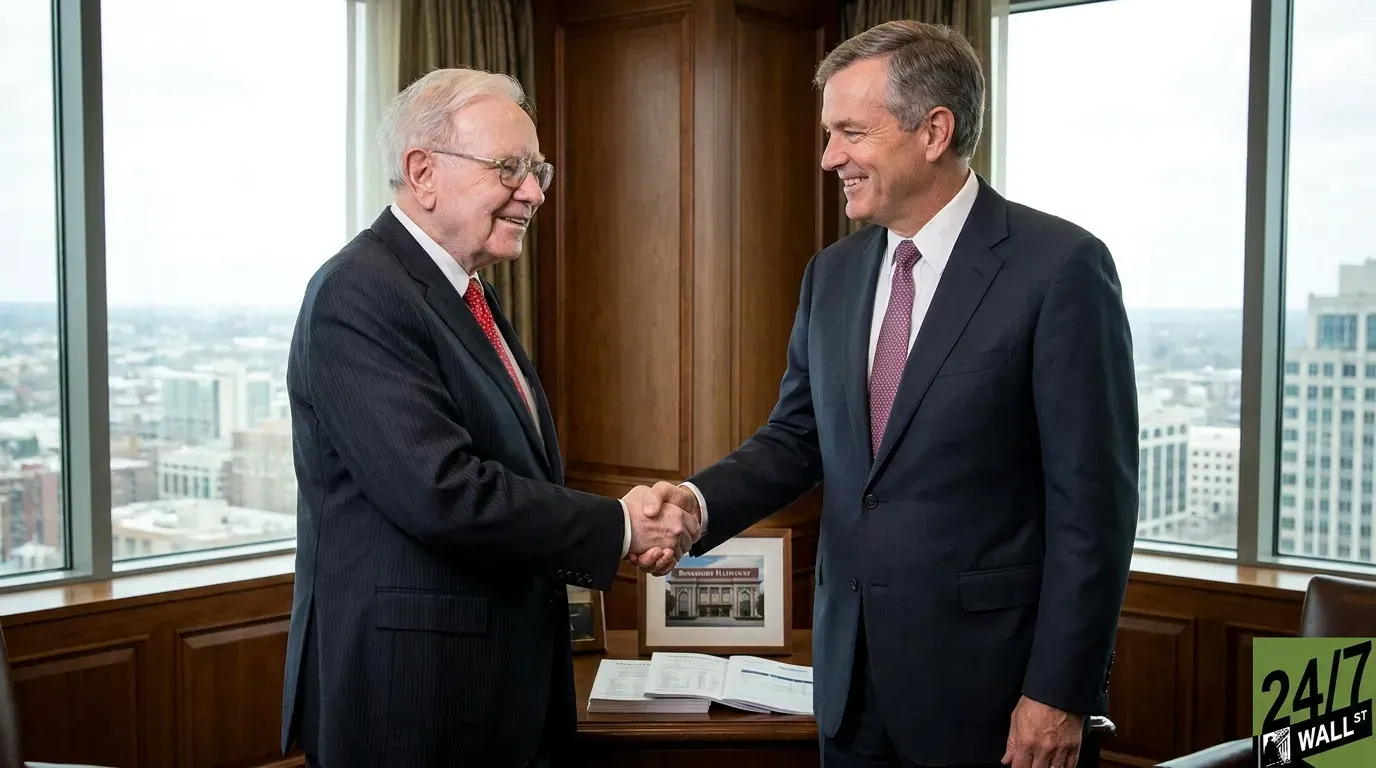
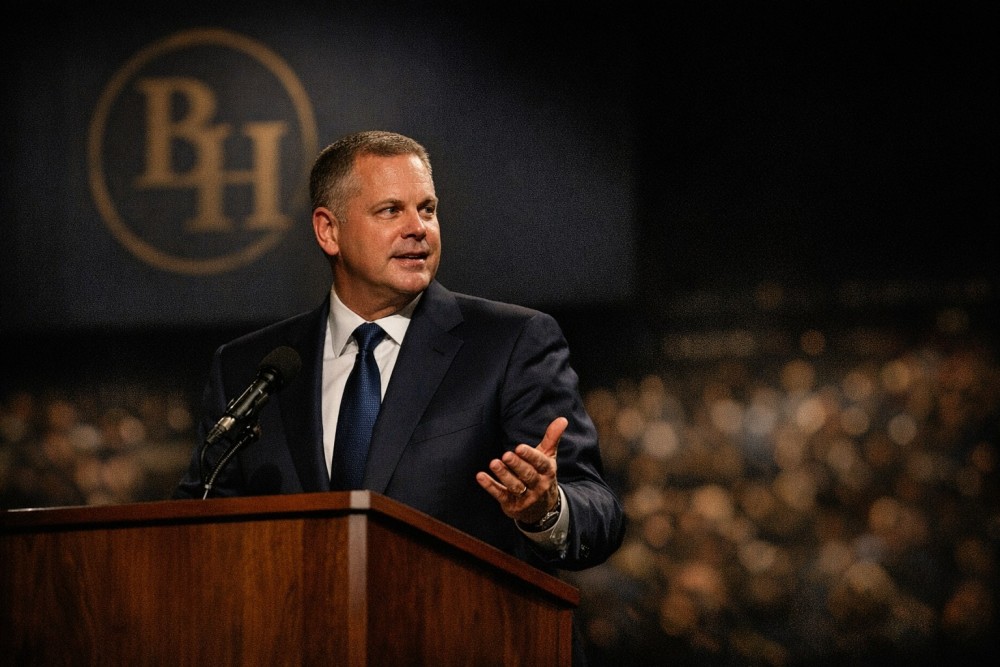
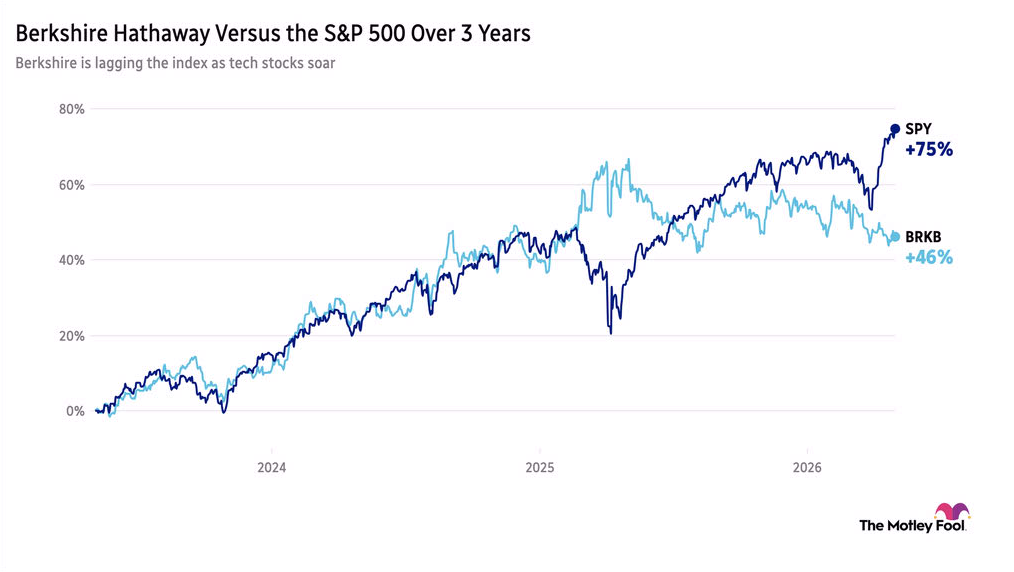
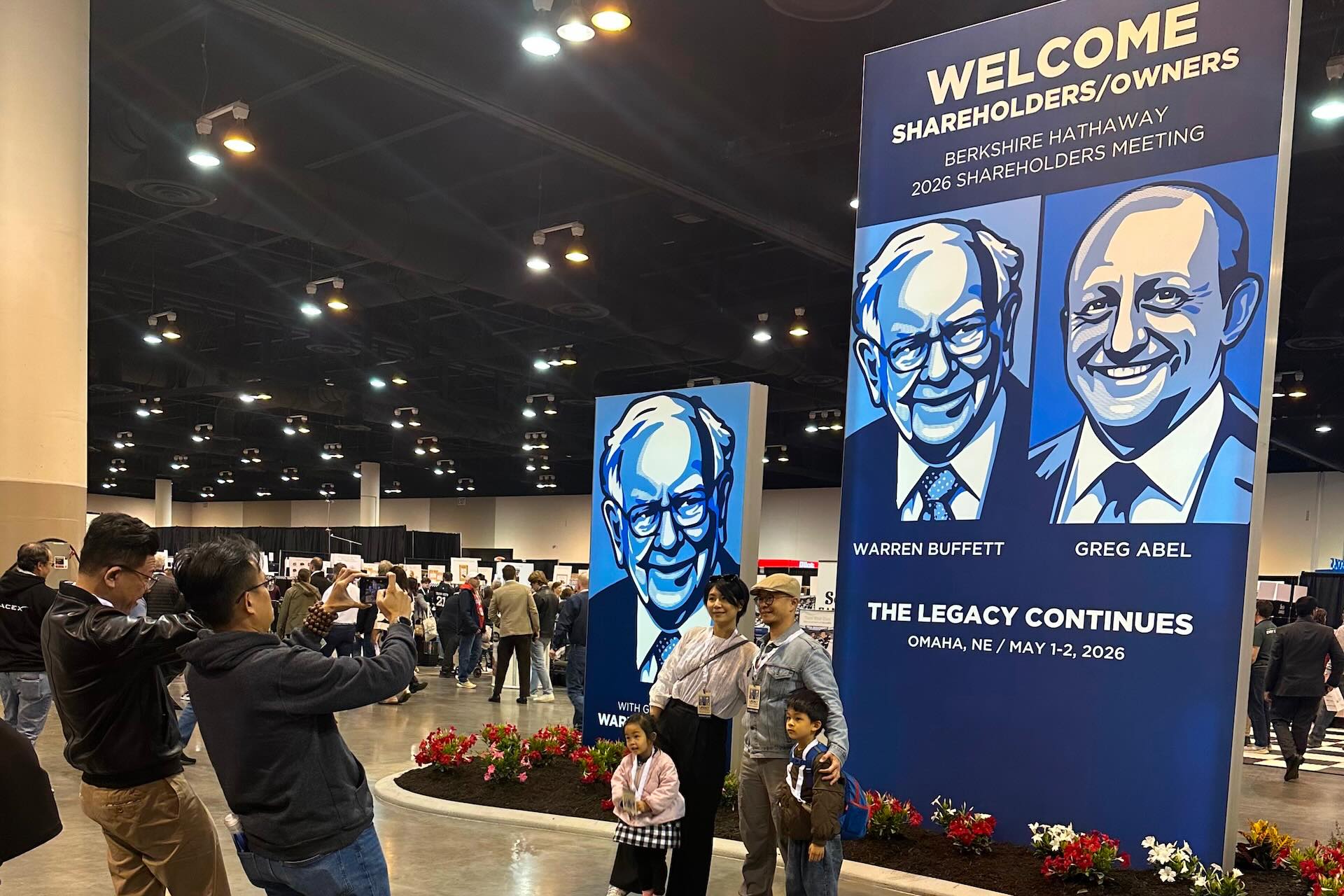
Berkshire Hathaway's leadership transition from Warren Buffett to Greg Abel marks a fundamental shift in capital allocation strategy that carries significant implications for e-commerce sellers dependent on the conglomerate's retail and logistics investments. Abel's inaugural shareholder meeting in May 2026 revealed a critical divergence: despite maintaining a $380-400 billion cash position and announcing resumed buybacks in March, Berkshire repurchased only $234 million in stock during Q1—a 0.06% deployment rate that signals hesitation on equity investments. This conservative capital approach directly impacts e-commerce infrastructure, as Berkshire owns substantial stakes in retailers (BNSF Railway, Berkshire Hathaway Energy, See's Candies, Geico), logistics providers, and financial services companies that underpin cross-border commerce operations.
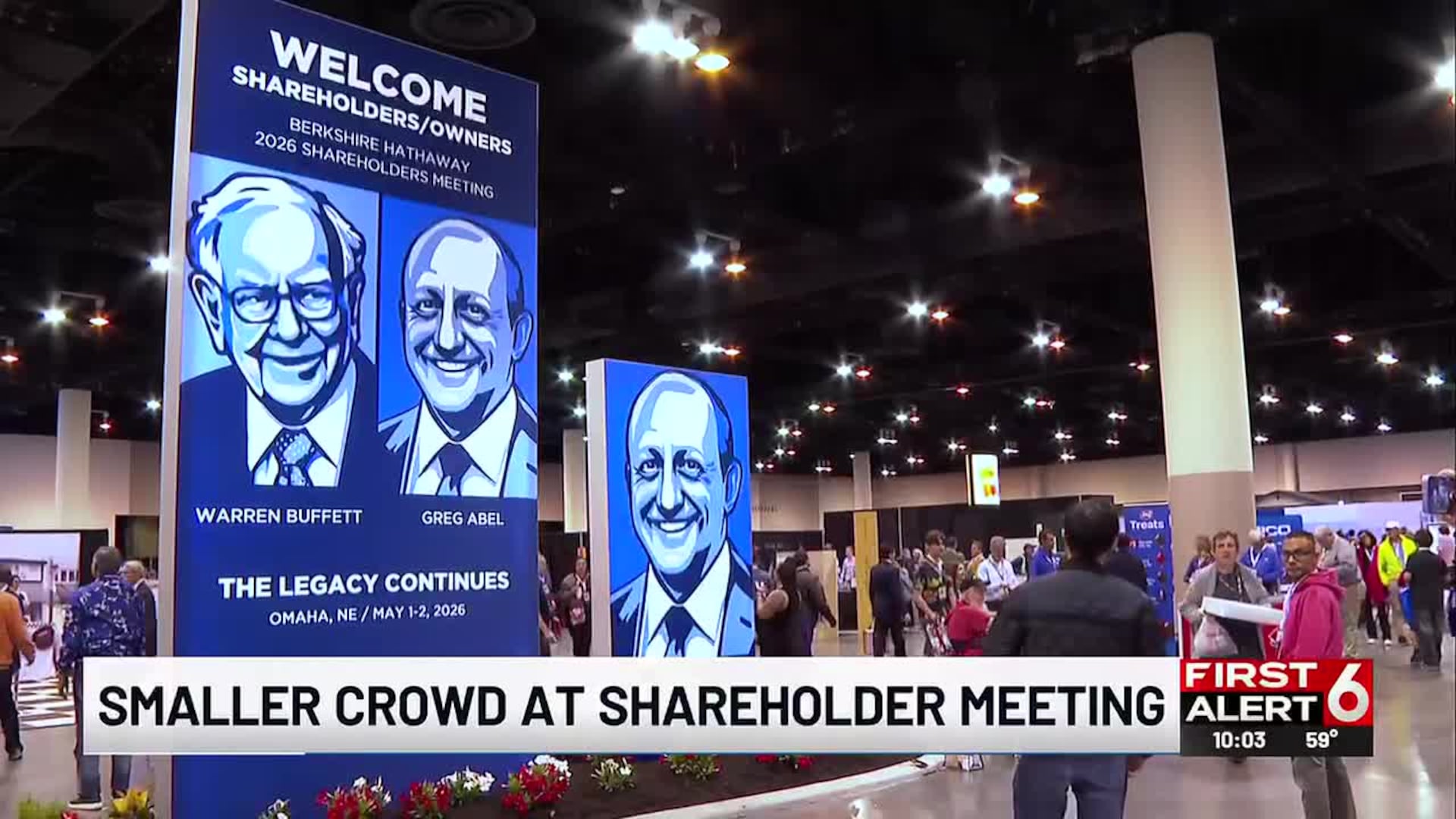
Abel's operational-excellence focus represents a departure from Buffett's strategic philosophy. Analysts including Barron's Andrew Bary (B-plus rating) and CFRA Research's Cathy Seifer flagged unclear messaging on capital deployment and equity portfolio strategy. The shift from Buffett's investment wisdom discussions to operational metrics suggests Abel prioritizes near-term efficiency over long-term strategic positioning. For e-commerce sellers, this translates to potential constraints on Berkshire's expansion into new logistics networks, retail partnerships, or payment infrastructure—areas where Buffett historically deployed capital opportunistically. The 50-60% attendance rate at the Omaha shareholder meeting (down from historical levels) indicates investor uncertainty about the new direction, reflecting broader concerns about capital allocation clarity.
CFO succession signals potential cost-control emphasis. Charles Chang's appointment as CFO at $8 million annually (versus Marc Hamburg's $4.3 million total compensation) represents an 86% salary increase but may indicate Berkshire's shift toward aggressive cost management and operational discipline. This leadership change, combined with Abel's narrative-driven communication style (emphasizing integrity and ownership through storytelling rather than strategic presentations), suggests a more conservative, risk-averse management posture. For sellers relying on Berkshire's retail and logistics subsidiaries, this could mean slower expansion, tighter supplier terms, and reduced investment in e-commerce infrastructure modernization. The company's limited clarity on future equity portfolio strategy creates uncertainty for sellers evaluating partnerships with Berkshire-owned retailers and logistics providers.
Questions 8
How should sellers adjust partnerships with Berkshire-owned retailers?
Given Abel's operational focus and unclear capital deployment strategy, sellers should conduct quarterly reviews of partnerships with Berkshire subsidiaries (See's Candies, Nebraska Furniture Mart, Precision Castparts, BNSF Railway). Request written commitments on logistics capacity, shelf space allocation, and digital investment timelines. Diversify shipping and fulfillment across multiple providers rather than concentrating on Berkshire-affiliated logistics. Monitor competitor activity with Berkshire retailers to identify potential margin compression or reduced growth opportunities. Consider shifting 15-25% of logistics volume to alternative 3PL providers to reduce dependency on Berkshire infrastructure.
What are the implications of Berkshire's reduced shareholder meeting attendance?
The 50-60% capacity attendance at the May 2026 shareholder meeting (down from historical levels) signals investor uncertainty about Abel's leadership direction and capital allocation strategy. This reduced engagement indicates broader market skepticism about Berkshire's future positioning. For e-commerce sellers, declining investor confidence may translate to reduced capital availability for Berkshire subsidiaries' expansion initiatives. Sellers should diversify their logistics and retail partnerships beyond Berkshire-owned companies and monitor investor sentiment through quarterly earnings call transcripts and analyst reports for signals of strategic shifts.