



Wall Street's Great Rotation: How Traditional Sectors Are Reclaiming Market Leadership
- A strategic market shift signals emerging opportunities beyond tech for cross-border investors and sellers


















Overview
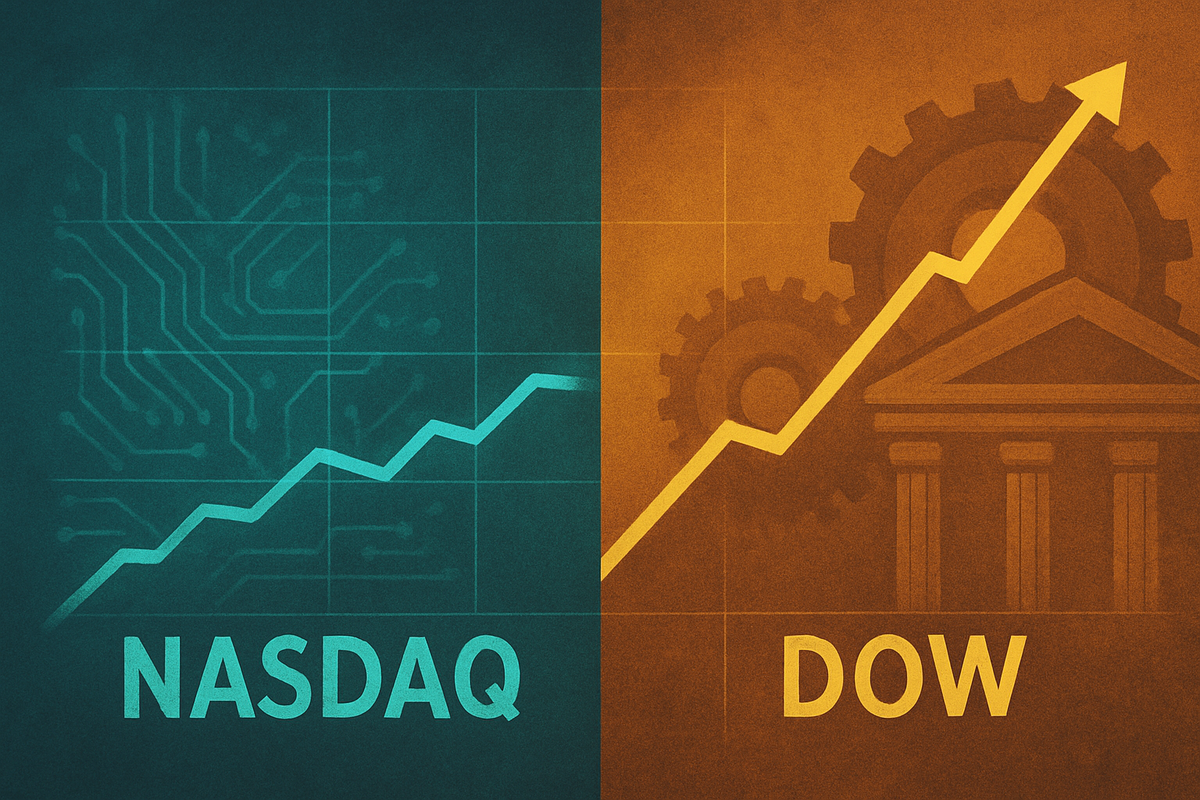
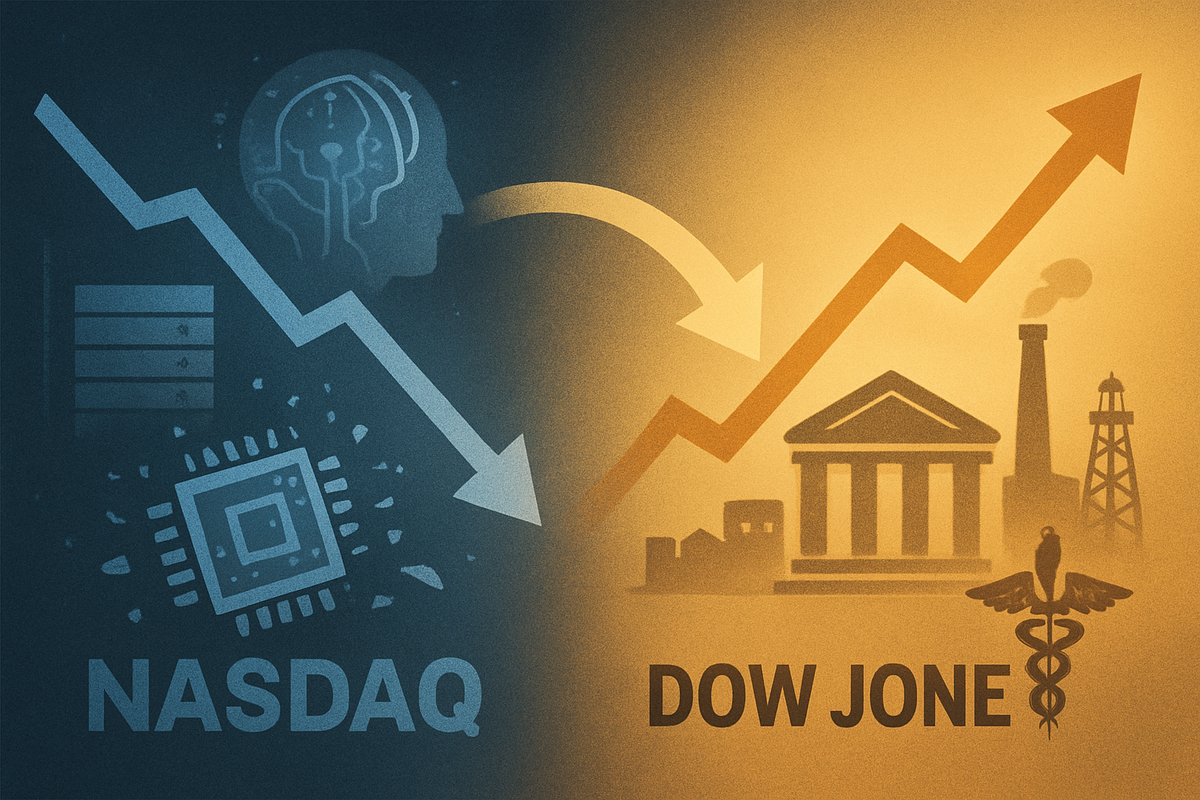
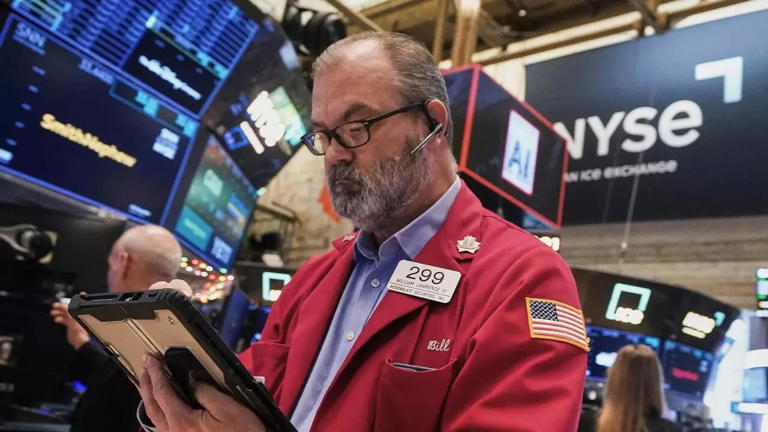
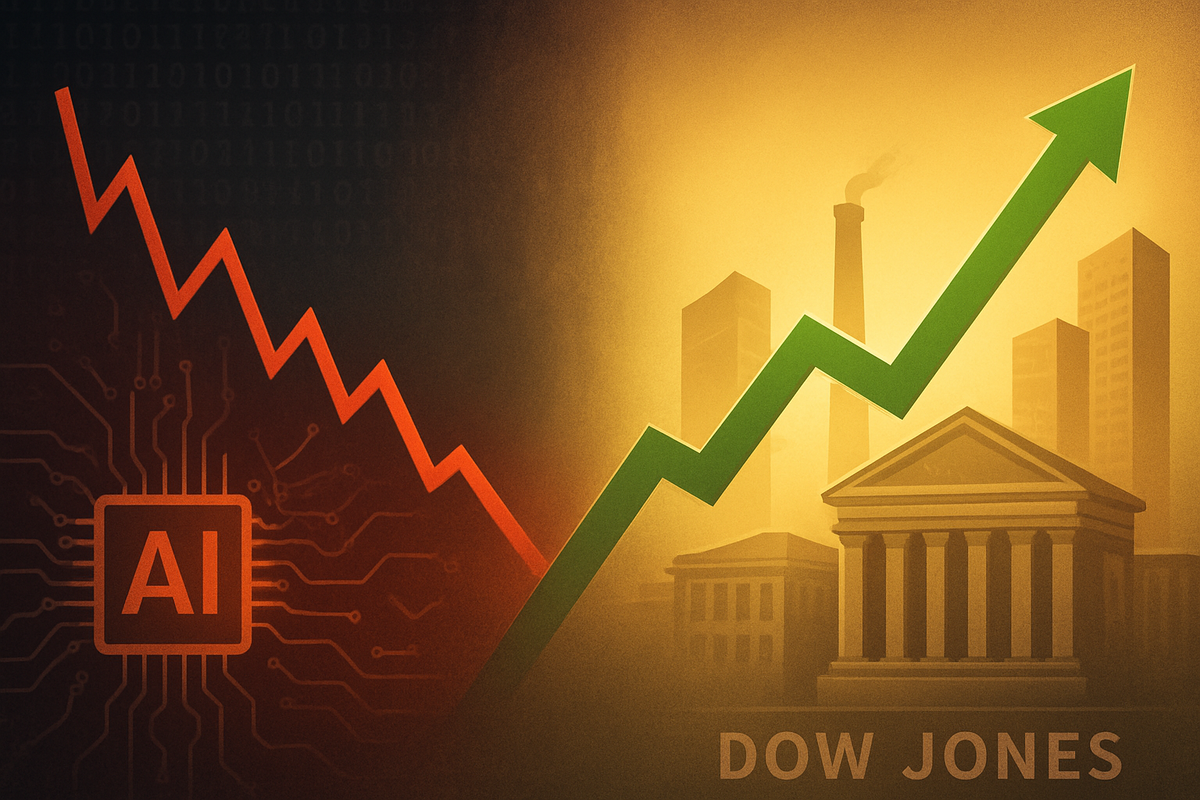
The financial landscape is experiencing a profound market rotation that signals a strategic pivot away from technology's decade-long dominance towards more traditional, value-oriented sectors. Major financial institutions like Bank of America and Morgan Stanley are orchestrating a significant investment strategy shift, recommending clients diversify beyond the 'Magnificent Seven' tech giants and explore opportunities in health care, industrials, and energy.
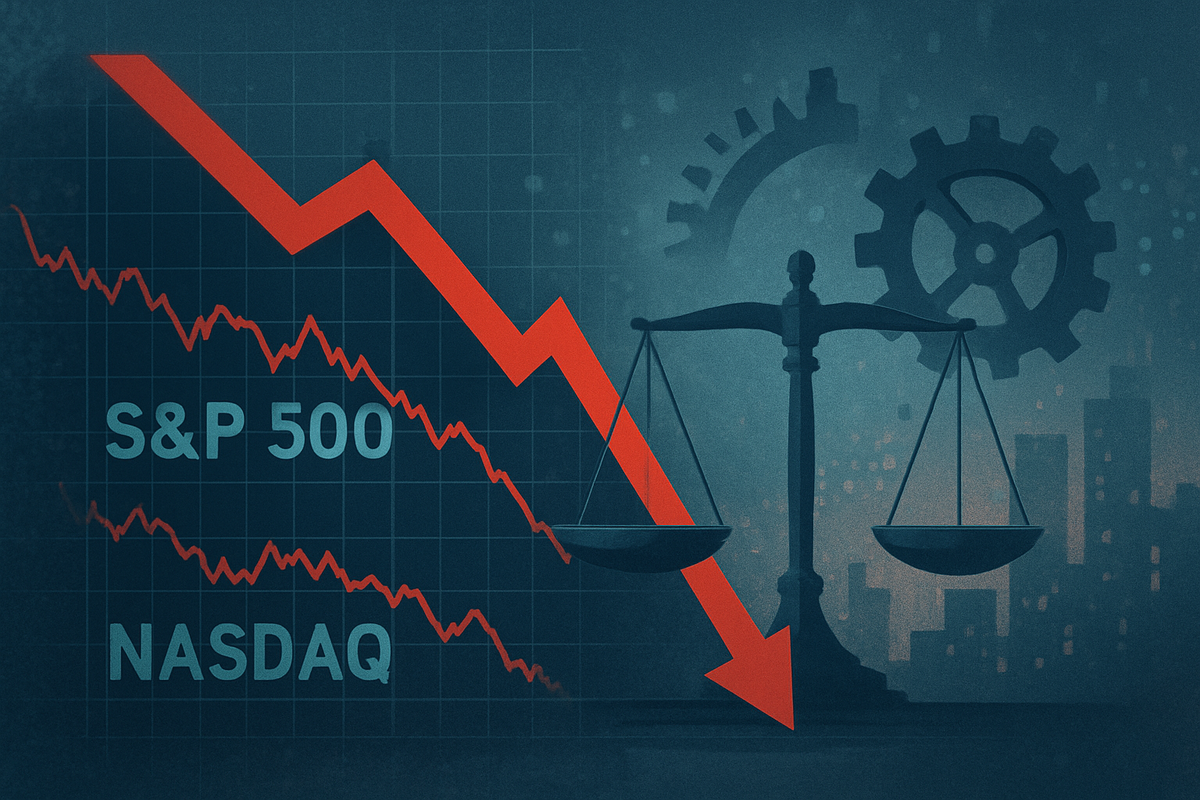
This rotation is not merely a temporary trend but represents a structural market recalibration. The Federal Reserve's recent interest rate cuts have accelerated this movement, with the S&P 500's IT sector experiencing a substantial 2.9% drop—its largest since October. The price ratio between growth and value stocks has hit its lowest point since September, indicating a profound sentiment change among institutional investors.
The driving forces behind this shift are multifaceted. Experts like Josh Schachter and Bob Savage suggest the rotation reflects improving economic expectations, potential ongoing fiscal stimulus, and AI-driven productivity gains. Critically, this movement signals a 'Goldilocks' economic scenario with solid growth and subdued inflation, creating a more favorable environment for cross-border e-commerce sellers and investors.
For cross-border businesses, this market dynamic presents nuanced opportunities. The expected economic stability, combined with potential tax cuts and a more permissive regulatory environment, could unlock new investment and expansion strategies. Cyclical sectors like financials, industrials, and energy are positioned to benefit, offering more predictable growth models compared to the volatile tech landscape.
However, investors and businesses should remain cautious. While this rotation represents a significant market sentiment shift, tech stocks have historically quickly reasserted their leadership. The sustainability of this trend will depend on maintaining economic momentum, managing Treasury yields, and navigating potential defensive sector challenges.
Questions 3
Why are investors moving away from tech stocks?
Investors are rotating out of tech stocks due to potential market saturation, high valuations, and a desire to diversify into more stable, undervalued sectors like healthcare, industrials, and energy. The Federal Reserve's interest rate cuts and expectations of a 'soft landing' in 2026 are further encouraging this strategic shift.
How sustainable is this market rotation trend?
While the current rotation shows significant momentum, experts caution that tech stocks have historically quickly reasserted market leadership. The trend's sustainability depends on maintaining economic momentum, managing Treasury yields, and avoiding defensive sector dominance.