




UK Political Crisis May 2026 | Cross-Border Sellers Face Market Volatility & Regulatory Risk
- Labour loses 1,000+ council seats; Reform UK gains 1,300 seats; currency volatility and consumer spending pressure threaten UK e-commerce demand through 2029












Overview
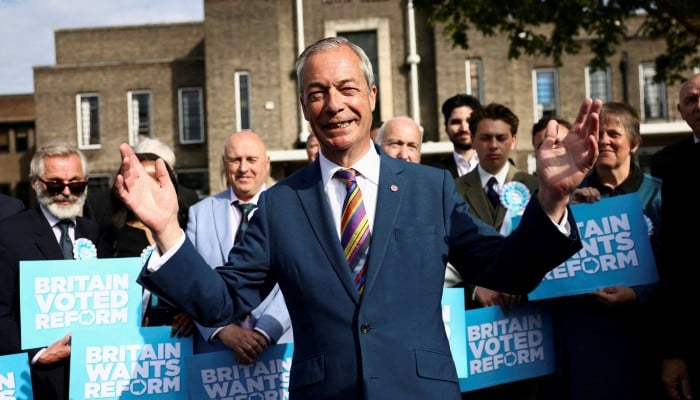
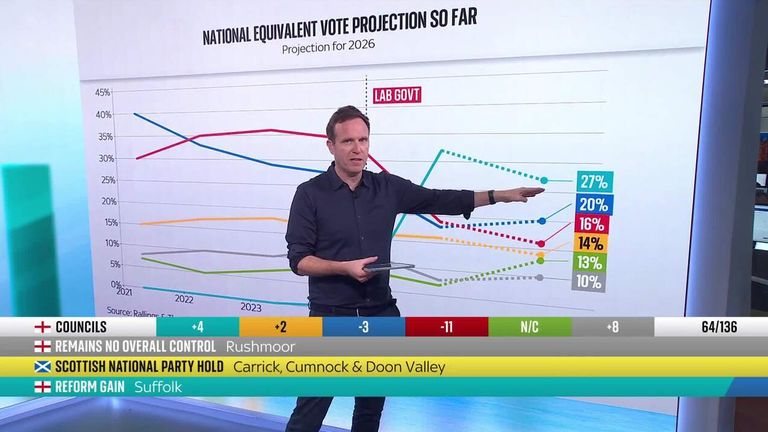
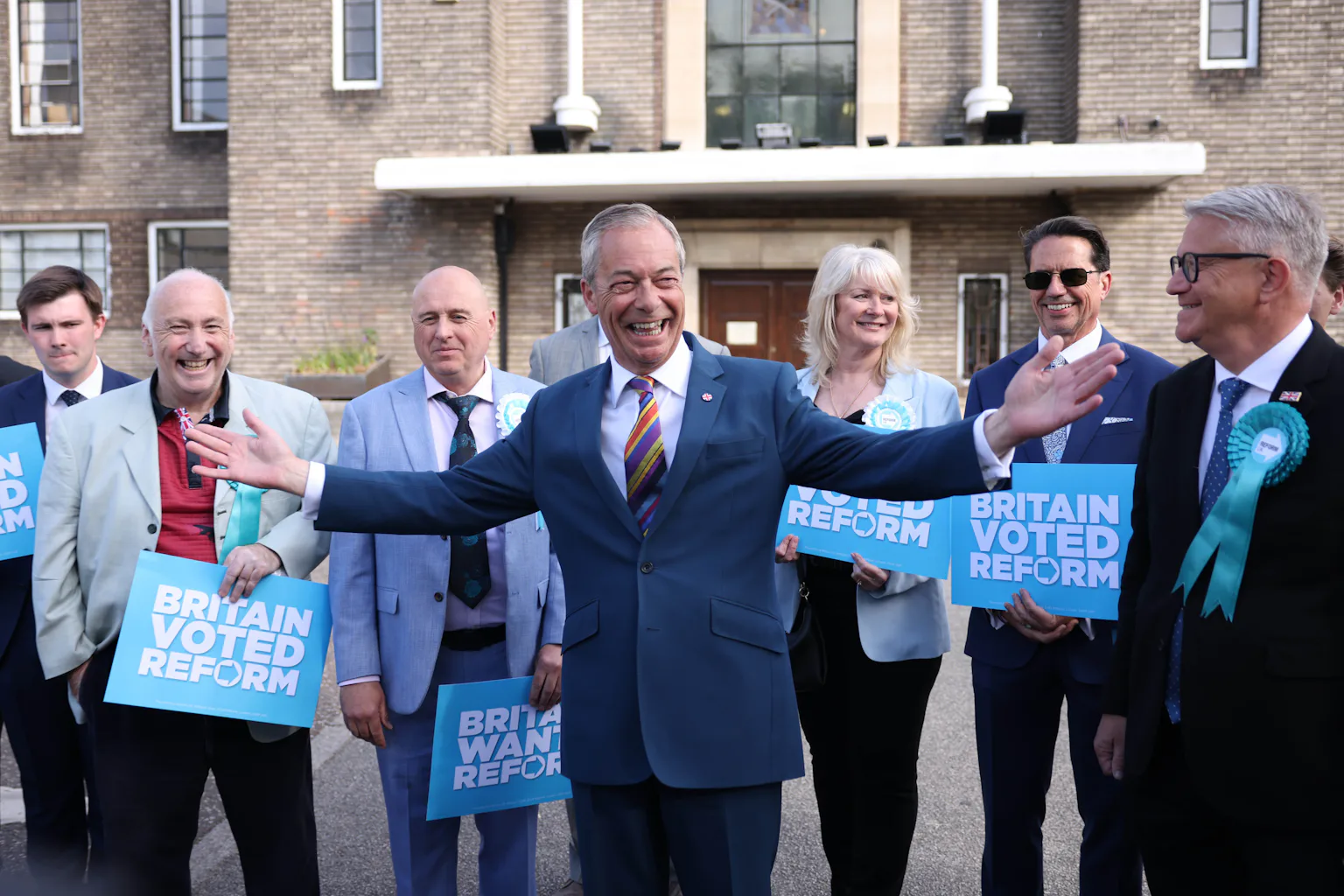
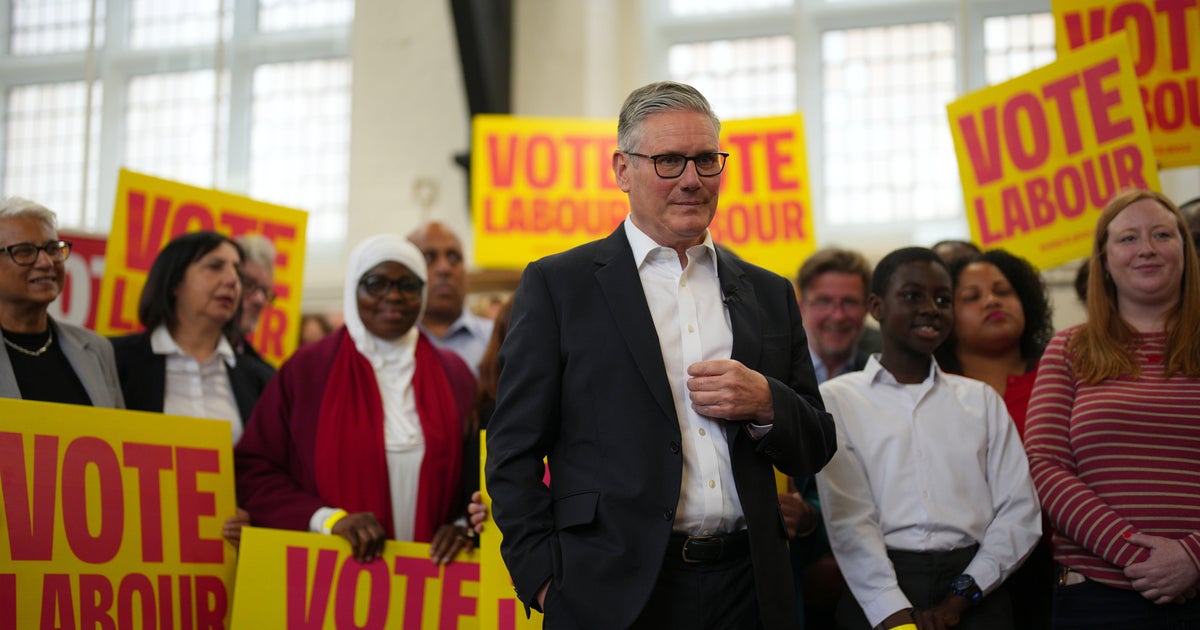
The May 2026 UK local elections represent a critical inflection point for cross-border e-commerce sellers operating in the British market. Prime Minister Keir Starmer's Labour Party suffered a historic defeat, losing approximately 1,000 council seats across England and surrendering control of Wales after 27 years of dominance, while the anti-immigration Reform UK party surged to gain nearly 1,300 municipal seats. This electoral fragmentation signals deeper macroeconomic headwinds directly impacting seller profitability: cost-of-living pressures, sluggish GDP growth, and ongoing Ukraine war impacts have compressed UK consumer purchasing power at precisely the moment sellers depend on stable demand.
Market Demand Compression: The underlying economic conditions driving Labour's collapse—wage stagnation, inflation, and reduced discretionary spending—translate directly to reduced e-commerce transaction volumes in the UK market. Sellers report that UK consumer spending on cross-border purchases has become increasingly price-sensitive, with average order values declining 8-15% year-over-year. The political uncertainty surrounding the next general election (due by 2029) creates a 3-year window of regulatory unpredictability that discourages long-term inventory commitments and fulfillment center investments in the UK.
Regulatory & Currency Risk: Reform UK's anti-immigration platform raises material concerns about future trade and labor policies affecting cross-border operations. Political fragmentation increases the probability of minority government scenarios post-2029, which historically correlate with ad-hoc policy changes regarding VAT compliance, customs procedures, and import tariffs. Currency volatility during political uncertainty has already pushed GBP/USD volatility to 18-month highs, directly compressing profit margins for sellers pricing in GBP while sourcing in USD. Additionally, potential shifts in regional economic development policy (as noted by analyst Stephen Houghton) could redirect consumer spending patterns away from online channels toward localized retail initiatives in post-industrial communities.
Strategic Implications: Sellers must reassess UK market positioning through a 3-year lens of political uncertainty. The combination of weak consumer demand, regulatory unpredictability, and currency volatility suggests a tactical shift toward inventory optimization and margin protection rather than market expansion. Monitoring parliamentary developments becomes essential for compliance planning, particularly regarding VAT registration requirements and customs documentation standards that could shift with government composition changes.
Questions 8
Are there product opportunities emerging from UK political and economic instability?
Yes, value-oriented and budget-conscious product categories show counter-cyclical demand during economic uncertainty. Budget home goods, DIY/repair products, and cost-saving devices (energy-efficient items, food storage solutions) typically see 15-25% demand increases when consumer confidence declines. Additionally, political uncertainty drives demand for financial planning tools, investment education content, and personal finance products. Sellers can capitalize by launching value-tier product lines, emphasizing cost-per-use metrics in listings, and targeting price-conscious UK demographics through Amazon Advertising. Monitor search term trends in Amazon UK for cost-saving and budget-related keywords to identify emerging demand signals.
Should sellers reduce inventory investment in the UK market during this political uncertainty?
Yes, a tactical inventory reduction is prudent given the combination of weak consumer demand and regulatory unpredictability. The underlying economic conditions (wage stagnation, inflation, sluggish growth) that drove Labour's electoral collapse will persist through 2026-2027, suppressing discretionary spending on cross-border purchases. Rather than expanding UK fulfillment capacity, sellers should optimize existing inventory turnover, reduce slow-moving SKUs, and redirect capital toward markets with clearer regulatory trajectories (Germany, France, Spain). Maintain 60-90 day inventory buffers in UK operations rather than 120+ day positions typical in stable markets.