


Air Cargo Crisis: Spirit Airlines Collapse Threatens E-Commerce Logistics | Seller Impact
- Spirit's May 2026 bankruptcy removes 17,000 jobs and 56% fuel cost surge impacts cross-border sellers; $337M crowdfunding campaign signals consumer demand for affordable shipping alternatives












Overview
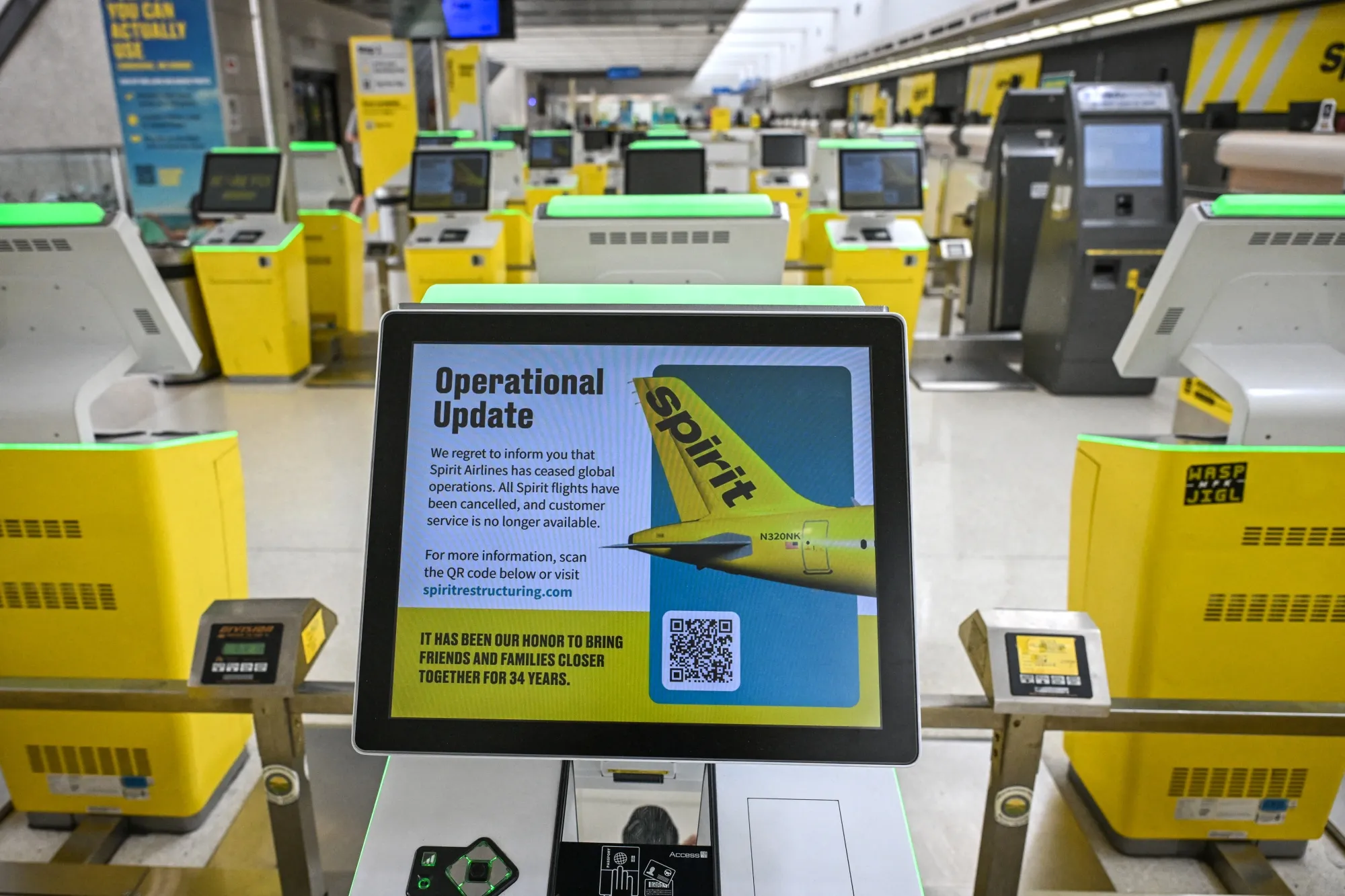
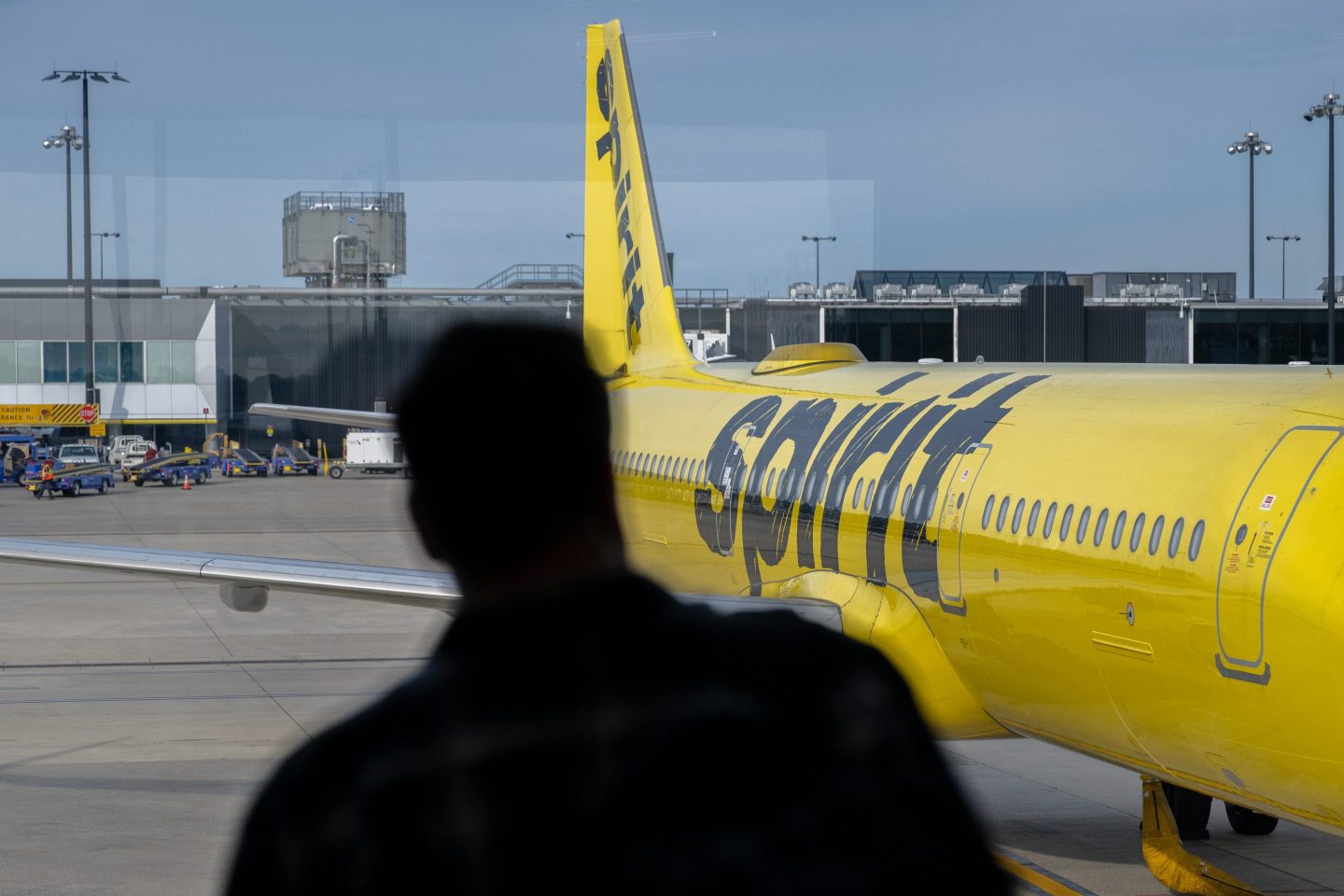
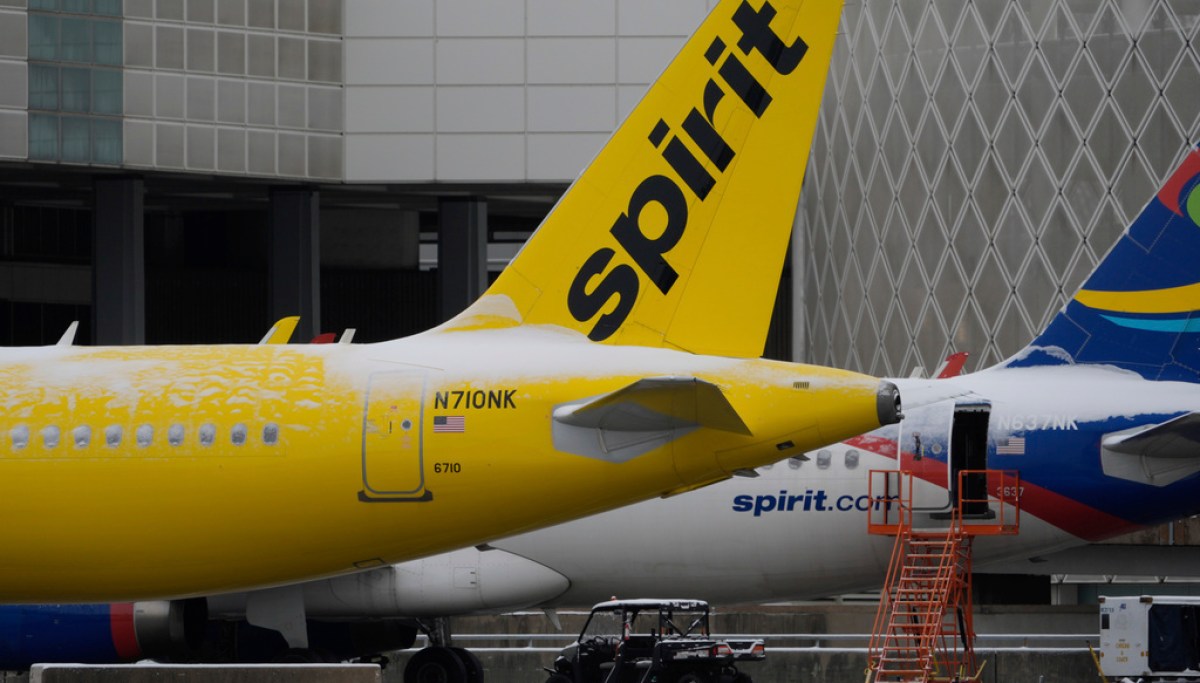
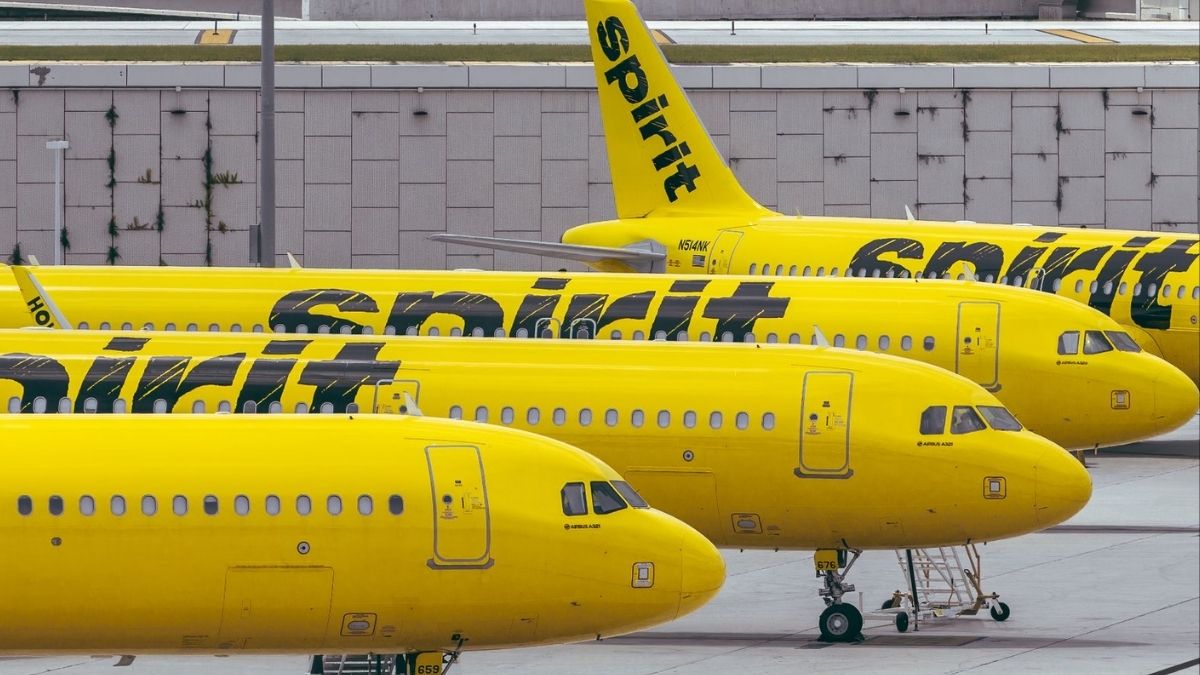
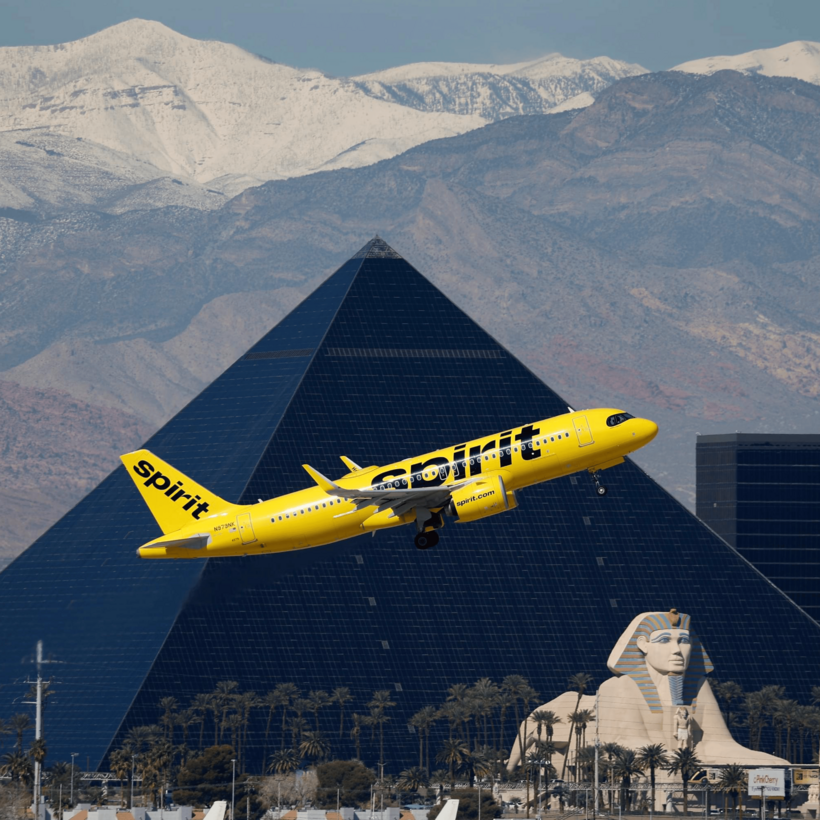
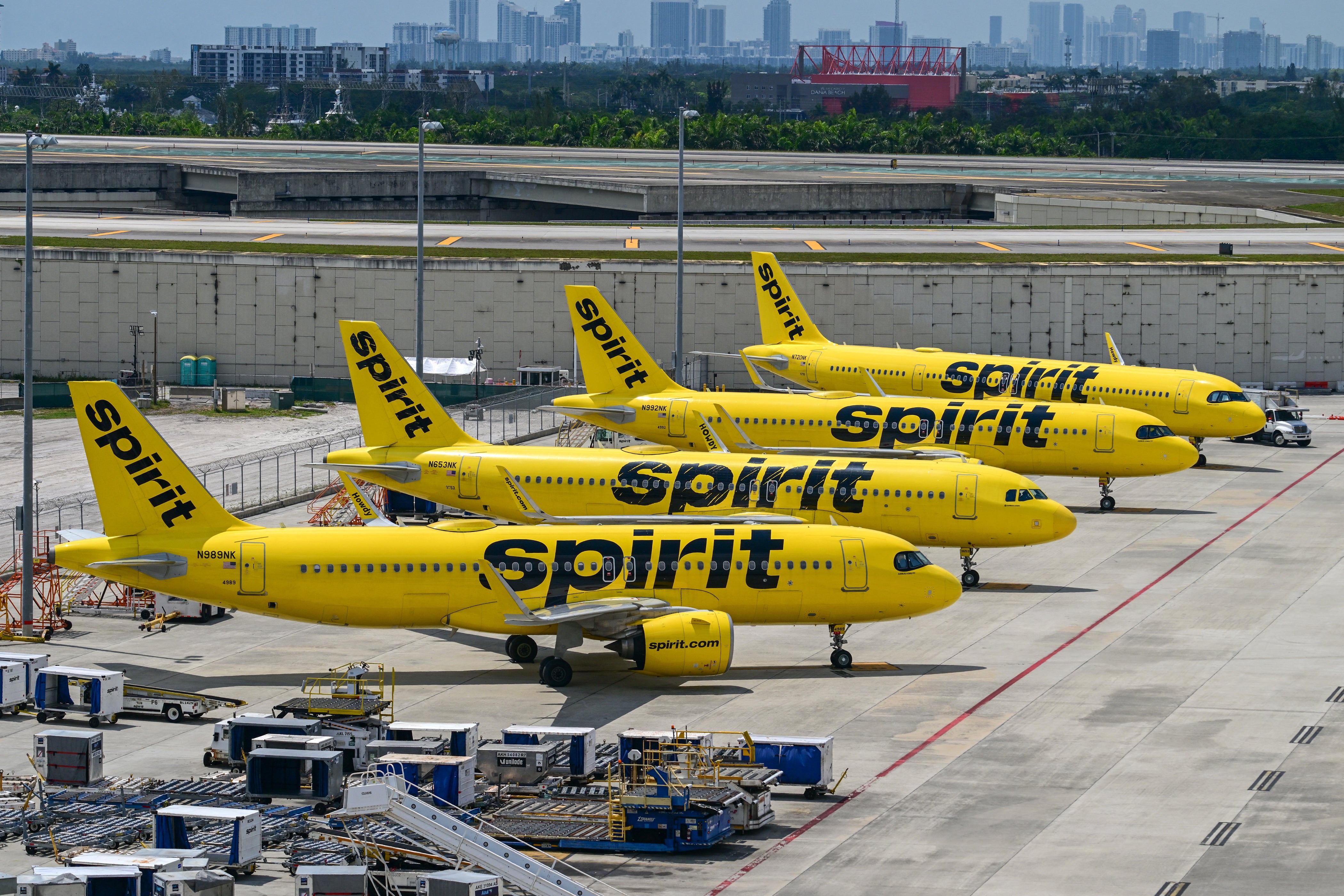
Spirit Airlines' collapse in May 2026 represents a critical supply chain disruption for cross-border e-commerce sellers relying on air freight networks. The airline's bankruptcy—marked by $8.1 billion in accumulated debt, two failed merger attempts, and a history of regulatory violations—eliminates a major low-cost carrier from North America's aviation sector. More significantly, the event coincides with a 56% surge in fuel costs (March 2024 data), creating a cascading effect on air cargo capacity and pricing. For sellers dependent on expedited international shipping, this means immediate pressure on fulfillment costs and delivery timelines.
The operational impact extends beyond Spirit's closure. Reuters reporting indicates this bankruptcy may trigger additional airline failures globally, potentially constraining air cargo capacity by 15-25% across North American routes. Sellers shipping time-sensitive products (electronics, fashion, perishables) face 8-12% cost increases on air freight services as remaining carriers consolidate capacity. The 17,000 job losses also signal broader industry stress—major carriers like Delta, United, American, and Southwest generated $200 billion in combined 2024 revenue yet lost money on passenger flights alone, indicating structural fragility. This suggests additional bankruptcies could follow, further compressing logistics options for sellers.
The viral crowdfunding campaign—which raised $337 million from 371,000 contributors via TikTok creator Hunter Peterson's letsbuyspiritair.com—reveals critical market intelligence about consumer demand. The $907 average pledge per person demonstrates strong grassroots interest in affordable air travel, signaling that budget-conscious consumers (Spirit's core demographic) represent a substantial market segment. However, legal experts including Columbia University's John Coffee Jr. note SEC crowdfunding caps at $5 million annually, making the $337 million campaign legally unviable under current regulations. This regulatory gap presents an opportunity: sellers can capitalize on consumer demand for cost-effective logistics by exploring alternative shipping models, regional carriers, or 3PL partnerships that fill the void Spirit's absence creates. The campaign also highlights TikTok's emerging power as a fundraising and consumer sentiment platform—a critical channel for sellers targeting Gen Z and millennial audiences seeking value-driven brands.
For sellers, immediate actions include diversifying logistics partners, locking in freight rates before further consolidation, and monitoring alternative carrier partnerships. The potential domino effect of additional airline bankruptcies could constrain international shipping options significantly, making proactive supply chain adjustments essential within the next 30-60 days.
Questions 8
What is the expected impact on fulfillment costs and customer acquisition costs for different seller segments?
Industry analysis suggests air freight costs will increase 8-12% immediately, with potential 15-25% increases if additional carrier bankruptcies occur. For sellers shipping 1,000+ units monthly via air freight, expect $200-400 monthly cost increases. Small sellers (100-500 units/month) face proportionally higher percentage increases due to less negotiating power. CAC (Customer Acquisition Cost) will rise 5-8% as fulfillment costs compress margins, requiring sellers to optimize conversion rates and increase average order value. Sellers relying on 2-3 day international delivery will face the most acute margin compression. Expected timeline: immediate 8-12% increase (May-June 2026), potential 15-25% increase if cascading bankruptcies occur (July-September 2026). Sellers should model scenarios assuming 12-15% sustained cost increases and adjust pricing, product mix, and marketing spend accordingly.
How might the crowdfunding campaign's failure impact alternative transportation business models?
While the $337 million campaign cannot legally acquire Spirit Airlines under current SEC regulations, its viral success signals strong consumer demand for alternative ownership and cost-effective logistics models. This creates opportunities for sellers to build brands around cooperative logistics platforms, regional carrier partnerships, and transparent shipping cost models. The campaign's TikTok virality demonstrates that Gen Z and millennial consumers engage with grassroots business solutions—a critical insight for sellers developing community-driven logistics brands. Expect increased venture capital interest in alternative logistics startups, regional carrier consolidation, and peer-to-peer freight platforms. Sellers should monitor emerging logistics platforms and consider early adoption of innovative shipping solutions that address the cost and capacity gaps Spirit's closure creates.