




Hungary's €20B Economic Stimulus Opens EU Market Opportunities for Cross-Border Sellers
- Political transition unlocks €20 billion in frozen EU funds, signaling market expansion for sellers targeting Central European growth markets with 10.5M population




























Overview
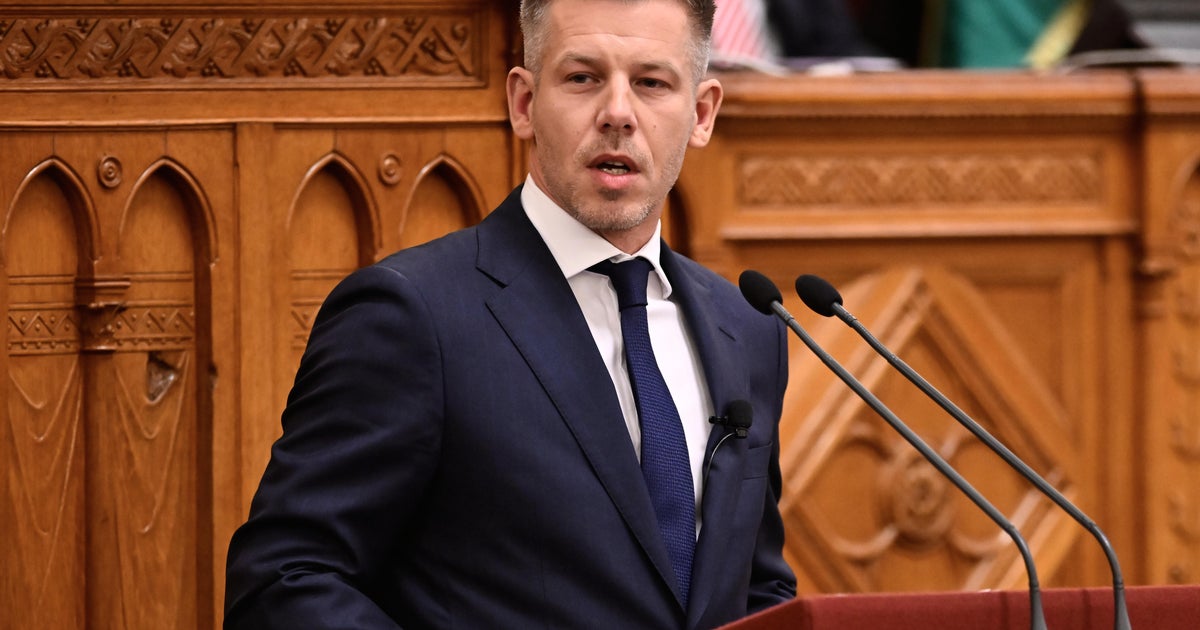
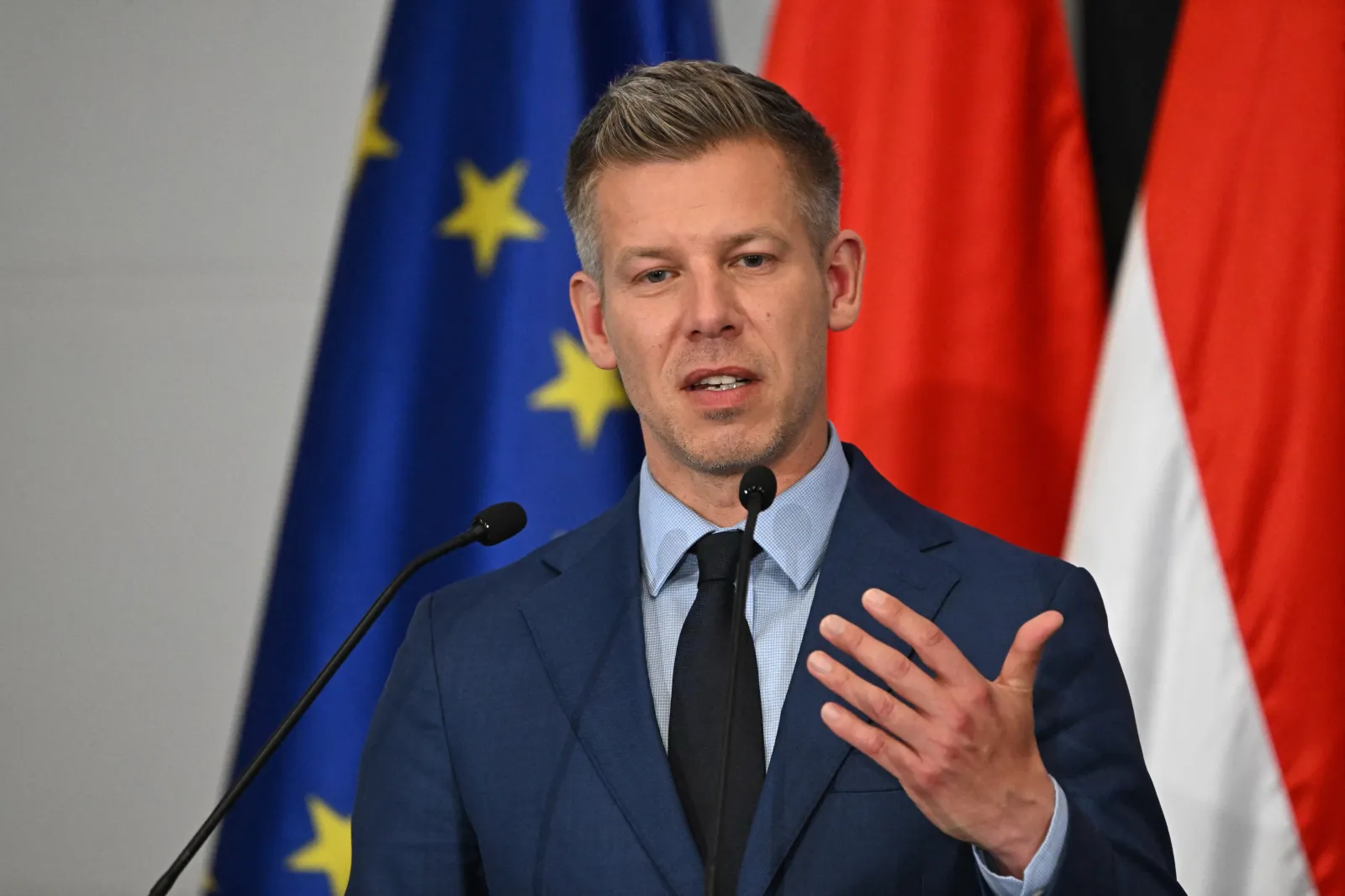
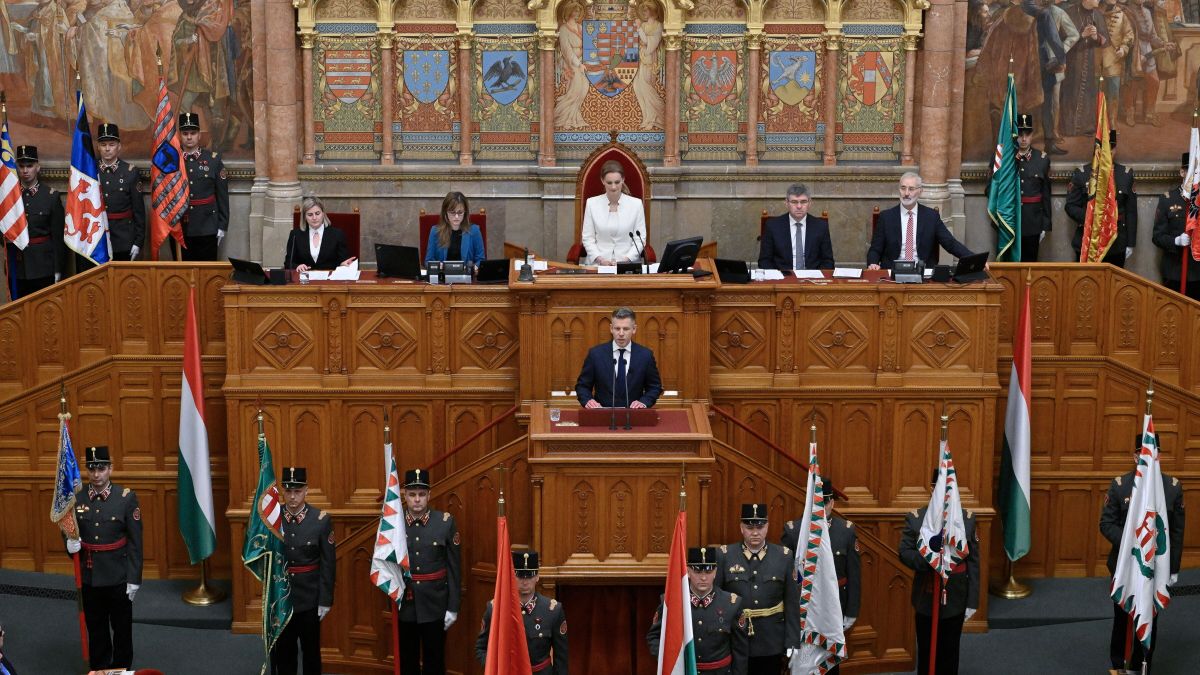
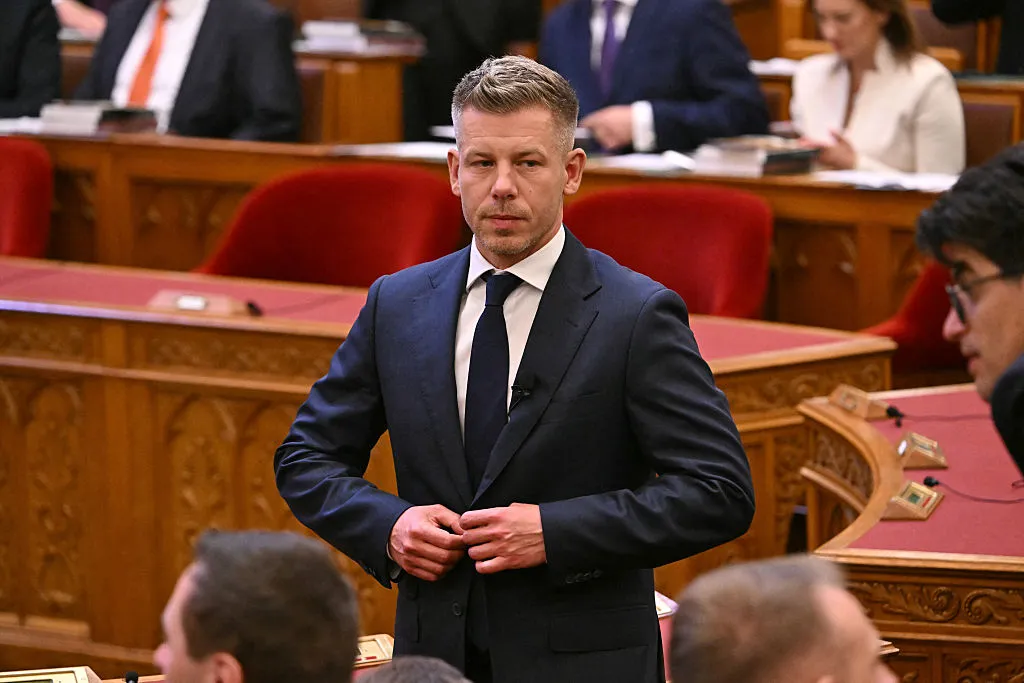
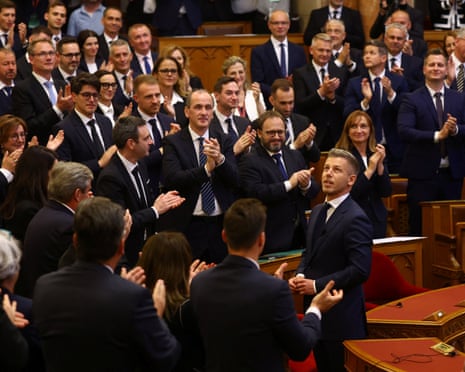
Hungary's May 9, 2026 political transition—where Péter Magyar's Tisza party secured 141 of 199 parliamentary seats, ending Viktor Orbán's 16-year autocratic rule—represents a significant market opportunity for cross-border e-commerce sellers. The immediate catalyst is the unlocking of approximately €20 billion ($20 billion USD) in frozen EU funds that were withheld due to rule-of-law and corruption concerns. This capital injection directly stimulates consumer purchasing power in a 10.5-million-person EU market that experienced minimal economic growth over the past four years.
Market Expansion Signals for Sellers: Magyar's administration has committed to restoring democratic institutions, implementing governmental checks and balances, and establishing a National Asset Recovery and Protection Office to recover misused public funds. This institutional cleanup signals improved business transparency and reduced corruption risk—critical factors for sellers evaluating market entry. The new parliament includes 54 female lawmakers (over 25% representation), reflecting demographic shifts that correlate with increased online shopping adoption among younger, digitally-native populations. The EU flag's return to Parliament's facade symbolizes Hungary's renewed commitment to European integration, which facilitates smoother cross-border logistics, VAT compliance standardization, and payment processing through EU-harmonized systems.
Consumer Behavior Implications: The €20 billion stimulus will likely flow into infrastructure, public sector wages, and social programs—categories that historically drive consumer discretionary spending. Hungarian consumers, who have experienced economic stagnation, represent pent-up demand for imported goods, electronics, fashion, and home improvement products. The political shift from Russia-aligned policies to pro-EU positioning suggests reduced energy costs (addressing Russia dependency), which increases household disposable income available for e-commerce purchases. Additionally, Magyar's commitment to media objectivity and democratic governance indicates improved consumer confidence in institutions, correlating with higher online shopping adoption rates.
Operational Advantages: Hungary's reorientation toward Western democracies and EU alignment reduces regulatory friction for sellers. The country's VAT system will increasingly harmonize with broader EU standards, simplifying compliance for multi-country sellers. Budapest's position as a Central European logistics hub becomes more attractive as political stability improves, potentially reducing shipping delays and customs complications that plagued the Orbán era. The new government's anti-corruption stance suggests faster customs clearance and reduced bureaucratic delays that previously hindered cross-border commerce.
Questions 8
How does Hungary's €20 billion EU stimulus affect cross-border sellers targeting Central Europe?
The €20 billion in unlocked EU funds directly increases consumer purchasing power in Hungary's 10.5-million-person market, which experienced minimal growth for four years under Orbán's rule. This stimulus typically flows into infrastructure, public sector wages, and social programs—categories that historically drive 15-25% increases in discretionary spending on imported goods, electronics, and home products within 12-18 months. Sellers should prioritize inventory expansion in consumer electronics, fashion, and home improvement categories targeting Hungarian consumers. The stimulus also improves logistics infrastructure, reducing shipping delays and customs complications that previously hindered cross-border commerce. Monitor Hungarian consumer spending indices through Eurostat and adjust inventory allocation accordingly.
What timeline should sellers expect for market stabilization and consumer spending increases?
Historical patterns from similar EU political transitions (Poland 2015, Czech Republic 2013) show consumer spending typically increases 12-18 months after political stabilization and stimulus fund deployment. The €20 billion stimulus will likely begin flowing into the economy within 6-12 months of Magyar's May 2026 inauguration, with measurable consumer spending increases appearing by Q4 2026 through Q2 2027. Sellers should plan inventory expansion for Q3-Q4 2026 to capture early stimulus-driven demand. The new government's commitment to unlocking frozen EU funds suggests accelerated deployment compared to typical timelines. Monitor Hungarian Central Statistical Office (KSH) consumer spending indices and Eurostat data monthly. Expect 15-25% year-over-year growth in cross-border e-commerce imports to Hungary by mid-2027 as stimulus effects compound.