


Russia-North Korea Military Pact Triggers Sanctions Risk | Cross-Border Sellers Face Payment & Logistics Disruption
- Deepening military alliance signals imminent sanctions escalation affecting payment processors, logistics networks, and market access for 50,000+ sellers operating in Russia/Eastern Europe














Overview
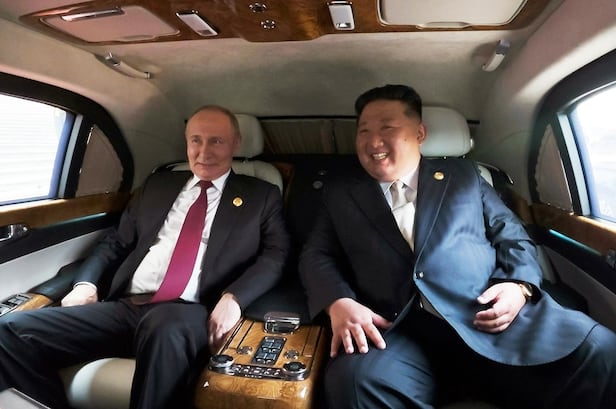
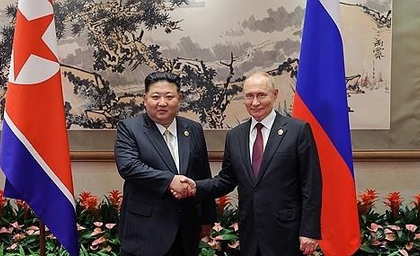
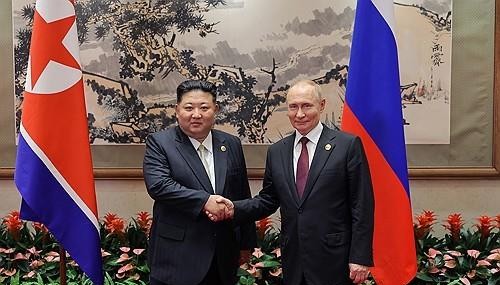
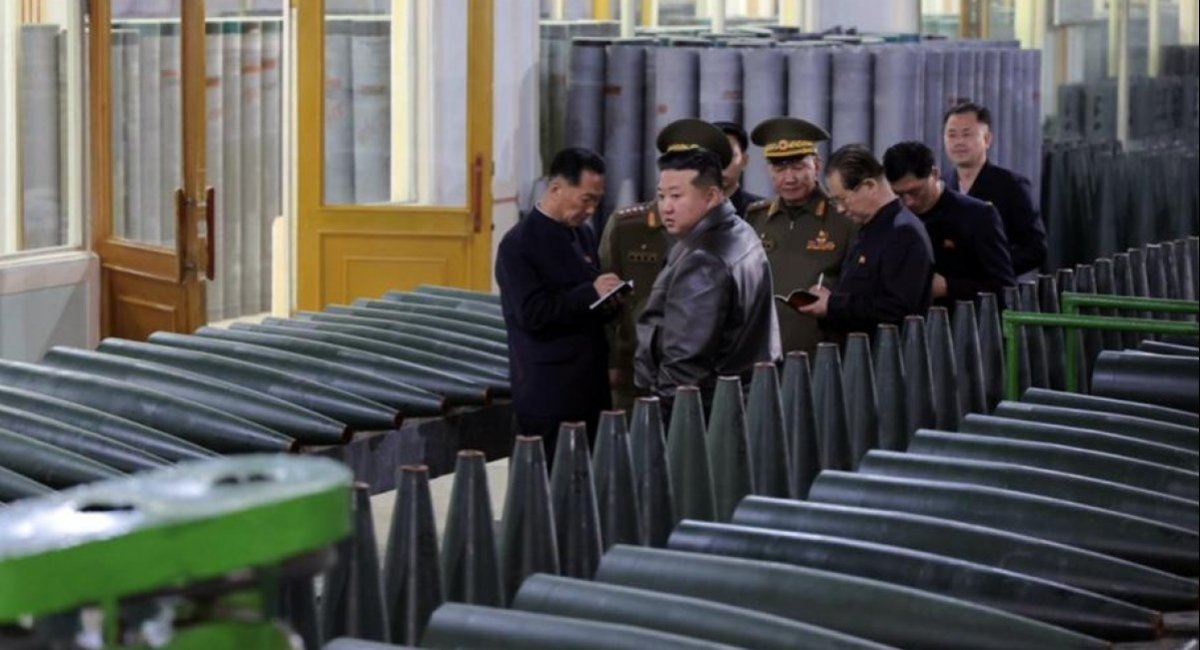
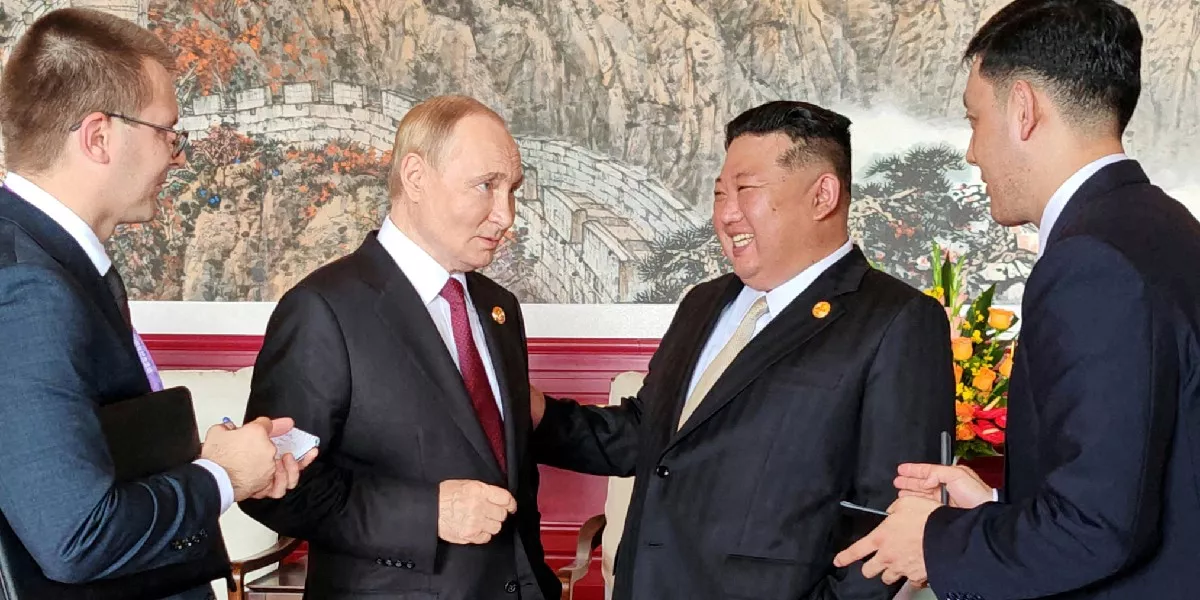
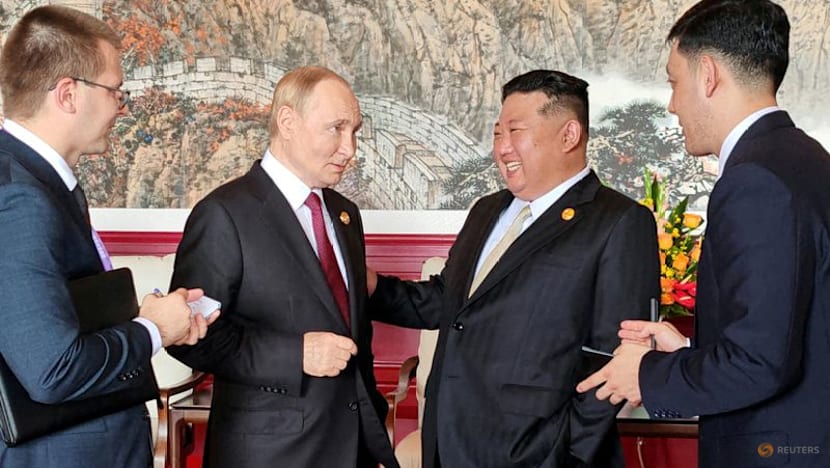
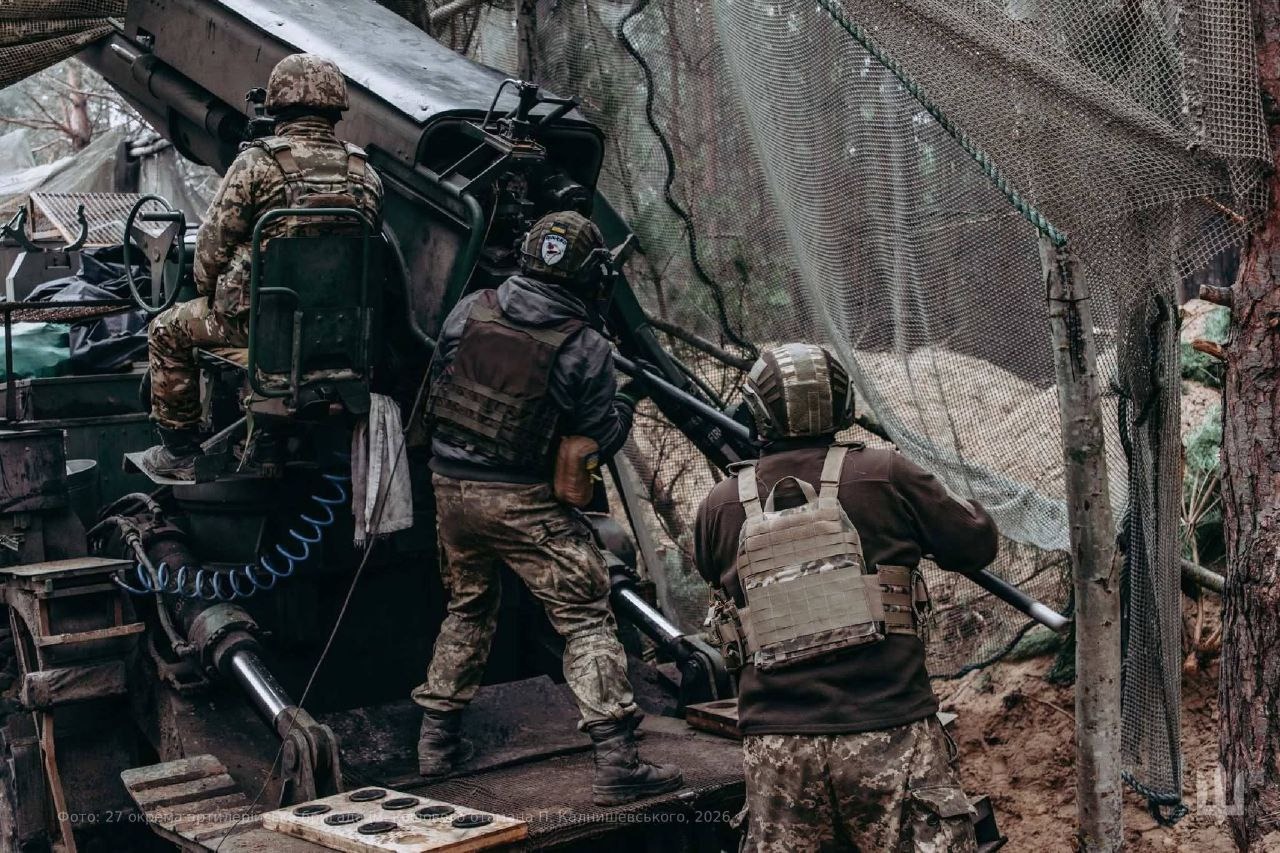
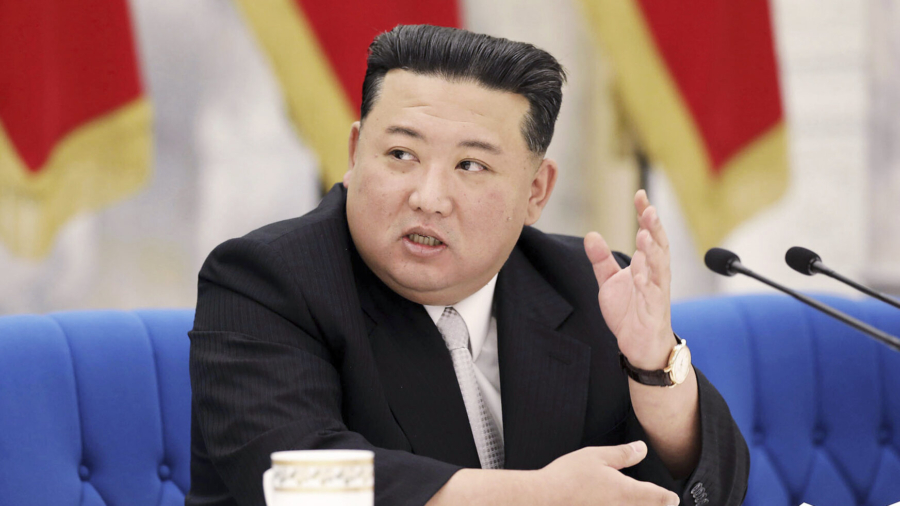
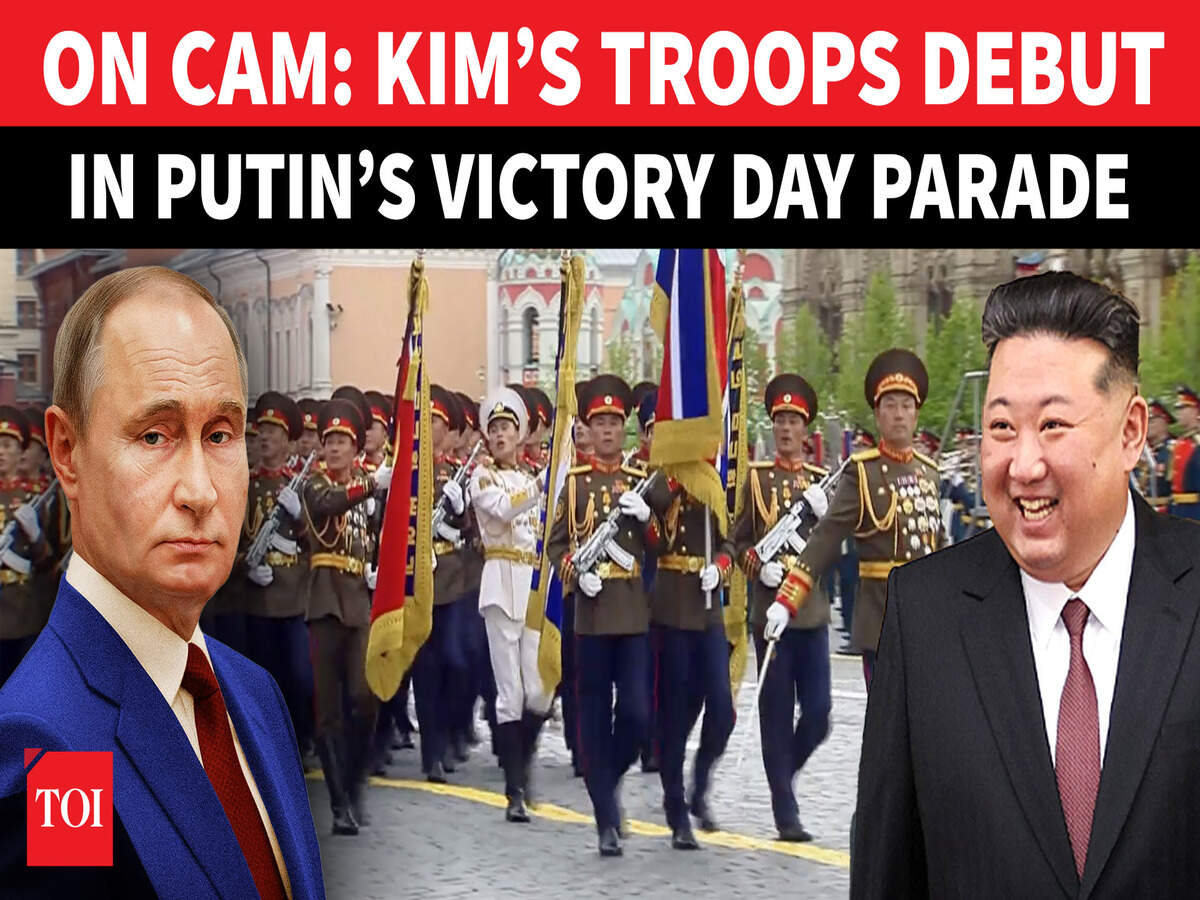
The Russia-North Korea military alliance reached a critical inflection point in May 2026, with North Korean troops marching in Moscow's Victory Day parade for the first time and Kim Jong-un reaffirming "top priority" commitment to the Comprehensive Strategic Partnership Treaty signed in June 2024. This symbolic escalation—15,000 North Korean combat troops deployed to Kursk, 6,000+ casualties sustained, and 300 North Korean defense factories producing 1-6 million shells/rockets (Sept 2023-April 2025)—signals deepening military-industrial integration that historically precedes secondary sanctions targeting financial infrastructure and logistics corridors.
For cross-border e-commerce sellers, this geopolitical shift creates three immediate operational risks: (1) Payment Processing Disruption: Increased sanctions on Russian financial institutions will likely trigger payment gateway restrictions affecting sellers using Stripe, PayPal, or regional processors. Sellers with Russian customer bases or suppliers face 15-30 day payment delays as processors implement compliance reviews. (2) Logistics Network Fragmentation: Deepening Russia-North Korea ties increase probability of sanctions on shipping routes through Eastern Europe and Asia-Pacific. DHL, FedEx, and regional 3PLs operating in Russia may face compliance restrictions, forcing sellers to shift to alternative carriers (DPD, Hermes) at 8-15% cost premiums. (3) Market Access Contraction: Secondary sanctions targeting North Korean entities could expand to Russian suppliers and intermediaries, restricting sourcing options for sellers relying on Russian manufacturers or trading companies for electronics, machinery, and industrial components.
The timing window is critical: Historical sanctions escalation patterns (2014 Crimea, 2022 Ukraine invasion) show 30-60 day lag between geopolitical events and regulatory implementation. Sellers should immediately audit payment processor compliance policies, diversify supplier bases away from Russia-dependent sourcing, and establish alternative logistics partnerships. The May 9-11 ceasefire announcement provides temporary breathing room, but the symbolic nature of North Korean troops in Red Square suggests Moscow views this alliance as permanent strategic positioning rather than temporary wartime expedience. Sellers with exposure to Russian markets, Eastern European logistics hubs, or payment processors with Russian operations should treat this as a 90-day risk window requiring active mitigation.
Questions 8
How does North Korea's 500,000-worker defense industry expansion affect civilian product sourcing?
North Korea's military-industrial consolidation signals Moscow is redirecting civilian manufacturing capacity to weapons production, restricting export availability for consumer goods. The 1-6 million shells/rockets transferred Sept 2023-April 2025 indicate sustained production surge consuming raw materials (metals, electronics, chemicals) that would otherwise supply civilian exports. Sellers sourcing textiles, machinery, or components from North Korea face near-total supply cutoff; Russian suppliers face 15-25% capacity reduction as Moscow prioritizes military contracts. Expect 20-30% price increases for remaining Russian civilian exports and 4-6 week lead time extensions through Q3 2026.
What compliance documentation should I prepare for potential sanctions escalation?
Prepare three compliance documents: (1) Supplier Sanctions Audit—verify all Russian/North Korean suppliers against OFAC, EU, and UK sanctions lists (updated weekly); (2) Payment Processor Compliance Certification—obtain written confirmation from payment processors that your business model complies with Russia/North Korea exposure policies; (3) Logistics Provider Compliance—confirm 3PLs and shipping carriers have sanctions compliance protocols. Sellers who prepared documentation within 30 days of 2022 sanctions faced 5-10 day compliance review delays; those without documentation faced 30-45 day holds. The May 2026 escalation suggests 45-60 day window to complete documentation before regulatory tightening.