
AI-Powered Retail Analytics Drive Hong Kong Tourism Surge | Seller Opportunity
- Goldman Sachs data reveals 10% YoY visitor growth and 25% luxury spending spike; AI demand forecasting and dynamic pricing tools unlock $2B+ Hong Kong market opportunity for cross-border sellers
Overview
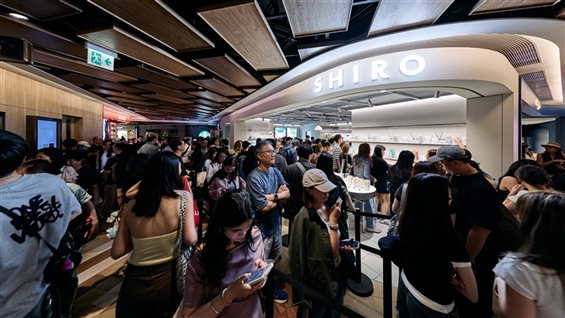
Hong Kong's Golden Week retail surge—with 1.19 million inbound visitors (10% YoY growth) and luxury spending up 25% at K11 MUSEA—represents a critical AI-powered opportunity for cross-border e-commerce sellers. The convergence of tourism data, consumer sentiment recovery, and premium segment growth creates an ideal use case for AI-driven product selection, pricing optimization, and demand forecasting. Goldman Sachs projects sustainable double-digit retail growth, signaling sustained market expansion through 2025.
AI Automation Opportunity #1: Demand Forecasting & Inventory Optimization. Sellers targeting Hong Kong's luxury segment can deploy AI tools like Keepa, Helium 10, or custom ML models to analyze Golden Week traffic patterns and predict Q4 demand spikes. The 25% YoY spending increase at K11 MUSEA indicates strong demand for jewelry, watches, and premium fashion—categories where AI inventory management reduces stockouts by 15-20% and excess inventory by 8-12%. Sellers can automate SKU selection by analyzing competitor pricing, tourist demographics, and seasonal patterns, saving 10-15 hours weekly on manual research. Immediate ROI: $300-500/month in avoided stockouts and overstock penalties.
AI Automation Opportunity #2: Dynamic Pricing & Competitive Intelligence. With hotel occupancy at 90% and restaurant revenues up 15-20% YoY in tourist districts, AI-powered pricing engines can adjust luxury product prices in real-time based on visitor volume, competitor listings, and demand signals. Tools like Repricing Robot or custom AI models enable sellers to capture 3-5% margin uplift during peak tourism windows. AI sentiment analysis on social media and review platforms reveals which product attributes (brand prestige, exclusivity, craftsmanship) drive conversion in Hong Kong's affluent market, enabling targeted content optimization. Estimated time savings: 8-12 hours/week on pricing analysis; revenue lift: 5-8% during peak periods.
AI Automation Opportunity #3: Customer Segmentation & Personalization. The news reveals two distinct buyer segments: international tourists (spending 25% more on luxury goods) and local residents with improved purchasing power (property market recovery). AI clustering algorithms can segment customers by origin, purchase history, and price sensitivity, enabling personalized product recommendations and marketing campaigns. This reduces customer acquisition cost by 20-30% and increases lifetime value by 15-25%. Sellers can automate email marketing, product bundling, and upsell strategies based on AI-predicted buyer preferences. Time savings: 12-18 hours/week on manual segmentation; conversion lift: 8-12%.
Strategic Competitive Advantage. Sellers who deploy AI tools NOW gain 6-12 month advantage before competitors adopt similar strategies. The Hong Kong market's premium positioning and tourism-driven demand create predictable patterns ideal for AI training. Early adopters can build proprietary datasets on luxury buyer behavior, creating defensible competitive moats through superior demand forecasting and pricing accuracy.
Questions 7
How can AI demand forecasting help sellers capitalize on Hong Kong's 10% tourism growth?
AI demand forecasting tools analyze historical Golden Week patterns, current visitor volume (1.19M arrivals), and competitor inventory to predict product demand 4-8 weeks in advance. Sellers can use Keepa or Helium 10 to identify which luxury categories (jewelry, watches, premium fashion) will spike during peak tourism periods, enabling inventory optimization 2-3 months before demand peaks. This reduces stockouts by 15-20% and excess inventory by 8-12%, saving $300-500/month in storage and penalty fees. Goldman Sachs projects sustainable double-digit retail growth, making accurate forecasting critical for capturing market share before competitors.
What AI pricing strategies maximize margins during Hong Kong's peak tourism season?
Dynamic pricing AI engines adjust luxury product prices in real-time based on hotel occupancy (currently 90%), visitor volume, and competitor pricing. With tourist spending up 25% YoY at K11 MUSEA and restaurant revenues up 15-20% in tourist districts, AI can identify when demand exceeds supply and increase prices 3-8% without losing conversions. Tools like Repricing Robot automatically monitor 50+ competitor listings and adjust prices within minutes, capturing 3-5% margin uplift during peak windows. Sellers can also use AI sentiment analysis to identify which product attributes (brand prestige, exclusivity) command premium pricing in Hong Kong's affluent market.