


Strait of Hormuz Blockade Reshapes Cross-Border Shipping Routes | Sellers Face 15-25% Cost Surge
- Iran's control over 21% of global petroleum flow creates urgent logistics restructuring for Asia-Western trade corridors; 30-day negotiation window opens cost arbitrage opportunities for alternative routing strategies









































Overview
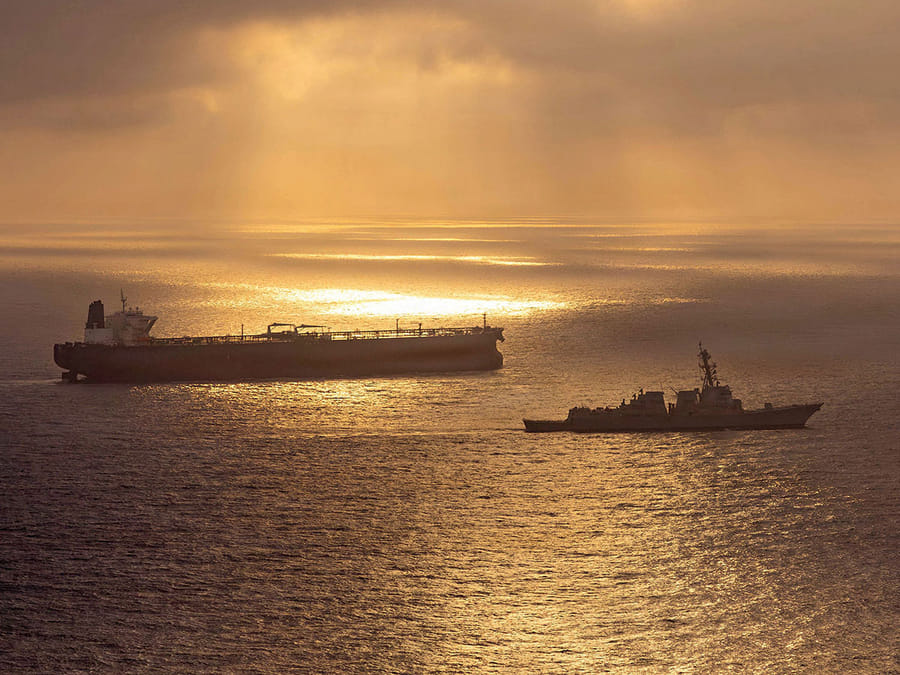
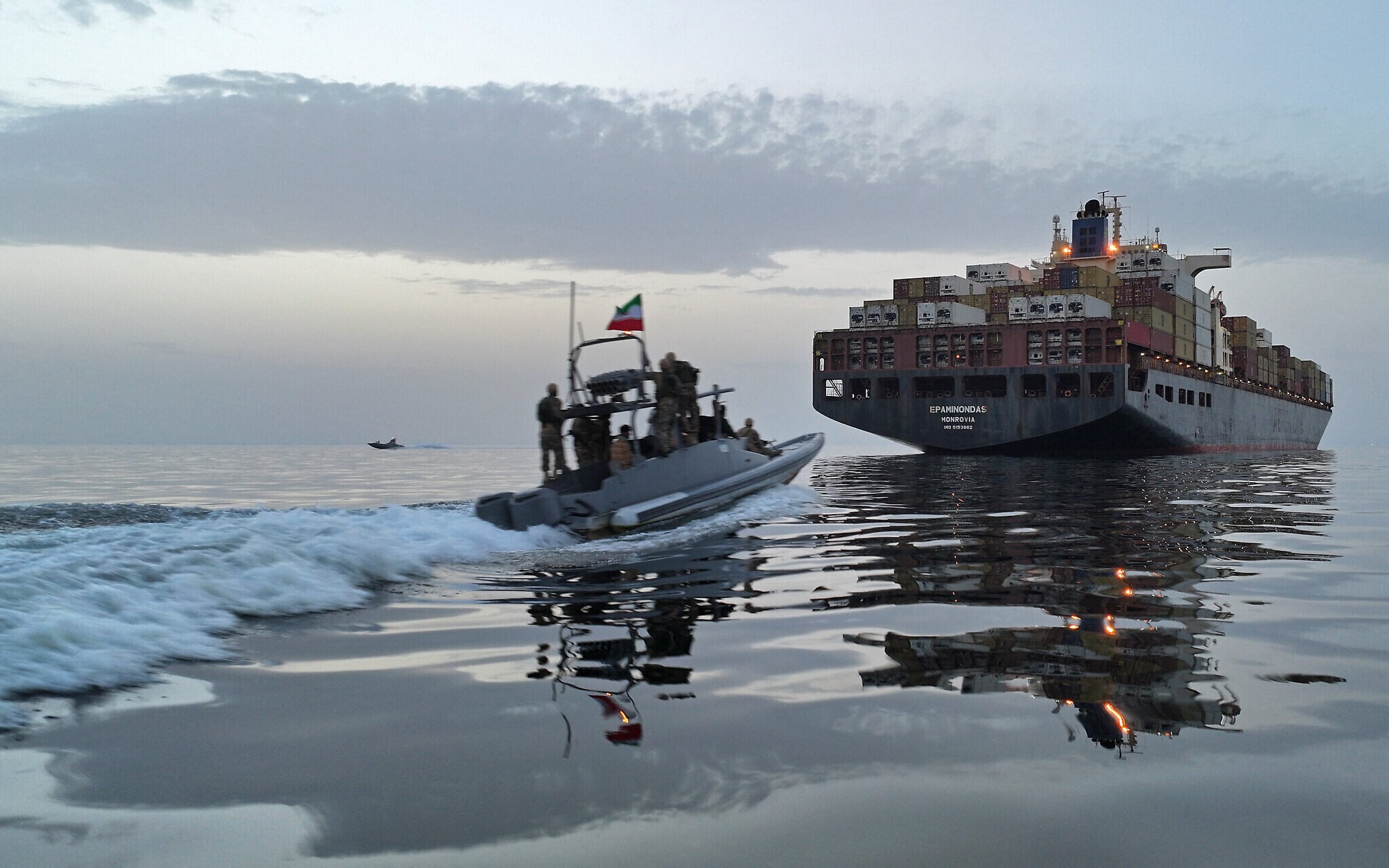
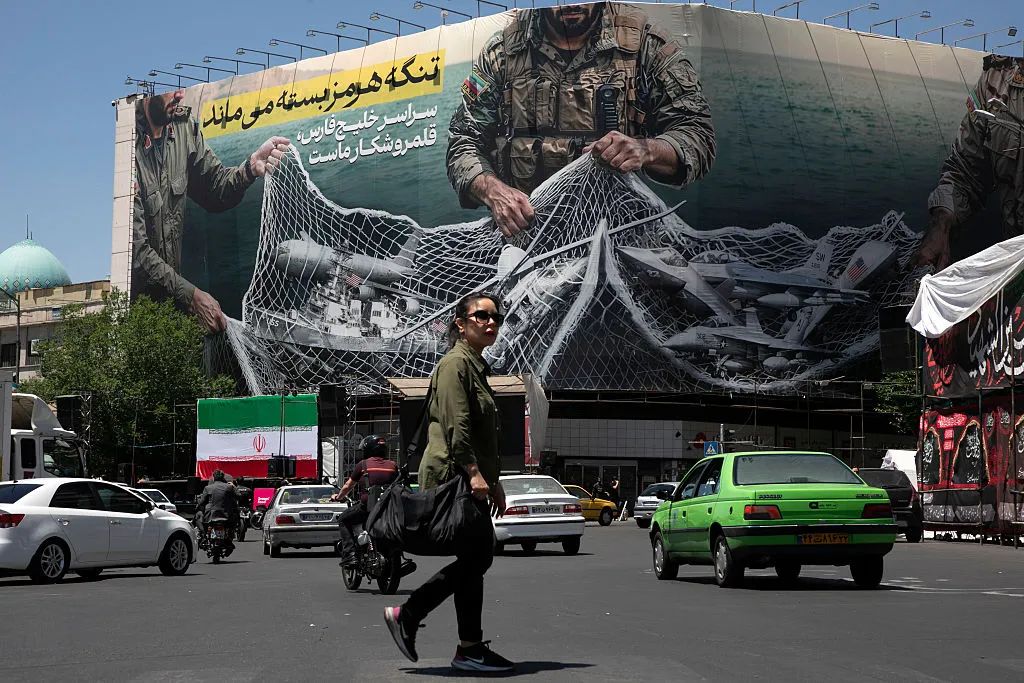
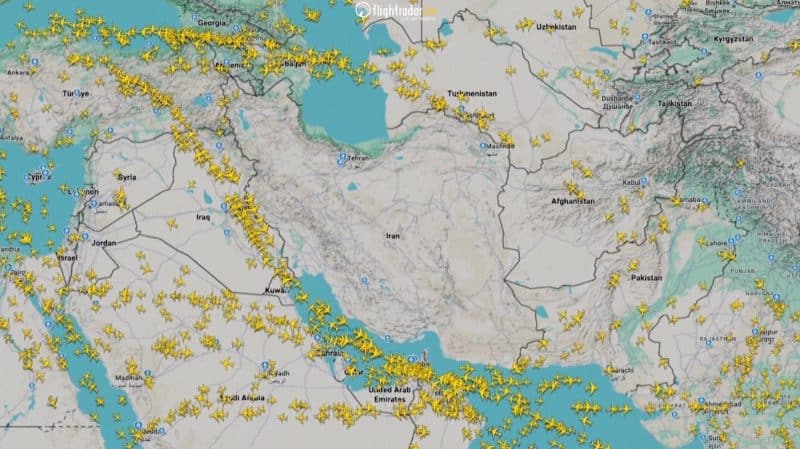
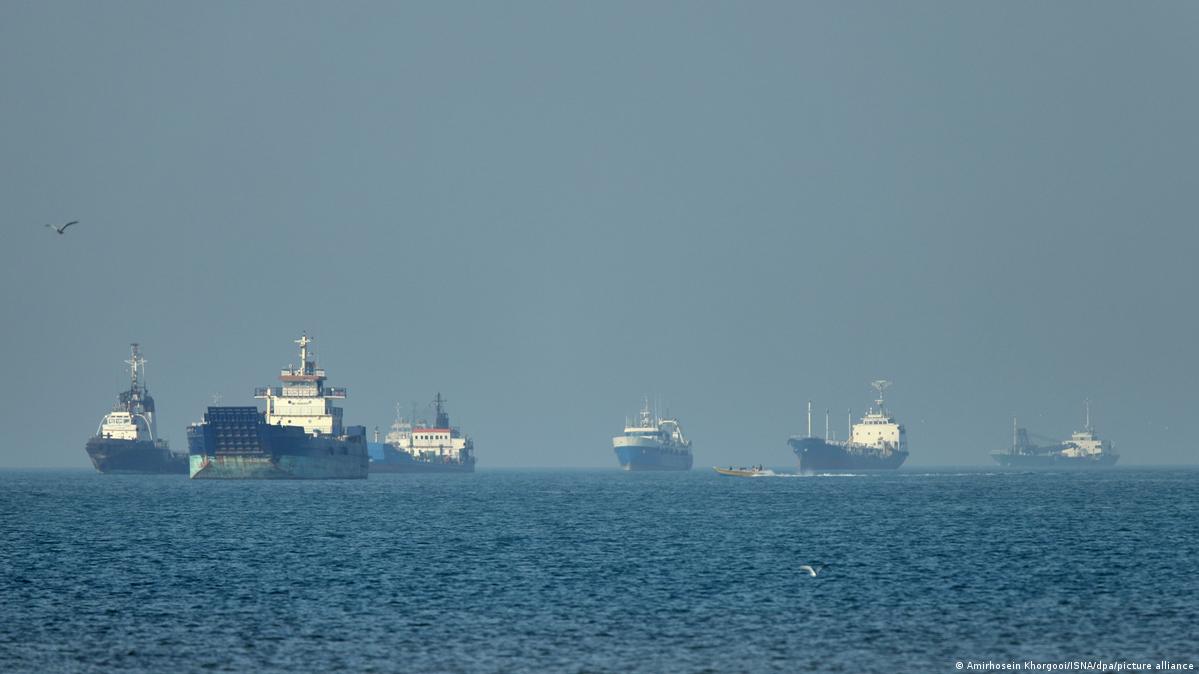
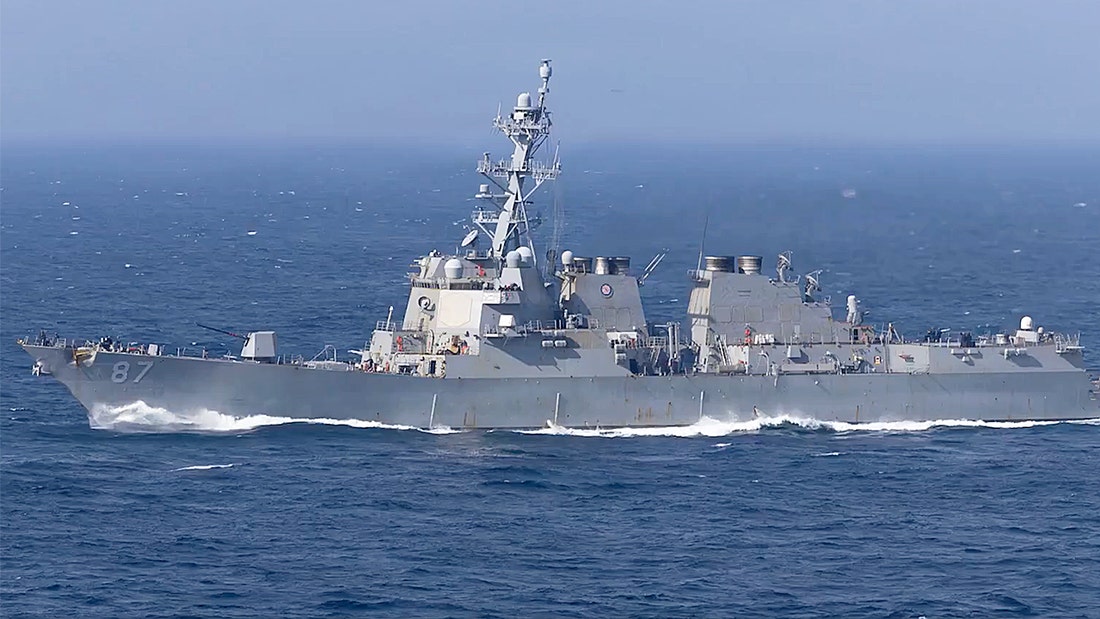
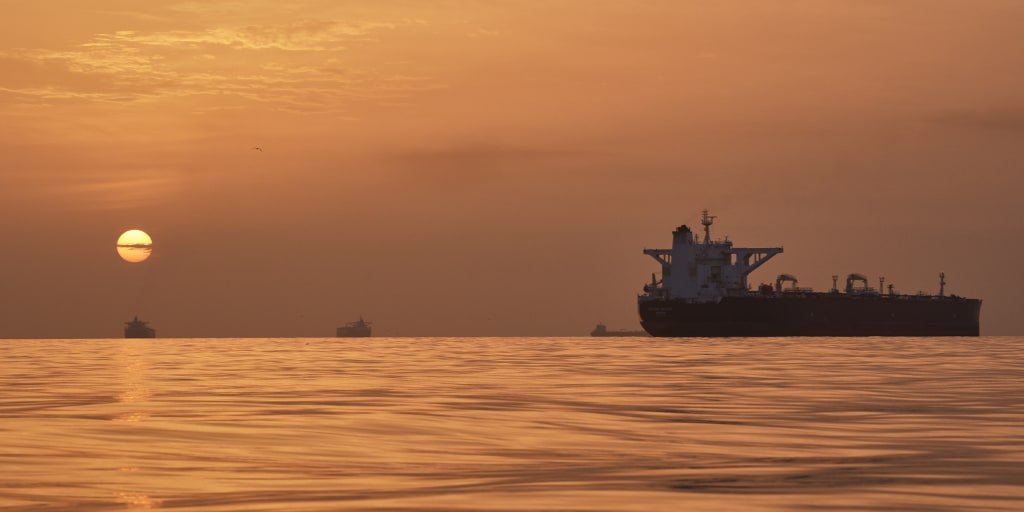
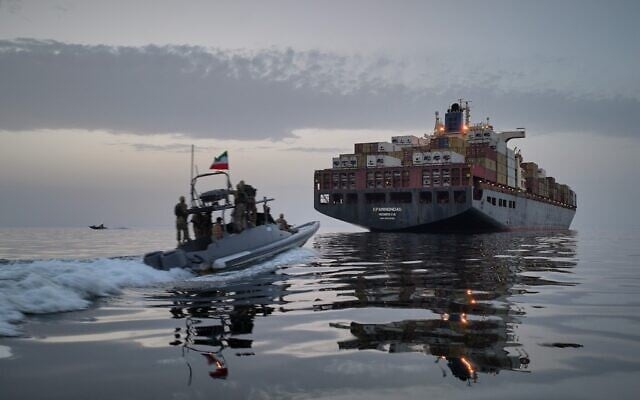
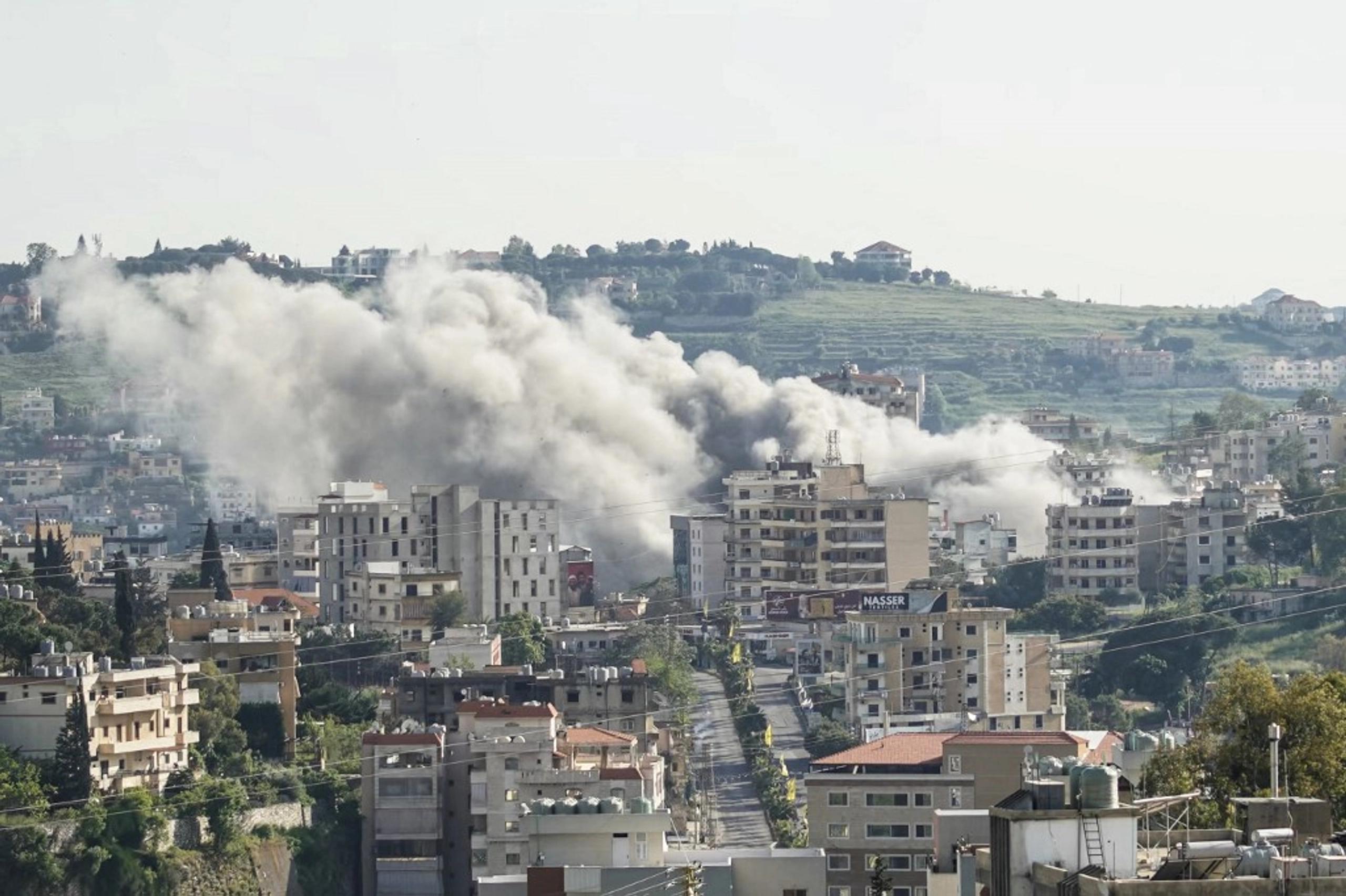
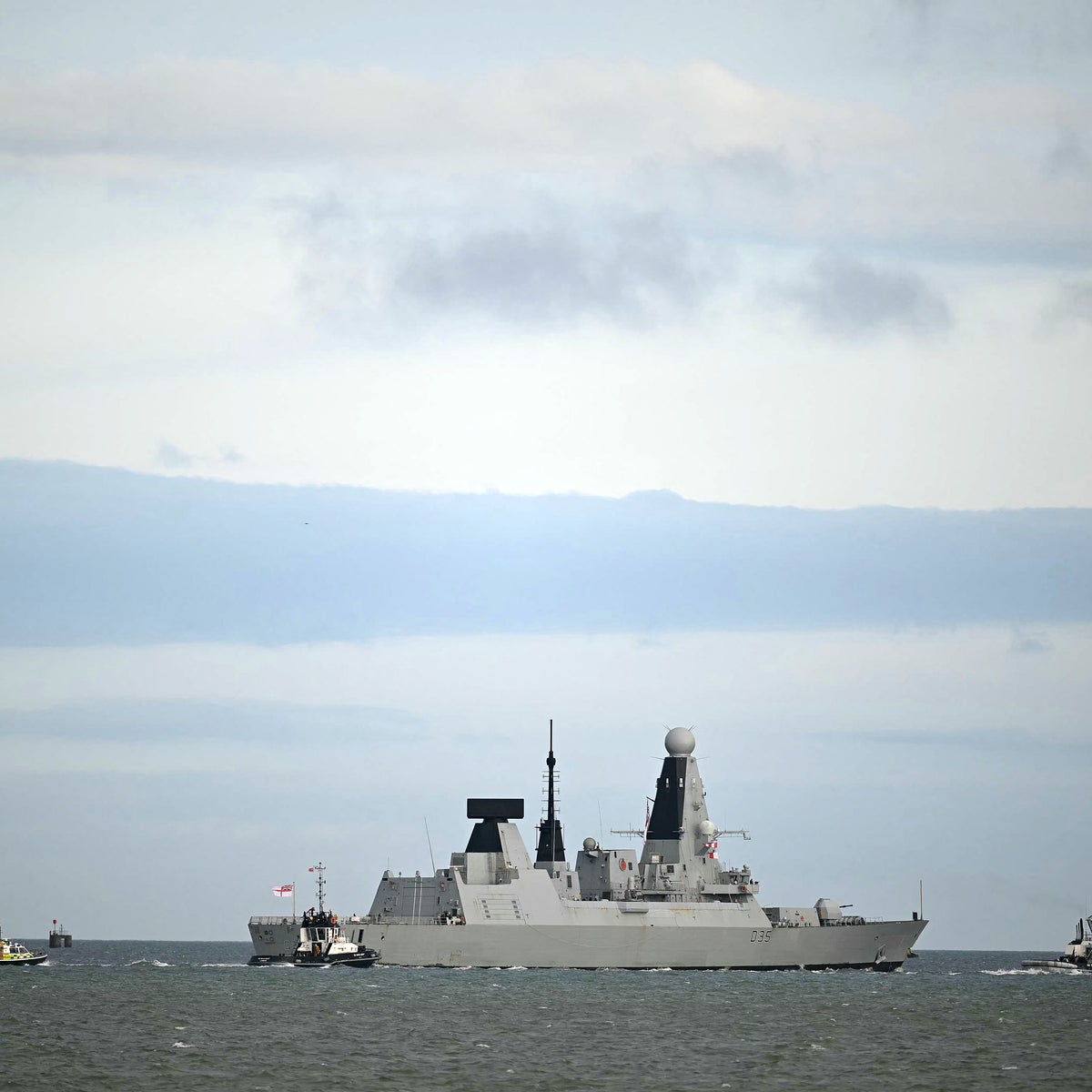
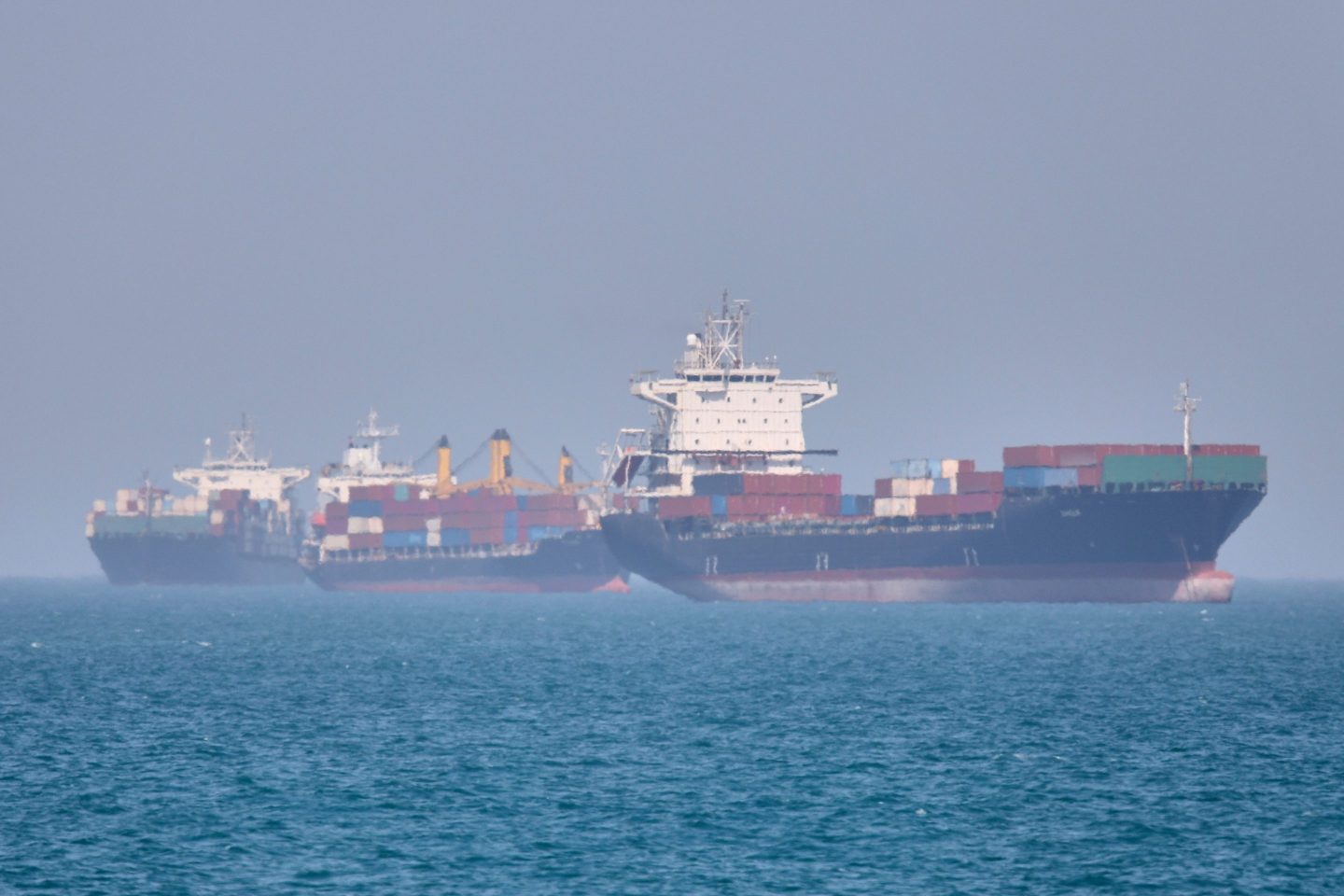
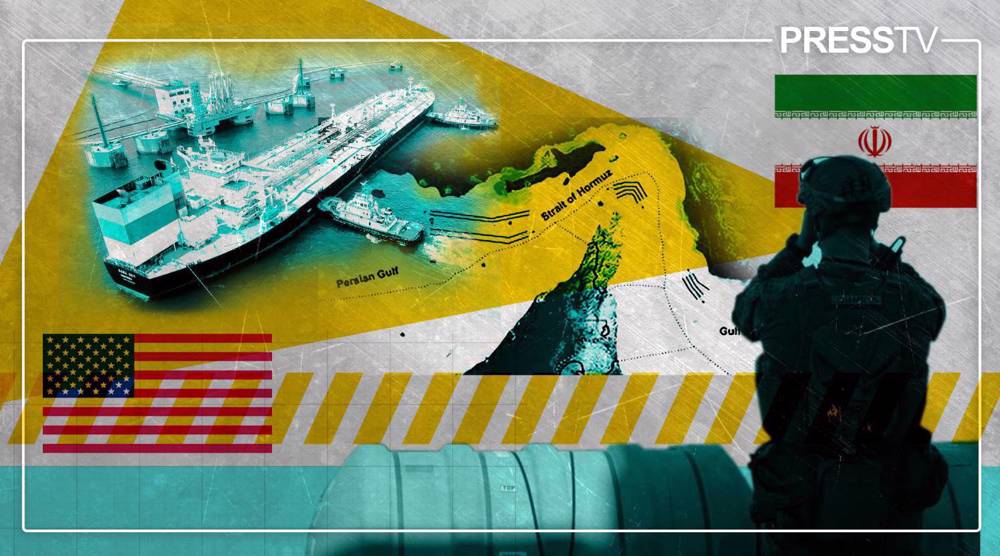
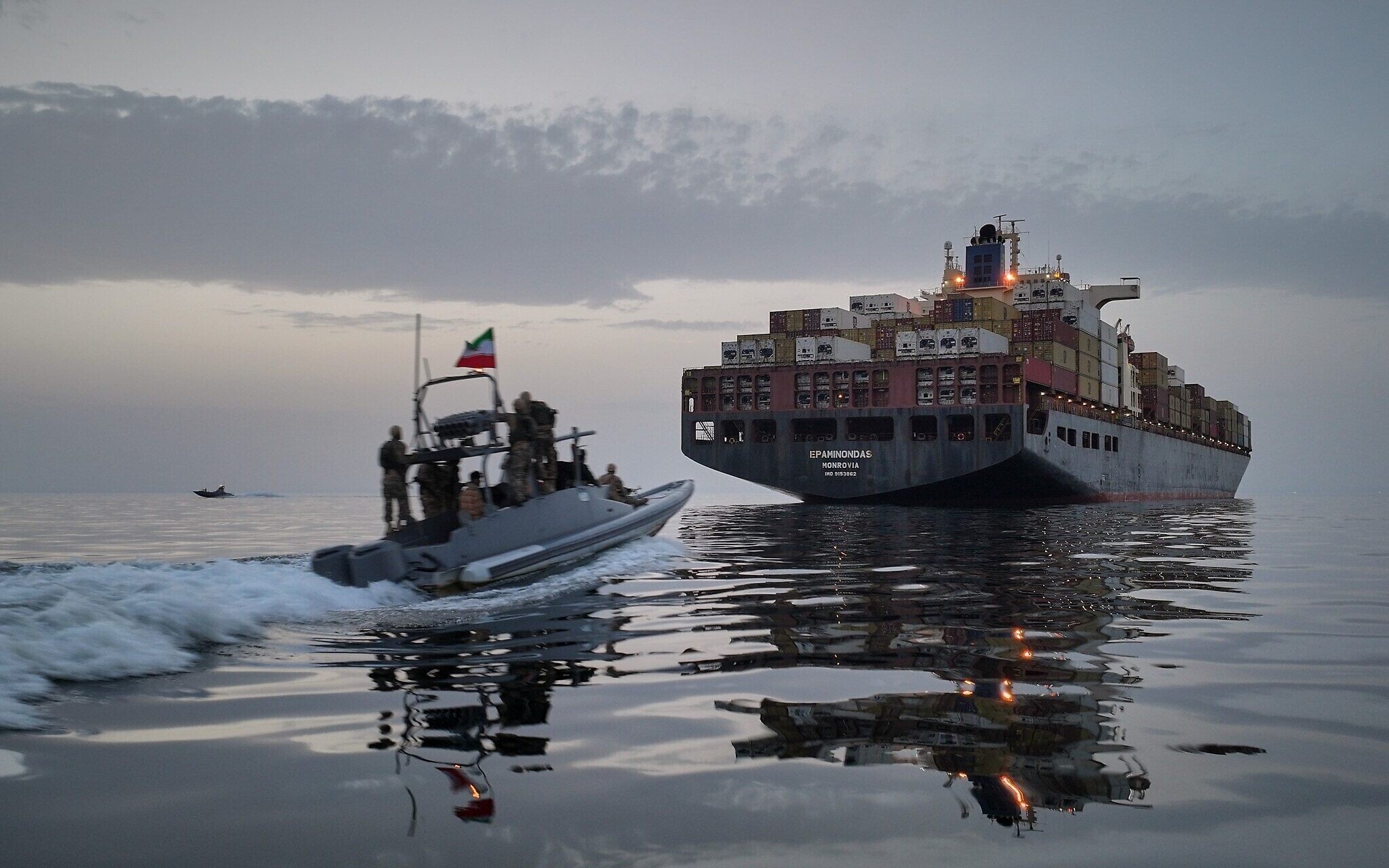
The Iran-US geopolitical crisis centered on the Strait of Hormuz represents a critical supply chain inflection point for cross-border e-commerce sellers. As of May 10, 2026, Iran has blockaded this critical waterway through which approximately 21% of global petroleum and 20 million barrels of crude oil flow daily, directly impacting shipping costs, transit times, and route viability for sellers moving goods between Asia, Middle East, and Western markets. The ceasefire, effective April 8, remains fragile with ongoing military escalations—including drone attacks on cargo vessels in Qatari waters and over 750 strikes by Iranian-backed militias on US targets. National gasoline prices have surged to $4.52 per gallon as of May 10, 2026, creating immediate fuel surcharges on international shipping.
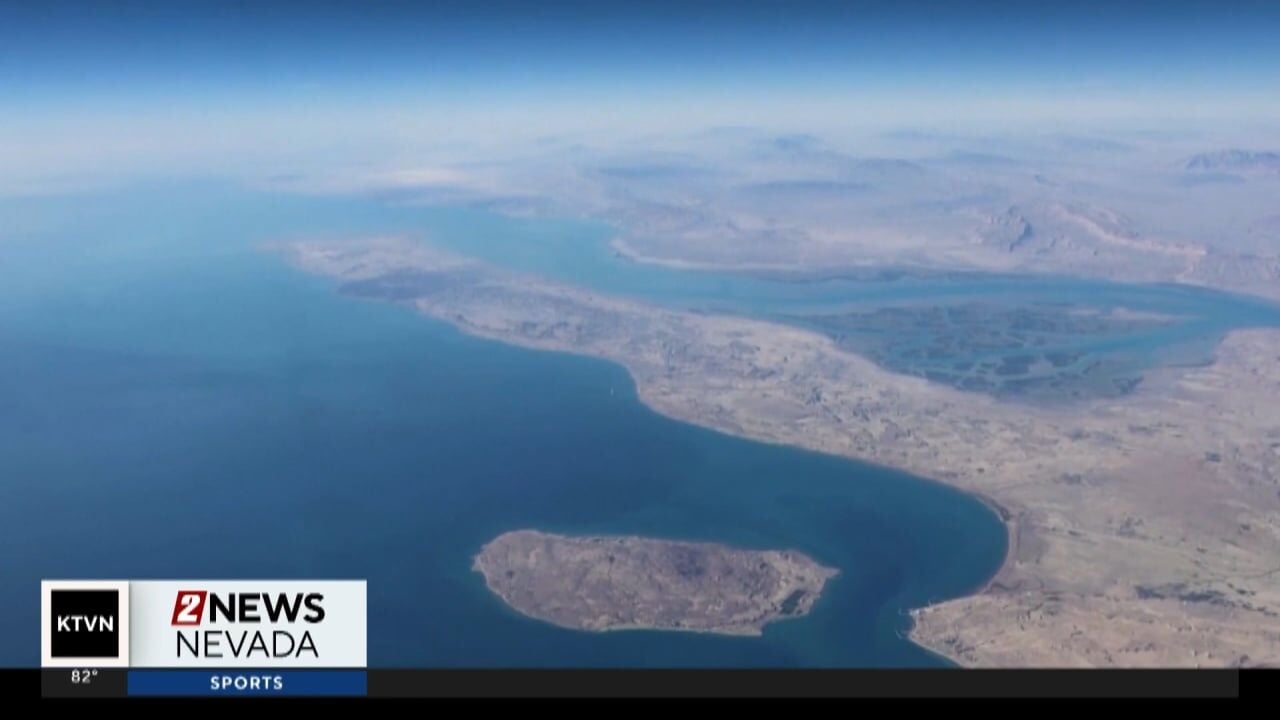
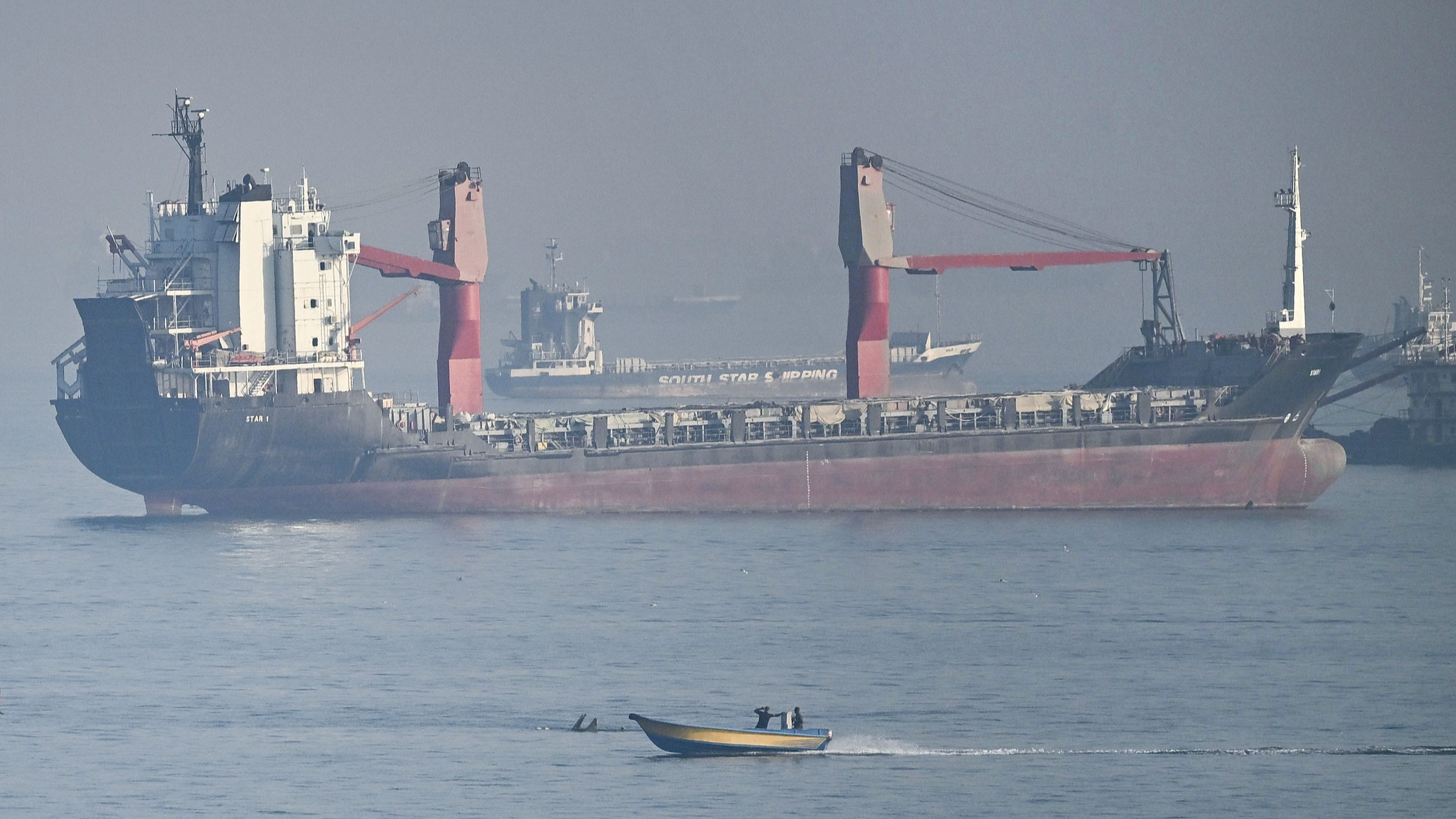
Immediate Shipping Cost Impact: Sellers relying on traditional Asia-to-US/EU routes through the Strait face 15-25% cost increases due to elevated fuel surcharges, increased insurance premiums (estimated 8-12% premium for high-risk corridor), and potential route diversions. The Kpler shipping data shows minimal vessel crossings in recent days, indicating market disruption. However, a Qatari LNG tanker successfully transited via Iran's approved northern route near Qeshm Island, suggesting negotiated passage channels exist for compliant shippers.
Strategic Route Alternatives: Sellers should immediately evaluate three alternative corridors: (1) Suez Canal routing via Mediterranean, adding 10-14 days transit time but avoiding Strait risk; (2) Africa circumnavigation route, adding 18-22 days but providing maximum security; (3) Regional redistribution hubs in Qatar, UAE, or Singapore for inventory staging. Each route carries different cost-benefit profiles: Suez adds $800-1,200 per TEU in fuel and canal fees; Africa routing adds $1,500-2,200 per TEU but eliminates geopolitical risk premium.
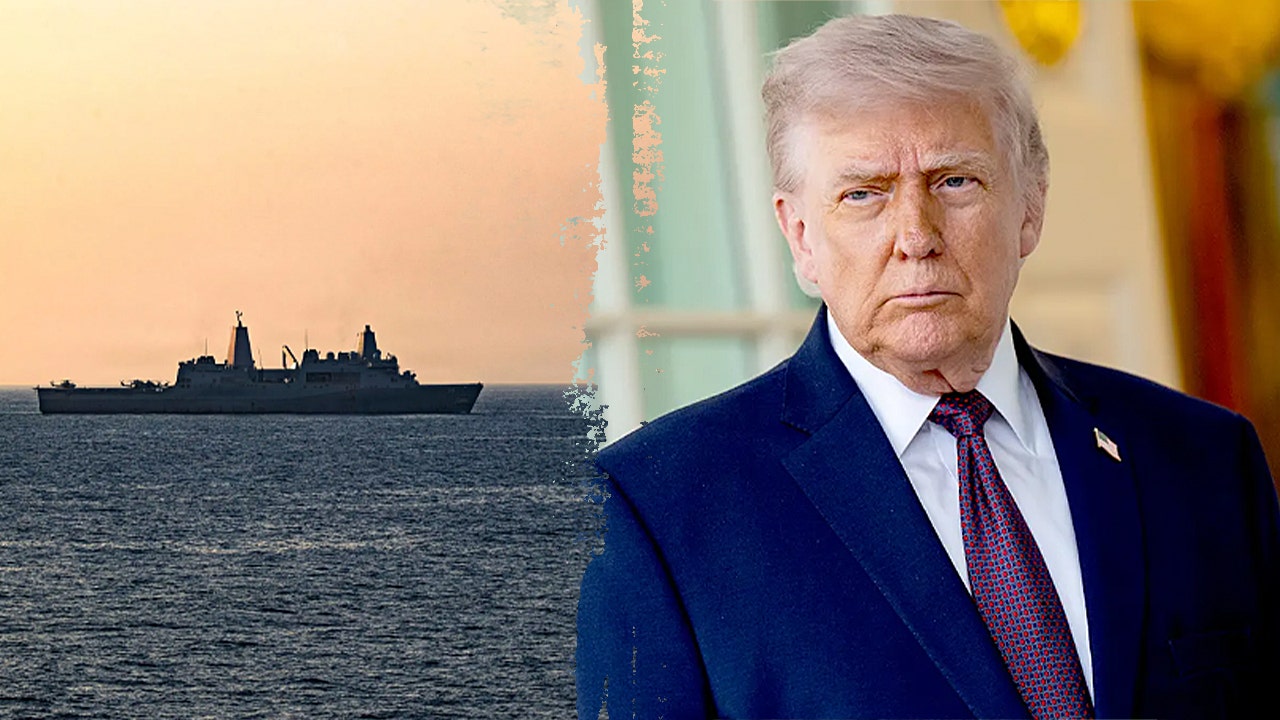
Competitive Advantage Window: The 30-day negotiation timeline (per Trump administration statements) creates a time-sensitive arbitrage opportunity. Sellers who lock in alternative routing contracts now before broader market adoption will secure better rates. Large 3PL providers (DHL, Maersk, CMA CGM) are already adjusting capacity allocations—early movers gain priority access. Small and medium sellers should consolidate shipments to negotiate volume discounts on alternative routes, potentially recovering 40-60% of the cost increase through aggregation strategies.
Product Category Implications: Time-sensitive categories (electronics, fashion, perishables) face the highest pressure—air freight premiums are already elevated due to fuel costs. Bulk commodity sellers (textiles, machinery, raw materials) can absorb longer transit times on Africa routes, making this viable. Sellers of high-margin goods (luxury items, specialty electronics) should prioritize Suez routing despite higher costs to maintain delivery windows. Lower-margin bulk goods sellers should shift to Africa routing or delay shipments pending ceasefire resolution.
Compliance and Documentation: Iranian legislation formalizing Strait control includes provisions restricting passage for vessels from "hostile states" and those complying with US sanctions. Sellers must verify their freight forwarders' vessel registries and ensure compliance documentation is current. Non-compliance risks vessel detention, cargo seizure, or rerouting costs exceeding $50,000+ per shipment.
Questions 8
How do sellers monitor Strait of Hormuz situation for shipping decisions?
Sellers should monitor: (1) Kpler shipping data for real-time vessel crossing volumes; (2) Trump administration statements on ceasefire progress (30-day timeline as of May 10, 2026); (3) fuel price indices (currently $4.52/gallon nationally) for surcharge trends; (4) 3PL provider capacity alerts on alternative routes; (5) Iranian legislative developments on Strait control provisions. Subscribe to logistics industry alerts from Freightos, Container xChange, and major carriers (Maersk, DHL, CMA CGM). Set decision triggers: if blockade extends beyond 45 days, shift 50%+ of shipments to Africa routing; if fuel prices exceed $5.00/gallon, activate inventory staging strategy in regional hubs.
How much will shipping costs increase for sellers using Strait of Hormuz routes?
Sellers face 15-25% cost increases on traditional Asia-to-Western routes due to fuel surcharges (gasoline at $4.52/gallon as of May 10, 2026), insurance premiums rising 8-12%, and potential route diversions. For a standard 40-foot container, this translates to $1,200-2,000 additional cost per shipment. Time-sensitive air freight sees even steeper increases due to elevated fuel costs. The impact varies by product category: high-margin electronics can absorb costs through pricing; low-margin bulk goods face margin compression of 5-8% unless routes are optimized.