


AMD vs Nvidia Valuation Clash | AI Infrastructure Costs Impact E-Commerce Cloud Operations
- Semiconductor pricing wars affect platform infrastructure costs for Amazon FBA, Shopify, and eBay sellers; AMD's $742B valuation and 350% stock surge signals data center competition intensifying through 2025
















/Advanced%20Micro%20Devices%20Inc_%20logo%20on%20phone%20and%20website-by%20T_Schneider%20via%20Shutterstock.jpg)




Overview
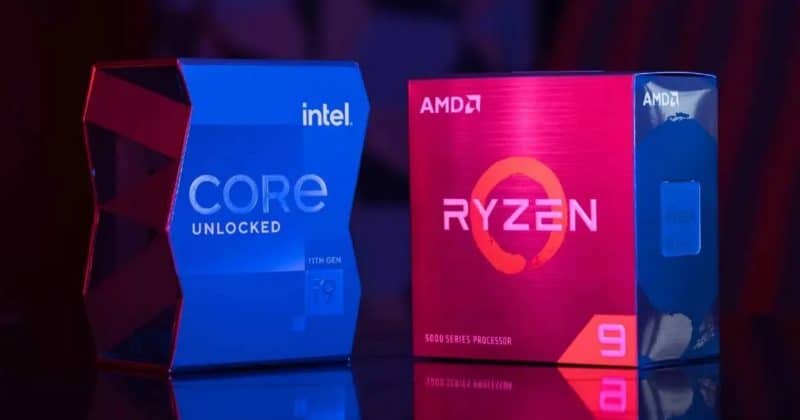
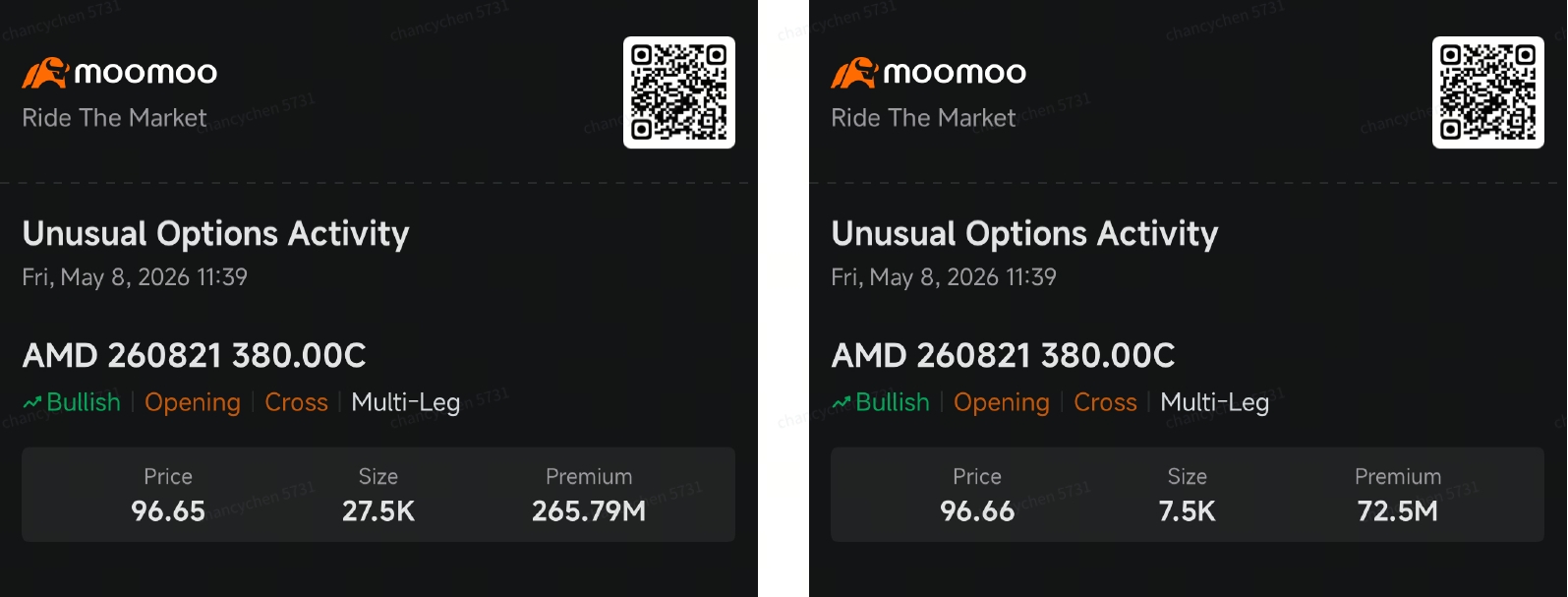
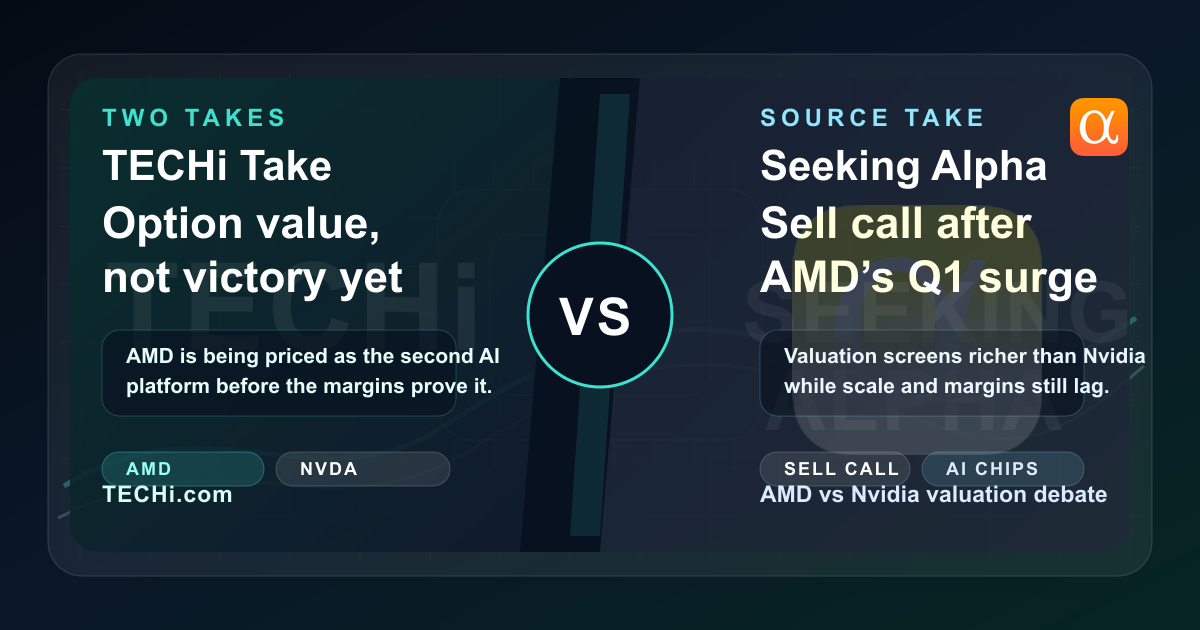
Advanced Micro Devices (AMD) faces a critical valuation inflection point that carries indirect but significant implications for e-commerce infrastructure costs. The semiconductor giant's stock reached $455.19 with a forward PE of 62.07 (May 2026), representing a $742.23 billion market capitalization, yet analyst James Foord downgraded the stock to Sell despite acknowledging AMD's strong Q1 2026 results and 38% year-over-year revenue growth. The core tension: AMD trades at higher valuation multiples than Nvidia despite maintaining lower profit margins and smaller AI chip market share. This valuation disconnect matters to e-commerce sellers because semiconductor pricing directly influences cloud infrastructure costs that power Amazon FBA logistics networks, Shopify's fulfillment operations, and eBay's seller tools.
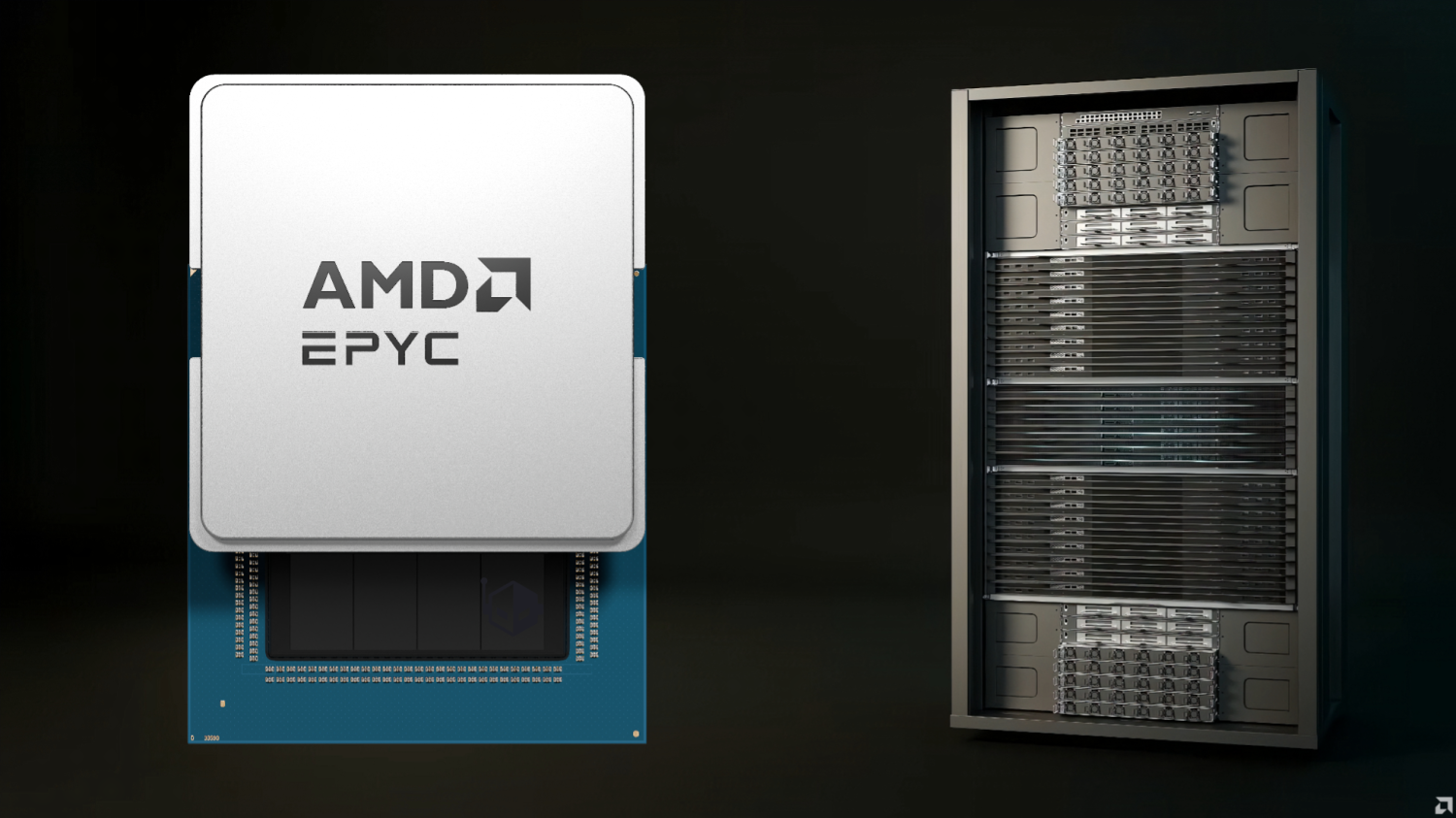
The underlying driver is AMD's explosive data center segment growth—$5.8 billion in Q1 2026 revenue with 57% year-over-year expansion, fueled by demand for EPYC server CPUs and Instinct GPU accelerators. Management guided for Q2 2026 revenue of $11.2 billion (46% YoY growth) with server CPU revenue alone expected to grow 70%+ year-over-year. CEO Lisa Su attributed this surge to accelerating demand for agentic AI, inferencing, and CPU compute resources. AMD's Helios rack-scale system will begin shipping in late 2025 with Meta Platforms and OpenAI as confirmed customers. However, the valuation premium creates risk: AMD trades at 150.6x trailing earnings versus Nvidia's 26x forward P/E, leaving minimal margin for error. Any pullback in hyperscaler capital spending (Meta, OpenAI, Amazon Web Services) could significantly impact AMD's growth trajectory and, by extension, the competitive pricing that keeps cloud infrastructure costs manageable for e-commerce platforms.
For e-commerce sellers, this semiconductor competition has three operational implications. First, intensifying competition between AMD and Nvidia in data center chips should theoretically drive down infrastructure costs over 12-24 months, potentially reducing Amazon FBA fulfillment fees and Shopify's cloud hosting charges. Second, the $120 billion server CPU market opportunity signals sustained investment in AI-powered logistics optimization—Amazon, Alibaba, and other platforms are deploying machine learning for inventory forecasting, route optimization, and demand prediction, which could improve fulfillment speed and reduce seller storage costs. Third, the valuation debate reflects broader semiconductor supply chain dynamics: if AMD's growth slows due to overvaluation, Nvidia maintains pricing power, which could increase cloud infrastructure costs for platform operators and indirectly raise seller fees. Sellers operating large-scale 3PL networks or cloud-based inventory management systems should monitor semiconductor industry consolidation and pricing trends as leading indicators of infrastructure cost changes.
Questions 7
What does AMD's 350% stock gain over 12 months signal about AI infrastructure demand?
AMD's 350% gain (News 3) reflects explosive demand for AI computing infrastructure driven by agentic AI, large language models, and inferencing workloads. This signals sustained capital spending by hyperscalers through 2025-2026, supporting continued investment in e-commerce logistics AI (inventory optimization, demand forecasting, route planning). For sellers, this indicates platform providers will continue deploying AI tools to improve fulfillment efficiency. However, the extreme valuation suggests this growth is largely priced in—expect moderation in stock gains and potentially slower infrastructure cost reductions than the past 12 months.
How can sellers leverage semiconductor competition to reduce infrastructure costs?
Sellers operating large-scale 3PL networks or cloud-based inventory systems should: (1) Negotiate with platform providers using semiconductor cost trends as leverage—cite AMD's competitive gains and request fee reductions; (2) Evaluate alternative fulfillment providers (Flexport, Agile) that may offer lower rates due to reduced infrastructure costs; (3) Shift compute-intensive operations (demand forecasting, pricing optimization) to cloud providers with AMD-based infrastructure, which typically offer 10-20% cost discounts versus Nvidia-only providers. Monitor AMD's quarterly earnings for market share gains as negotiation timing signals.