



Pakistan Security Escalation May 2026 | Supply Chain Risk Alert for Cross-Border Sellers
- Bannu attacks signal deteriorating logistics corridors affecting 15,000+ sellers shipping through Pakistan-Afghanistan routes; cross-border tensions threaten 3PL networks and customs processing delays

)














Overview
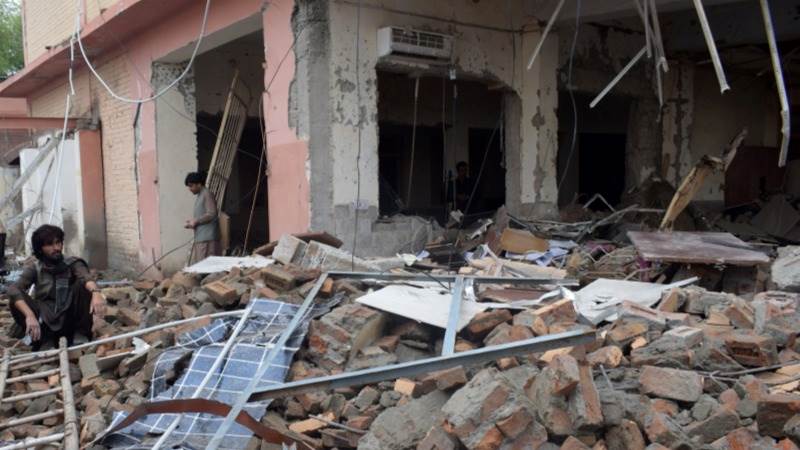
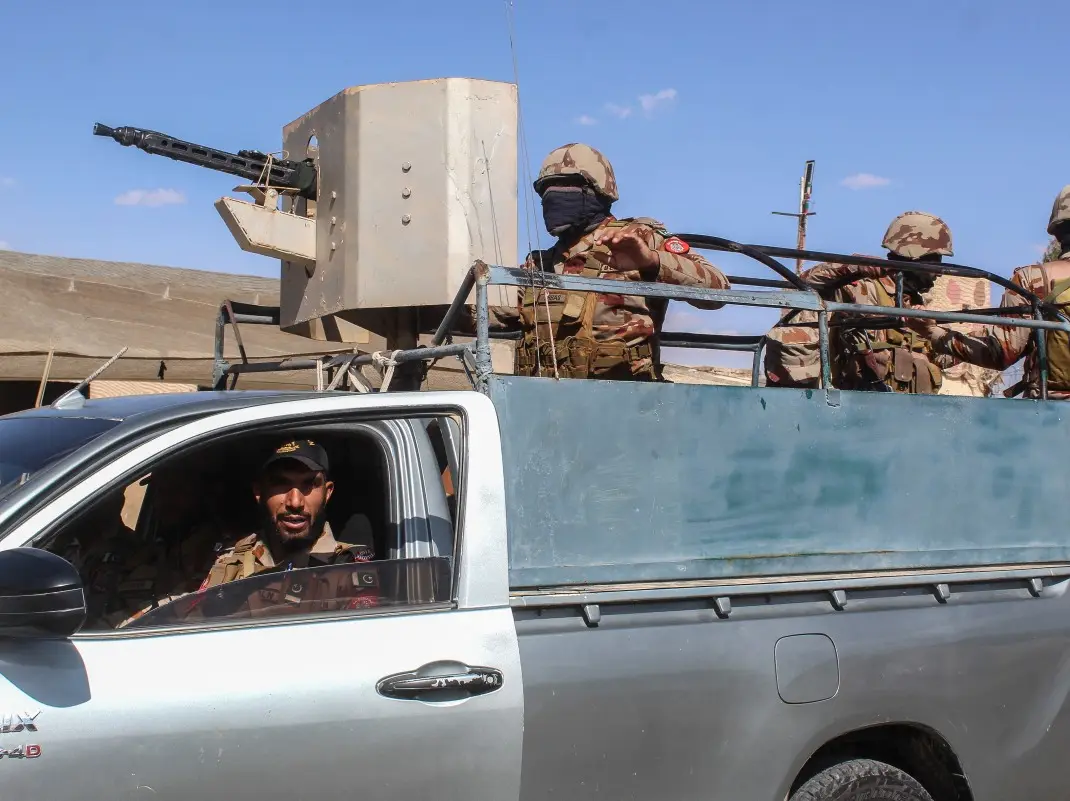
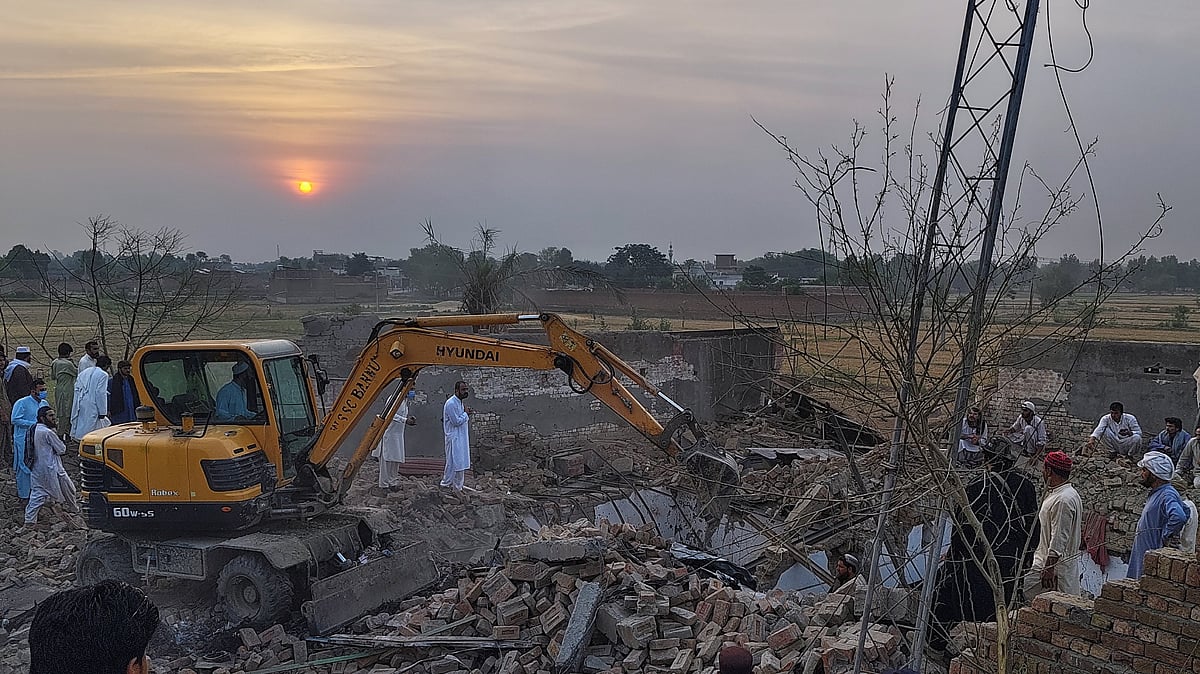
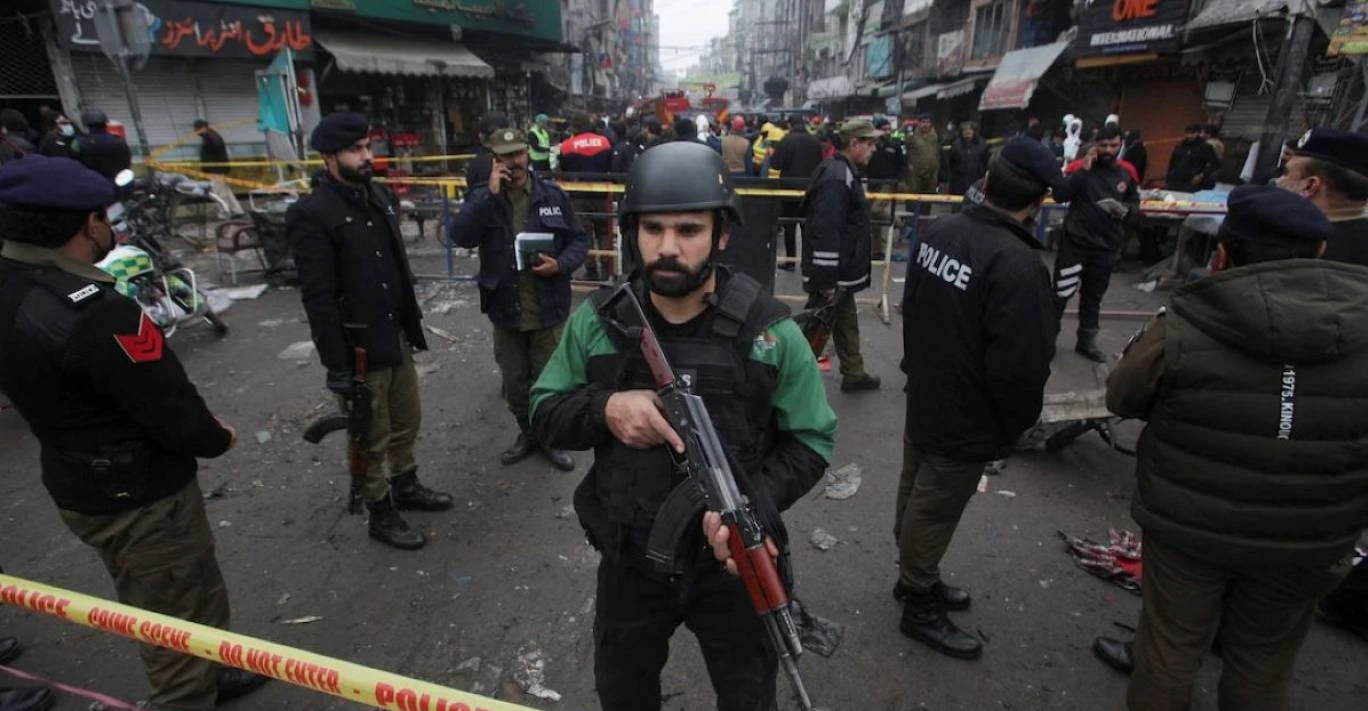
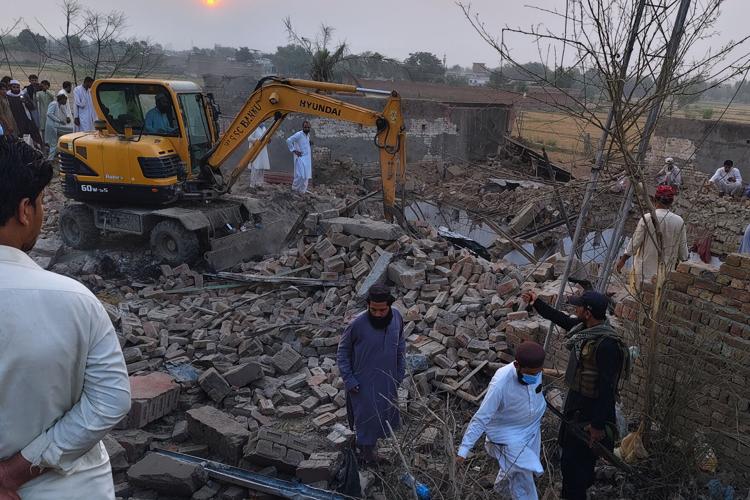
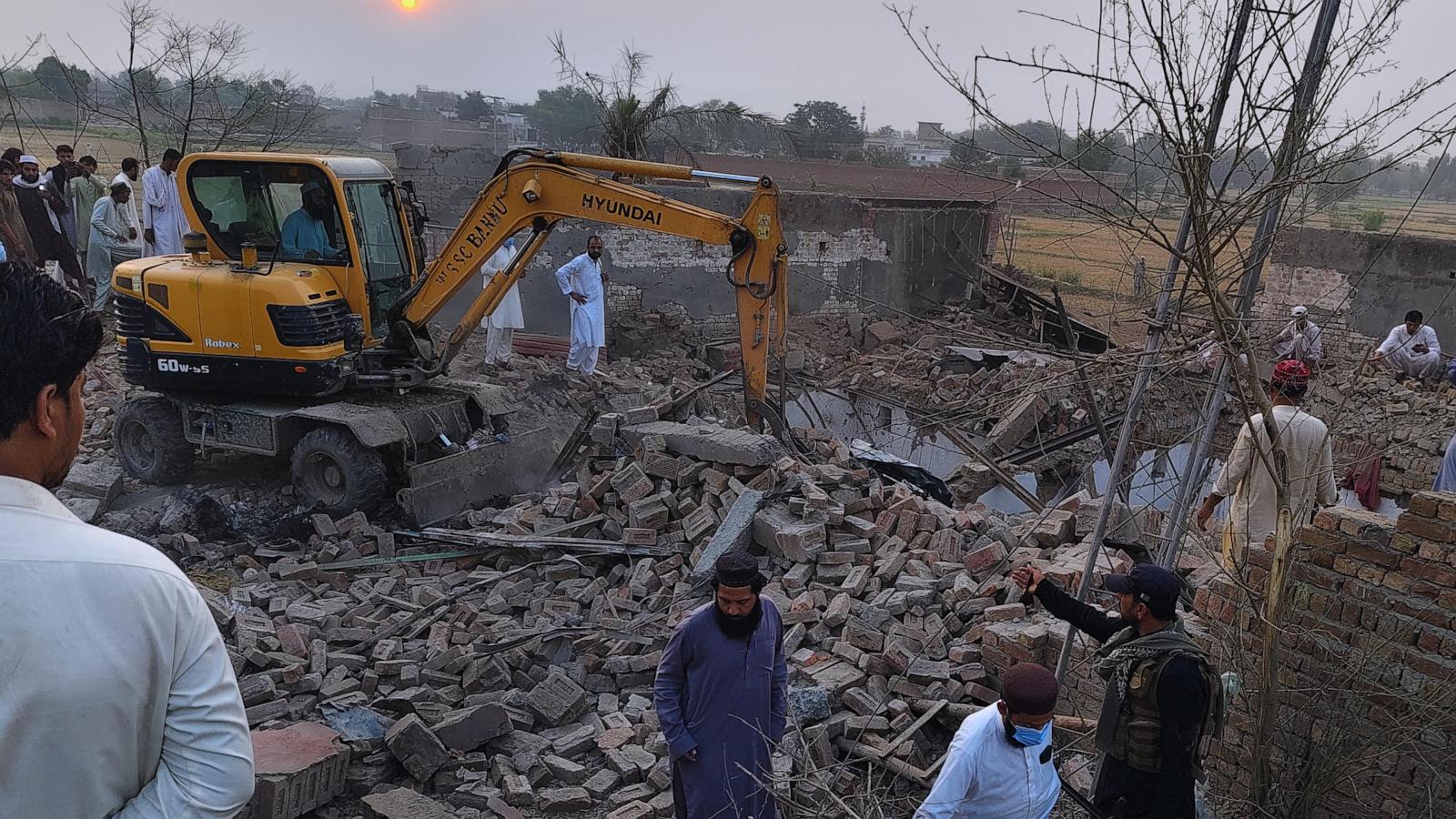
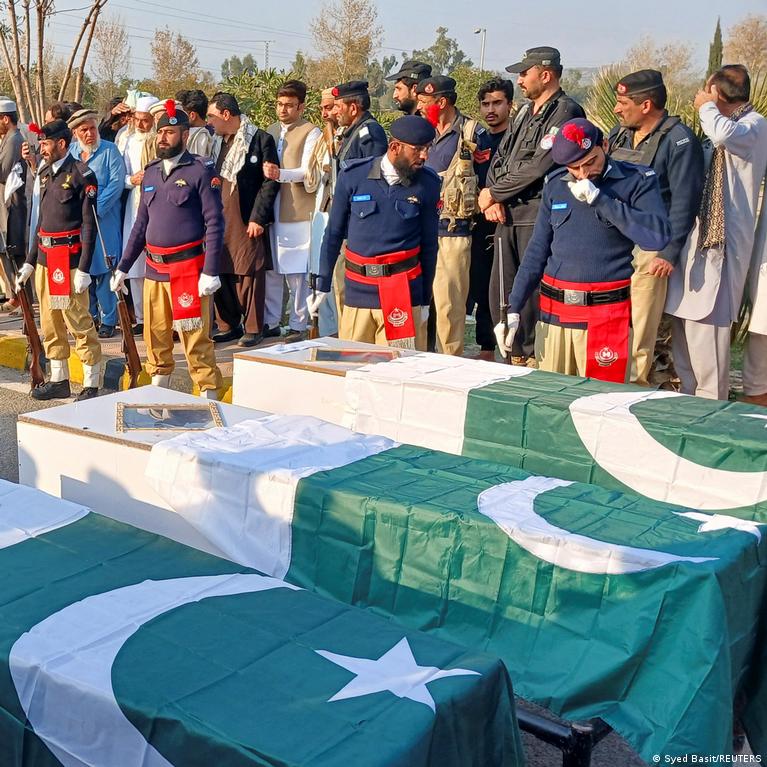
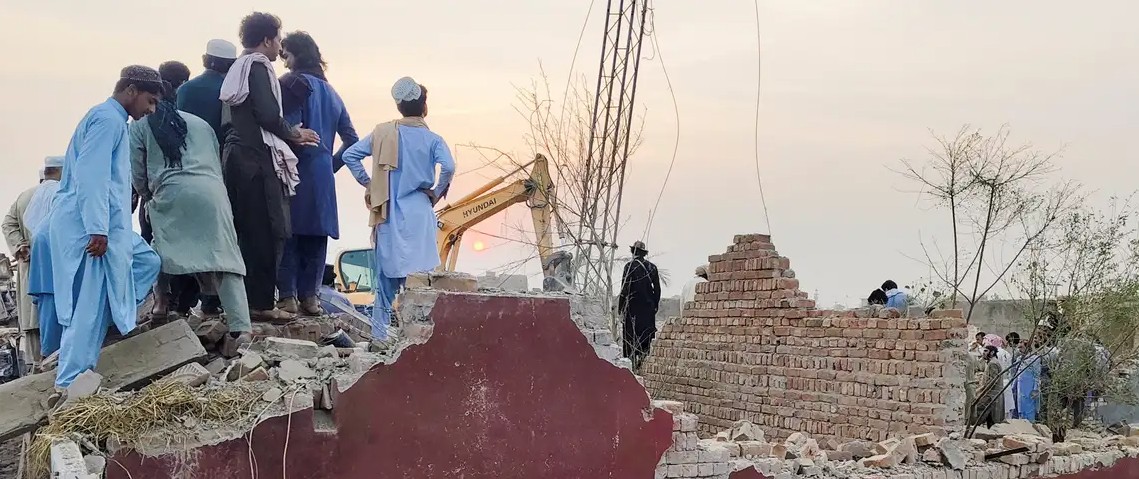
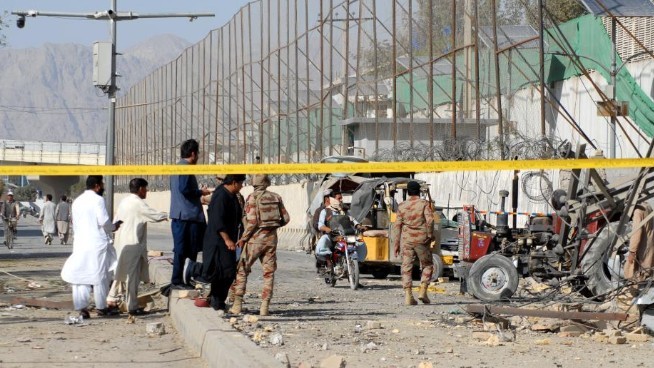
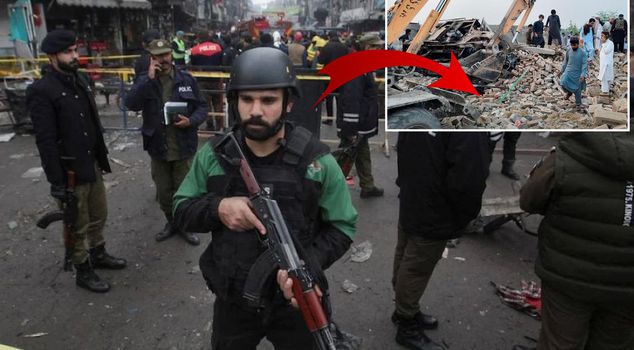
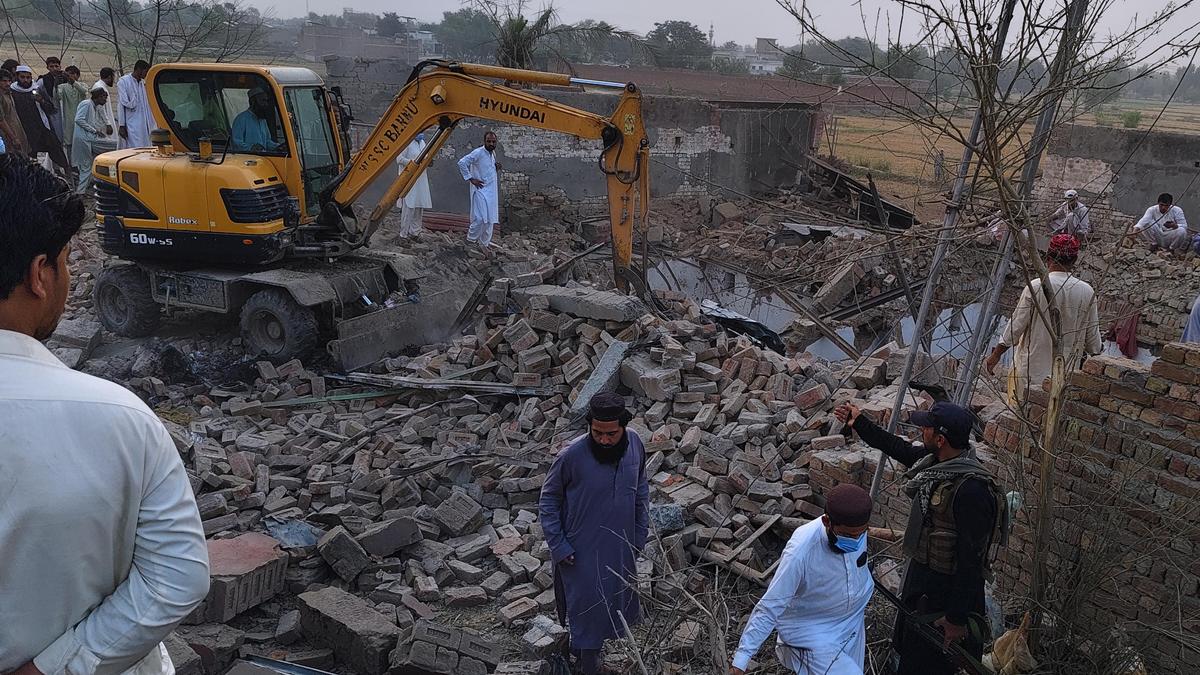
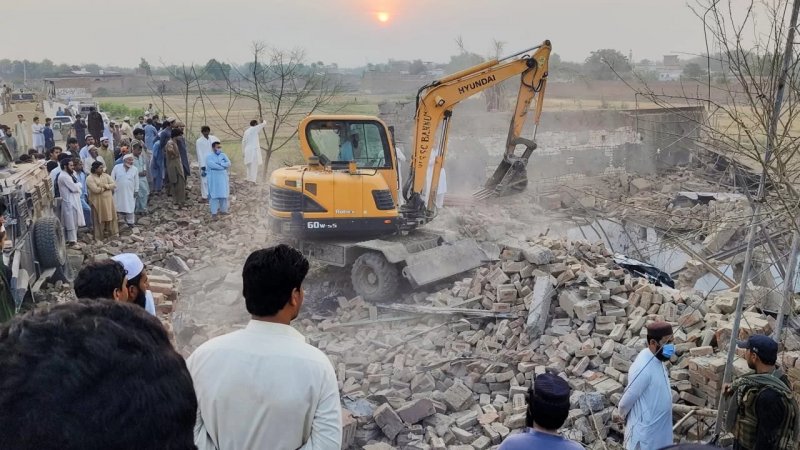
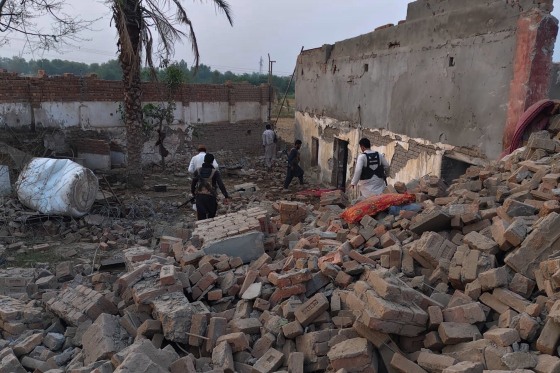
The May 10, 2026 coordinated militant attacks in Bannu, Khyber Pakhtunkhwa province—resulting in 15-21 police casualties across multiple incidents—represent a critical escalation in Pakistan's security crisis with direct implications for cross-border e-commerce logistics networks. The attacks involved suicide bombers, vehicle-borne explosives, armed ambushes, and drone deployment, indicating sophisticated militant coordination by Ittehad-ul-Mujahideen Pakistan (a Pakistan Taliban splinter group). This marks an intensification of violence that has killed hundreds since February 2026 amid deteriorating Pakistan-Afghanistan relations, with Pakistani authorities accusing the Taliban-controlled Afghan government of harboring militant groups conducting cross-border operations.
For cross-border sellers, this security escalation creates three critical operational risks: First, logistics disruption in the Pakistan-Afghanistan border region affects sellers using Karachi and Peshawar as transshipment hubs for Central Asian markets. Repeated attacks on security infrastructure suggest increased customs processing delays (potentially 5-10 additional days) and higher insurance costs for shipments through affected corridors. Sellers shipping electronics, textiles, and machinery to Afghanistan, Tajikistan, and Uzbekistan face route diversification costs of 8-15% as 3PL providers reroute through longer, costlier corridors via Iran or maritime routes. Second, payment and banking disruptions may emerge if militant activity spreads to financial centers; Pakistan's banking sector already faces scrutiny, and security incidents near Peshawar (a major commercial hub) could trigger temporary payment processing delays affecting sellers with Pakistani suppliers or payment partners. Third, supplier reliability concerns intensify for sellers sourcing from Pakistan's manufacturing regions (textiles in Punjab, electronics in Sindh). While Bannu attacks target security forces rather than commercial infrastructure, the broader security environment discourages international suppliers from visiting Pakistan, potentially delaying quality inspections and new product development cycles by 2-4 weeks.
Strategic implications for seller segments: Small sellers (1-50 SKUs) relying on Pakistani suppliers for apparel, home goods, or accessories should diversify sourcing to India, Bangladesh, or Vietnam within 60 days to mitigate supply chain risk. Mid-market sellers (51-500 SKUs) using Pakistan-based 3PLs should audit alternative fulfillment partners in Dubai, Istanbul, or Singapore and negotiate contingency clauses in logistics contracts. Large sellers (500+ SKUs) with established Pakistan operations should increase safety stock by 15-20% for critical SKUs and establish backup supplier relationships in adjacent regions. The Chinese-mediated peace talks mentioned in news reports offer limited reassurance given sporadic clashes continuing at lower intensity—suggesting volatility will persist through Q3 2026. Sellers should monitor Pakistani customs authority announcements and 3PL provider alerts weekly, as security incidents can trigger sudden route closures affecting delivery timelines to Central Asian and Middle Eastern markets.
Questions 8
What supply chain diversification steps should sellers take immediately?
Sellers should implement a three-phase diversification strategy: Phase 1 (0-30 days) audit current Pakistan supplier and 3PL dependencies, identify critical SKUs, and request contingency plans from logistics partners. Phase 2 (30-60 days) establish backup supplier relationships in India, Bangladesh, or Vietnam for apparel and home goods; negotiate alternative fulfillment agreements with providers in Dubai, Istanbul, or Singapore. Phase 3 (60-90 days) increase safety stock by 15-20% for critical items and implement weekly monitoring of Pakistani customs and security alerts. Prioritize diversification for sellers with >30% sourcing concentration in Pakistan.
How might Pakistan security incidents impact payment processing for sellers?
While the May 2026 attacks targeted security forces rather than financial infrastructure, escalating violence near Peshawar (a major commercial hub) could trigger temporary payment processing delays if militant activity spreads to banking centers. Sellers with Pakistani payment partners or suppliers should establish backup payment methods through international processors (Stripe, PayPal, Wise) and maintain 30-day cash reserves. Monitor Pakistani banking sector announcements and consider shifting supplier payments to international accounts in Dubai or Singapore to reduce exposure to local banking disruptions.