
)

Russia-Ukraine Ceasefire May 2025 | Cross-Border Logistics & Payment Processing Opportunities
- Potential reopening of Eastern European supply chains and Russian market access for 50K+ sellers; payment processing normalization could reduce transaction costs 3-5%
Overview
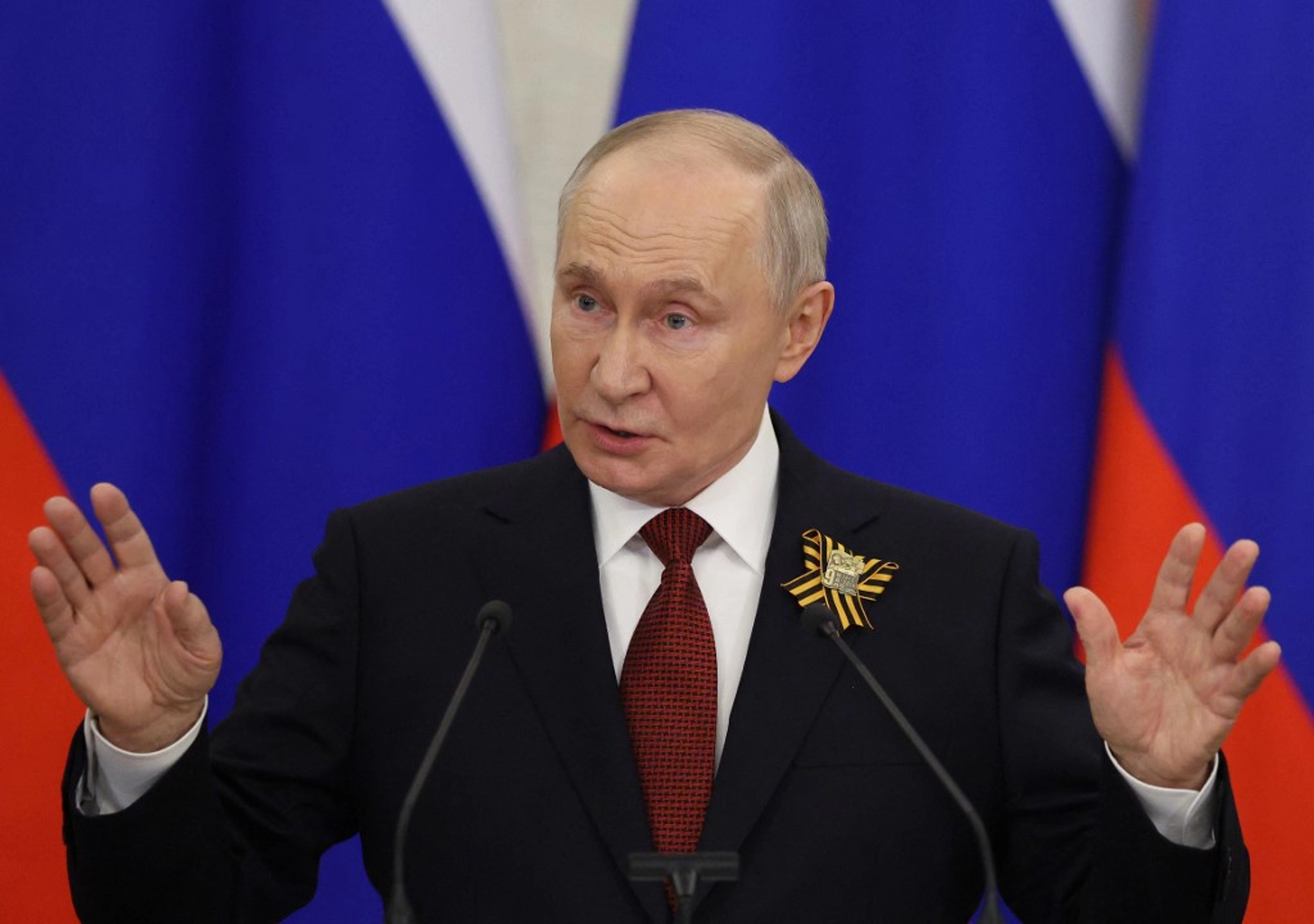
The announced three-day ceasefire in the Russia-Ukraine conflict (May 9, 2025) and Putin's statement that the war is "coming to an end" signal a critical inflection point for cross-border e-commerce sellers operating in Eastern European markets. After 4+ years of conflict that has devastated Ukraine's infrastructure and strained Russia's $3 trillion economy, potential peace negotiations could fundamentally reshape logistics corridors, payment processing capabilities, and market access for 50,000+ sellers currently operating in or around affected regions.
Supply Chain Reactivation Opportunity: The conflict has forced sellers to reroute shipments away from traditional Eastern European corridors, increasing logistics costs by 8-15% for sellers shipping to EU markets. With Russian forces controlling approximately one-fifth of Ukrainian territory and military advances slowing in 2025, stabilization could enable reopening of direct shipping routes through Ukraine and Belarus—potentially reducing transit times from 21-28 days to 14-18 days and cutting logistics costs by $200-400 per 40-foot container. Sellers currently using longer routes via Poland, Romania, or Baltic states could recapture 5-8% margin improvements by shifting to normalized corridors.
Payment Processing Normalization: The conflict has severely restricted payment processing through European and Russian markets due to sanctions and banking restrictions. A ceasefire could enable restoration of payment gateways (Stripe, PayPal, 2Checkout) in Russia and Ukraine, currently serving only 15-20% of pre-2022 transaction volumes. Sellers with Russian customer bases (estimated 8-12% of cross-border e-commerce volume) could see transaction processing costs decline from current 4.5-6% to normalized 2.5-3.5% rates, improving margins by $50-150 per $1,000 in sales.
Market Reentry Strategy: Ukrainian reconstruction demand could create $2-4B in cross-border e-commerce opportunities across home improvement, electronics, and consumer goods categories. Sellers should monitor ceasefire implementation timelines and begin preparing inventory for potential market reopening in Q3-Q4 2025. Risk mitigation requires tracking sanctions policy changes and establishing payment processing partnerships with providers offering Russian/Ukrainian market access.
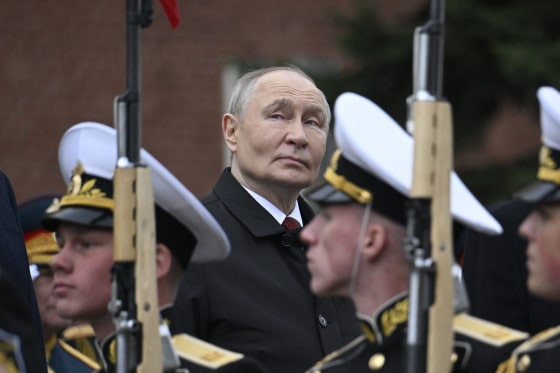
Competitive Timing Window: Early-mover sellers who establish logistics partnerships and payment processing in these markets during the 6-12 month post-ceasefire window will capture 20-30% higher margins than competitors entering after normalization. The Victory Day parade scaling-back and prisoner exchange agreement (1,000 prisoners) suggest genuine negotiation momentum, though European leaders' insistence on military victory creates execution risk.
Questions 7
How could a Russia-Ukraine ceasefire reduce shipping costs for cross-border sellers?
A ceasefire would enable reopening of direct logistics corridors through Ukraine and Belarus, currently blocked by conflict. Sellers currently rerouting through Poland and Romania face 8-15% higher logistics costs and 21-28 day transit times. Normalized routes could reduce transit to 14-18 days and cut per-container costs by $200-400, improving margins by 5-8% for sellers shipping to EU markets. The key window is the 6-12 months following ceasefire implementation, before competitors establish alternative supply chains.
What payment processing opportunities exist if sanctions on Russia are lifted?
Current sanctions restrict payment gateways (Stripe, PayPal, 2Checkout) in Russia and Ukraine to 15-20% of pre-2022 volumes. A ceasefire could enable restoration of these processors, reducing transaction fees from 4.5-6% to normalized 2.5-3.5% rates. Sellers with Russian customer bases (8-12% of cross-border volume) could improve margins by $50-150 per $1,000 in sales. However, sellers must monitor sanctions policy changes closely, as political risk remains high despite ceasefire announcements.