

Samsung's TriFold Revolution Signals Radical Smartphone Design Transformation
- Foldable Technology Disrupts Mobile Market with Unprecedented Consumer Enthusiasm














Overview
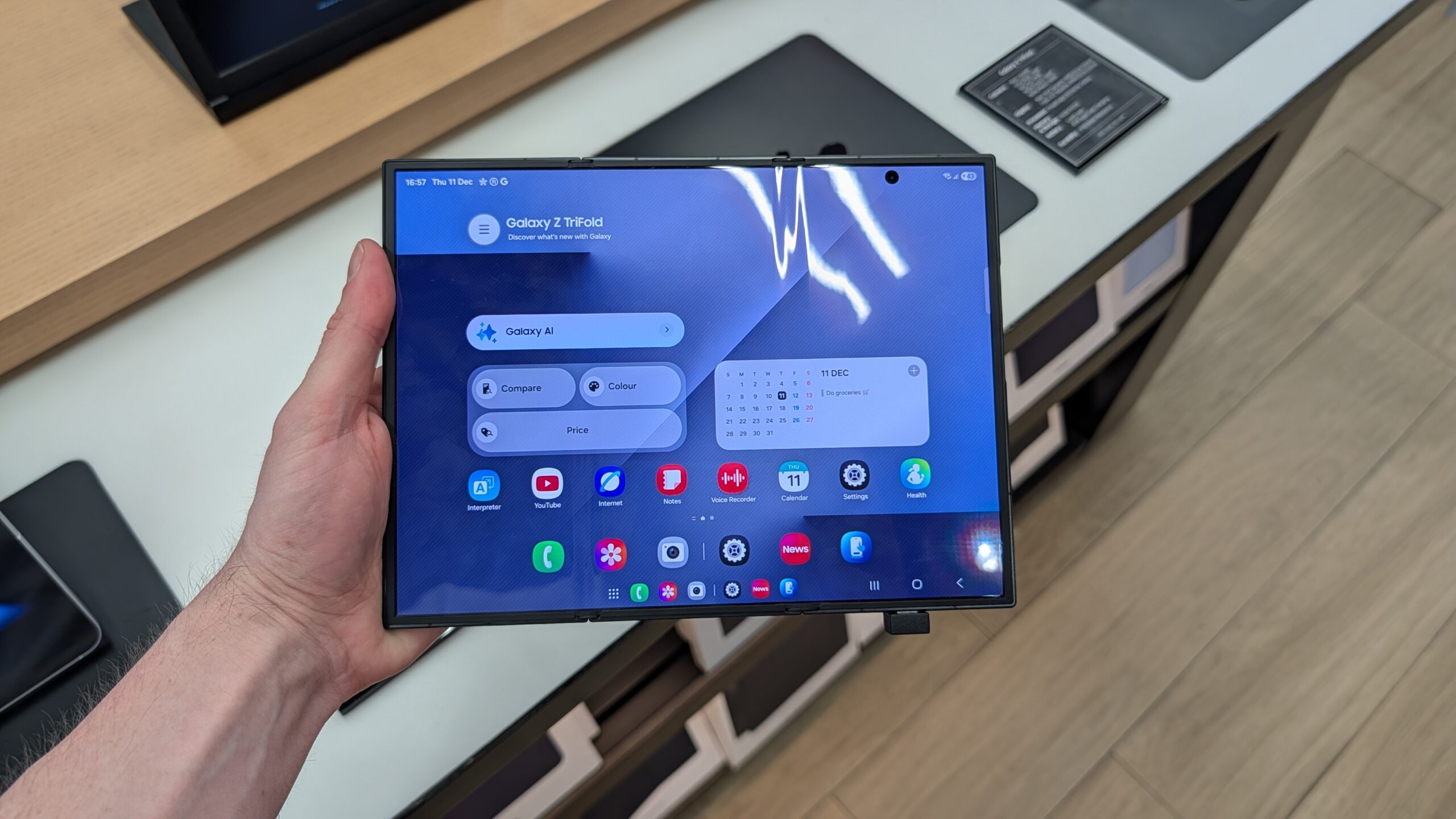
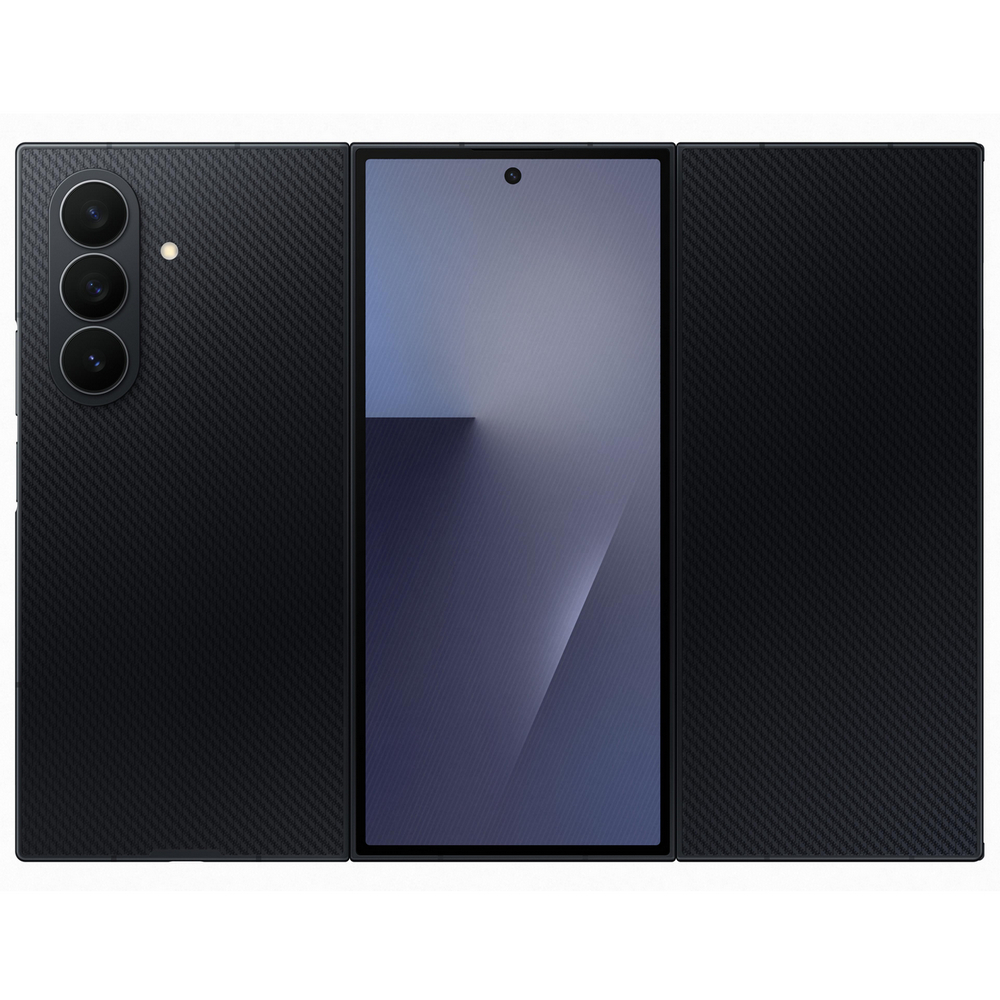
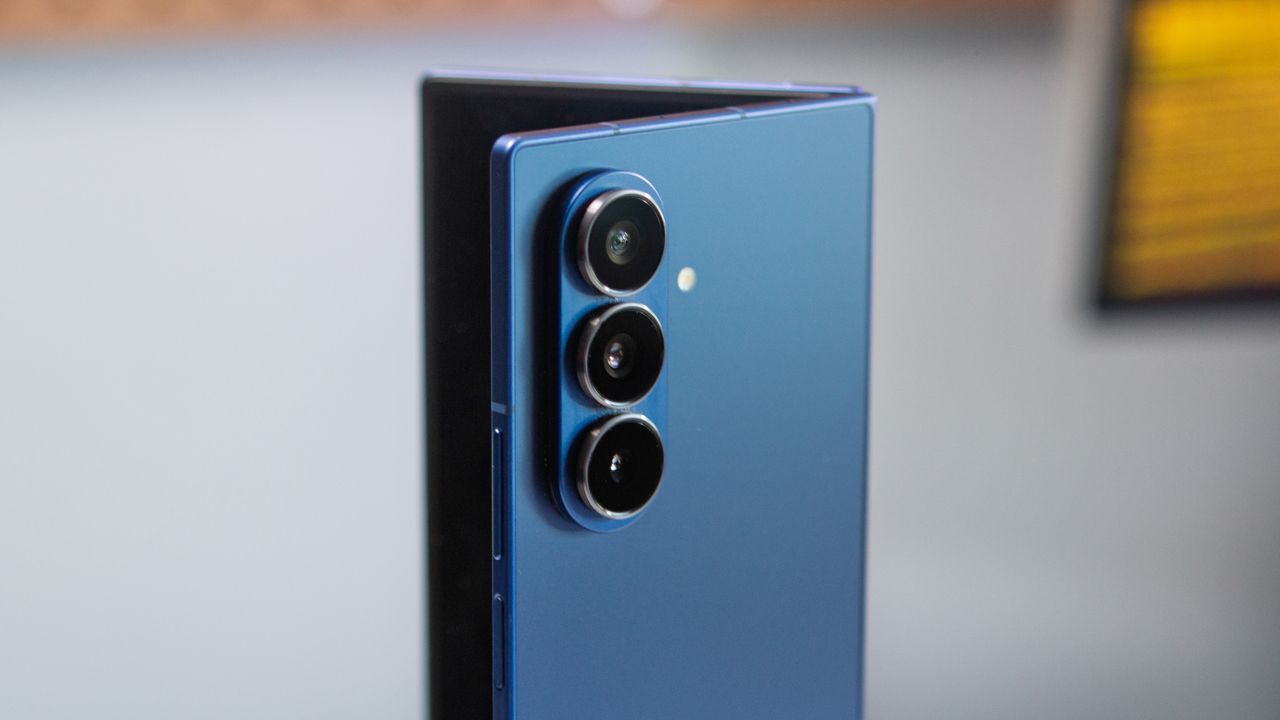
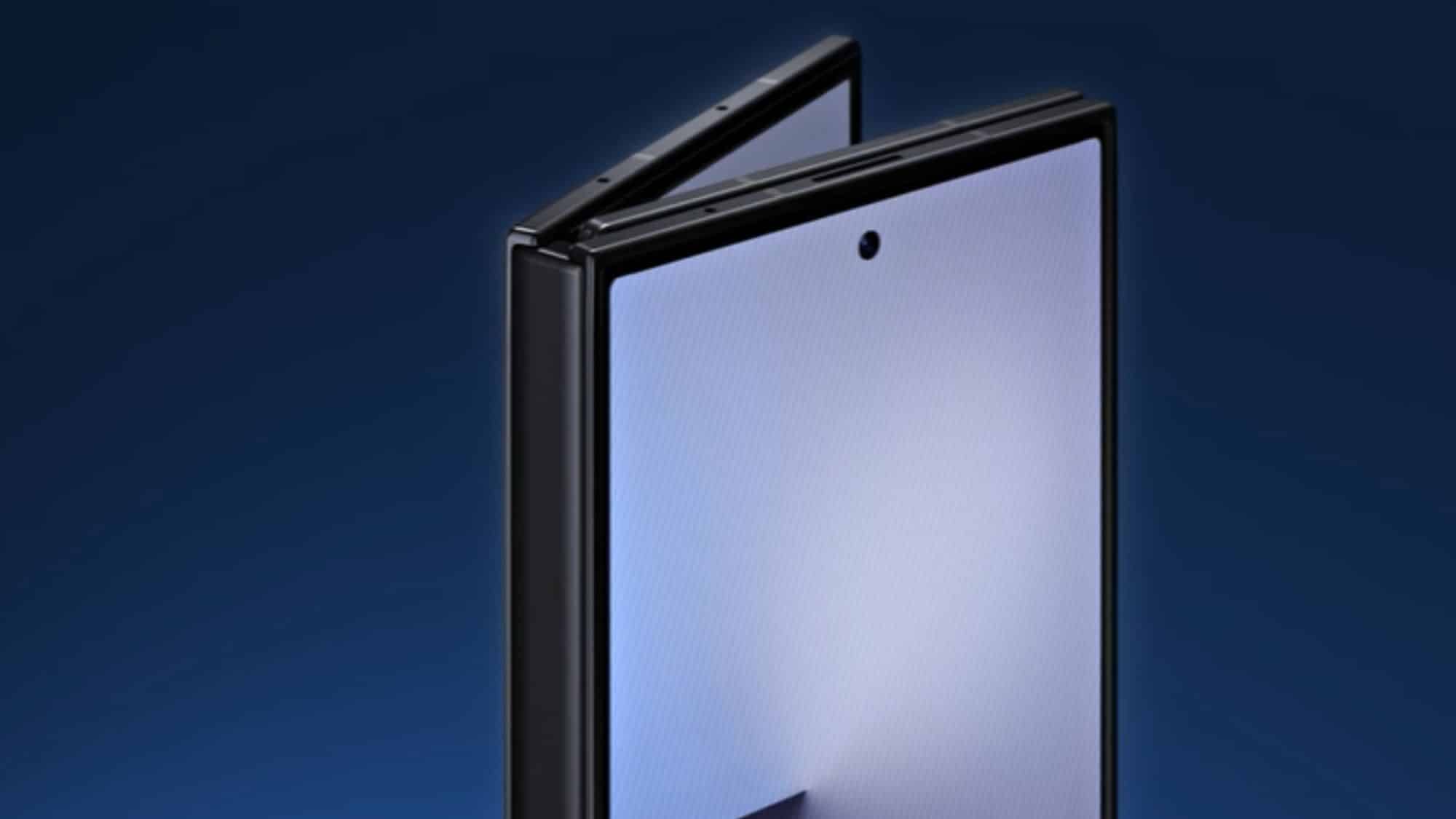
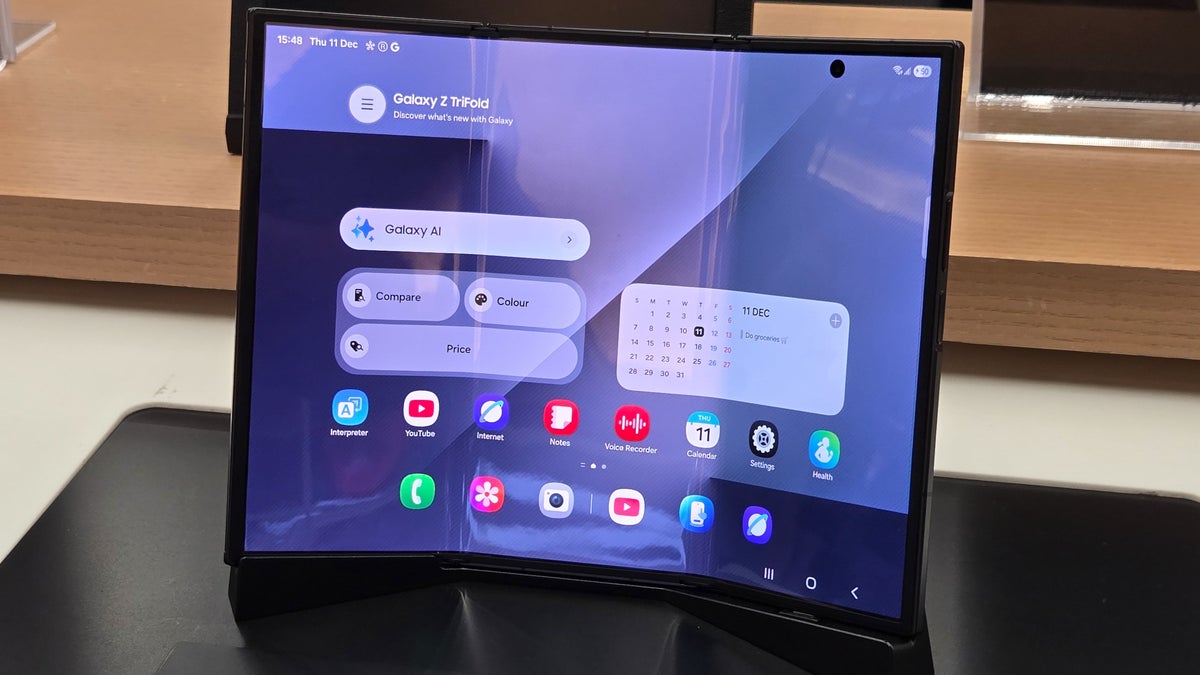
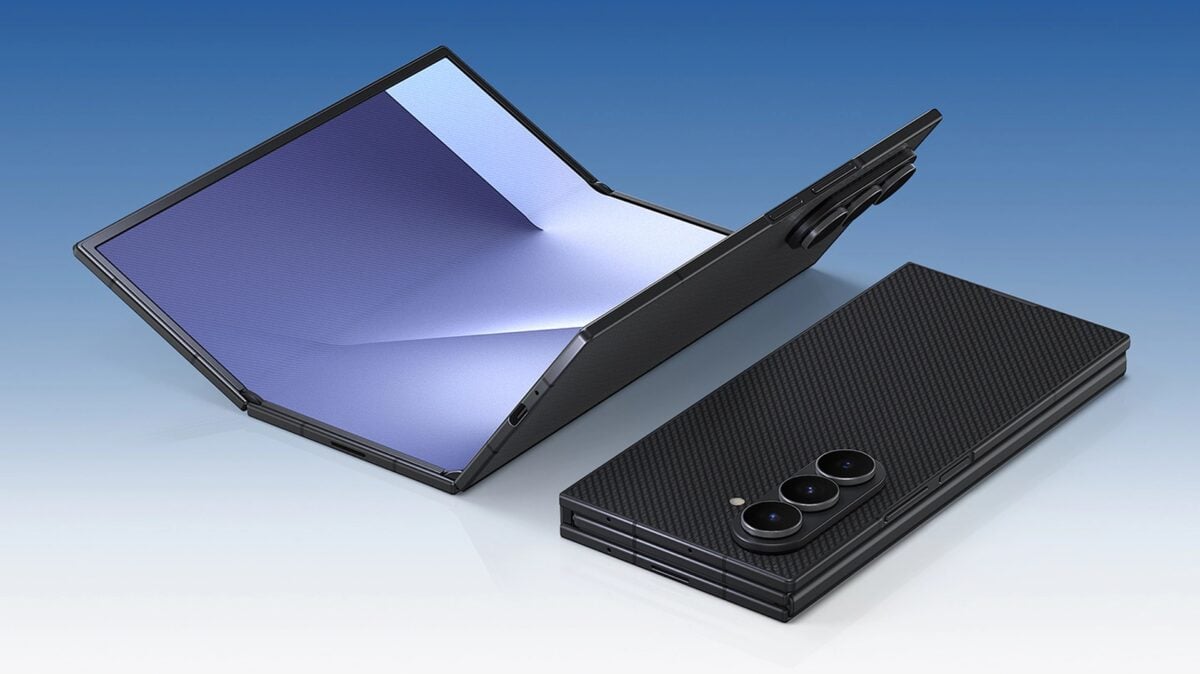
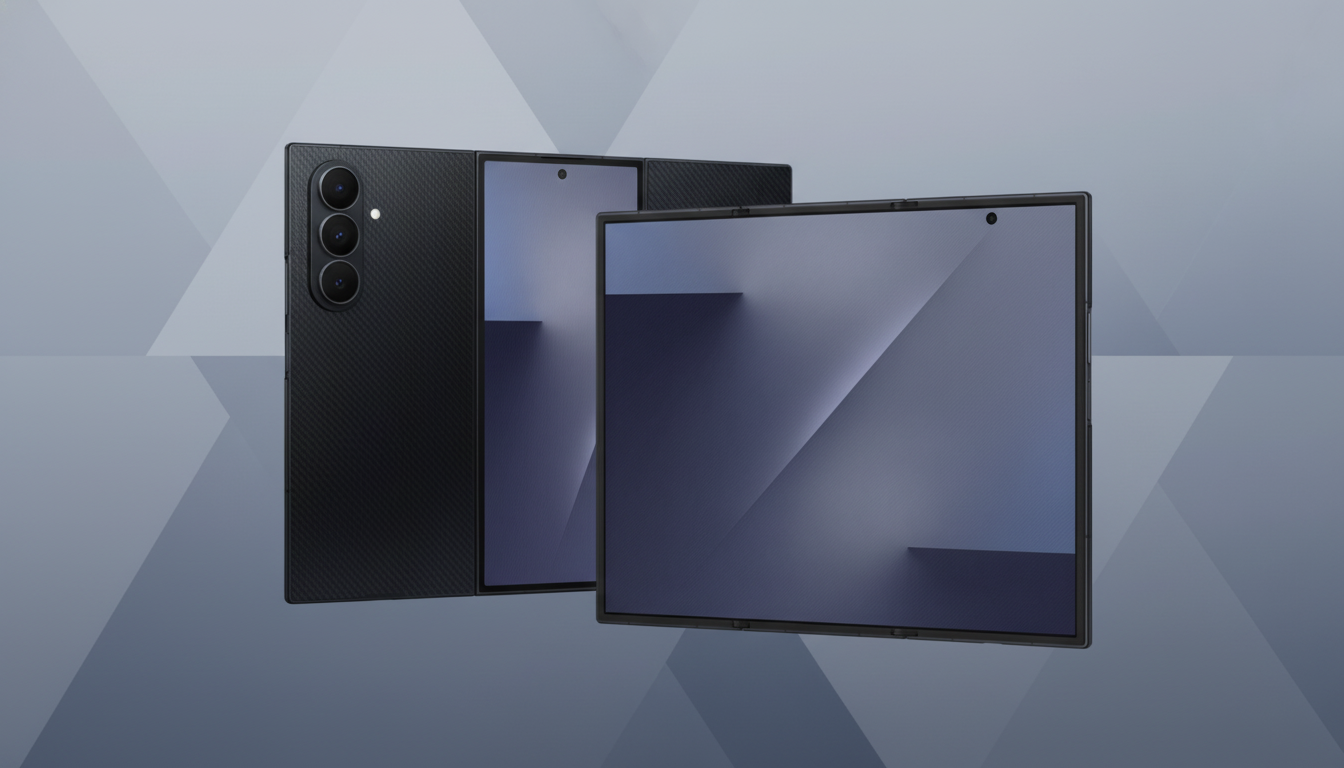
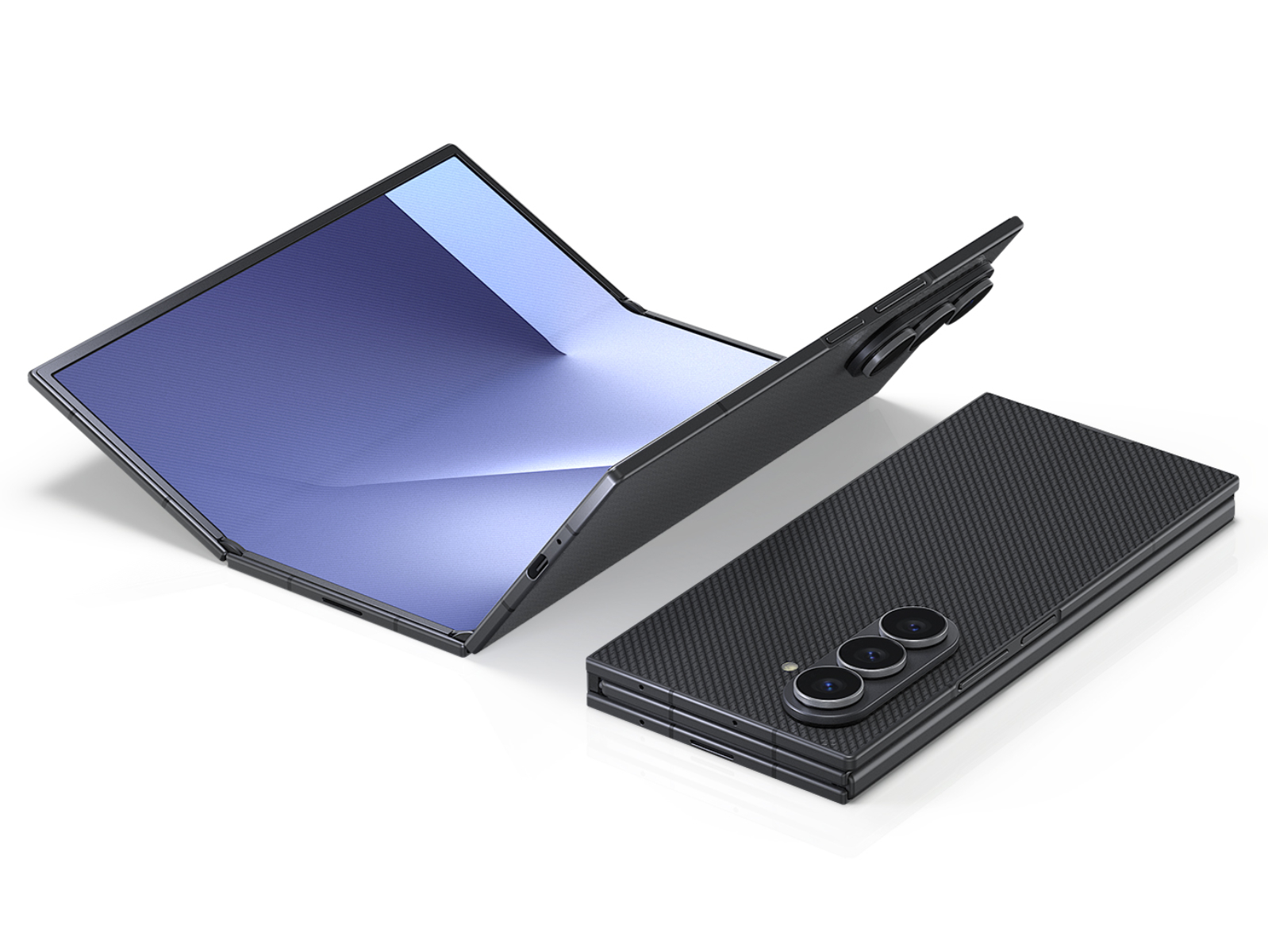
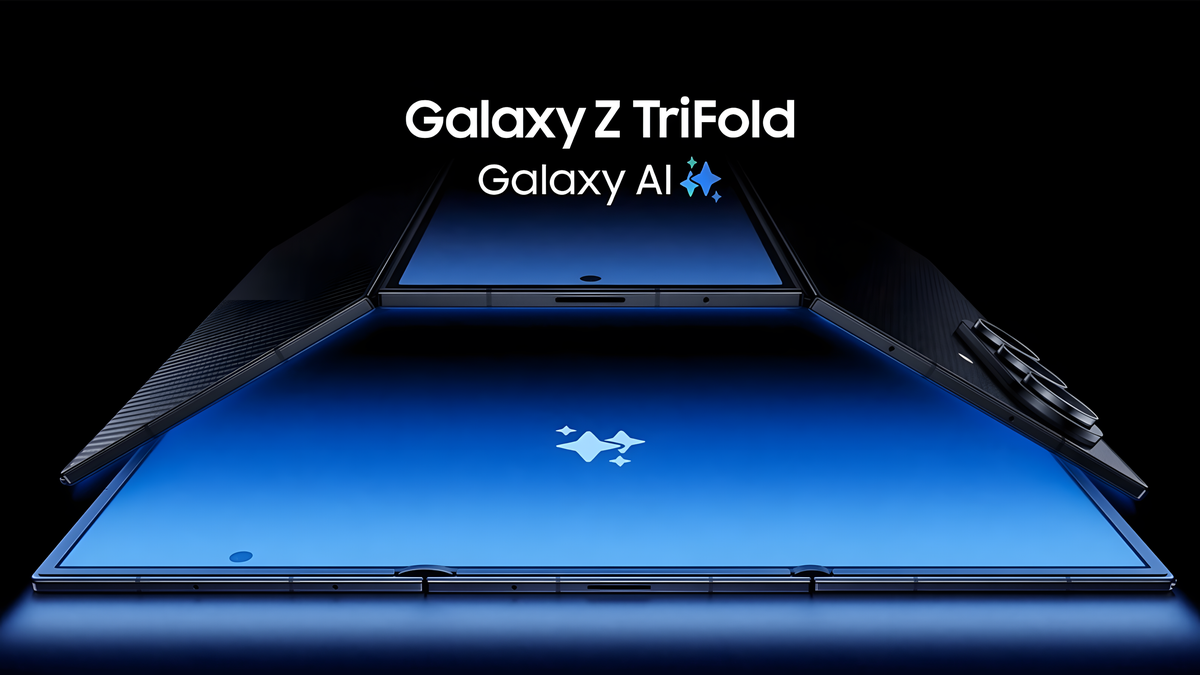
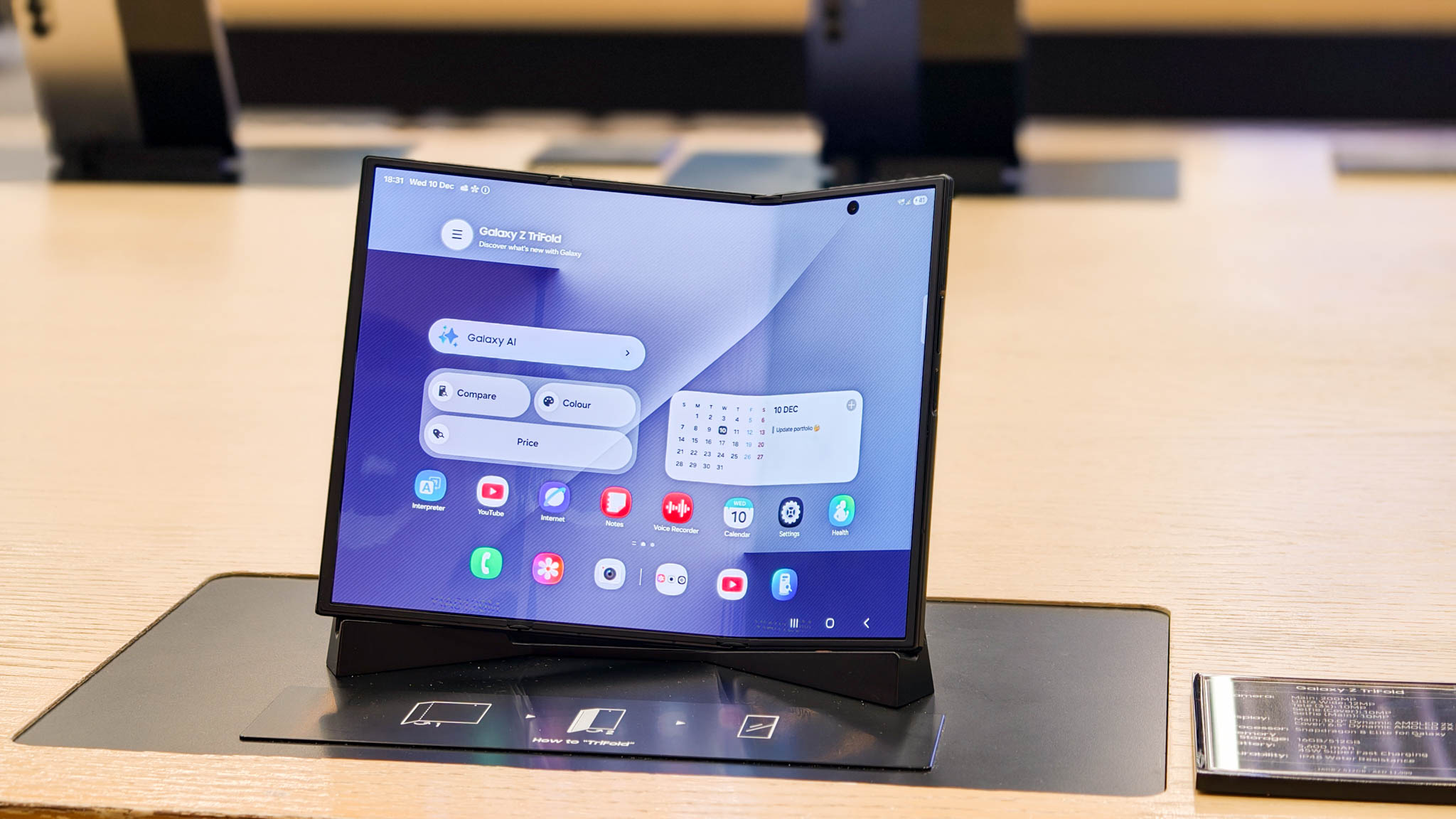
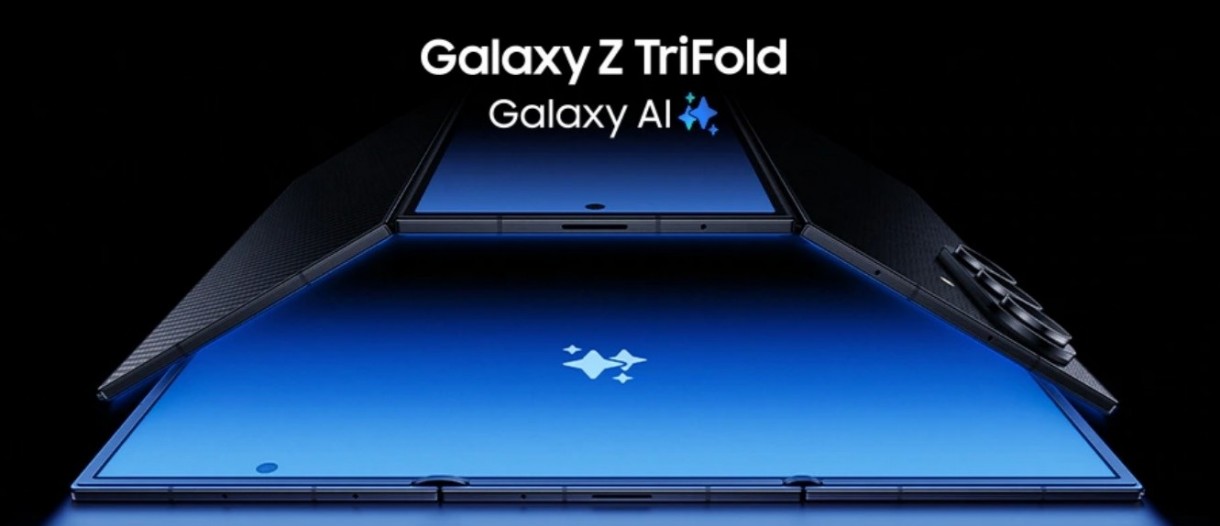
Samsung's Galaxy Z TriFold represents a pivotal moment in smartphone innovation, demonstrating how radical design can redefine consumer technology expectations. The device's launch in South Korea reveals a profound shift in mobile device perception, where complexity transforms into desirability.
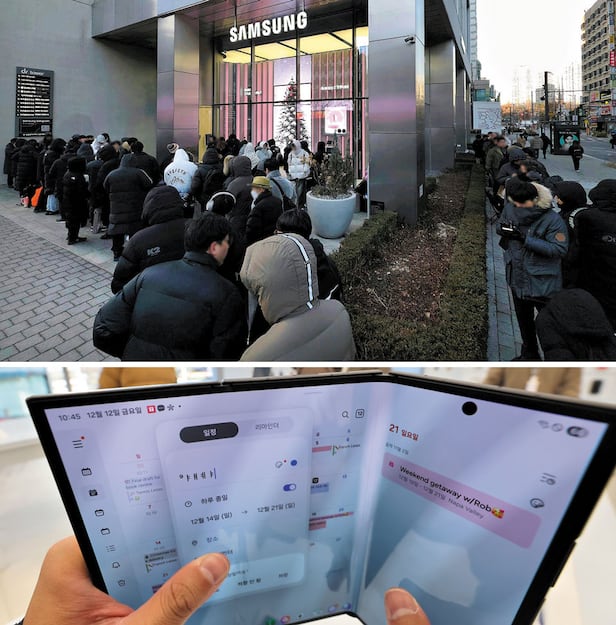
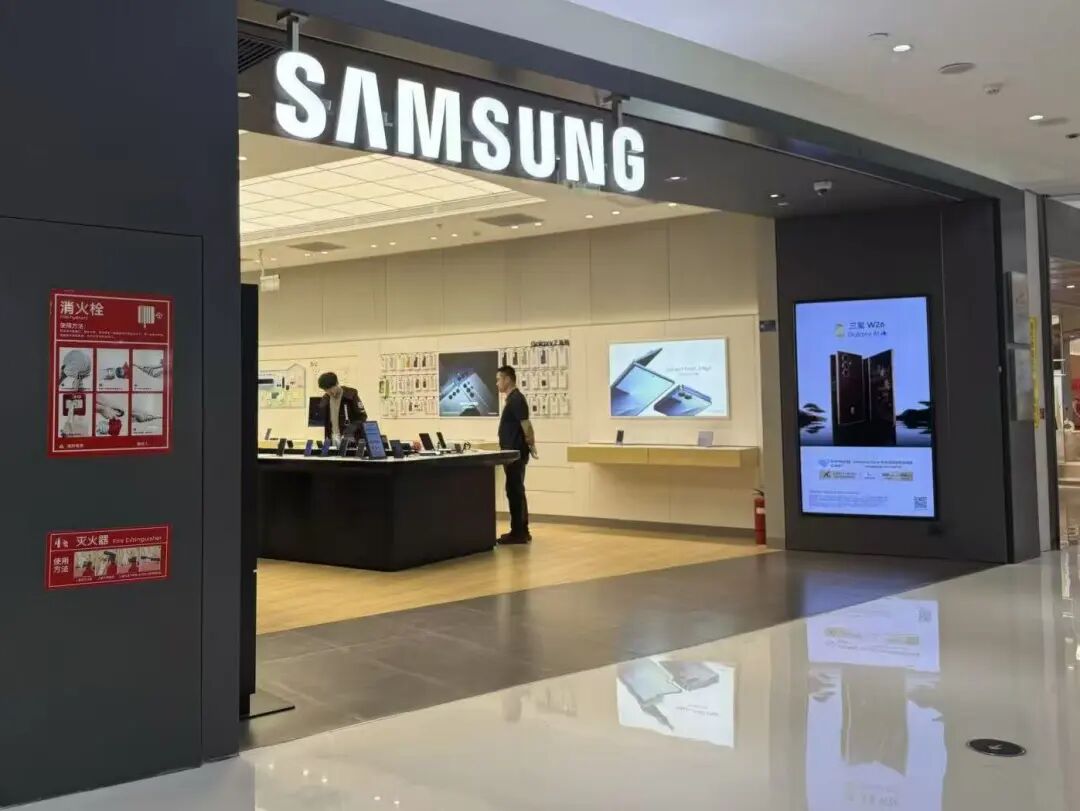
Unprecedented Market Demand Signals Technological Maturity: With consumers waiting up to 24 hours and initial inventory selling out within minutes, the TriFold proves that advanced form factors are no longer niche curiosities but mainstream aspirations. Priced at approximately $2,430, the device's rapid sell-out across 20 retail locations suggests that consumers are willing to invest significantly in transformative technological experiences. Unlike early foldable attempts, this third-generation device feels refined, addressing previous durability and usability concerns.
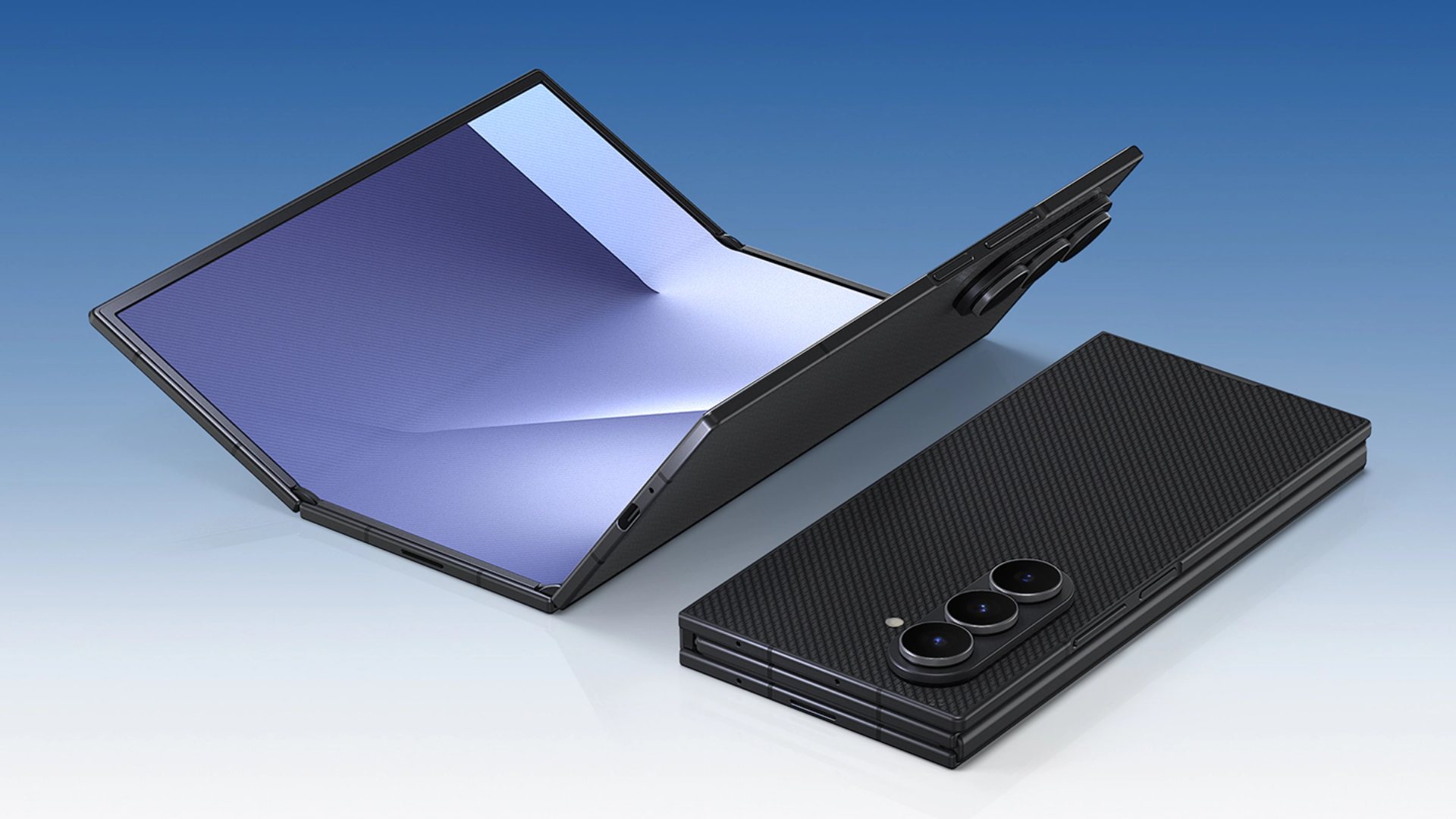
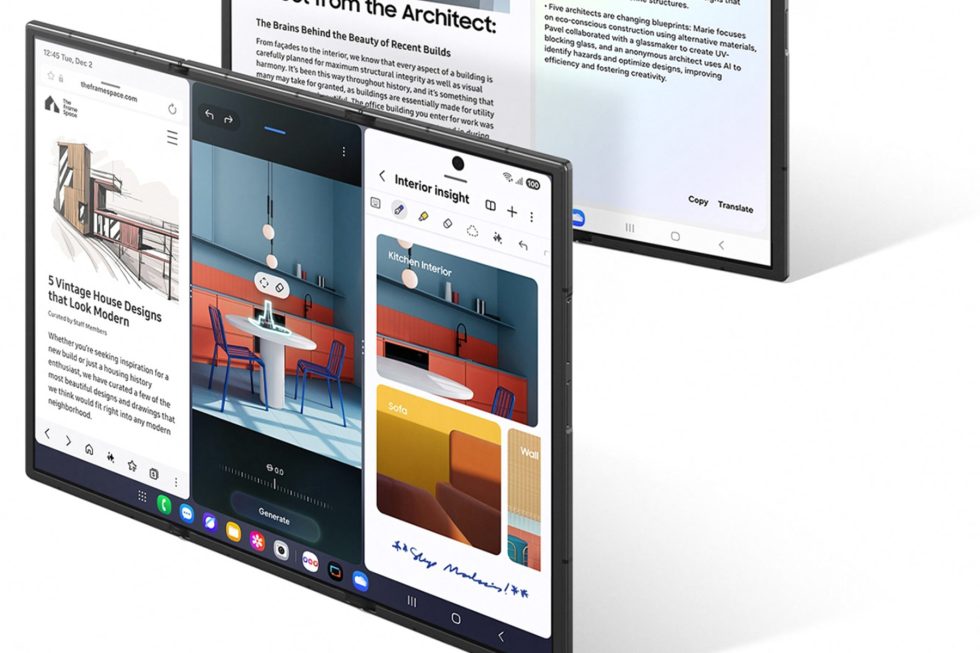
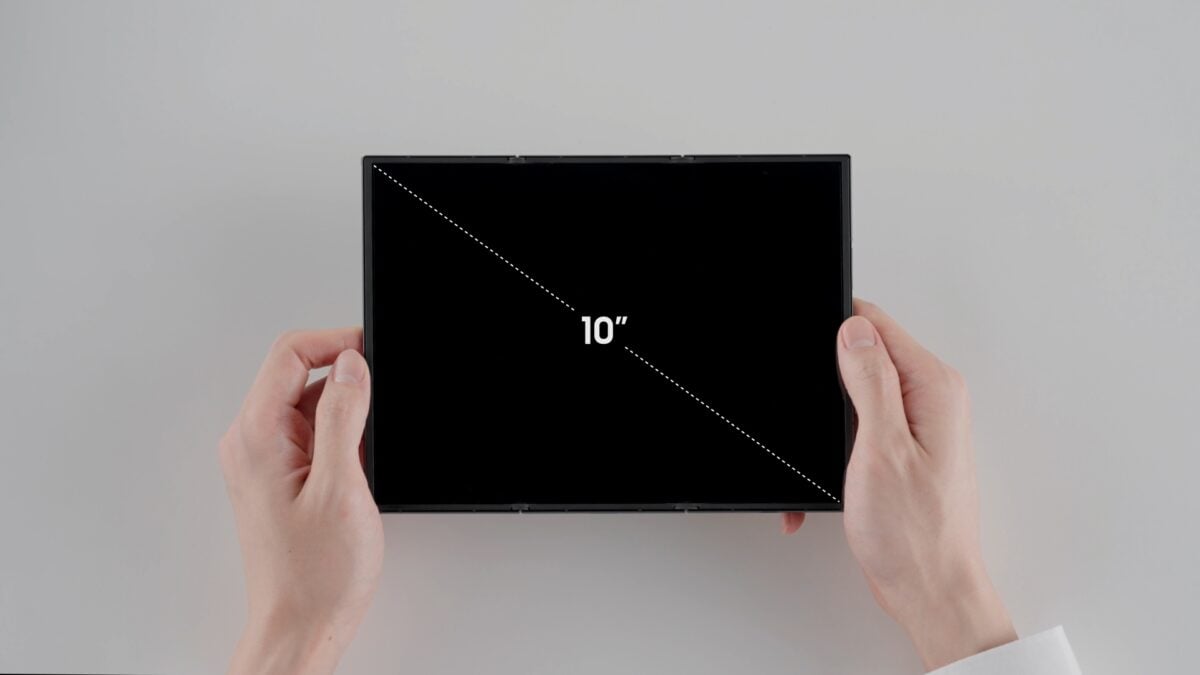
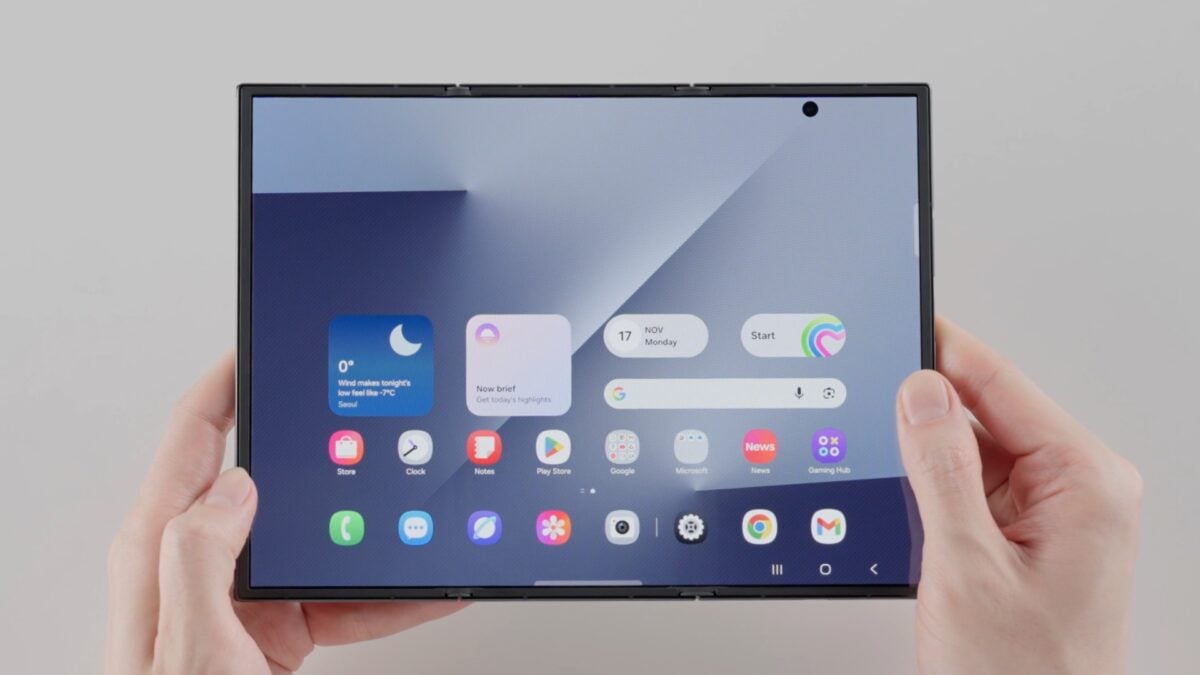
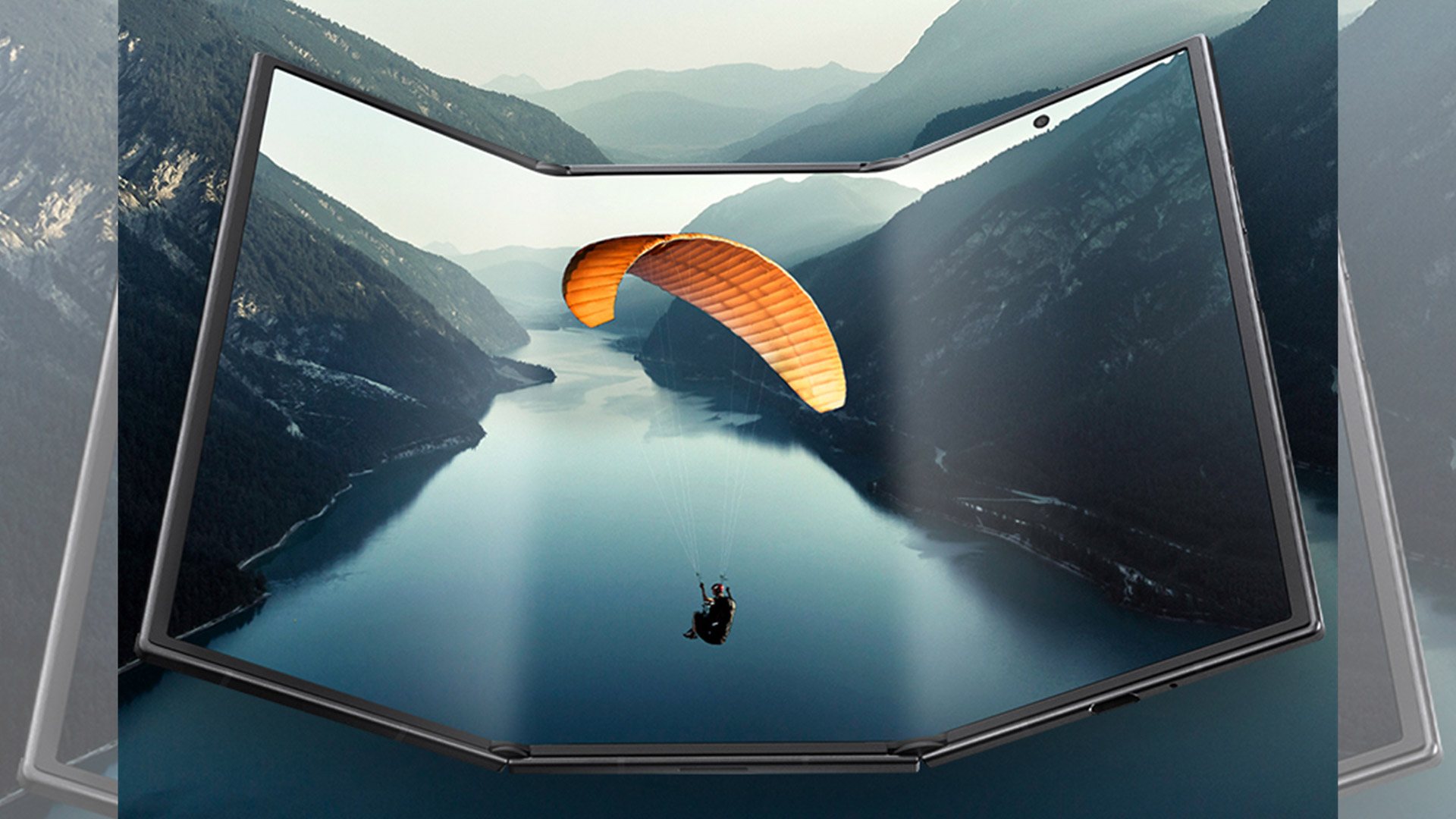
Strategic Global Rollout as Competitive Differentiation: Samsung's carefully phased international strategy—launching first in South Korea with plans for a U.S. market entry in early 2026—demonstrates sophisticated market positioning. By controlling the initial rollout, Samsung can gather critical user feedback, optimize manufacturing, and build anticipation. The 10-inch display when fully unfolded represents more than a technical specification; it's a statement about reimagining mobile computing's physical boundaries.
The TriFold's success highlights a critical trend: consumers are no longer satisfied with incremental smartphone improvements. They crave devices that fundamentally reimagine interaction, productivity, and personal technology. Samsung is not just selling a smartphone; it's selling a vision of mobile computing that breaks traditional form factor limitations.
For technology strategists and investors, this launch signals a profound shift. Foldable technology is transitioning from experimental to essential, with potential ripple effects across design, manufacturing, and user experience paradigms. The market is signaling readiness for devices that challenge conventional thinking—a trend that extends far beyond smartphones.
Questions 3
How does Samsung's launch strategy differ from previous foldable smartphone attempts?
Unlike earlier experimental launches, Samsung is executing a controlled, phased rollout—first in South Korea, then planned for the U.S. in 2026. This approach allows for market feedback, manufacturing optimization, and building consumer anticipation while managing production complexities.
Why is the Samsung Galaxy Z TriFold significant in the smartphone market?
The TriFold represents a breakthrough in smartphone design, offering a 10-inch display when unfolded and demonstrating mature foldable technology. Its rapid sell-out in South Korea indicates growing consumer appetite for innovative form factors that challenge traditional smartphone limitations.