


Strait of Hormuz Blockade Risk | Shipping Cost Surge for Cross-Border Sellers
- Iran nuclear standoff threatens 20% of global oil/gas transit; shipping fuel surcharges could increase 8-15% for sellers within 30-90 days














Overview
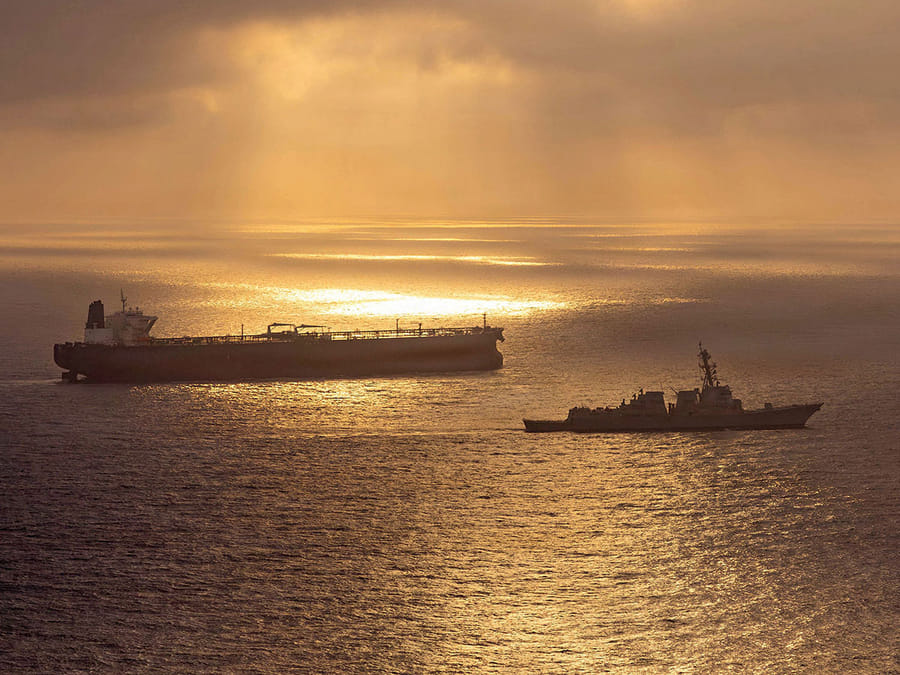
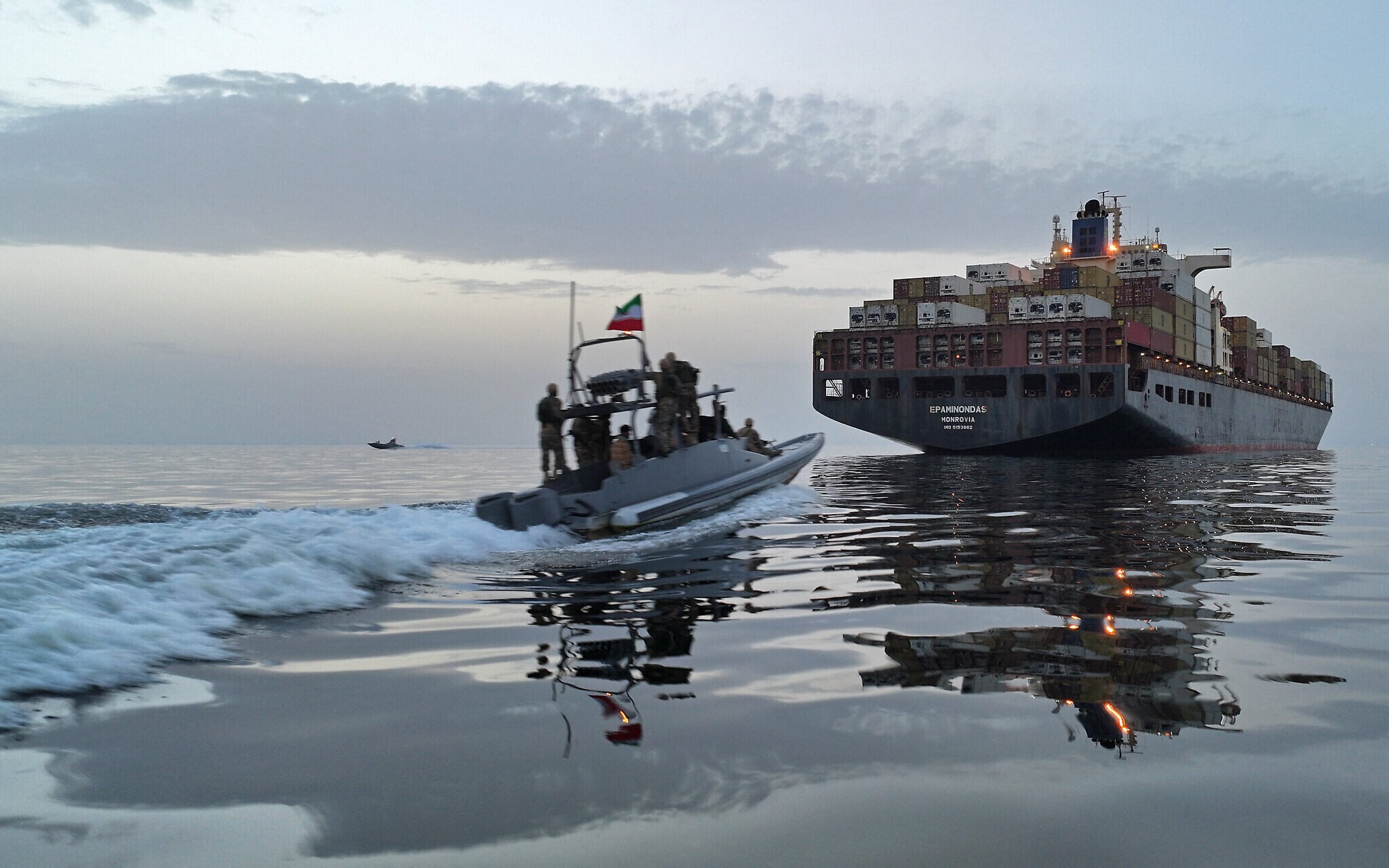
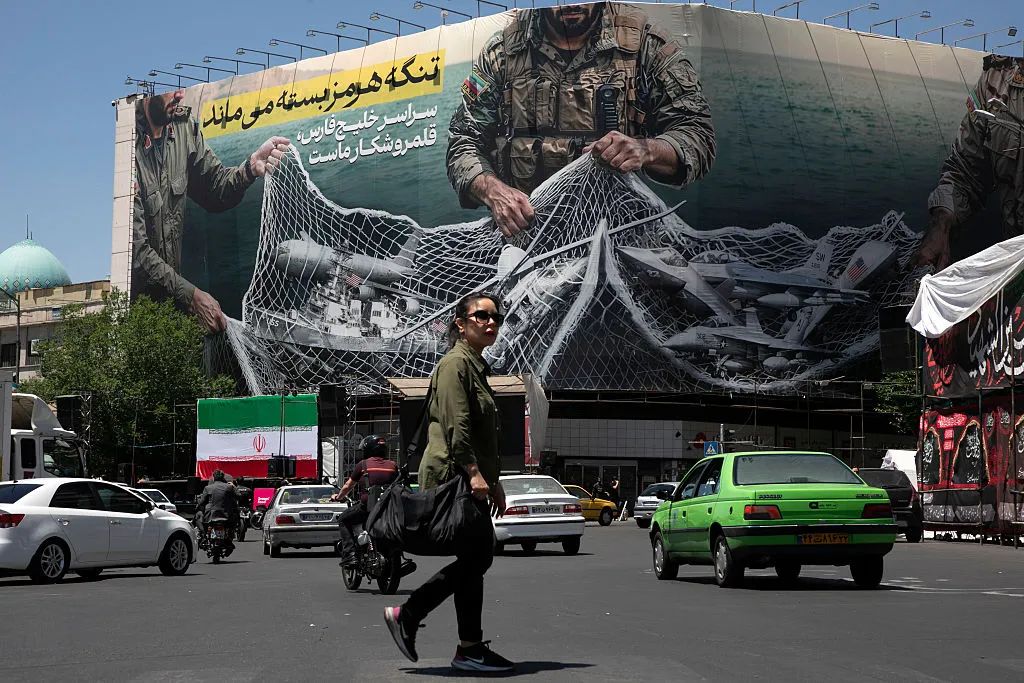
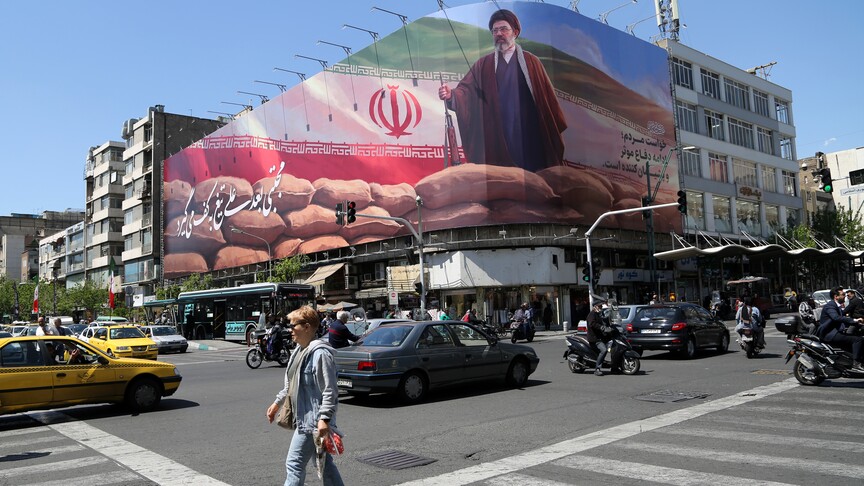
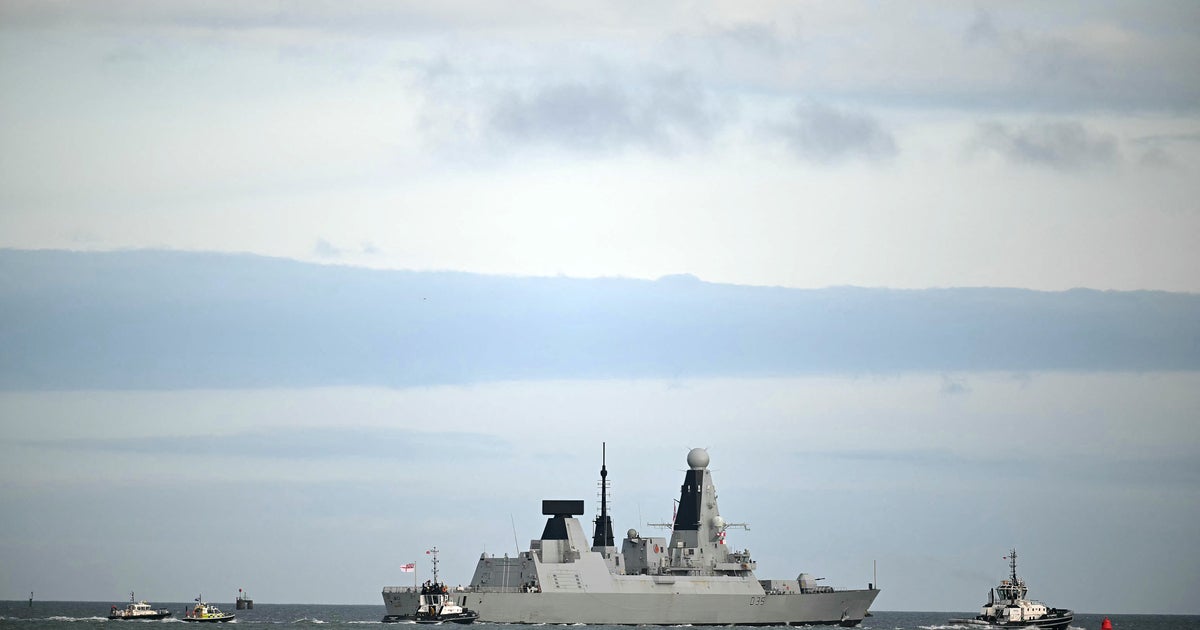
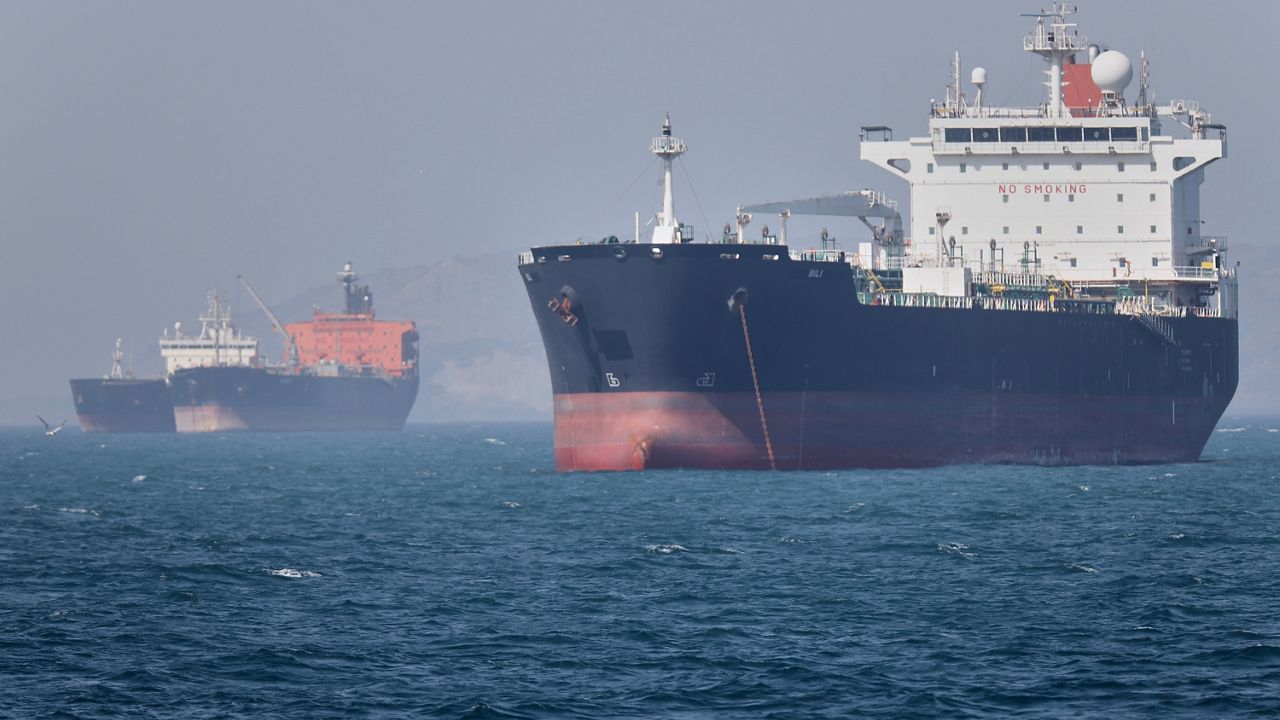
The ongoing Iran-US nuclear negotiations present a critical macroeconomic risk for cross-border e-commerce sellers through potential disruption of the Strait of Hormuz, a chokepoint through which one-fifth of global crude oil and liquefied natural gas transits daily. The U.S. proposal requires Iran to freeze uranium enrichment for 12 years and reopen the Strait within 30 days in exchange for sanctions relief, but Iran's delayed response—requiring approval from Supreme Leader Mojtaba Khamenei and multiple power centers—creates extended uncertainty. This geopolitical tension directly impacts seller profitability through three mechanisms: fuel surcharges on international shipping (typically 3-8% of base rates), increased logistics costs for 3PL providers and fulfillment networks, and supply chain delays affecting inventory replenishment timelines.
For Amazon FBA sellers shipping internationally, fuel surcharges represent the most immediate cost pressure. Sellers moving 1,000+ units monthly across ocean freight corridors (US-EU, US-Asia, China-US) face potential monthly cost increases of $200-800 depending on shipment volume and destination. Shopify and independent sellers relying on DHL, FedEx, and UPS experience similar pressures, with international express shipping rates potentially rising 10-12% if energy prices spike. The 30-day Strait reopening timeline mentioned in the proposal creates a critical decision window: sellers should lock in shipping rates immediately if negotiations progress, as spot rates typically increase 5-7% within 48 hours of geopolitical escalation.
Strategic sourcing implications are significant for sellers with China-based suppliers. The Strait of Hormuz blockade would force rerouting through the Suez Canal (adding 10-14 days transit time) or around Africa (adding 20-25 days), compressing inventory turnover rates by 15-20% for time-sensitive categories like electronics, apparel, and seasonal goods. Sellers in high-velocity categories (BSR under 5,000) face the greatest risk, as delayed inventory directly reduces sales velocity and Buy Box eligibility. For sellers in energy-intensive product categories (appliances, electronics, heavy goods), manufacturing cost increases of 4-6% are likely if energy prices remain elevated for 60+ days, directly compressing gross margins by 200-400 basis points.
The three-phase Iranian approach demanding permanent war cessation, UN guarantees, and sanctions lifting suggests negotiations could extend 60-180 days, creating prolonged uncertainty. Sellers should monitor commodity futures (WTI crude, Brent) and shipping indices (Baltic Dry Index, Freightos) as leading indicators of cost pressure, with action triggers at 15% energy price increases. Consider diversifying sourcing to Vietnam, India, and Mexico to reduce Strait-dependent supply chains, and evaluate 3PL providers with non-Asia sourcing capabilities.
Questions 8
How do I calculate the actual impact on my profit margins?
Use this formula: (Current Shipping Cost × Fuel Surcharge %) ÷ Product Selling Price = Margin Compression. Example: $100 product with $20 shipping cost (20% of price) and 10% fuel surcharge = $2 additional cost = 2% margin compression. For sellers with 25% gross margins, a 2% compression reduces net margin to 23%. Multiply by monthly unit volume to calculate total monthly impact. A seller moving 500 units monthly with $20 average shipping cost faces $1,000 additional monthly costs if surcharges increase 10%. Use Amazon Seller Central's Reports > Payments to calculate average shipping costs by category. Most sellers should model scenarios: 5% surcharge (likely), 10% surcharge (moderate risk), 15% surcharge (high risk). Adjust pricing or reduce inventory based on your margin tolerance.
What compliance or regulatory changes should I expect if sanctions escalate?
If Iran negotiations fail and US sanctions escalate, expect new export control restrictions on dual-use products (electronics, semiconductors, machinery) to Iran-connected entities. This primarily affects sellers sourcing from China or Vietnam if supply chains touch Iran-linked suppliers. The U.S. Treasury's OFAC (Office of Foreign Assets Control) maintains a Specially Designated Nationals list; verify your suppliers aren't listed. For most cross-border sellers, the primary risk is indirect: supply chain delays and cost increases rather than direct sanctions compliance. However, sellers should audit their 3PL providers' shipping routes to ensure they don't transit through Iran or use Iran-connected logistics partners. Review your supplier agreements for sanctions compliance clauses. No immediate action required unless you source from Iran or Iran-adjacent regions.