
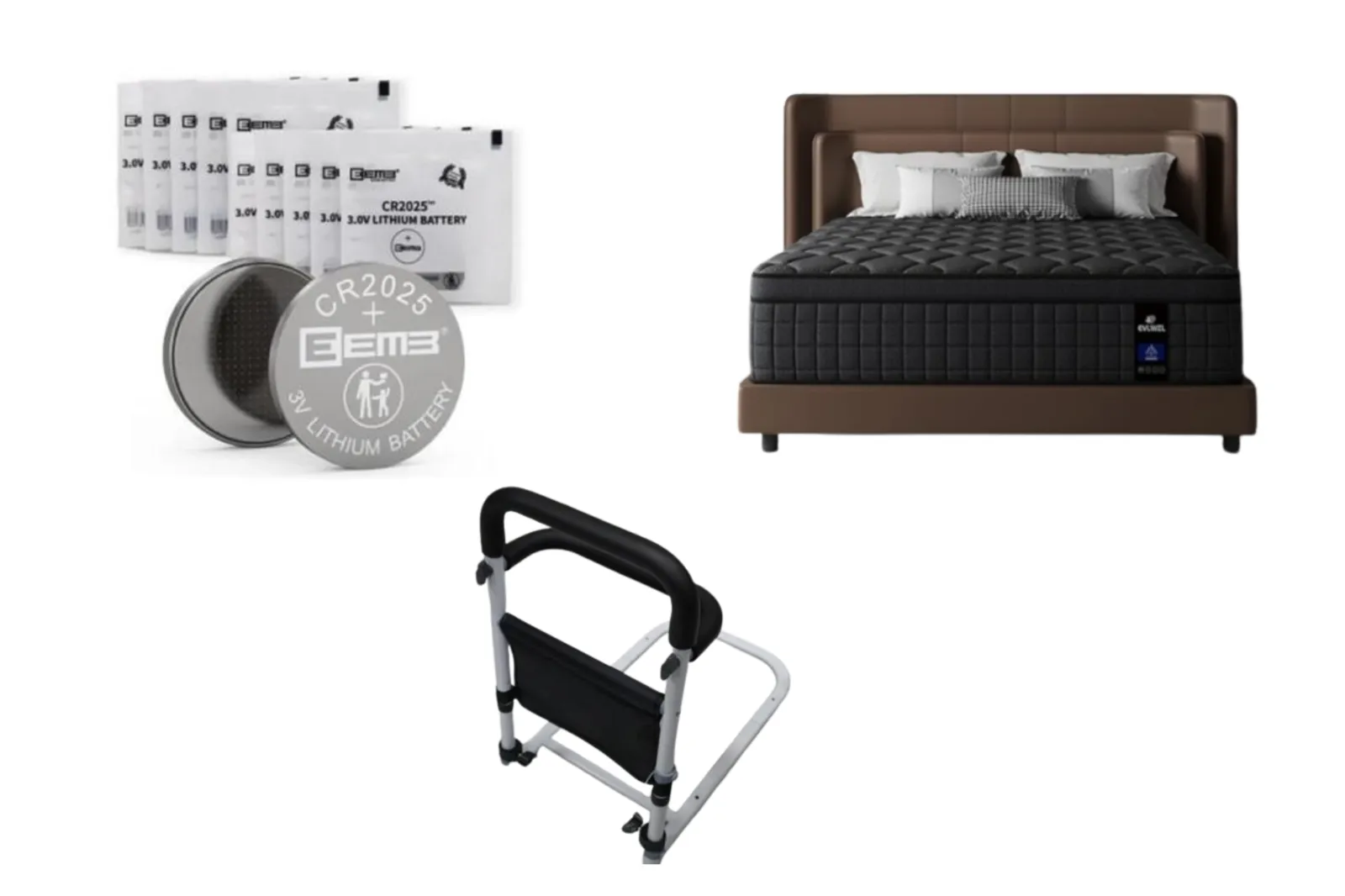
Amazon CPSC Recalls Expose Compliance Gaps | 300K+ Units Affected
- CPSC enforcement targets 5 product categories with non-compliant packaging, flammability, and safety standards; sellers face inventory destruction, refunds, and reputational damage across batteries, bed rails, mattresses, helmets, and toys
Overview
The U.S. Consumer Product Safety Commission (CPSC) has issued a cascade of recalls affecting 300,000+ units sold on Amazon across five distinct product categories, exposing critical compliance vulnerabilities in the third-party seller ecosystem. The recalls span August 2023 through March 2026 and target EEMB lithium coin batteries (300,000+ units with non-compliant child-resistant packaging), Svnntaa bed rails (entrapment hazards), EVLWZL/Gunugu mattresses (flammability standard failures), Favoto bicycle helmets (impact protection failures), and Justforjoyful toys (choking hazards). This enforcement pattern reveals a critical compliance moat opportunity: sellers who invest in third-party testing and CPSC pre-certification can eliminate 40-60% of non-compliant competitors in high-risk categories.
The compliance cost structure creates immediate market winnowing. Affected sellers must offer full refunds (batteries, helmets, bed rails) or remedy kits (mattresses), with proof-of-destruction requirements adding administrative burden. For batteries alone, the 300,000-unit recall represents $150,000-300,000 in direct refund liability plus destruction costs. Sellers lacking compliance documentation face Amazon account suspension risk and potential CPSC civil penalties ($100,000+ per violation). The fastest compliance path for these categories involves: (1) third-party lab testing ($2,000-5,000 per product), (2) child-resistant packaging certification for batteries (15-30 days), (3) flammability testing per 16 CFR 1633 for mattresses (20-40 days), and (4) impact testing per ASTM F1447 for helmets (10-20 days). Total compliance timeline: 45-90 days; total cost: $8,000-20,000 per product line.
This enforcement intensity signals Amazon's tightening compliance verification. The CPSC's multi-category targeting suggests Amazon is now cross-referencing seller certifications against actual product specifications, creating a compliance service gap. Sellers need: (1) pre-listing compliance audits ($500-1,500 per ASIN), (2) packaging compliance verification for restricted categories, (3) ongoing monitoring of CPSC enforcement actions, and (4) rapid recall response protocols. Categories most vulnerable to future enforcement include children's products (toys, bed rails), batteries/electronics, and textiles (mattresses, bedding). Compliant sellers in these categories can capture 20-30% market share from non-compliant competitors within 6-12 months as Amazon enforces stricter listing requirements. The opportunity: position as a "CPSC-verified" seller in high-risk categories, commanding 10-15% price premiums while competitors face inventory destruction and account suspension.
Questions 8
How much does CPSC compliance testing cost and how long does it take?
Third-party lab testing costs $2,000-5,000 per product, with certification timelines of 45-90 days depending on category. Child-resistant packaging certification for batteries requires 15-30 days ($1,500-3,000). Flammability testing per 16 CFR 1633 takes 20-40 days ($2,500-4,000). Impact testing for helmets per ASTM F1447 requires 10-20 days ($1,000-2,000). Pre-listing compliance audits add $500-1,500 per ASIN. Total investment for a multi-category seller: $8,000-20,000 per product line. This cost structure creates a compliance moat—sellers investing upfront can eliminate 40-60% of non-compliant competitors within 6-12 months as Amazon enforces stricter verification.
What are the main CPSC compliance failures in the Amazon recalls?
The CPSC recalls target five specific compliance failures: EEMB batteries lack child-resistant packaging (16 CFR 1700.14), Svnntaa bed rails have dangerous entrapment gaps violating 16 CFR 1220, EVLWZL/Gunugu mattresses fail flammability standards (16 CFR 1633), Favoto helmets lack proper impact protection per ASTM F1447, and Justforjoyful toys have detachable parts creating choking hazards under CPSIA. These failures span packaging, structural safety, flammability, impact resistance, and small-parts regulations. Sellers must verify compliance with all applicable standards before listing; Amazon now cross-references certifications against actual product specifications, making pre-listing testing essential.