


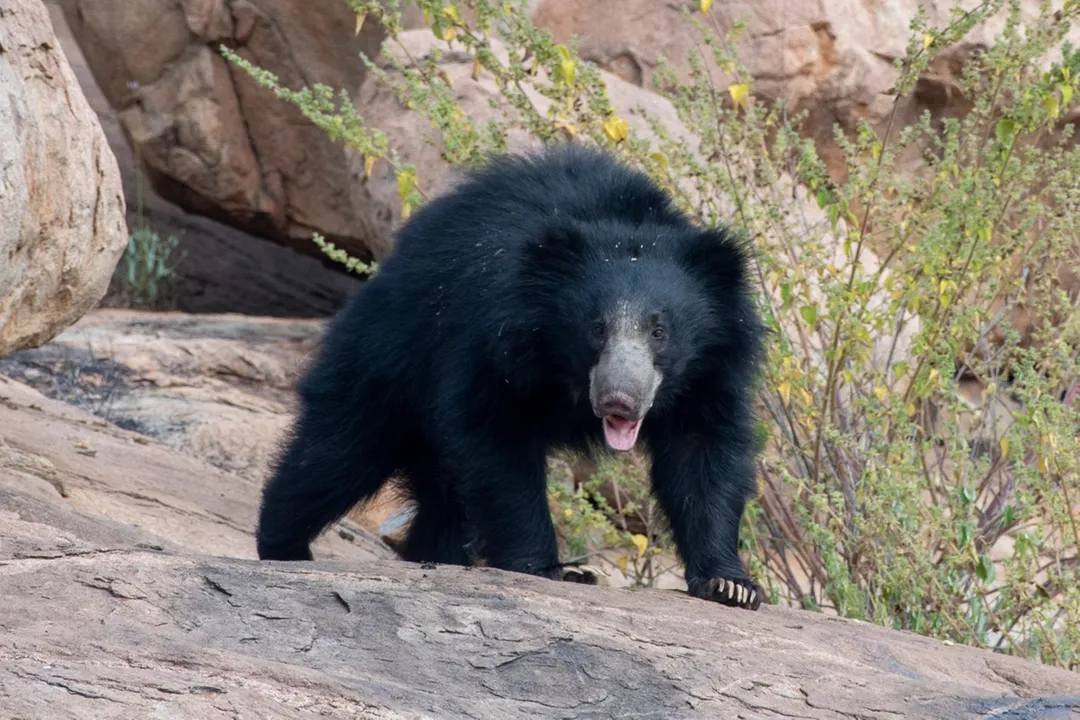

Wearable Technology Unveils the Deadly Frontier of Human-Wildlife Conflict in Japan
- Smartwatch forensics expose escalating bear encounters transforming wilderness safety




Overview
In a chilling testament to the evolving landscape of human-wildlife interactions, smartwatch technology has become an unexpected forensic witness to the growing dangers lurking in Japan's wilderness. The tragic death of hiker Sota Keisuke on Mount Rausu reveals a profound technological and ecological shift, where wearable devices now provide unprecedented insights into fatal encounters.
The GPS data tells a harrowing story of environmental disruption. Brown bears, driven by climate change and shrinking food sources, are increasingly encroaching on human territories. The incident is not an isolated event but part of a broader pattern: Japan experienced 220 bear attacks in 2023, with 13 fatalities since April and over 200 injuries in 2025. This marks a critical inflection point in human-wildlife coexistence.
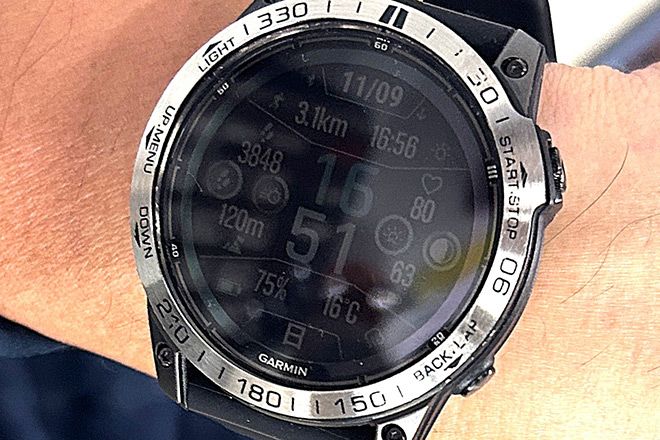
Technological forensics have transformed our understanding of such encounters. Keisuke's smartwatch captured his final moments with chilling precision—documenting his deviation from the trail, the struggle, and the exact location where his heart stopped. The device revealed the bear's subsequent return, dragging his body over 100 meters, providing unprecedented insights into animal behavior that were previously unimaginable.
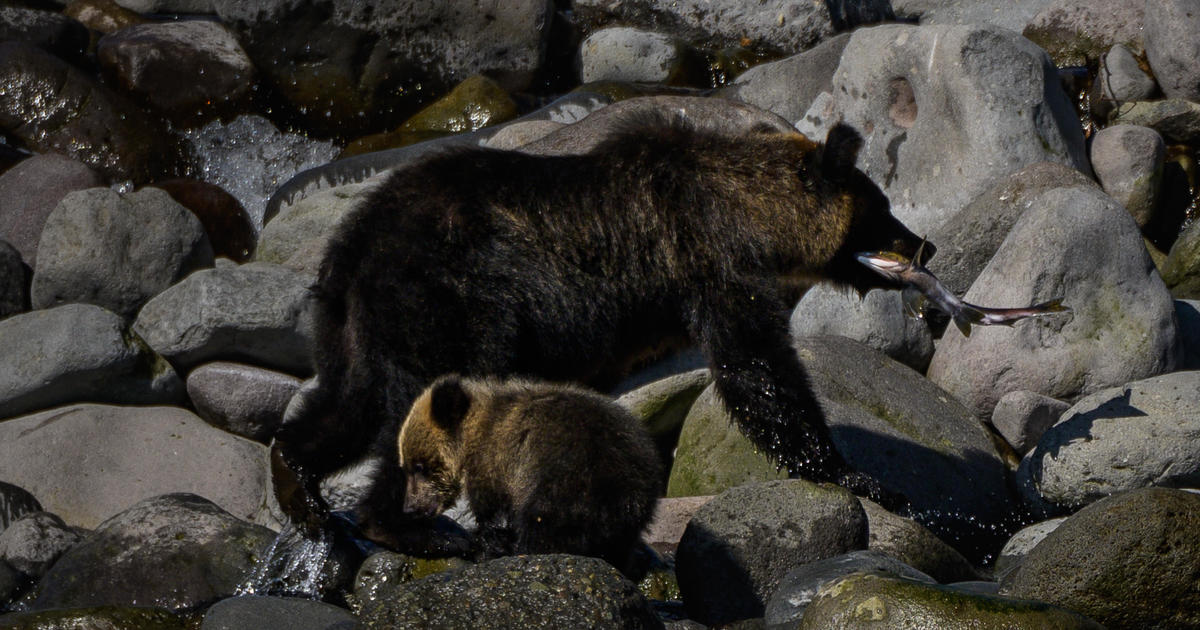
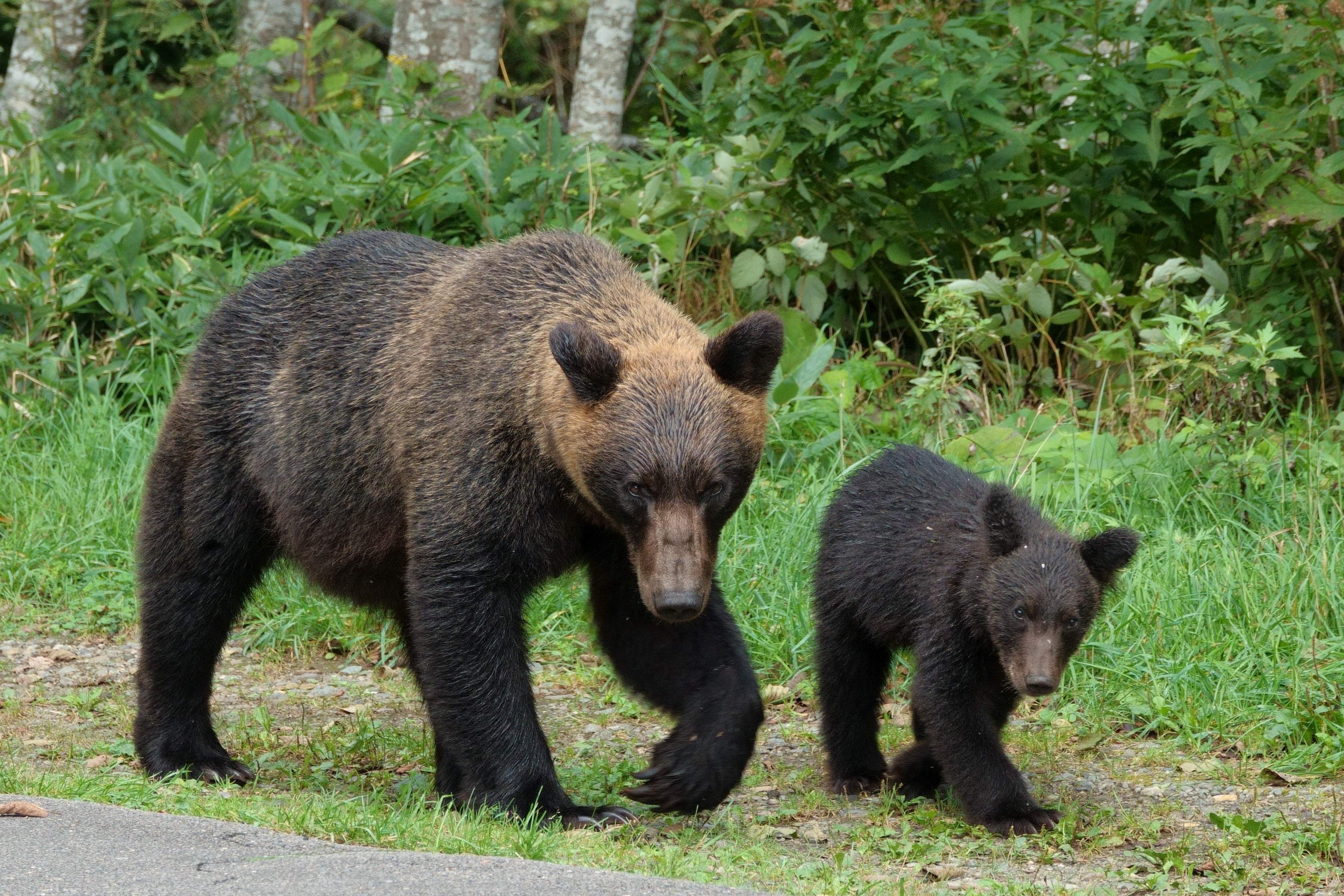
The underlying drivers are complex. Climate change is disrupting traditional bear habitats, altering food sources like acorns and hibernation patterns. Simultaneously, Japan's aging and shrinking rural population has created new opportunities for wildlife expansion. Brown bears in Hokkaido, weighing up to 1,100 pounds, are now being spotted not just in remote mountains, but near schools, supermarkets, and ski resorts.
This incident underscores a critical emerging challenge: as technological surveillance meets ecological transformation, humans must rapidly adapt their understanding of wilderness safety. The smartwatch has become more than a fitness tracker—it's now a potential lifeline and forensic tool in an increasingly unpredictable natural environment.
Questions 4
Are bear attacks a growing global trend or specific to Japan?
While this incident is specific to Japan, increasing human-wildlife conflicts are a global phenomenon driven by climate change, habitat loss, and human expansion into wilderness areas. Japan's case is particularly notable for its detailed technological documentation.
Why are bear encounters increasing in Japan?
Multiple factors contribute: climate change is disrupting bear food sources and hibernation patterns, Japan's rural population decline is creating more wildlife habitat, and changing environmental conditions are pushing bears closer to human settlements.