


Celebrity-Branded Electronics Delays Expose Pre-Order Risk | Seller Lessons
- 600,000 customers waiting 7+ months for $499 phones reveals critical gaps in direct-to-consumer fulfillment accountability and deposit protection standards










Overview
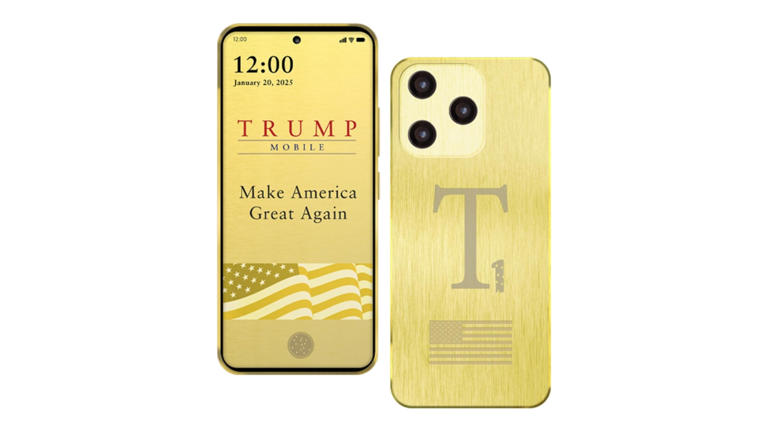
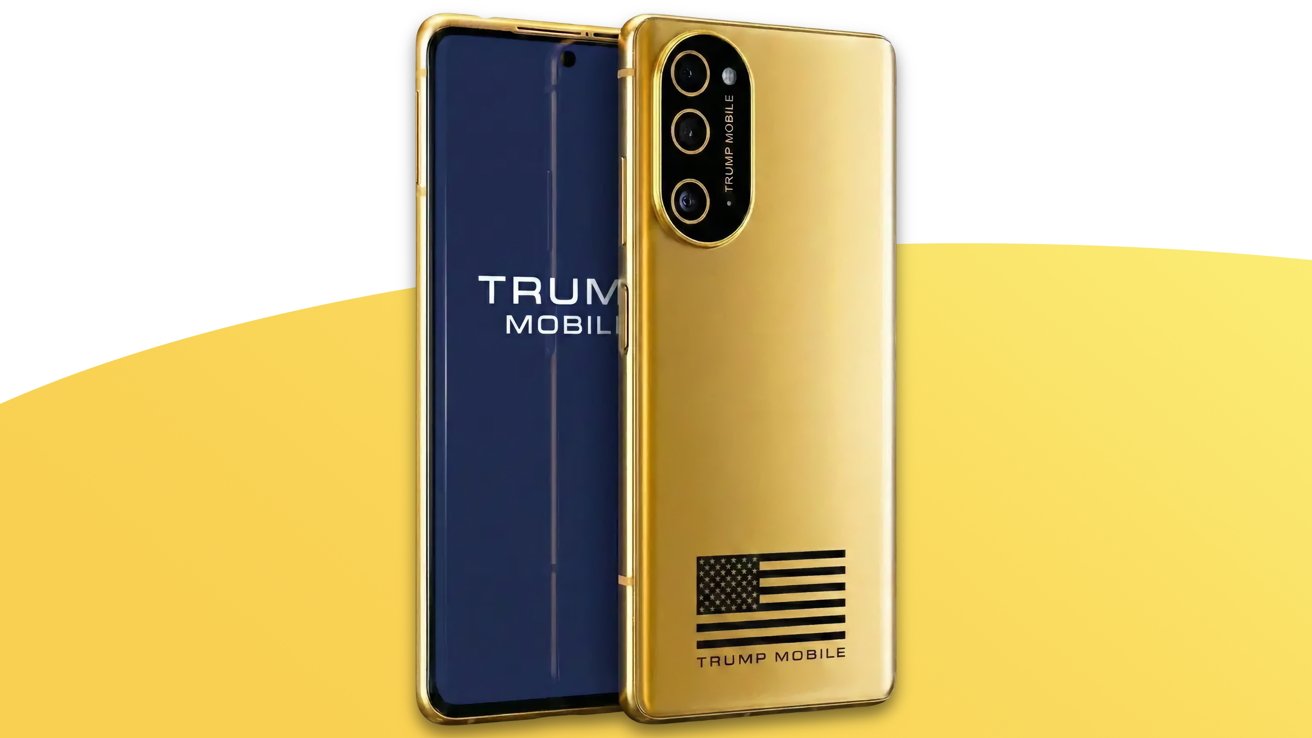
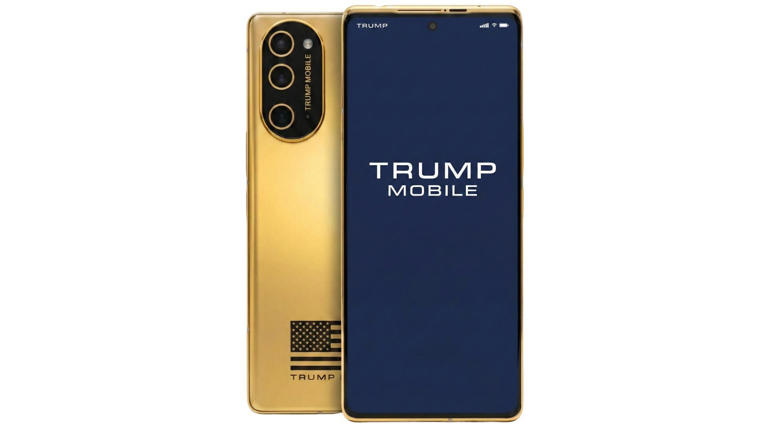
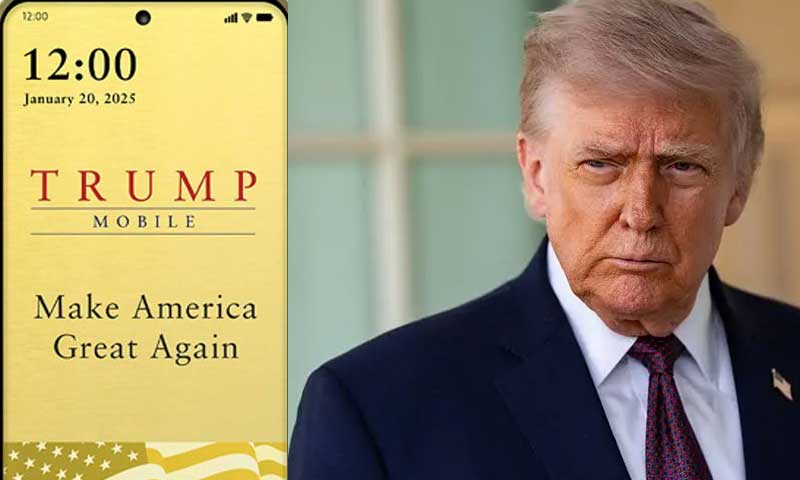
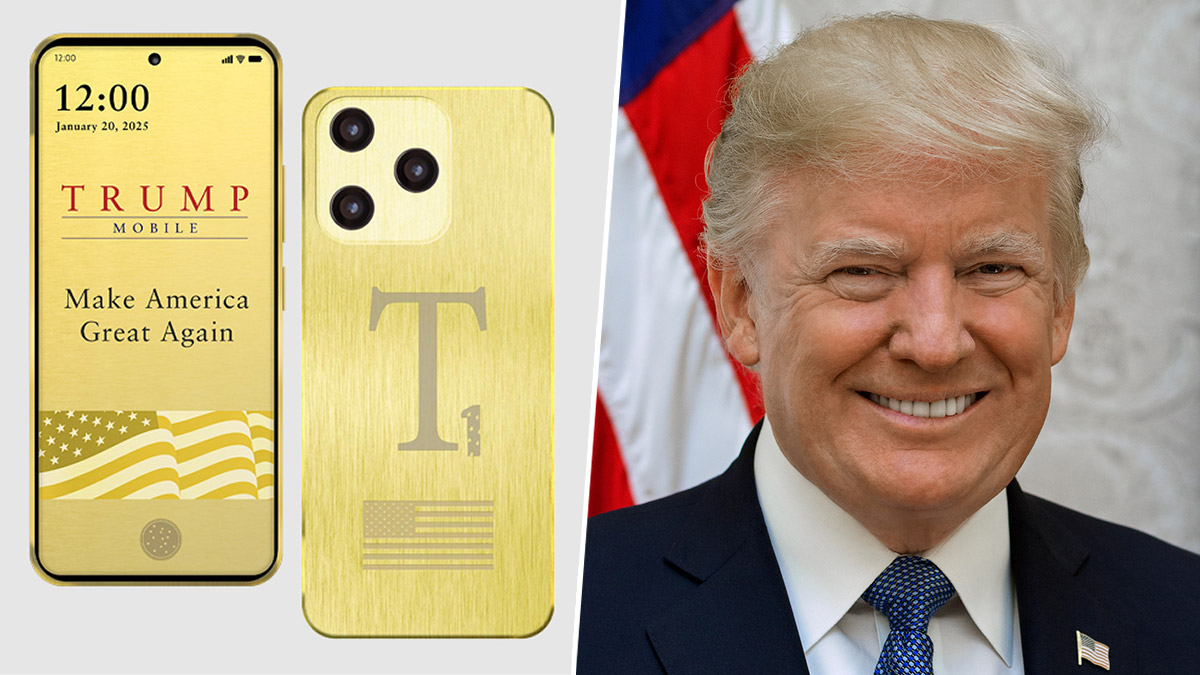
The Trump Mobile T1 Phone delay crisis—affecting 600,000 customers with $100 deposits since June 2025—exposes fundamental vulnerabilities in celebrity-branded electronics commerce and direct-to-consumer (D2C) pre-order models that e-commerce sellers must understand. As of May 2026, the gold-colored T1 Phone remains unreleased despite initial promises of late 2025 delivery, then January 2026, creating a 7-month gap between deposit collection and product delivery. This case study reveals critical operational and legal risks that impact how sellers structure pre-orders, manage customer expectations, and protect themselves from reputational damage on platforms like Amazon, Shopify, and TikTok Shop.
The core issue centers on inadequate pre-order contract language and communication failures. Trump Mobile's website explicitly states deposits "do not guarantee device production," "do not create a contract for sale," and "do not reserve inventory"—language designed to minimize legal liability but which has backfired spectacularly in customer perception. The company collected approximately $60 million in deposits ($100 × 600,000 customers) while maintaining vague refund processes and providing minimal delivery timeline updates. This strategy mirrors problematic practices seen in failed Kickstarter campaigns and celebrity product launches, where founders prioritize capital collection over transparent communication. For sellers operating on Amazon FBA, eBay, or Shopify, this demonstrates why platform policies increasingly require clear delivery windows (typically 30-90 days maximum for pre-orders) and automatic refund mechanisms. The Trump Mobile situation shows what happens when these guardrails are absent: social media backlash on TikTok and X, regulatory scrutiny, and erosion of customer trust in future product launches.
The competitive opportunity lies in identifying underserved niche categories where transparent pre-order practices create differentiation. Sellers can capitalize on consumer frustration with celebrity-branded electronics by offering competing products with clear specifications, realistic delivery timelines, and robust customer communication. The patriotic/political merchandise category—which Trump Mobile initially targeted—remains largely underserved on mainstream platforms due to content moderation concerns. Sellers can enter adjacent categories like premium phone accessories (cases, chargers, screen protectors) marketed toward conservative consumers with "Made in USA" or "American-designed" positioning, avoiding the manufacturing complexity that derailed Trump Mobile. Additionally, the telehealth and roadside assistance bundling mentioned in Trump Mobile's $47.45 monthly service plan reveals demand for integrated lifestyle services among this demographic. Sellers on Shopify can build subscription bundles combining physical products with digital services, while Amazon sellers can leverage the platform's subscription program (Subscribe & Save) to create recurring revenue from this audience segment. The key differentiator: transparent communication, realistic timelines, and clear refund policies that exceed platform minimums.
Questions 8
Which e-commerce platforms have the strictest pre-order policies?
Amazon FBA has the most restrictive pre-order framework, requiring sellers to specify exact delivery dates within 90 days and automatically refunding customers if dates slip without explicit approval. Shopify allows more flexibility but increasingly requires clear refund policies due to regulatory pressure. eBay mandates 30-day pre-order windows maximum. TikTok Shop is still developing pre-order standards but follows Shopify's model. Trump Mobile operated outside these platforms using a custom website, which eliminated protective guardrails. Sellers should use platform-native pre-order tools rather than custom deposit systems to avoid the regulatory and reputational risks Trump Mobile faced.
What product categories can sellers target to capitalize on this controversy?
The patriotic/conservative consumer electronics niche remains underserved on mainstream platforms. Sellers can target: (1) Premium phone accessories (cases, chargers, screen protectors) with 'Made in USA' positioning, (2) Bundled telehealth + physical product subscriptions (Trump Mobile offered this at $47.45/month), (3) Patriotic tech accessories (laptop skins, keyboard covers, webcam covers), (4) Roadside assistance + product bundles (mimicking Trump Mobile's service model). These categories avoid manufacturing complexity while capturing the same demographic. On Shopify, sellers can build subscription bundles; on Amazon, use Subscribe & Save. The key: transparent sourcing claims and realistic delivery timelines that differentiate from Trump Mobile's vague 'designed with American values' messaging.