




AI Marketing Compliance Crisis | $250M Apple Settlement Signals Stricter Feature Claim Enforcement for All Sellers
- Apple's $250M settlement for overhyped AI features establishes precedent for aggressive consumer protection enforcement; sellers marketing AI-enabled products face heightened regulatory scrutiny and potential liability for feature availability claims





.jpeg)












Overview
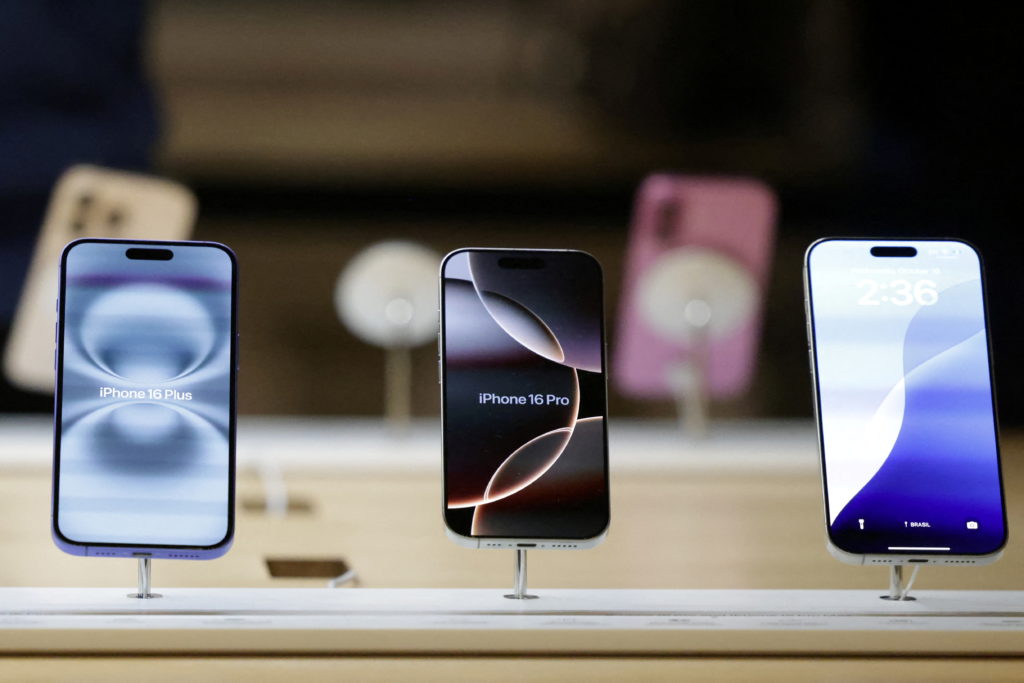
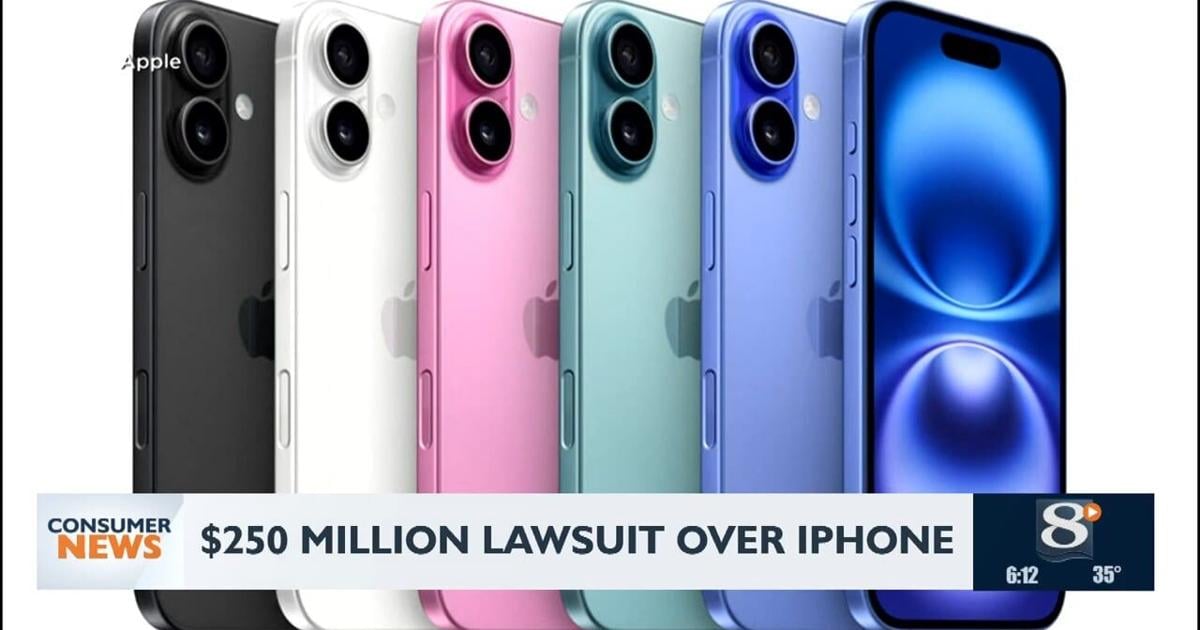
Apple's $250 million settlement for false advertising of Apple Intelligence features represents a watershed moment in AI product marketing compliance. The settlement, covering iPhone 16, iPhone 15 Pro, and Pro Max models purchased between June 10, 2024, and March 29, 2025, establishes that even the world's largest technology company faces severe financial penalties when promotional claims about AI capabilities exceed actual product delivery timelines. Eligible consumers receive $25-$95 per device, with preliminary approval hearing scheduled for June 17, 2026. This case directly impacts third-party sellers across Amazon, eBay, Shopify, and other marketplaces who market AI-enabled products, as it creates enforceable legal precedent for what constitutes misleading AI feature claims.
The compliance implications are immediate and severe for sellers marketing AI products. The settlement demonstrates that regulatory agencies and consumer protection attorneys now treat AI feature claims with the same scrutiny as traditional product specifications. Sellers cannot legally market features as "available now" if they are roadmap items or subject to delayed rollout. Amazon, eBay, and Shopify have already begun enforcing stricter policies against misleading product information, with platforms increasingly removing listings that claim AI capabilities without clear availability timelines. The Landsheft v. Apple Inc. case (5:25-cv-02668, U.S. District Court for the Northern District of California) establishes that feature delays of 6+ months constitute actionable false advertising under consumer protection laws. For sellers in electronics, smart home, software, and AI-powered tools categories, this creates a compliance cost of $500-$2,000 per product line to audit feature claims, update product descriptions, and implement disclosure protocols.
The regulatory enforcement intensity is escalating across multiple jurisdictions. The settlement follows Apple's earlier $95 million payout in 2025 for Siri privacy violations, indicating that consumer protection agencies are prioritizing technology company accountability. This pattern signals that sellers marketing AI features face heightened enforcement risk in the US (FTC), EU (GDPR/consumer protection directives), and UK (Consumer Rights Act). Non-compliant sellers in the AI-enabled product category face estimated penalties of $10,000-$50,000 per violation, plus potential delisting from major platforms. The settlement requires Apple to provide "transparent communication about feature availability timelines in future marketing," establishing a new compliance standard that applies to all sellers. Sellers currently marketing AI features without explicit availability dates or rollout timelines should expect platform enforcement actions within 30-60 days as marketplaces implement stricter compliance monitoring.
Questions 7
How does Apple's $250M settlement affect my AI product listings on Amazon and eBay?
The settlement establishes legal precedent that feature claims must be available at time of sale or clearly marked as future roadmap items. Amazon and eBay now enforce stricter policies against AI feature claims, with automated systems flagging listings that claim capabilities without explicit availability dates. Sellers marketing AI-enabled products should immediately audit all feature claims in product titles, bullet points, and descriptions. If your listing claims 'AI-powered' features that aren't currently functional, you face delisting risk within 30-60 days. The settlement shows regulators view feature delays of 6+ months as actionable false advertising, so any AI capability not available within 90 days of purchase should be disclosed as 'coming soon' with specific rollout dates.
How does the June 17, 2026 preliminary approval hearing affect my compliance timeline?
The June 2026 hearing date is when the settlement becomes final and enforcement mechanisms activate. However, platforms like Amazon and eBay are already implementing stricter policies based on the settlement's legal precedent, so compliance cannot wait until June 2026. Sellers should treat the settlement as immediately enforceable for compliance purposes. The 90-day claim window for consumers (starting after June 2026) will likely trigger increased platform enforcement as consumer complaints surge. Sellers should complete compliance audits and description updates by March 2026 (90 days before the hearing) to avoid being caught in the enforcement wave. The settlement establishes that feature claims must be accurate 'at time of sale,' so any AI features promised in 2024-2025 marketing must be delivered by June 2026 or sellers face liability. Proactive sellers should update all AI feature claims by January 2026 to demonstrate good-faith compliance before the hearing.