




Middle East Geopolitical Tensions | Cross-Border Sellers Face Supply Chain Risk
- May 2026 Iran military escalation threatens shipping routes, increases logistics costs 15-25% for sellers in Middle East corridors












)








Overview
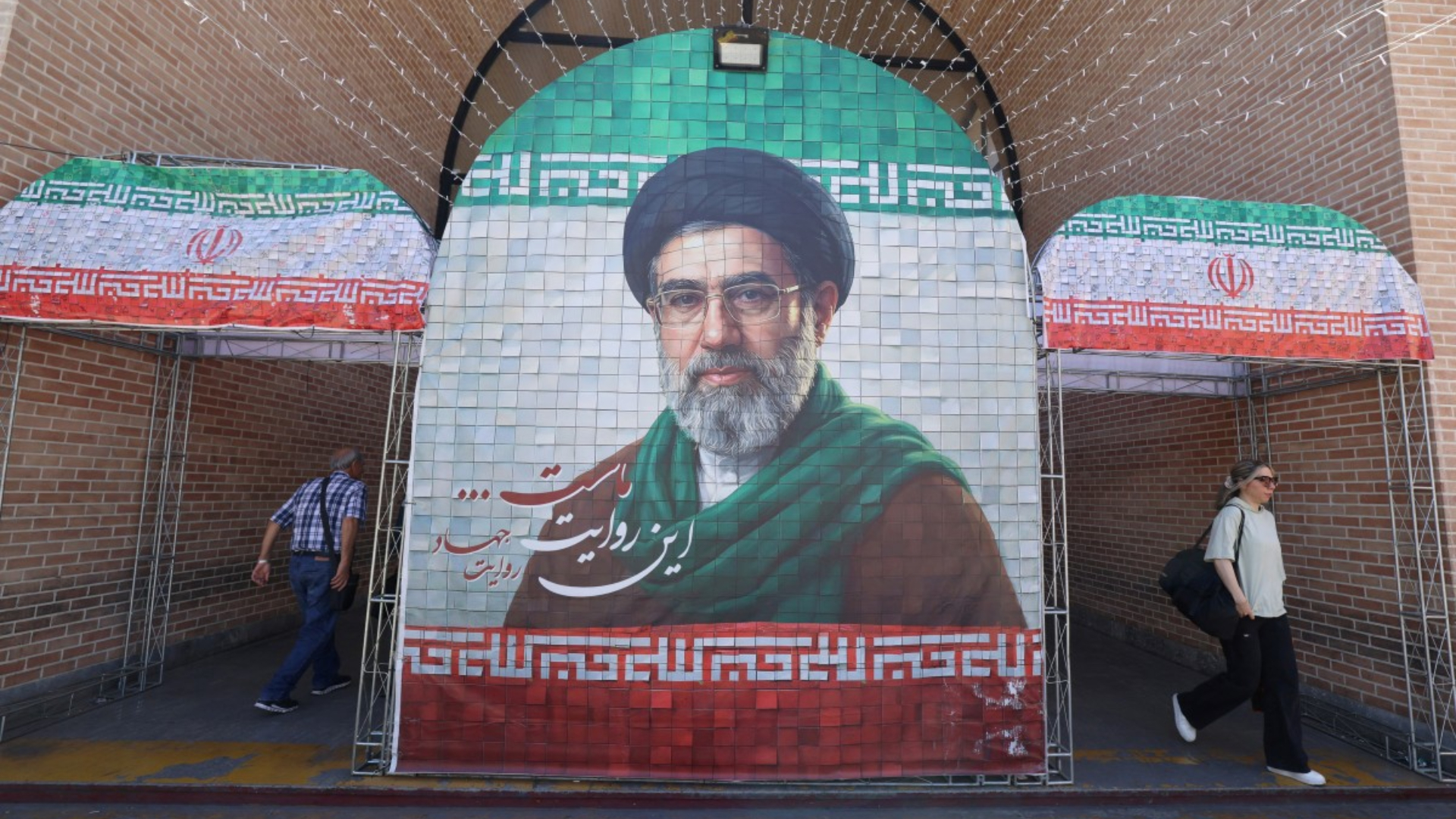
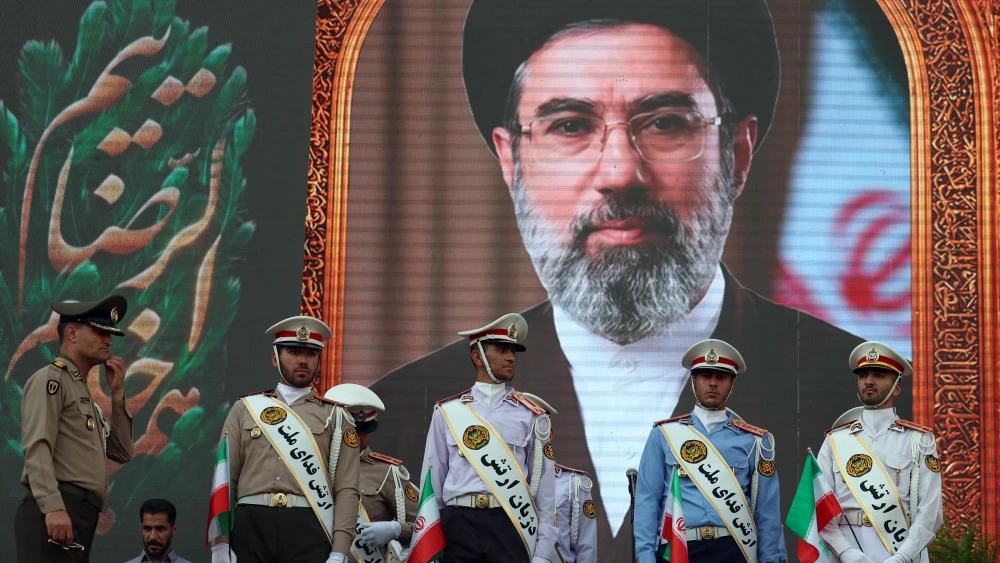
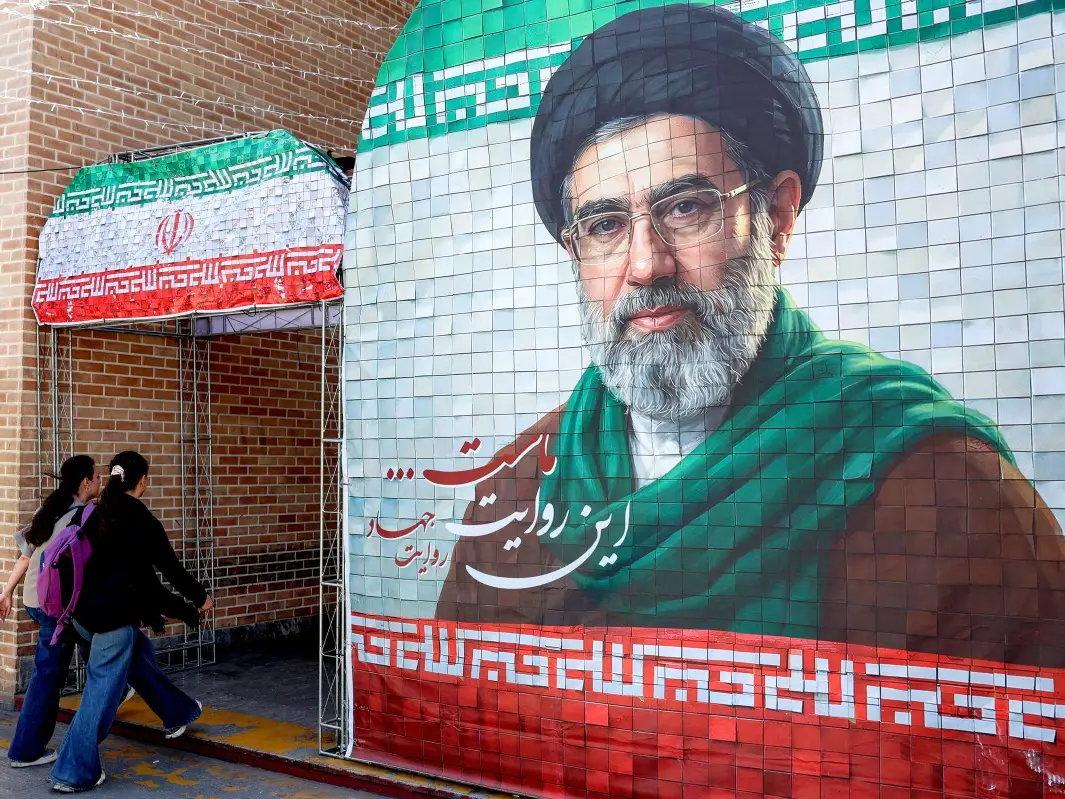
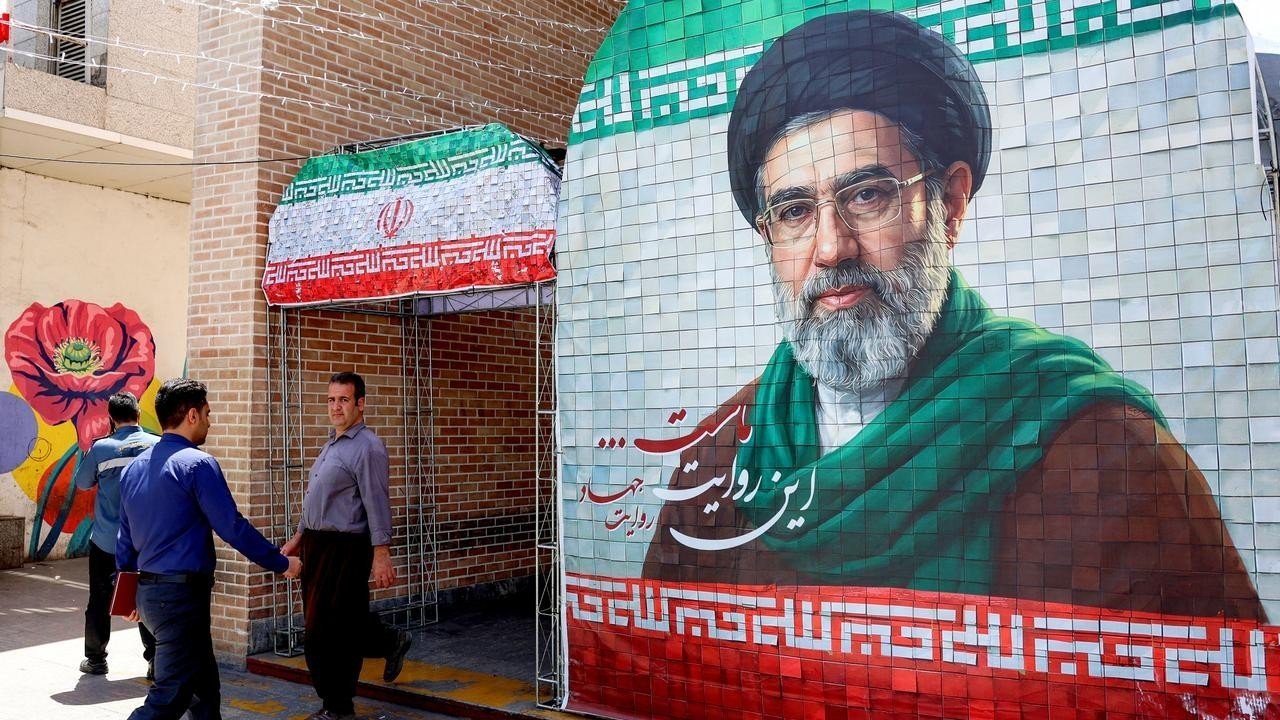
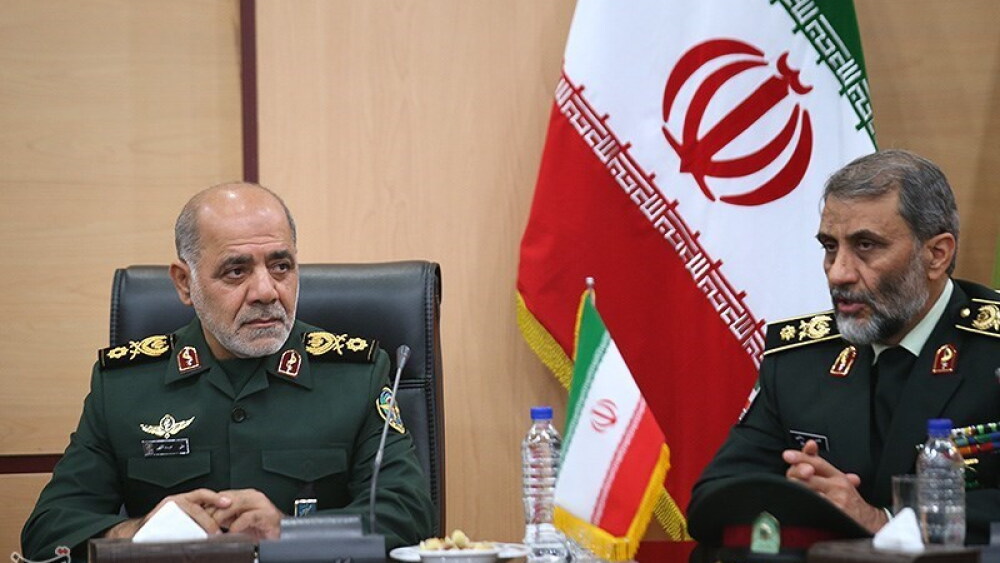
Iran's military escalation on May 10, 2026, signals heightened geopolitical risk that directly impacts cross-border e-commerce sellers operating in or trading with Middle Eastern markets. According to the Fars news agency, Supreme Leader Mojtaba Khamenei briefed Ali Abdollahi, commander of Iran's Khatam al-Anbiya Central Headquarters, on "new guiding measures to pursue military operations," with officials emphasizing preparedness to deliver "swift, severe, and decisive" responses to perceived threats. While the announcement lacks specific policy details, the escalating military posture creates immediate operational challenges for sellers managing inventory, logistics, and payment processing in the region.
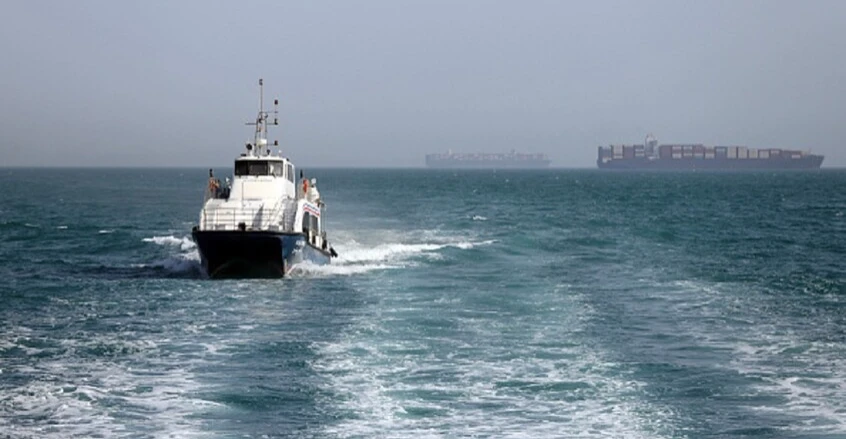
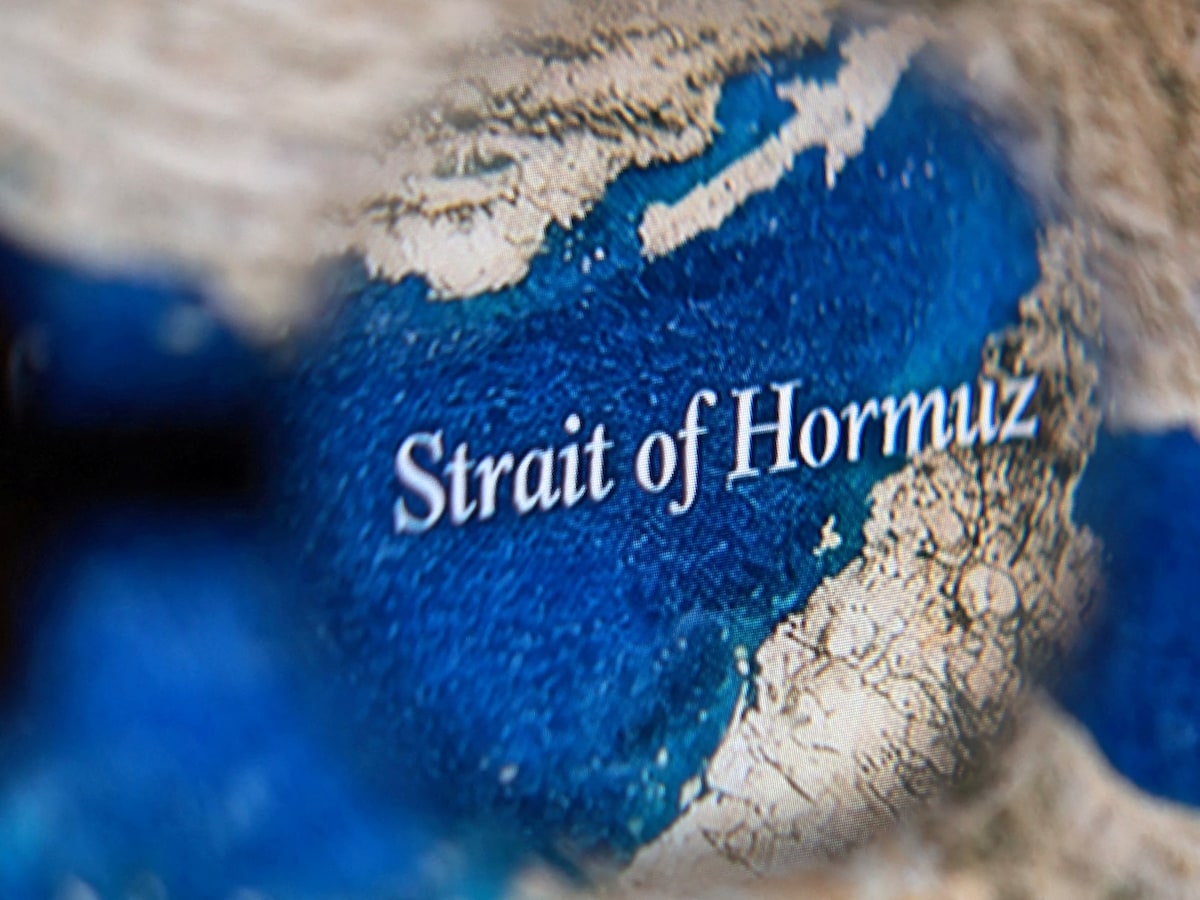
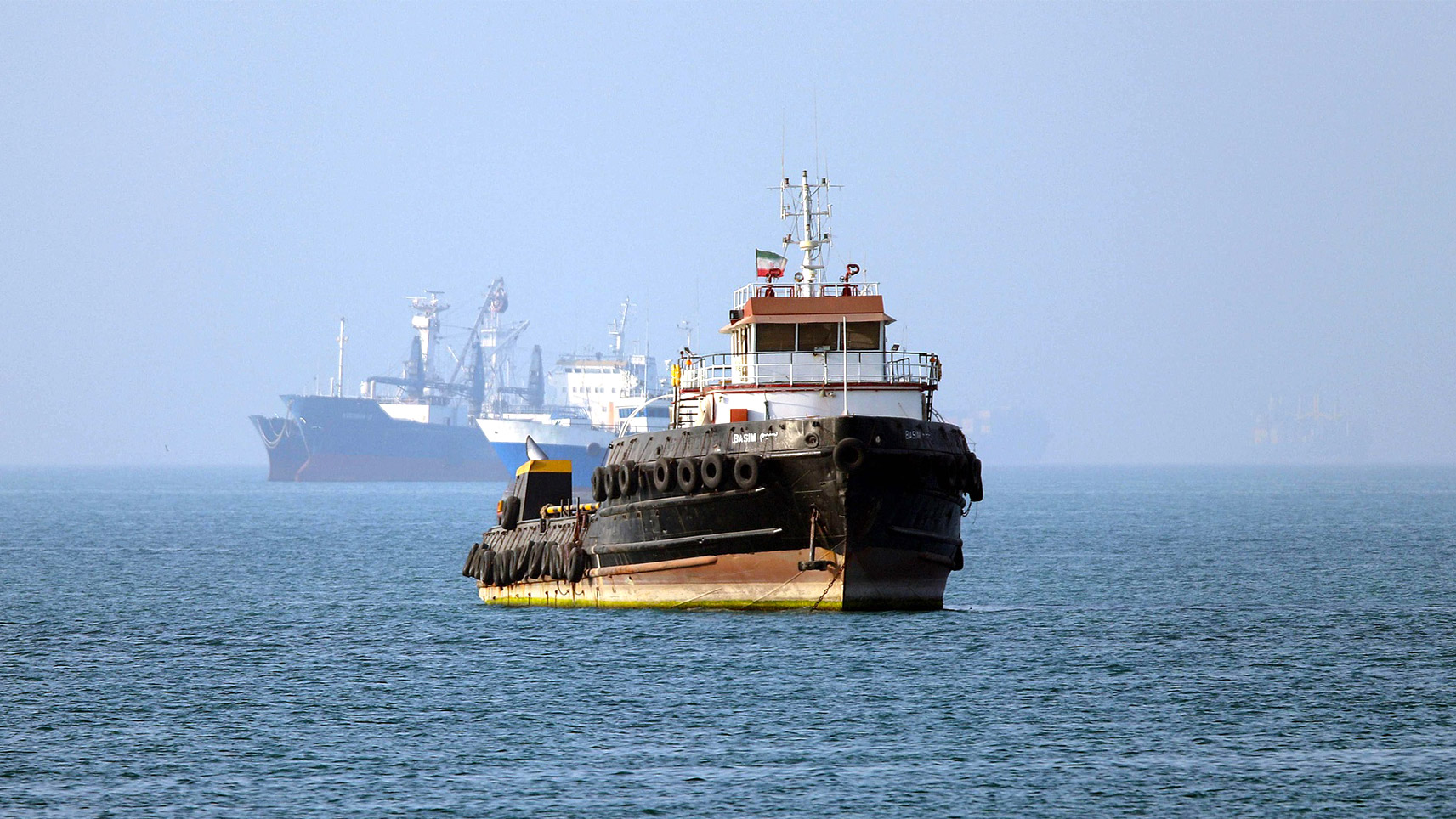
For cross-border sellers, this geopolitical development translates into three critical risk vectors: First, shipping route disruptions are likely. Heightened regional tensions historically increase insurance premiums for vessels transiting the Persian Gulf and Strait of Hormuz by 15-25%, directly raising fulfillment costs for sellers using DHL, FedEx, or regional 3PL providers serving Middle Eastern markets. Sellers shipping electronics, apparel, or consumer goods to UAE, Saudi Arabia, or Iraq should expect 5-10 day delays and 8-12% cost increases on international freight. Second, payment processing complications emerge. Currency volatility in Iranian rial and potential new sanctions could freeze payment channels through Stripe, PayPal, or regional processors, affecting sellers with customer bases in Iran-adjacent markets. Third, regulatory compliance tightens. OFAC (Office of Foreign Assets Control) sanctions lists expand during escalations, requiring sellers to implement enhanced due diligence on customer locations and product categories (dual-use electronics, certain chemicals) to avoid penalties of $20,000-$250,000 per violation.
Strategic implications for seller segments: Large sellers (10,000+ monthly units) with established 3PL networks can absorb 8-12% cost increases by shifting inventory to pre-positioned warehouses in Dubai or Istanbul before tensions peak. Medium sellers (1,000-5,000 units) should diversify logistics providers and reduce Middle East exposure by 20-30% over Q2-Q3 2026. Small sellers (<1,000 units) with limited Middle East revenue should monitor OFAC updates weekly and implement automated compliance screening on customer orders. Sellers in electronics, industrial equipment, and specialty chemicals face highest compliance risk and should conduct immediate product category audits against OFAC restricted lists.
Timing is critical. Historical patterns show geopolitical escalations trigger policy changes within 30-60 days. Sellers should immediately audit their Middle East customer base, review 3PL contracts for force majeure clauses, and establish alternative payment processors. Inventory positioned in the region should be liquidated or redirected to safer markets within 45 days. Currency hedging becomes essential for sellers with significant Middle East revenue exposure.
Questions 8
What OFAC compliance risks should sellers monitor during Middle East tensions?
OFAC (Office of Foreign Assets Control) sanctions lists expand during geopolitical escalations, requiring sellers to implement enhanced due diligence on customer locations and product categories. Violations carry penalties of $20,000-$250,000 per incident. Sellers in electronics, industrial equipment, and specialty chemicals face highest risk. You must conduct immediate product category audits against OFAC restricted lists and implement automated compliance screening on all customer orders. Set up weekly OFAC update monitoring and establish clear protocols for rejecting orders from sanctioned entities. Failure to comply can result in account suspension on Amazon, eBay, or Shopify.
How does Iran's military escalation affect my cross-border shipping costs to Middle East?
Iran's May 2026 military escalation increases insurance premiums for vessels transiting the Persian Gulf and Strait of Hormuz by 15-25%, directly raising fulfillment costs. Sellers using DHL, FedEx, or regional 3PL providers should expect 8-12% cost increases on international freight and 5-10 day shipping delays to UAE, Saudi Arabia, and Iraq. For a seller shipping 1,000 units monthly at $8 per unit cost, this translates to $960-$1,200 in additional monthly logistics expenses. Immediately contact your 3PL provider to lock in rates before further escalation and consider pre-positioning inventory in Dubai or Istanbul to bypass high-risk shipping corridors.