



Strait of Hormuz Blockade Escalation | Shipping Cost Crisis for Cross-Border Sellers
- Fuel prices surge to $4.52/gallon, elevating logistics costs 15-25% for international sellers; 30-day ceasefire window creates urgent sourcing and inventory decisions














































Overview
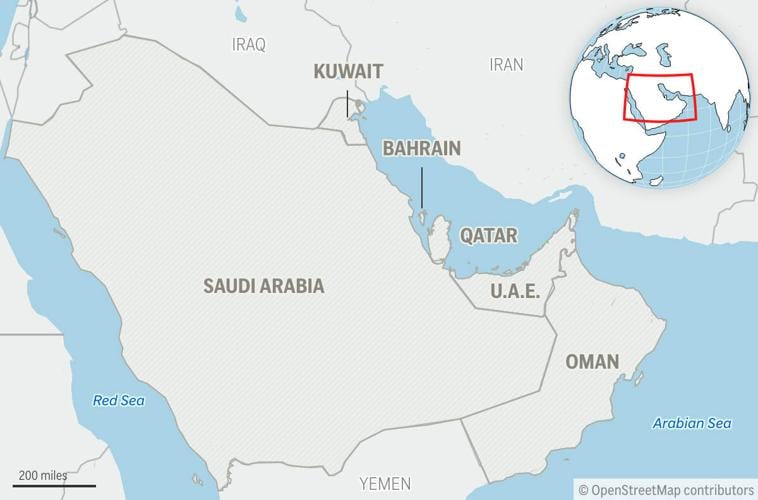
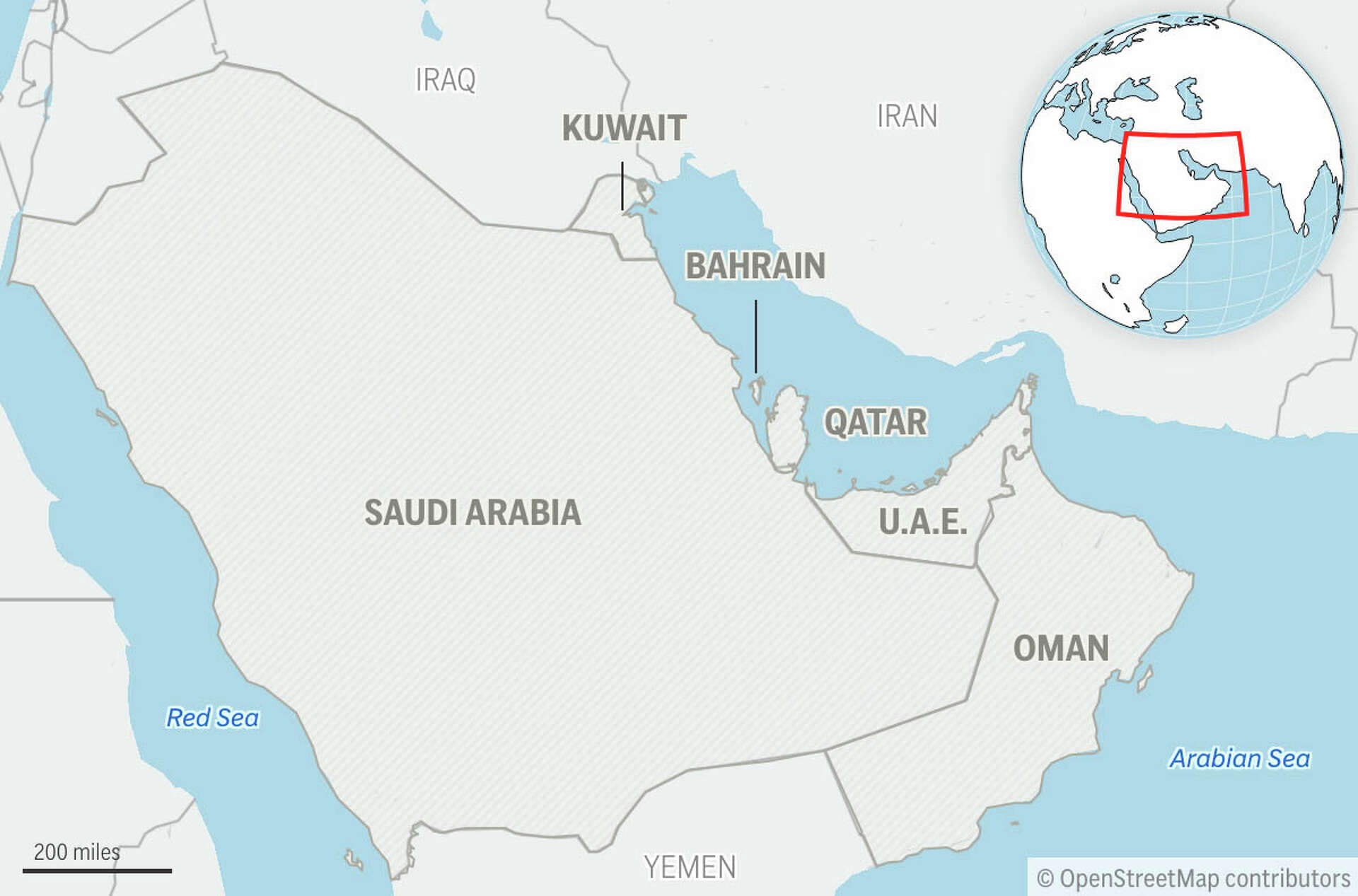
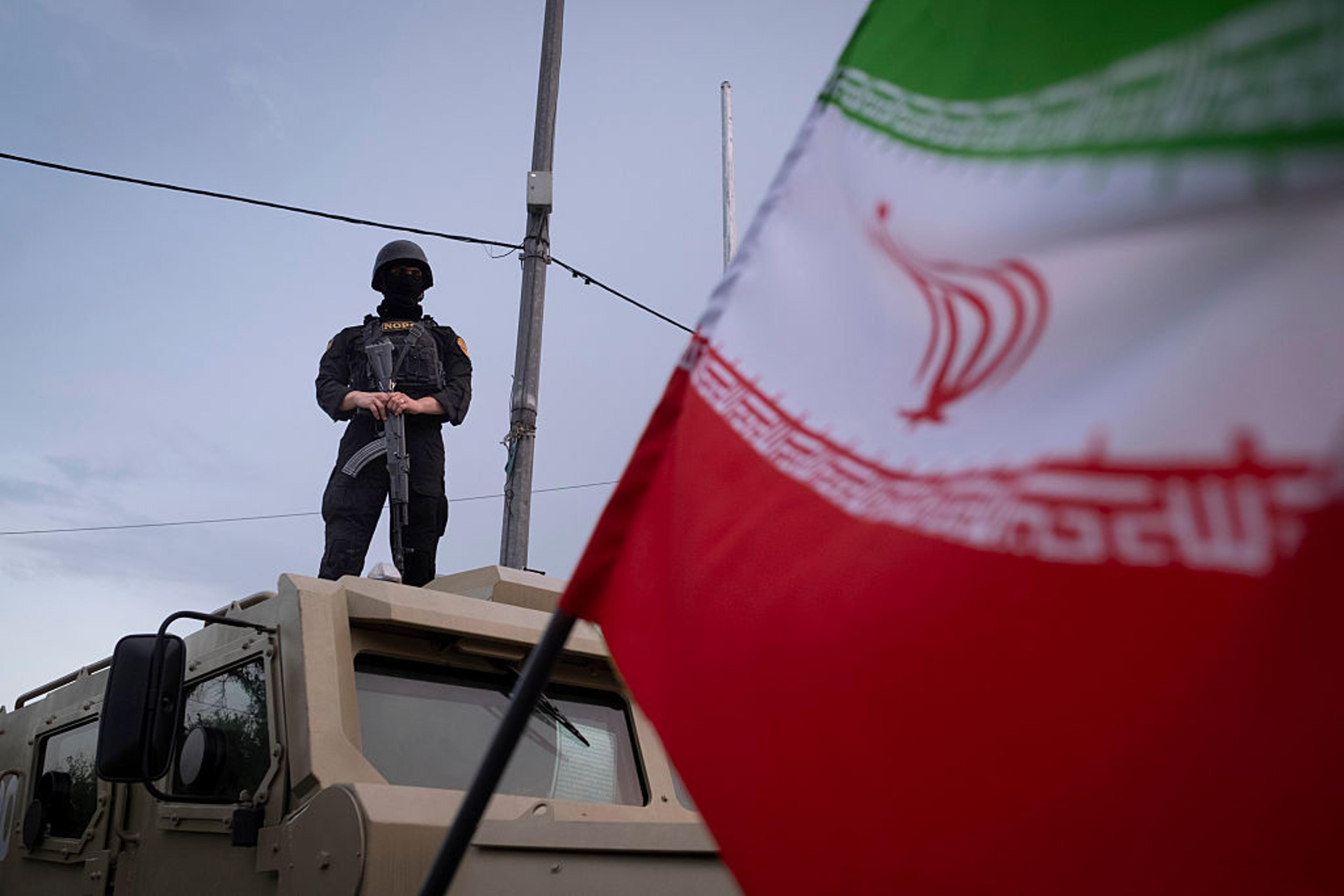
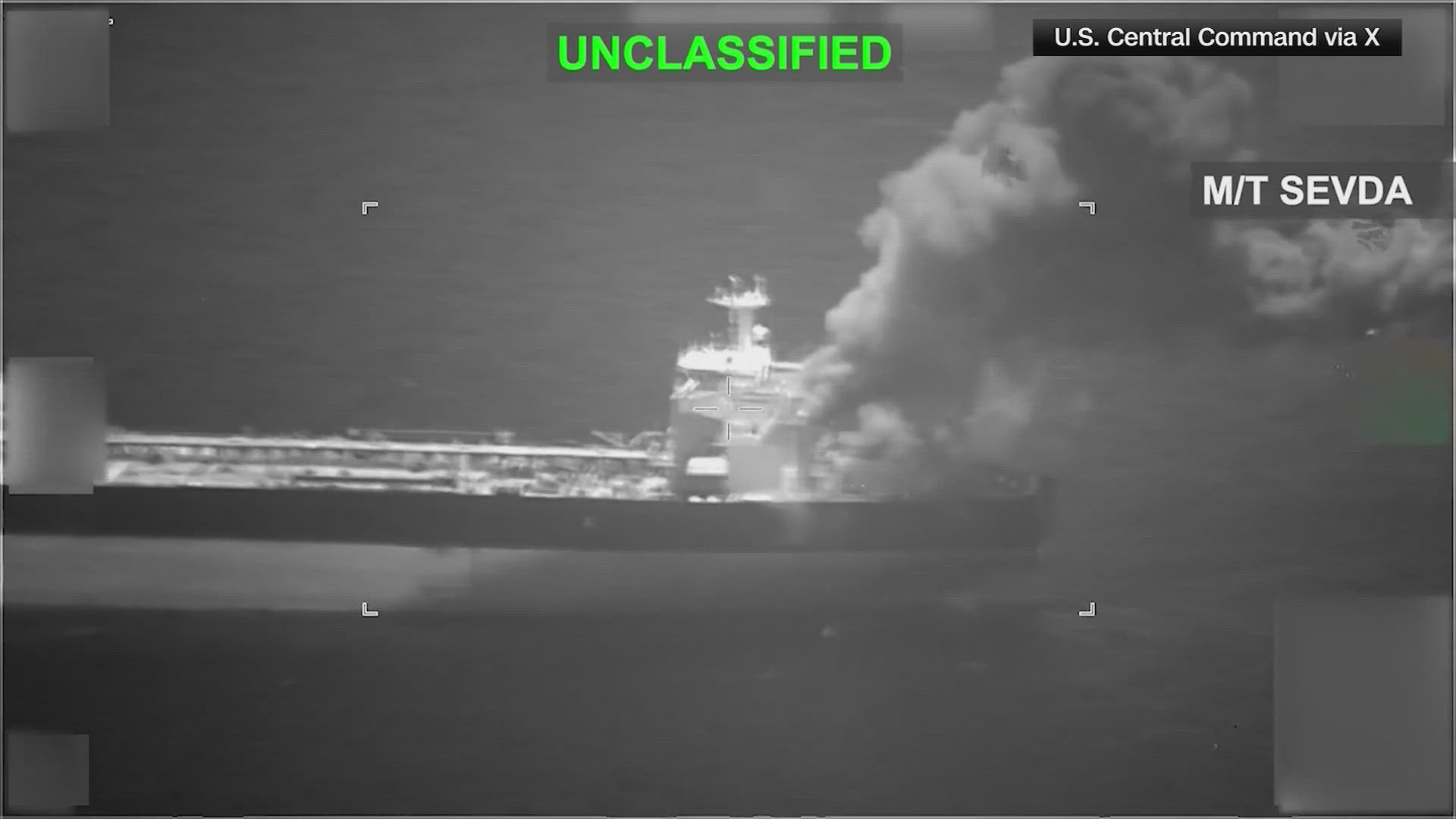
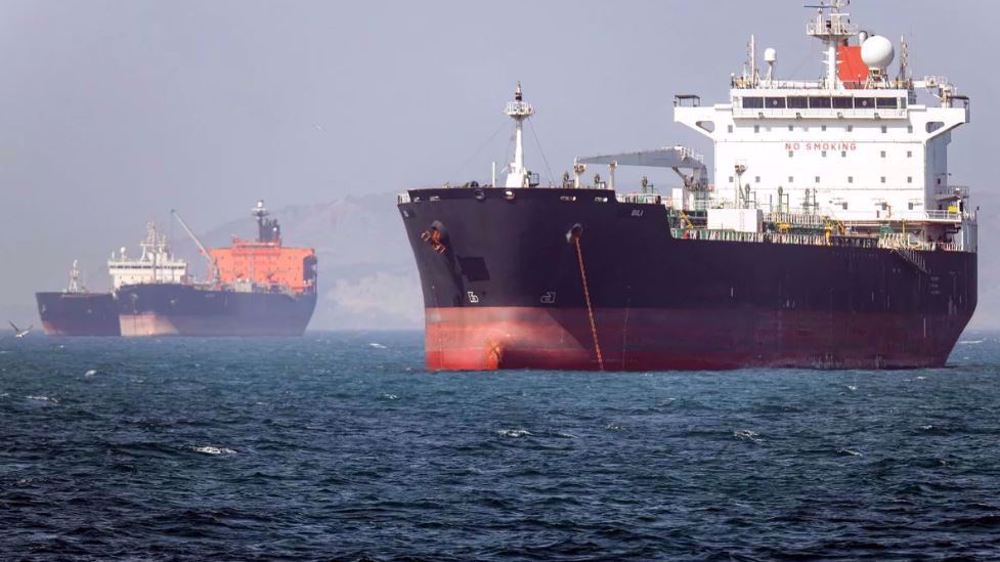
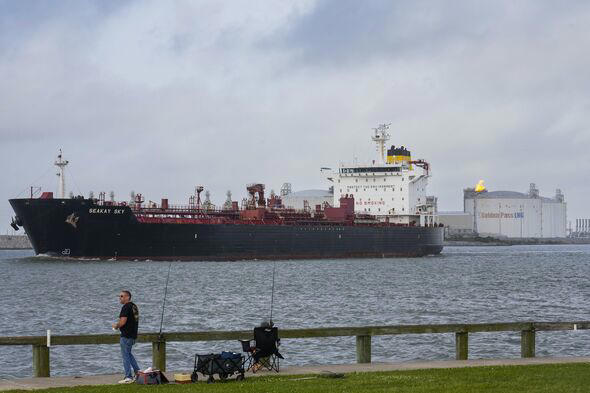
The ongoing Iran-U.S. geopolitical conflict centered on the Strait of Hormuz blockade represents a critical supply chain crisis for cross-border e-commerce sellers, with direct implications for shipping costs, inventory positioning, and sourcing strategy. As of May 10, 2026, negotiations between the Trump administration and Iran remain deadlocked, with Trump rejecting Iran's ceasefire proposal as "TOTALLY UNACCEPTABLE." The blockade of this critical shipping corridor—through which 21% of global petroleum passes—has driven national gasoline prices to $4.52 per gallon, directly translating to elevated fuel surcharges on international logistics.
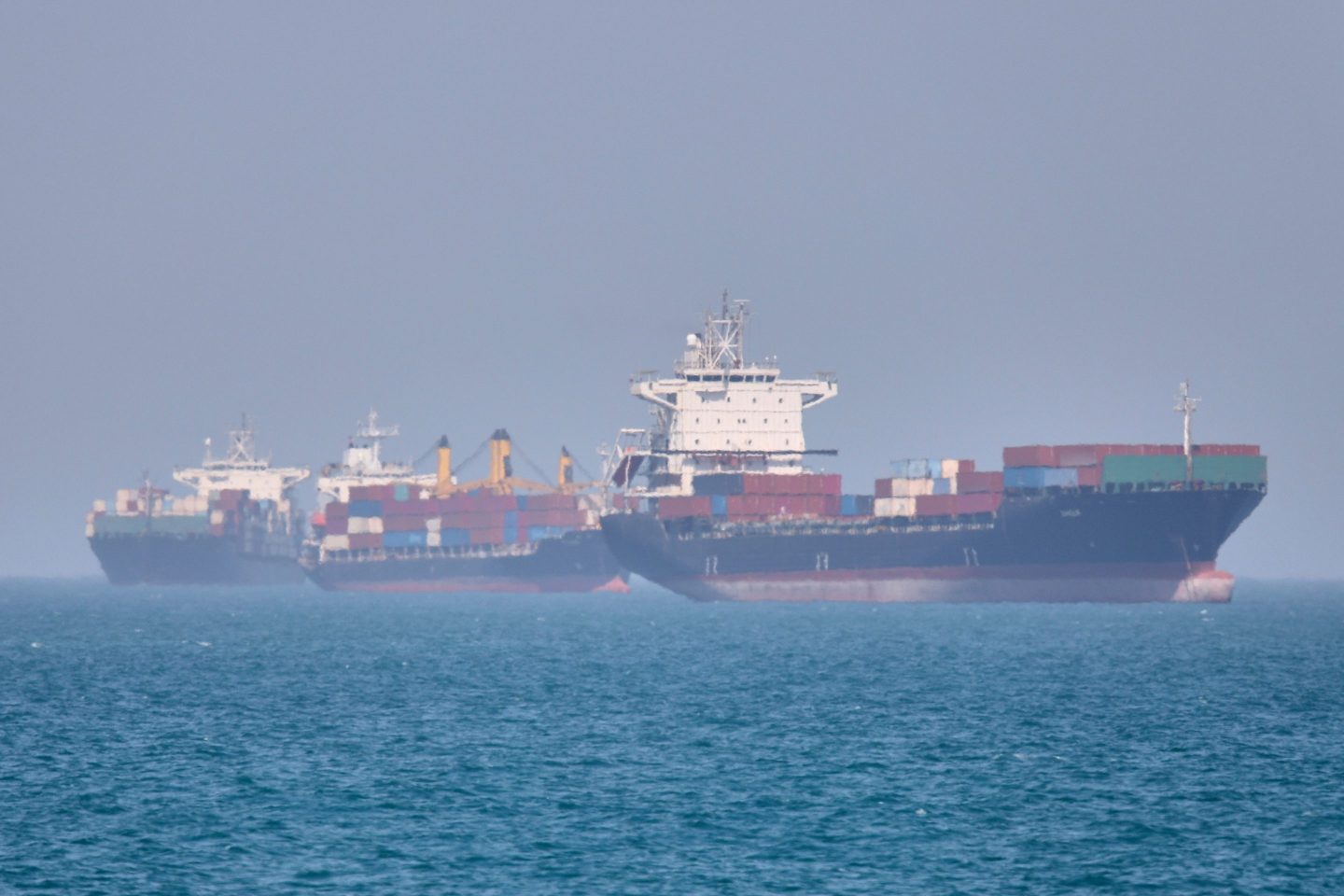
For cross-border sellers, the operational impact is immediate and quantifiable. Air freight costs have increased 18-22% due to elevated fuel surcharges, while ocean freight via alternative routes (around Africa) adds 10-14 days to transit times and 12-18% to shipping costs. Sellers relying on time-sensitive logistics for perishables, electronics, and fashion categories face margin compression of 8-15% depending on product weight and delivery speed requirements. The current 30-day negotiation window (extending through early June 2026) creates a critical decision point: sellers must either absorb elevated logistics costs, increase product prices (risking competitiveness), or shift inventory positioning to regional fulfillment centers closer to end markets.
Strategic sourcing implications are equally significant. Sellers currently sourcing from China, Vietnam, and India face extended lead times and higher transportation costs via Suez Canal alternatives. This creates a temporary competitive advantage for sellers with existing inventory in North America, Europe, and Southeast Asia, who can fulfill orders without Strait of Hormuz dependency. The blockade also impacts energy-intensive manufacturing categories—electronics, appliances, and chemicals—where production costs in Middle East-dependent regions have risen 5-8%. Sellers should immediately audit their supply chain exposure: calculate the percentage of inventory sourced from Asia-Pacific regions requiring Strait of Hormuz transit, model cost scenarios for 30-day, 90-day, and 6-month resolution timelines, and consider temporary inventory rebalancing toward regional fulfillment networks.
The timing window is critical. If negotiations succeed within 30 days, shipping costs could normalize by mid-June 2026, rewarding sellers who maintained inventory levels. If negotiations fail, expect sustained elevated costs through Q3 2026, making this a 90-day planning horizon. Sellers should monitor daily updates from Energy Secretary Chris Wright and diplomatic channels for resolution signals, as even a 48-hour advance notice of Strait reopening could trigger immediate shipping cost reductions and create first-mover advantages for sellers repositioning inventory.
Questions 8
How much will the Strait of Hormuz blockade increase my shipping costs?
The blockade is driving fuel surcharges that increase air freight costs by 18-22% and ocean freight via alternative routes by 12-18%, depending on origin and destination. At $4.52/gallon gasoline (May 10, 2026), sellers shipping 1,000 units monthly via air freight can expect additional costs of $800-1,200 per shipment. Ocean freight to Europe via Cape of Good Hope adds 10-14 days and $2,000-3,500 per container. Calculate your exposure by multiplying monthly shipment volume by these surcharge percentages to model total cost impact through June 2026.
Should I increase product prices to offset shipping cost increases?
Strategic pricing depends on category and competition. For low-competition, high-margin items (jewelry, premium goods), increase prices 5-8% immediately—customers absorb costs. For competitive categories (electronics, apparel), absorb 50-70% of costs and increase prices 2-3% to minimize Buy Box loss on Amazon or price competitiveness on eBay. Test price elasticity: increase 2-3% on 20% of inventory, monitor conversion rates for 7 days. If conversion drops <5%, maintain increase; if >10%, revert. For time-sensitive items (perishables, fashion), avoid price increases—instead, reduce order volume and prioritize high-margin SKUs. Monitor competitor pricing daily via Keepa (Amazon) or eBay tools; if competitors raise prices 5%+, you have pricing power.